
Colorado fly fishing is no stranger to changing weather patterns, but 2026 is shaping up to be one of the most challenging seasons anglers have seen in decades. Record-low snowpack, accelerated runoff, and widespread drought conditions have many anglers wondering whether Colorado trout fishing will remain productive throughout the summer.
The reality is that drought changes everything. Water temperatures rise. Streamflows shrink. Hatches often occur earlier than expected. Trout become concentrated in fewer holding areas and can become increasingly selective.
Yet drought does not mean the end of good fly fishing in Colorado.
Some fisheries are naturally more resilient than others. Tailwaters benefit from controlled reservoir releases. High-elevation rivers often maintain cooler temperatures longer into the season. Reservoirs can continue producing excellent fishing when nearby streams struggle — though shallow impoundments are often the first to go. Antero Reservoir was drained in 2026 already, due to its shallow nature and high evaporation.
On the Western Slope, the Dolores River is already closed to fishing, with the Animas and San Juan rivers also eyed for closures.
These are five Colorado fisheries that often continue fishing well during difficult water years. Each has a dedicated IdentaFly page with hatch info, fly suggestions, and stream-specific tips.
Before you go, see Reading USGS Charts & Water Reports and the Hatch Forecast for your water.
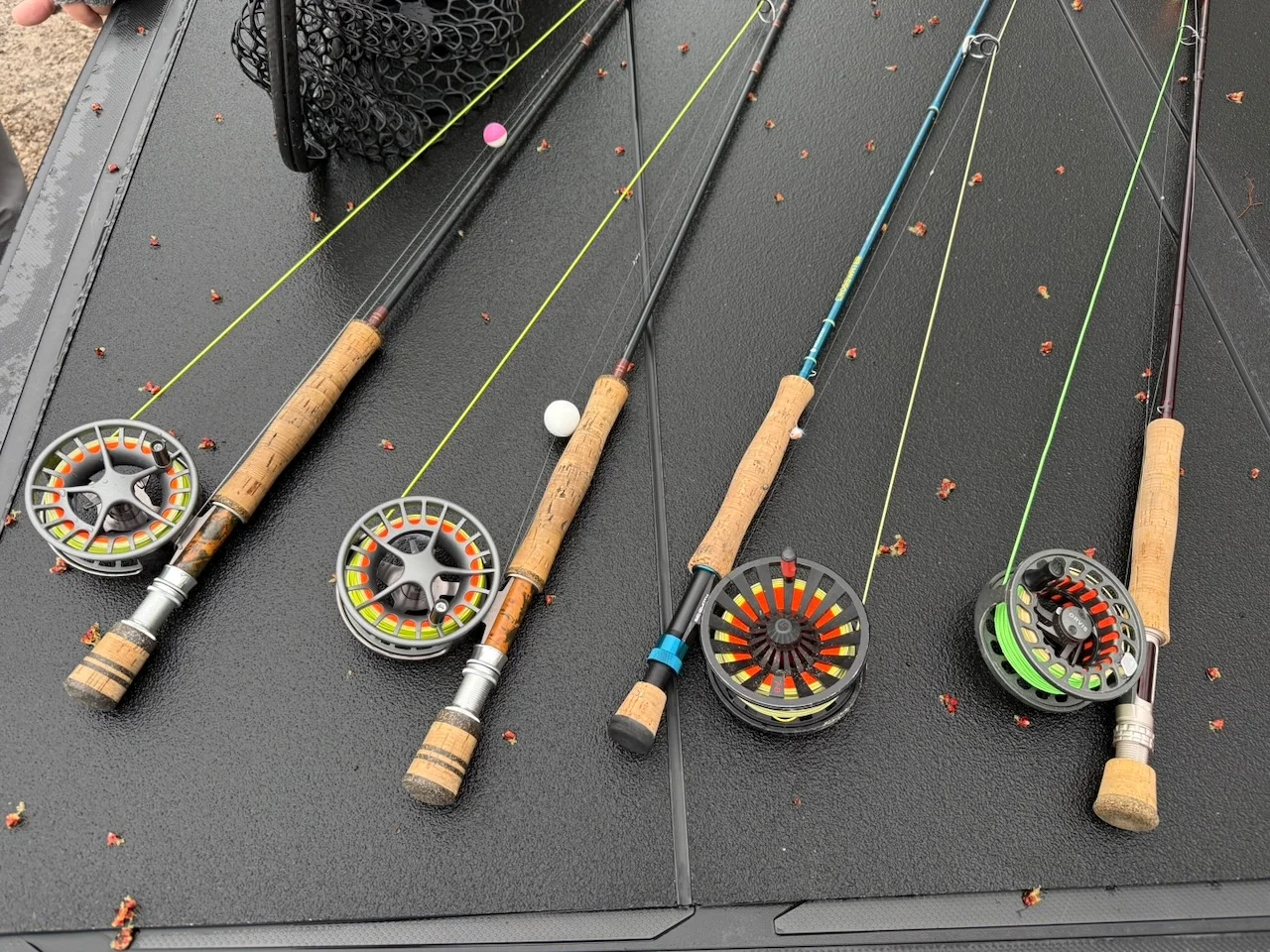
What Are the Best Colorado Waters to Fish During the 2026 Drought?
Our top choices for the best Colorado waters to fish during the 2026 drought are:
- Cache la Poudre River
- Tarryall Reservoir
- Eagle River
- South Platte River (Eleven Mile Canyon)
- Arkansas River (Pueblo Tailwater)
These fisheries remain productive because of their combination of high-elevation water sources, reservoir releases, strong insect populations, and healthy trout habitat. While many Colorado rivers may experience reduced flows and warmer temperatures, these waters often continue providing quality fly fishing opportunities throughout the summer.
Ideal water temperature range for trout
Check USGS gages before you go
| Waters | Type | Primary Trout Species | Key Hatches | Drought Resilience |
|---|---|---|---|---|
| Cache la Poudre River | Freestone River | Brown, Rainbow, Cutthroat | PMDs, Caddis | Moderate |
| Tarryall Reservoir | Stillwater | Rainbow, Cutthroat | Callibaetis, Chironomids | High |
| Eagle River | Freestone River | Brown, Rainbow | PMDs, Caddis, Terrestrials | Moderate |
| South Platte (Eleven Mile Canyon) | Tailwater | Brown, Rainbow | Midges, PMDs, BWOs | Very High |
| Arkansas River (Pueblo Tailwater) | Tailwater | Brown, Rainbow, Cutbow | Midges, Caddis, PMDs | Very High |
Find more extensive hatch charts and streams within the IdentaFly app.

1. Cache la Poudre River
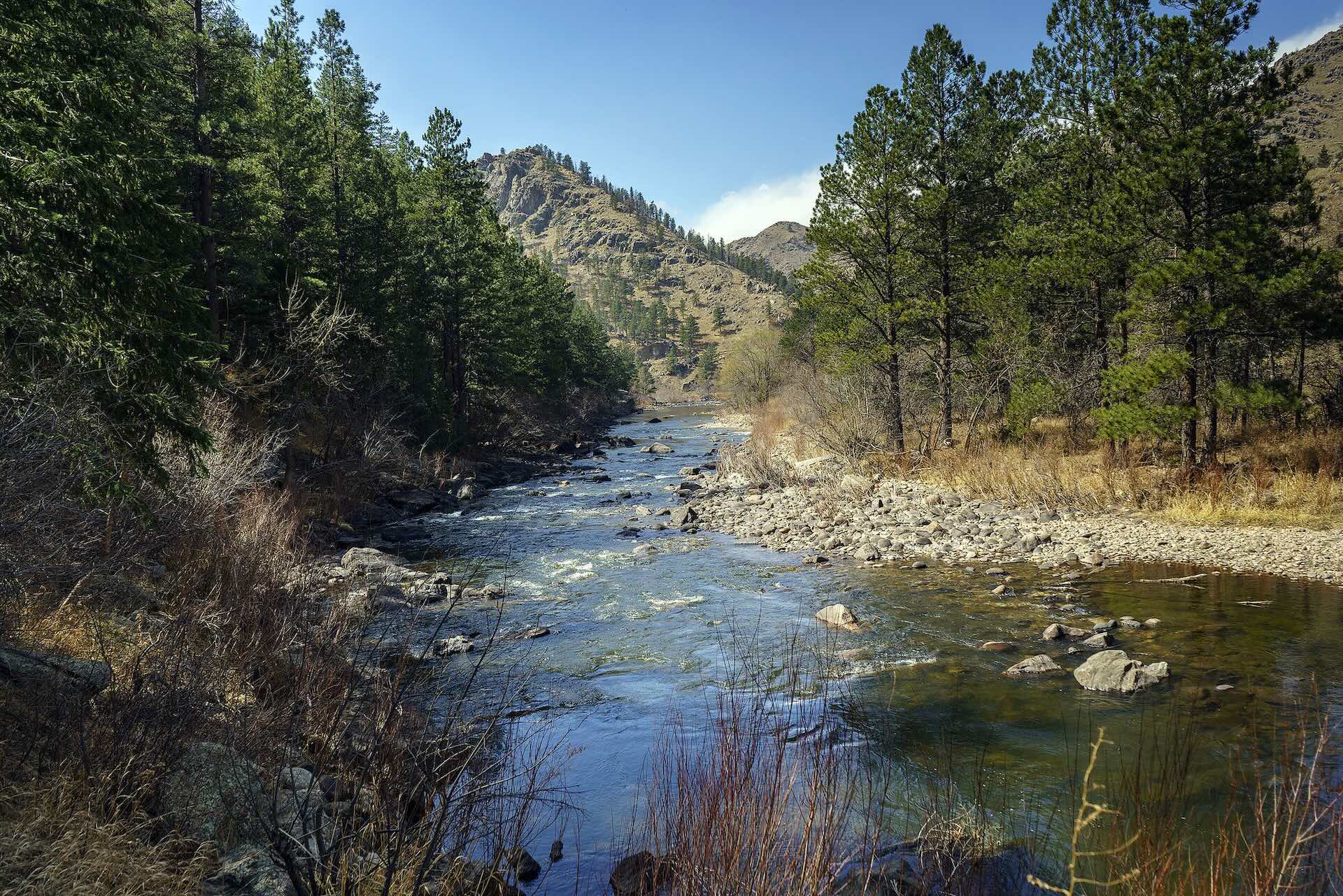
Location: Northern Colorado near Fort Collins
Drought resilience: Moderate
The Cache la Poudre River is one of Colorado's most iconic trout streams and remains one of the better options for anglers seeking Colorado fly fishing opportunities during drought conditions.
As Colorado's only designated Wild and Scenic River, the Poudre begins high in Rocky Mountain National Park before descending through the rugged terrain of Poudre Canyon. Along the way, it provides anglers with a remarkable diversity of trout water, including riffles, pocket water, deep runs, and plunge pools.
The river supports healthy populations of brown trout, rainbow trout, cutbows, and native Greenback cutthroat trout.
What makes the Poudre particularly appealing during drought years is its elevation. While lower sections can become warm later in summer, the upper reaches often remain fishable thanks to cooler temperatures and highly oxygenated water. The river's steep gradient and abundance of pocket water continue providing productive trout habitat even when flows fall below average.
Lower water can actually benefit anglers willing to adapt. Trout become concentrated in deeper runs, seams, and pockets, making them easier to locate and target.
Key summer hatches
- Pale Morning Duns (PMDs) — match with a Comparadun or Parachute Adams
- Caddis — an Elk Hair Caddis covers most summer evenings
- Yellow Sally stoneflies — a Stimulator in yellow or tan
- Ants, beetles, and other terrestrials
- Evening spinner falls
Dry-dropper rigs often shine here throughout summer, allowing anglers to cover fish feeding both on the surface and below.
Access is available throughout much of Highway 14 and Trail Ridge Road, making it easy to explore multiple sections in a single trip.
2. Tarryall Reservoir
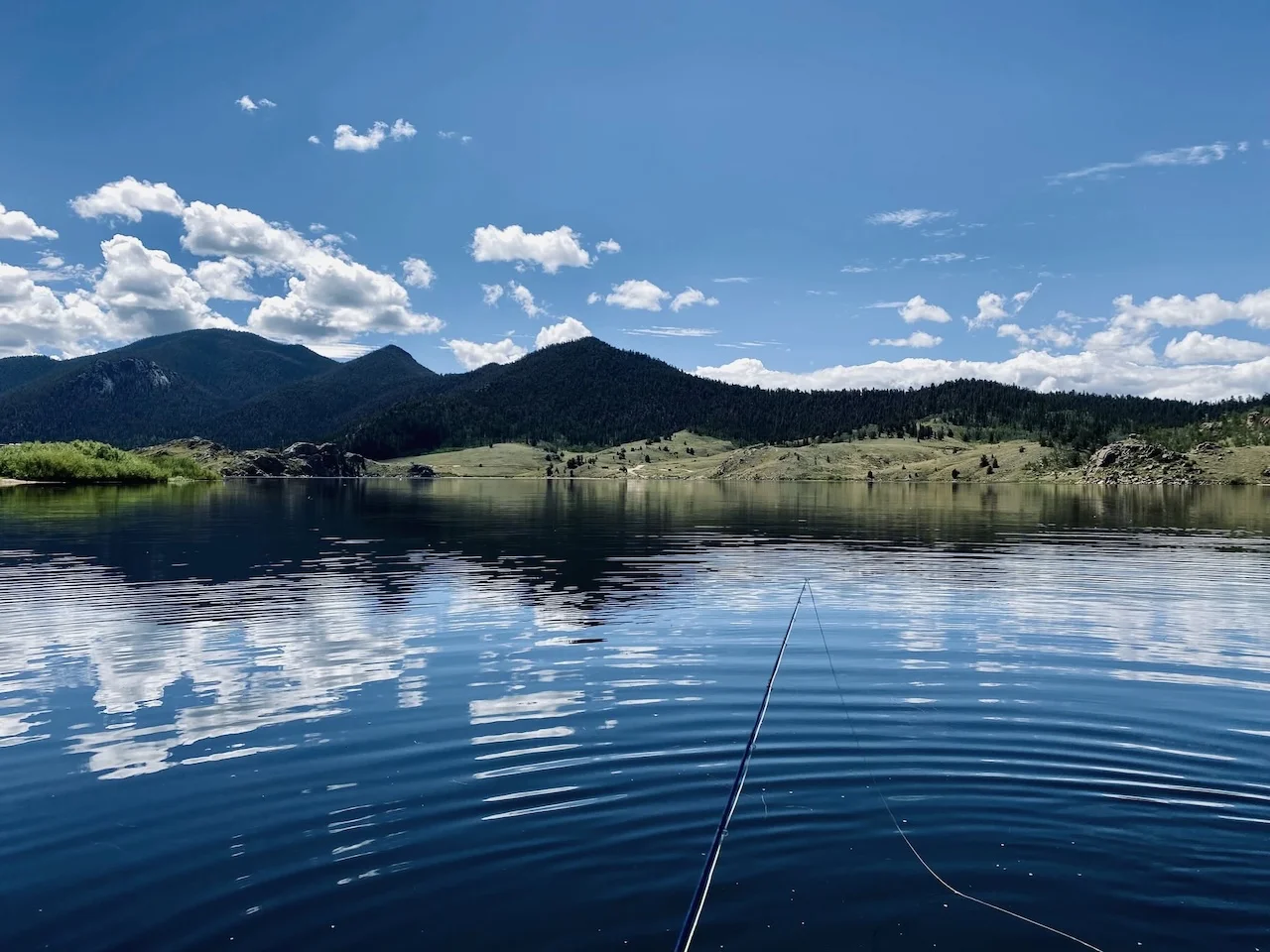
Location: South Park Region, Central Colorado
Drought resilience: High
When many Colorado rivers begin experiencing low flows and elevated temperatures, reservoirs often become some of the most reliable fisheries in the state — when they hold water.
Tarryall Reservoir is a strong stillwater option when shallower impoundments like Antero struggle.
Located in Colorado's scenic South Park region, Tarryall offers excellent stillwater fly fishing for rainbow and cutthroat trout while remaining productive throughout much of the summer.
The reservoir's relatively shallow profile encourages strong aquatic insect production, creating abundant feeding opportunities for trout. Unlike many rivers that become increasingly stressed during drought years, Tarryall often maintains stable conditions that continue supporting healthy fish populations.
For anglers looking for variety, northern pike also provide exciting opportunities.
Key summer hatches
- Callibaetis mayflies — a Callibaetis Spinner when fish are on spent adults
- Chironomids — bloodworm and pupa patterns in the morning
- Damselflies
- Midges
- Terrestrial insects
Success on stillwaters often comes down to understanding exactly what insects are active on a given day.
A trout feeding heavily on chironomids in the morning may switch to Callibaetis emergers by afternoon. Anglers who understand those transitions consistently outperform those who rely on guesswork.
Tarryall may not receive the attention of Colorado's famous rivers, but during drought years it can quietly produce some of the most consistent fishing in the state.
3. Eagle River
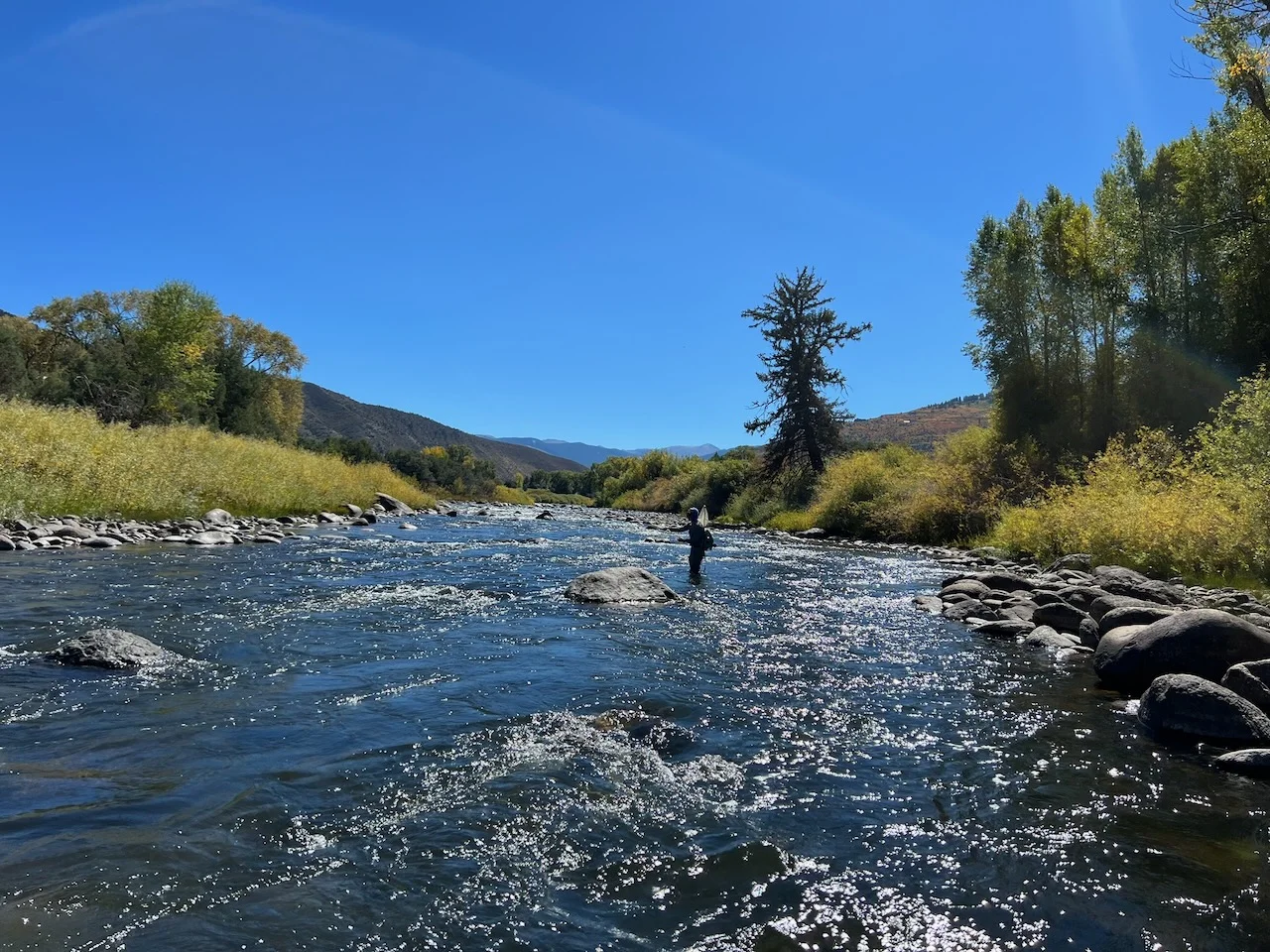
Location: Vail Valley, Central Colorado
Drought resilience: Moderate
The Eagle River has long been considered one of Colorado's premier trout fisheries.
Flowing through the heart of the Vail Valley before joining the Colorado River, the Eagle supports strong populations of brown and rainbow trout and offers a diverse mix of pocket water, riffles, runs, and pools.
Like most freestone rivers, the Eagle certainly feels the effects of drought. However, lower water levels often create opportunities as well.
Reduced flows concentrate trout into prime holding lies, making fish easier to locate. Clearer water can also create excellent sight-fishing opportunities for observant anglers.
Successful summer strategies
- Fish early mornings
- Focus on evenings
- Carry terrestrial patterns
- Use smaller nymphs such as a Pheasant Tail
- Fish streamers during low-light periods
Key summer hatches
- PMDs
- Caddis
- Grasshoppers, ants, and beetles
- Matching the hatch becomes increasingly important as flows drop and trout become more selective
Understanding which insects are currently active can often be the difference between a few fish and a truly memorable day. See How to Read a Hatch before you start changing flies.
4. South Platte River - Eleven Mile Canyon
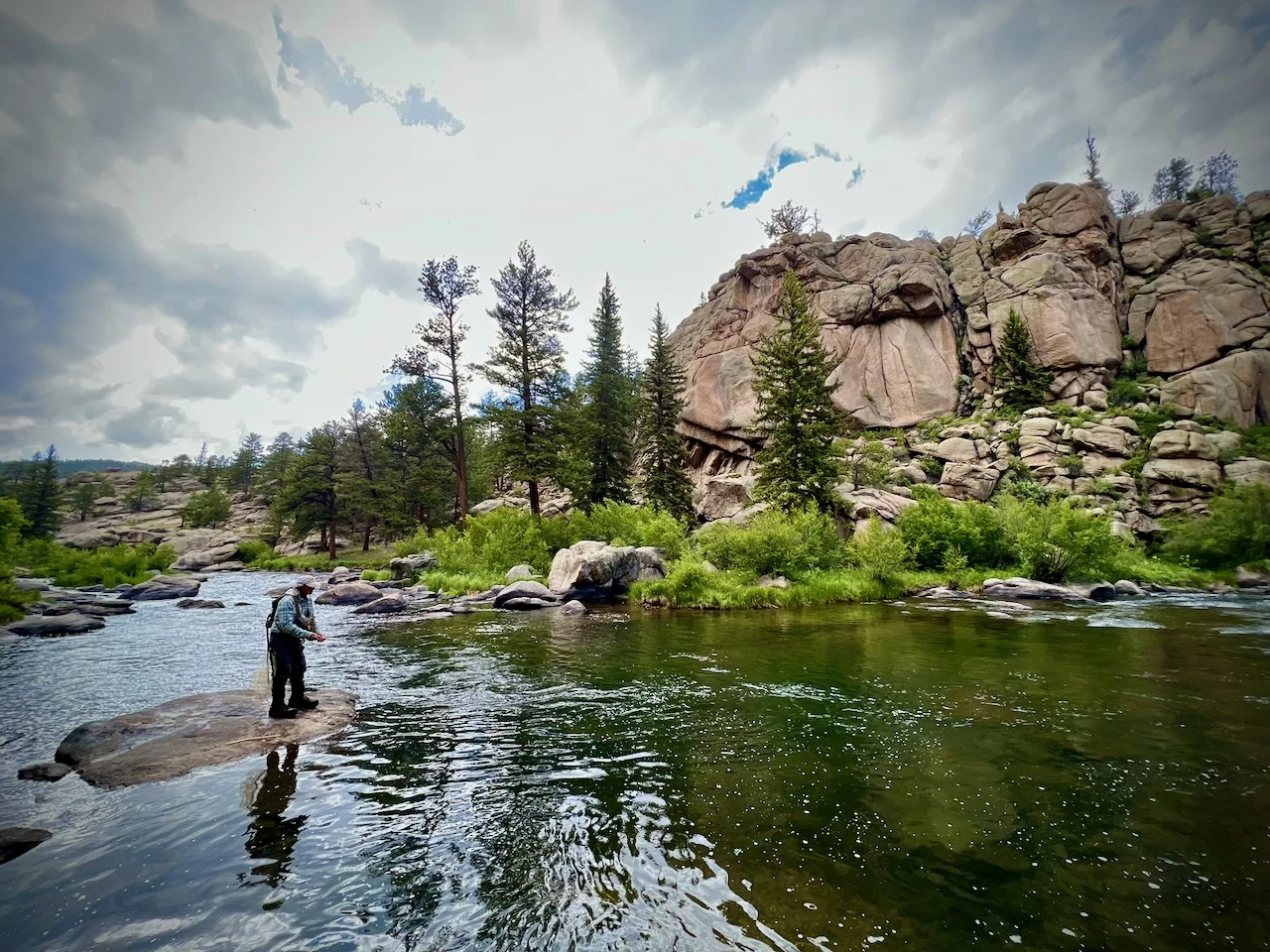
Location: South Park, Colorado
Drought resilience: Very High
When discussing Colorado tailwater fly fishing, Eleven Mile Canyon deserves a place near the top of the list.
Located below Eleven Mile Reservoir, this section of the South Platte benefits from controlled releases that help maintain consistent water conditions even during severe drought.
While many freestone rivers experience dramatic fluctuations in flow and temperature, tailwaters often remain among the safest bets for summer trout fishing.
The canyon itself offers spectacular scenery and highly technical fishing for wild brown and rainbow trout.
Key summer hatches
- Midges — year-round on tailwaters; carry an RS2
- Blue Wing Olives — a Sparkle Dun or Juju Baetis when fish are selective
- PMDs
- Caddis
- Small stoneflies
The top three miles operate under catch-and-release, flies-and-lures-only regulations and are especially popular among fly anglers.
Success here often comes down to presentation. However, understanding current insect activity remains critical. Trout feeding heavily on tiny BWOs or PMDs can become extremely selective.
Anglers who arrive knowing what is hatching gain an immediate advantage.
5. Arkansas River - Pueblo Tailwater
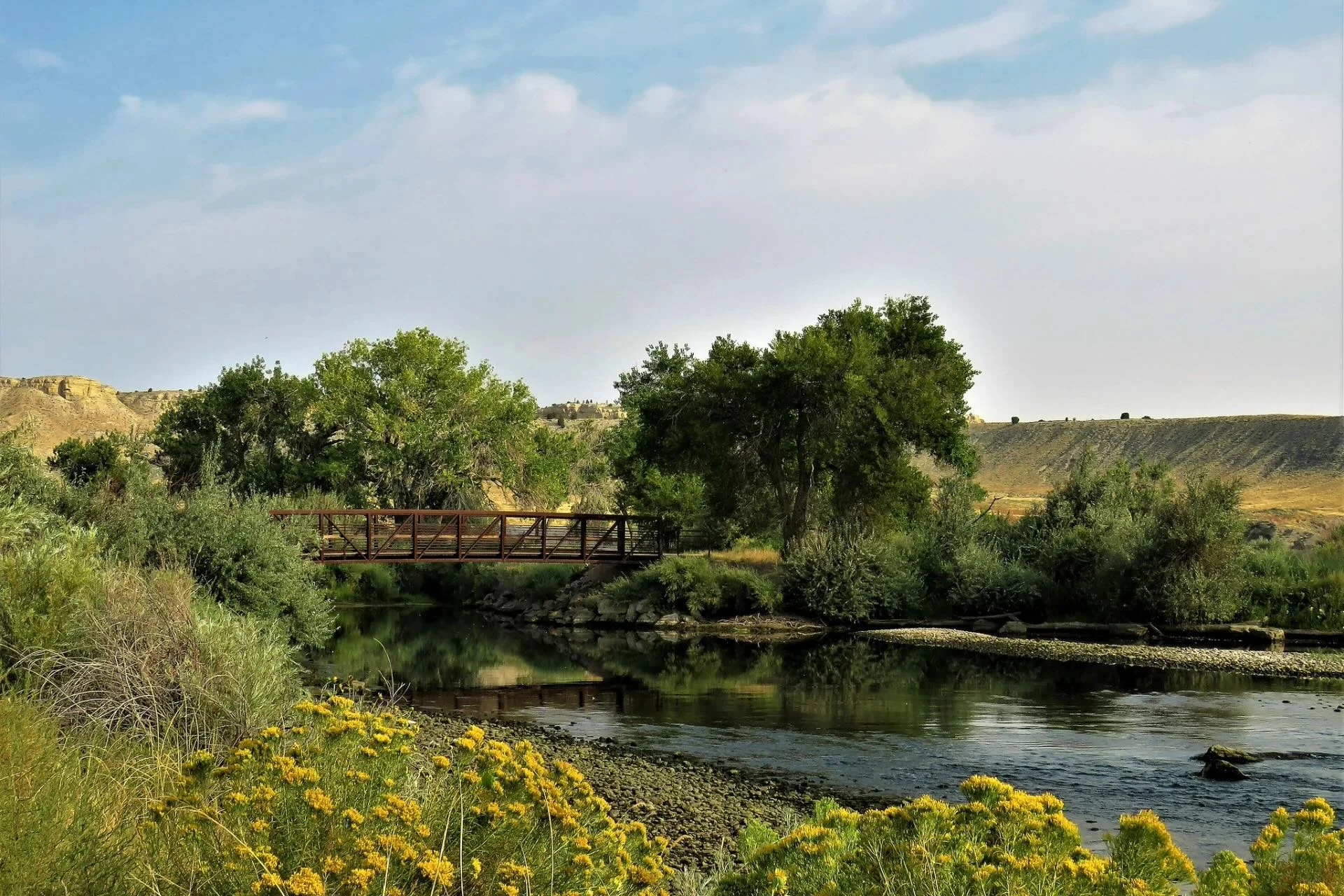
Location: Pueblo, Colorado
Drought resilience: Very High
The Arkansas River below Pueblo Reservoir may be one of Colorado's most underrated drought-year fisheries.
Many anglers focus their efforts farther upstream, leaving this productive tailwater relatively overlooked despite its ability to produce consistent fishing throughout much of the year.
Reservoir releases help maintain dependable flows and cooler water temperatures even when natural runoff declines significantly.
That stability is exactly what makes tailwaters so valuable during drought years.
Key summer hatches
- Midges
- Caddis — Elk Hair Caddis and Caddis Sparkle Pupa
- PMDs
- Blue Wing Olives
- Aquatic worms
This section supports rainbow trout, brown trout, and cutbows while providing opportunities for fish larger than many anglers expect.
Nymphing remains productive throughout much of the season, but anglers should not overlook dry fly opportunities during active hatches.
One of the biggest mistakes visitors make is assuming the Pueblo Tailwater fishes exactly like other sections of the Arkansas River. Seasonal timing, insect activity, and trout behavior can differ significantly.
Those who adapt to local conditions often enjoy some of the most consistent fishing in the state.
Let the Bugs Tell You Where to Fish
Drought changes river conditions, but it does not change a trout's need to eat.
The anglers who consistently find success during difficult water years are rarely the ones chasing yesterday's reports. They are the anglers paying attention to what trout are feeding on right now.
Whether you're fishing the Poudre, exploring Tarryall Reservoir, targeting trout on the Eagle River, matching hatches in Eleven Mile Canyon, or nymphing the Pueblo Tailwater, accurate hatch information remains one of the most valuable tools you can have.
That is exactly why IdentaFly exists.
Before your next Colorado fly fishing trip, visit the dedicated pages for each of these fisheries within IdentaFly. You'll find current hatch information, insect identification tools, recommended fly patterns, and stream-specific fishing tips designed to help you spend less time guessing and more time catching fish.
Even during one of Colorado's toughest water years, there are still plenty of opportunities waiting for anglers who know where to go — and what the trout are eating.
Related: Matching the Hatch · Flies & Tying for the Hatch
Frequently Asked Questions About Colorado Fly Fishing During Drought
Is fly fishing still good in Colorado during drought conditions?
Yes. While some rivers experience reduced flows and warmer temperatures, many tailwaters, reservoirs, and high-elevation fisheries continue producing quality trout fishing throughout the summer.
What are the best Colorado rivers to fish during drought?
The Cache la Poudre River, Eagle River, South Platte (Eleven Mile Canyon), and Arkansas River (Pueblo Tailwater) often remain among the most reliable options during dry years.
Why are tailwaters better during drought?
Tailwaters receive controlled releases from reservoirs, helping maintain stable flows and cooler water temperatures even when natural runoff is reduced.
What insects should Colorado fly anglers expect during summer?
Common summer hatches include PMDs, caddis, Blue Wing Olives, midges, Callibaetis mayflies, stoneflies, and various terrestrial insects such as ants, beetles, and grasshoppers.
How can anglers improve success during drought conditions?
Fish early and late in the day, focus on cooler water, monitor water temperatures on USGS gauges, and pay close attention to current insect activity and hatch timing.