The Water Is Out There
The United States has somewhere north of 200,000 miles of fishable trout streams. Add the lakes, reservoirs, and stillwaters and the number becomes essentially uncountable. Cold, clean water running through mountains and canyons and meadows and old-growth forest, holding wild fish, most of it publicly accessible to anyone willing to show up.
Trout live in beautiful places. That's not an accident — they require clean, cold, well-oxygenated water, which tends to exist in landscapes that haven't been ruined yet. A river healthy enough to hold a good population of wild trout is almost always a river worth standing in for reasons that have nothing to do with catching fish. The fishing is the reason to go. The place is the reason to come back.
Finding new water requires going outside your comfort zone — geographically, technically, and in terms of what you expect a fishing day to look like. A tailwater in New Mexico fishes nothing like a freestone river in the Appalachians. Stillwater fishing for cruising cutthroats in a high-elevation reservoir is almost a different sport from nymphing a canyon tailwater. Alaska is a category unto itself. The angler who branches out discovers not just new fish but new skills, new approaches, and a broader understanding of what fly fishing actually is.
This guide is organized around regions. Not ranked — there's no best place to fly fish, only the right place for what you're looking for right now. Use it as a starting point, then go find out for yourself.
What We've Learned Fishing Different Water
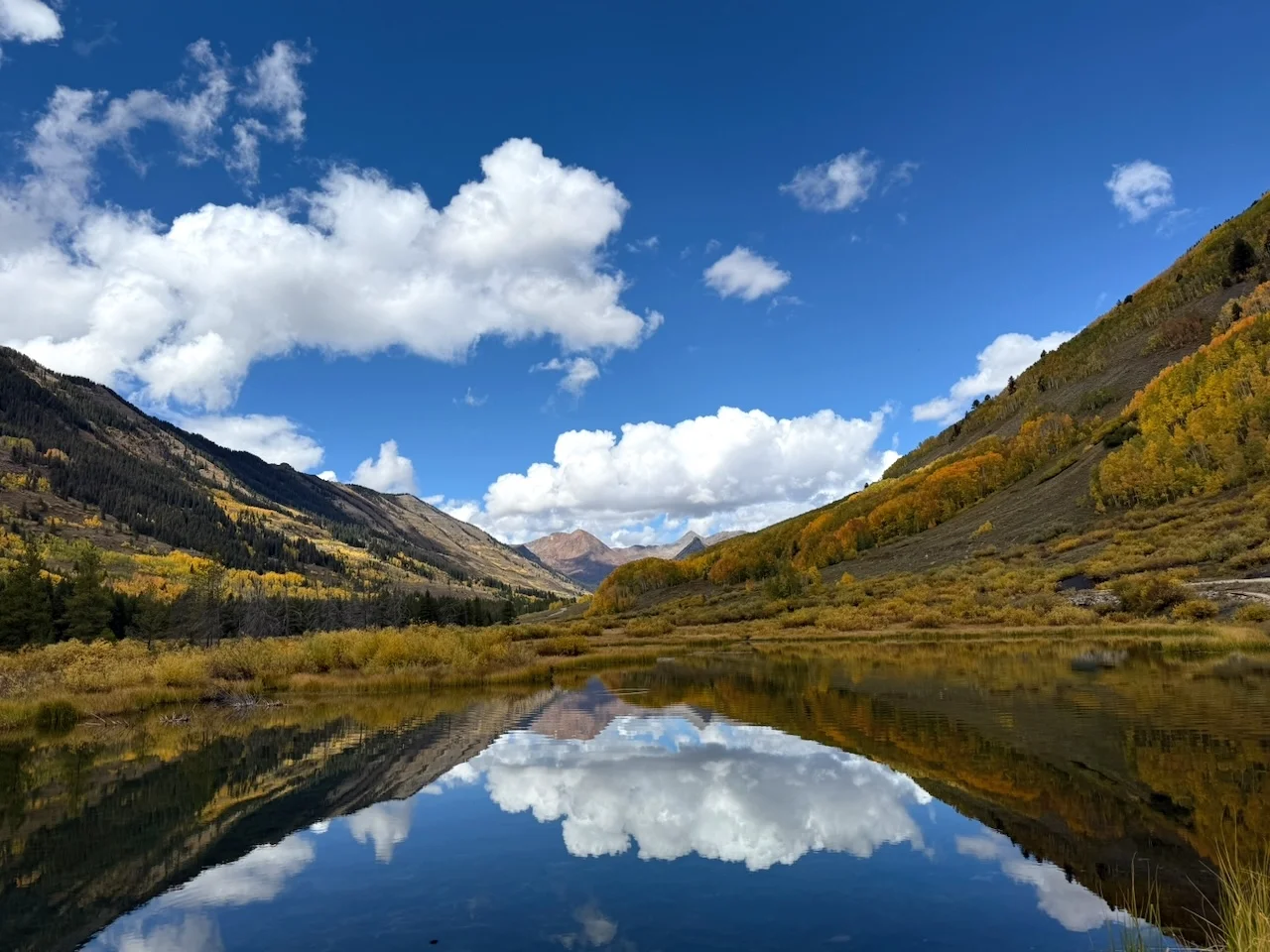
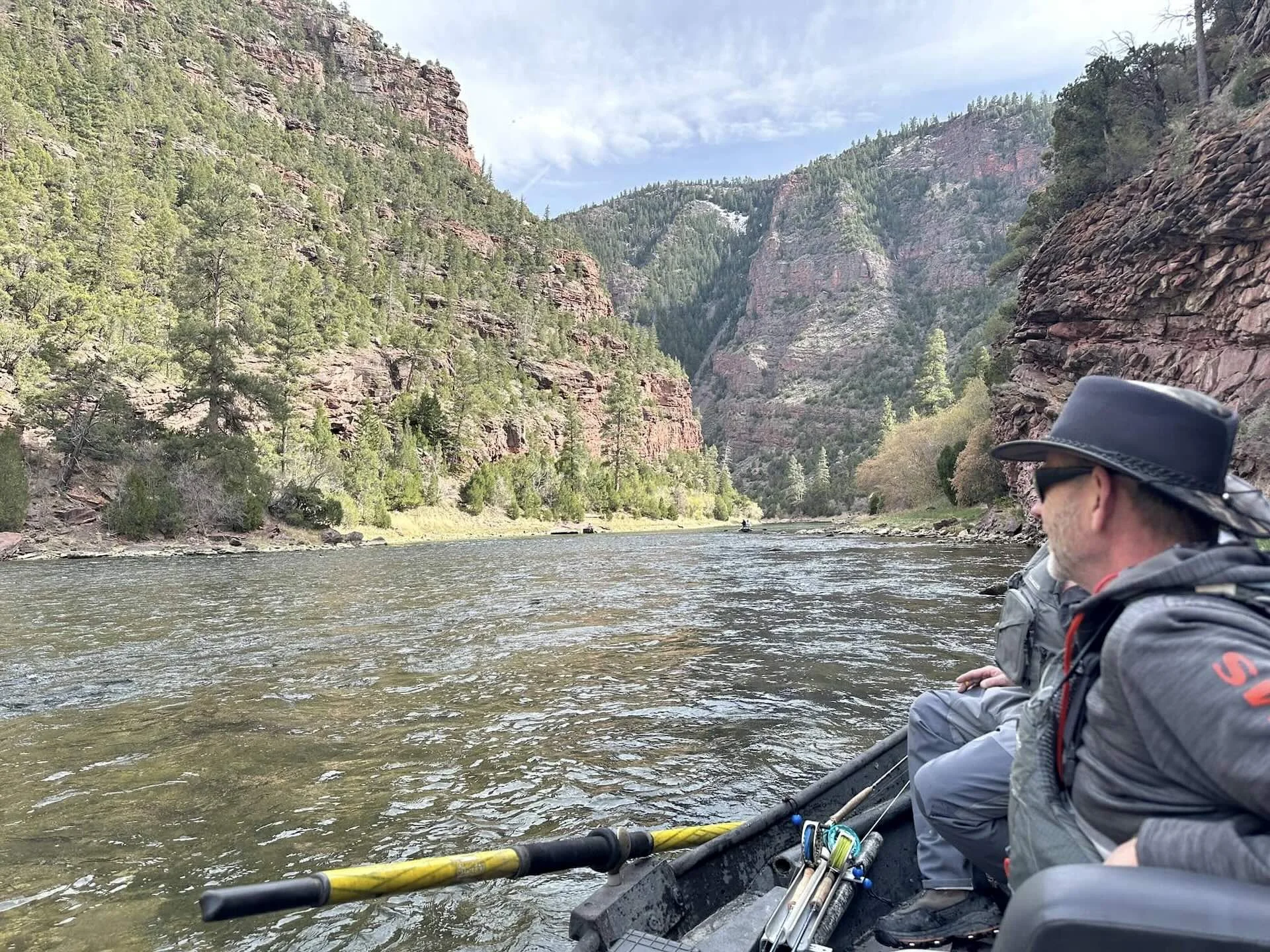
The IdentaFly team has put in a lot of miles. Our co-founder grew up along the Green River in Utah, which means he has the kind of relationship with that water that visiting anglers spend years trying to develop. The Green below Flaming Gorge Dam is something specific: water so clear you can watch individual fish holding in eight feet of river, track your fly's drift from above, watch a trout decide. The hatches are dense and reliable, the fish are large and educated, and the technical dry fly fishing it demands is as good a classroom as exists in the West. It recalibrates your expectations in a way that's hard to undo.
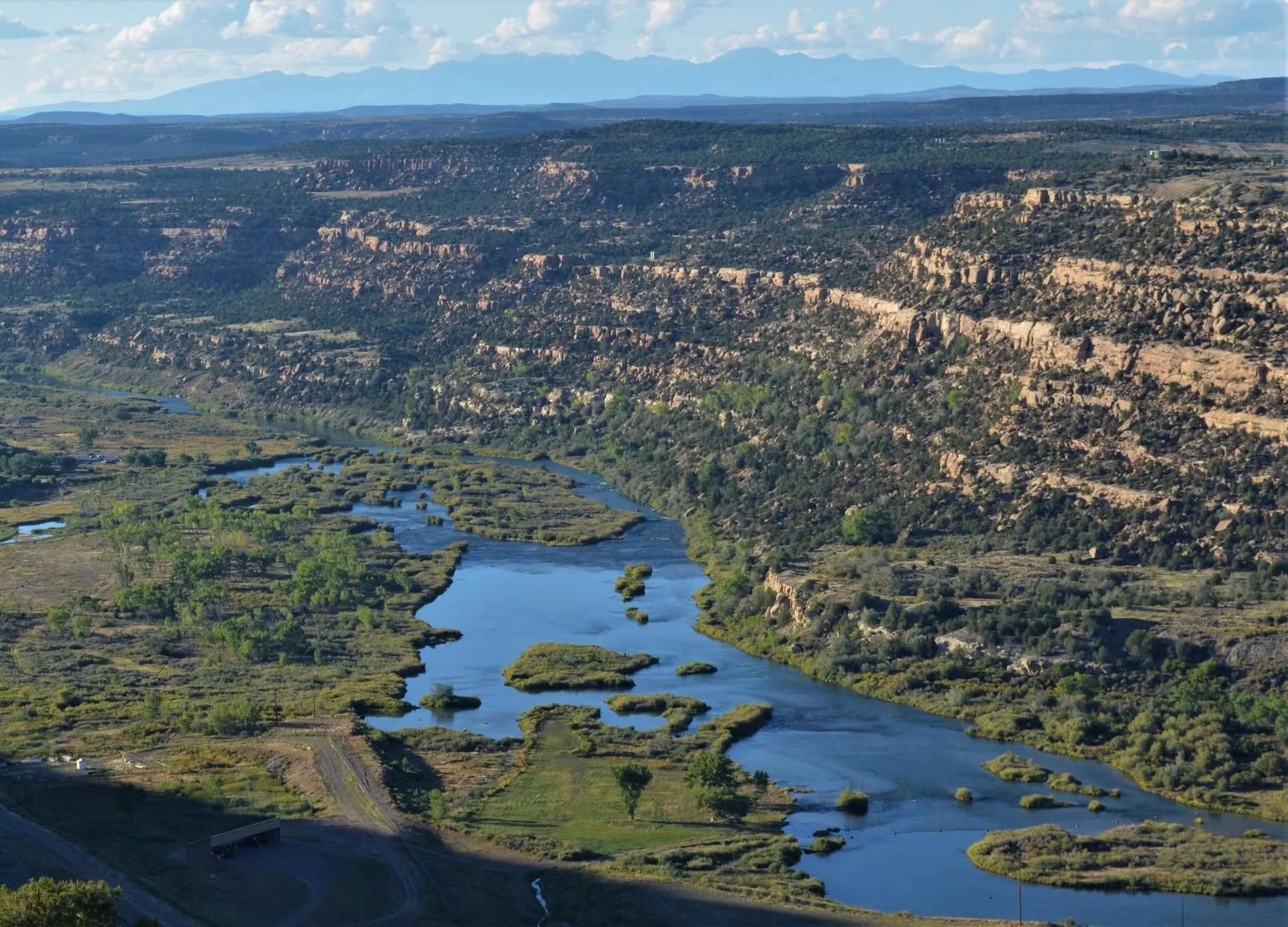
The San Juan River in New Mexico is an annual tradition for our local fly fishing club, the High Plains Drifters. Every spring a group of us makes the drive south from Colorado, and every spring the San Juan delivers — consistent flows from Navajo Dam, cold clear water, and a midge and BWO fishery that produces twelve months a year. The fish are big, the presentations are technical, and at this point the trip is as much about the group as the fishing. That's its own kind of reason to keep going back. That being said: it is a challenging fishing water. What worked last year may not work the next time you go. Call the shop and ask for the latest intel.
Gray Reef on the North Platte in Wyoming is another regular stop, usually after the spring flush clears and the river drops into shape. A note for anyone planning a 2026 trip: the regulations changed significantly at the start of the year. Pegged attractors are now prohibited at Grey Reef and Fremont Canyon, single-point barbless hooks are required throughout, and there's a new spawning closure from April 1 through May 15 downstream of Ledge Creek. If the peg-and-egg setup was part of your Grey Reef game, it's time to build a new one. The fish haven't gone anywhere. The regulation change is a conservation step worth understanding before you show up.
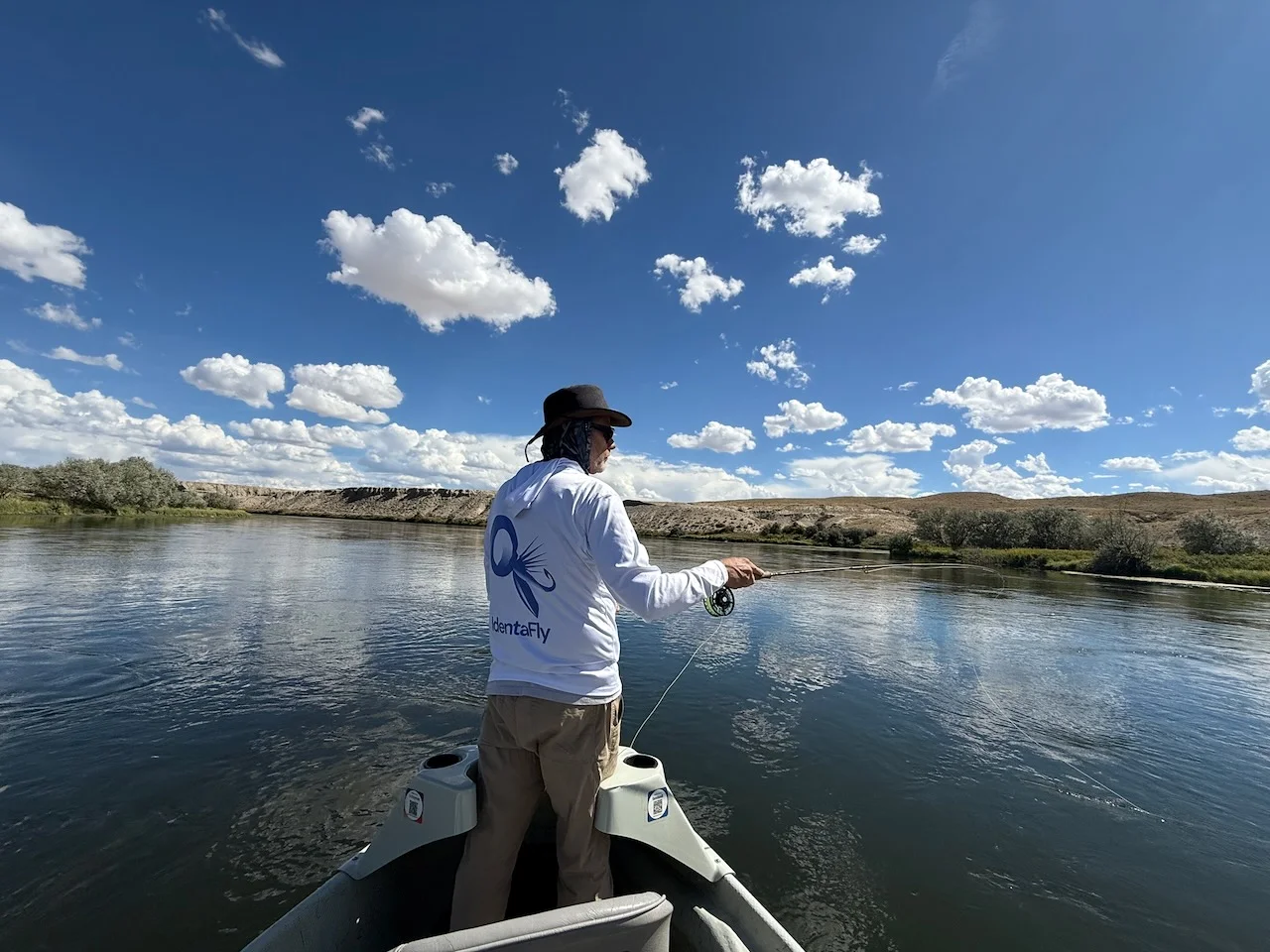
Our Home Water: The Upper Colorado
We keep coming back to the Upper Colorado for the same reasons we keep coming back to any water we know well — because knowing it keeps revealing new things.
In spring there's a short window, often just a week or two, when the stoneflies come off before runoff blows the river out. It's usually our first dry fly fishing of the year, which gives it a weight out of proportion to what it is. The fish are hungry, the bugs are big, and the fact that the river is about to blow out for a month makes those days feel borrowed. We fish them hard.
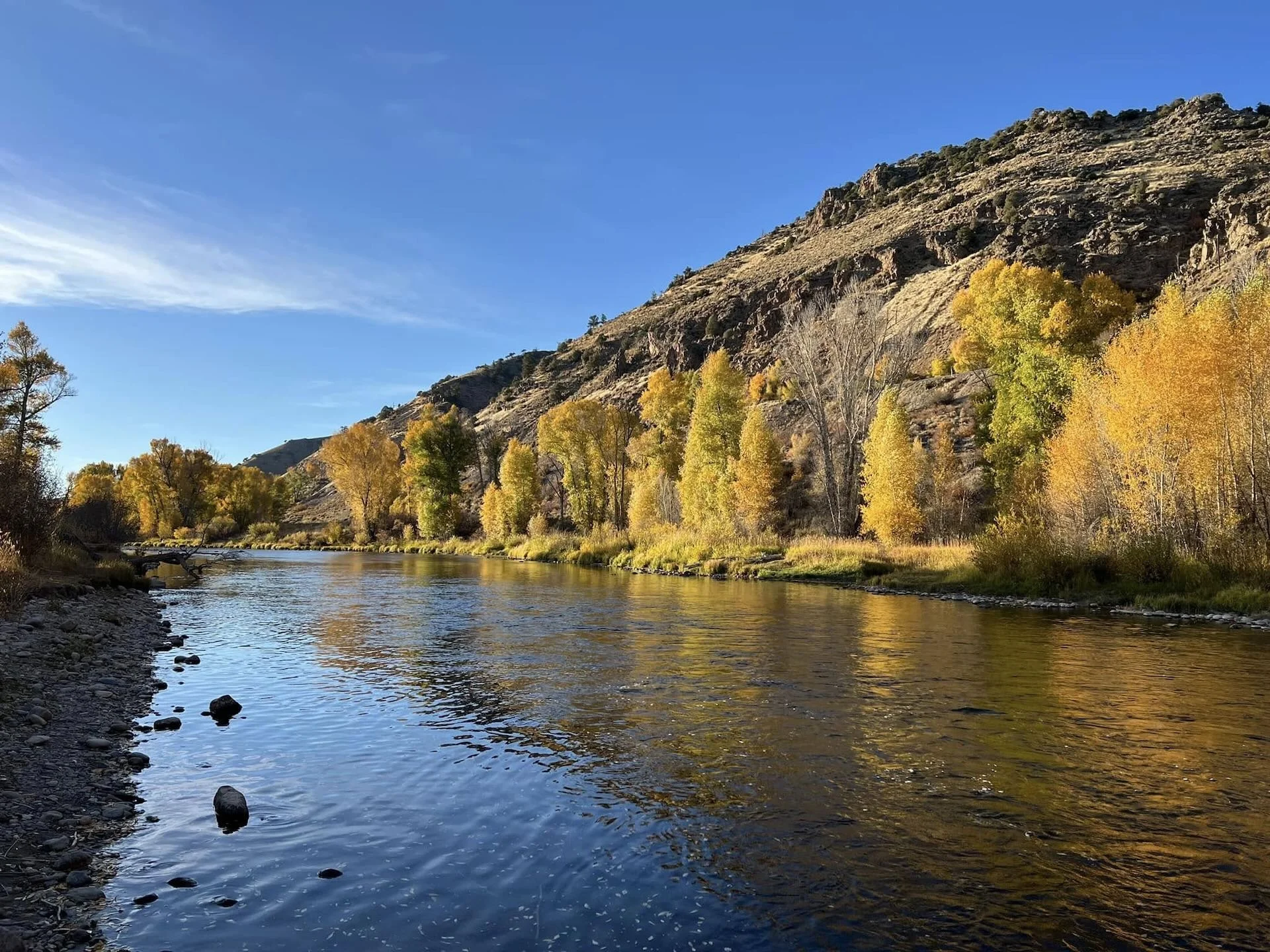
Fall is a different river entirely. Flows settled, crowds gone, the canyon walls turning color in a way that makes it hard to keep your eyes on the water where they belong. Pre-spawn brown trout are aggressive and territorial, and a streamer thrown through the right water finds fish you won't touch any other time of year. Chunky, beautiful fish in cold water with nobody else around. It's the best version of the river, and it's the version most people miss because they've already moved on to other things by October.
What the Flood Year Taught Us
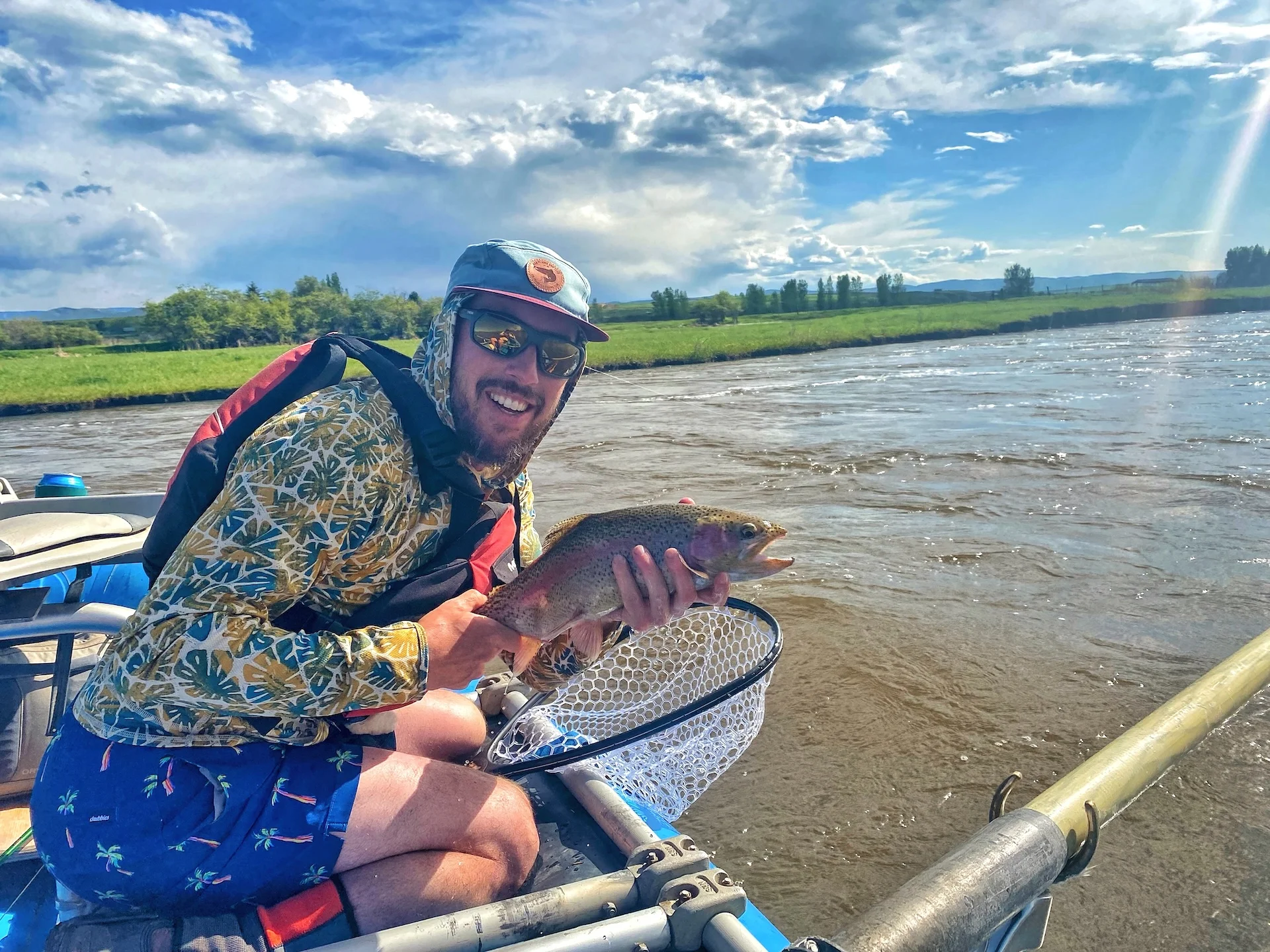
In the spring of 2023 we floated the Yampa River in northwestern Colorado during a high-water year. The Yampa was running well above fishable by any conventional measure — brown and fast and loud. Not a nymphing day. Not a dry fly day.
It was, as it turned out, a great day.
The Yampa through Yampa River State Park outside Hayden is a beautiful stretch of river in the best of conditions — open valley, good access, chunky rainbow trout. At flood stage it had an energy that a well-behaved river at ideal flows doesn't produce. The fish were stacked in every slack pocket and eddy, eating streamers thrown tight to the bank with the kind of aggression that comes from fish that have nowhere else to go. We fished hard and went home tired and came back with a different understanding of what high water actually means.
The lesson wasn't that flooded rivers are good fishing. The lesson was that conditions you'd normally drive past are sometimes the ones that teach you the most.
On Stillwater
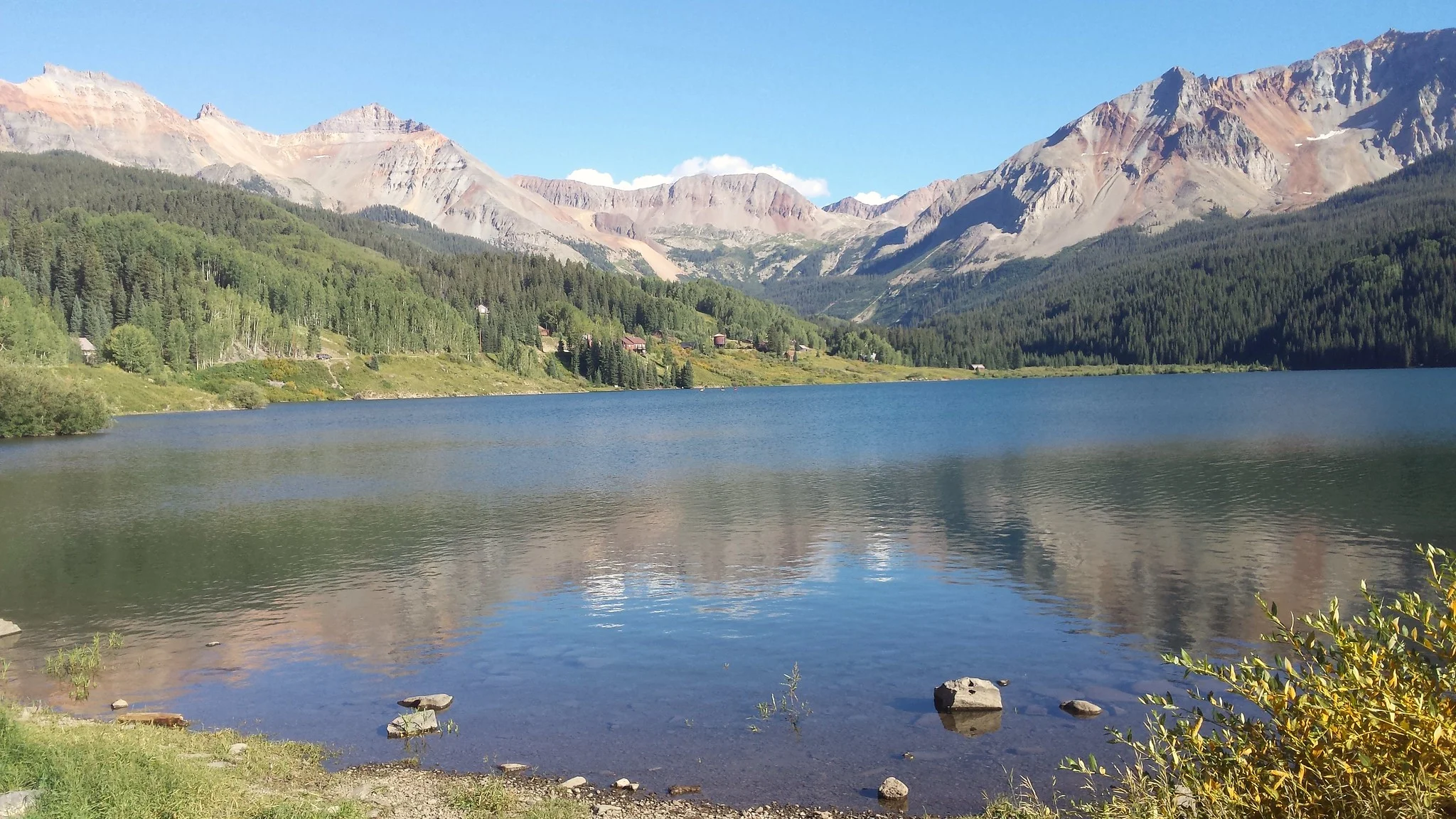
Every region in this guide has lakes and reservoirs worth fishing. Most fly anglers walk past them to get to the river.
During runoff — when most freestone rivers in the West are running high and off-color and unfishable — the stillwaters nearby are often going quietly about their business, holding trout that are actively feeding and largely undisturbed. High-elevation lakes stay cold when the rivers below are stressed by summer heat. Reservoir fishing during the right conditions, with cruising fish working the shallows, is as visually exciting as anything a river produces.
Stillwater fishing requires a different approach — reading water without current, understanding how fish move and feed in open water, fishing slower and covering less of it. The hatches differ too: Callibaetis mayflies are a classic stillwater event — slow emergences over weed beds and marl flats through midday, often followed by spent-wing spinner falls on calm evenings. You will find them on rivers occasionally, but lakes and reservoirs are where Callibaetis reliably drive surface feeding. The Colorado drought fishing guide covers a great stillwater option that holds up when the rivers don't. They're worth knowing regardless of whether drought is the reason you're there. Additionally, you can target different kinds of fish on stillwaters that you cannot find on rivers and streams.
Water Type Is the First Filter
Before you start researching specific rivers, understand the water type you're looking for. It matters more than the name on the map.
A tailwater fishes like a tailwater whether it's in Colorado, Montana, or New Mexico — regulated flows from a dam, consistent cold temperatures, technically demanding presentations, large educated fish. The Green River in Utah, the Bighorn in Montana, the San Juan in New Mexico, and the South Platte below Cheesman Canyon in Colorado all share more in common with each other than any of them share with a nearby freestone river.
A freestone river fishes like a freestone river wherever it is — subject to runoff, dependent on snowpack and rainfall, with fish that move seasonally and respond to changing conditions. Knowing what kind of day you want — technical presentations to selective fish, or covering water and reading structure, or chasing a specific hatch event — tells you what water type to look for. Region narrows it from there.
How to Use This Guide
The regional pages that follow are organized by geography. Each region has its own character, dominant water types, hatch calendar, and access considerations. Some regions we know well from years of fishing them. Others we know through IdentaFly's data — water conditions, hatch timing, fish reports from anglers who've been there recently.
Three things that hold across all of it:
- Check conditions before you leave. Flow, temperature, recent weather on any unfamiliar water. A river that was fishing well last week may not be today, and the drive is long either way.
- Call the local shop. A shop that was on that water yesterday has information no app or article can produce. Use both, in that order.
- Be willing to adjust. The Yampa wasn't supposed to be a high-water streamer day. It was, and it was better for it. The best days on unfamiliar water almost always involve abandoning the original plan.
The water is out there. Most of it is public, most of it is accessible, and most of it is underutilized by anglers who haven't made the drive yet.
Start with the region closest to you. Then go further.