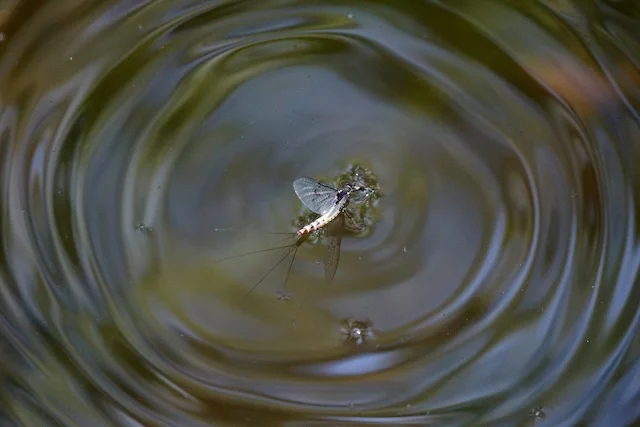
Seasonal feeding patterns: how a trout stream changes through the year
Trout respond to water temperature, dissolved oxygen, daylight, and flow more than to the date on a calendar. The same riffle can hold fish in different parts of the column from one month to the next, and the insects on the surface are rarely accidental—emergence is timed to degree-days and substrate. What follows is a framework for cool-water trout streams in temperate North America; shift dates and emphasis for tailwaters, spring creeks, and latitude.
Why read the season and not just the hatch chart
Cold water carries more oxygen for a given flow, but it also slows digestion and narrows the band where trout will chase food. Warm water speeds metabolism until thermal stress sets a ceiling—often somewhere in the high 60s °F for many wild trout fisheries, though exact tolerance varies by strain and river. Spring snowmelt and summer thunderstorms change clarity and depth; fish slide to banks, drop into slots, or push into faster water when turbidity hides them from birds. None of this is universal: elevation, dam releases, and drought move the calendar.
Winter
Water temperature: 32–45°F
Fish metabolism: Slow; takes can be subtle
Primary food sources: Midges (larvae and pupae), small mayfly nymphs, general nymph and midge drift
Fish often concentrate in the slowest, deepest water they can use without starving—current that felt comfortable in October costs too much in January. Nymphing is usually a game of depth, slack control, and small flies in natural colors rather than loud attractors.
Midges still hatch in winter, especially on calm afternoons when the surface film warms slightly. Rises can be easy to miss: small dimples, rhythmic but not explosive. Match stage carefully—fish glued to a thin midge film are rarely looking for a size 12 attractor dry.
Early spring
Water temperature: 40–55°F, generally rising
Fish metabolism: Climbing with water temperature
Primary food sources: Midges; early Baetidae (blue-winged olive types on many waters); stonefly and mayfly nymphs on the bottom
As ice leaves and days lengthen, fish spread out of winter holding water and feed more in riffles and seams. The first reliable surface action is often Baetis-class mayflies on gray, mild days. Large stonefly nymphs remain an honest search pattern in heavy runs because they crawl year-round.
Runoff from rain or snowmelt spikes flow and color on freestones; fish move to softer edges, inside bends, and behind structure where they can feed without fighting main current. Tailwaters and spring-fed streams stay clearer when freestones are blown—useful to know when planning, not a value judgment on either type of water.
Spring
Water temperature: 50–65°F
Fish metabolism: Strong; sustained feeding is common
Primary food sources: Caddis, mayflies (including BWOs and summer species as the thermometer climbs), stoneflies where the habitat supports them, early PMDs and related ephemerellids in their window
After flows stabilize and temperatures sit in the low-to-mid 50s °F and above, insect diversity increases and fish metabolize efficiently. Evening caddis can carry fish from emerger-focused feeding to adult patterns in the same session. Watch both the surface and the first few inches below it.
Early summer
Water temperature: 55–68°F
Fish metabolism: High
Primary food sources: PMDs and other summer mayflies where they occur; drakes on timed waters; golden stones and salmonflies on suitable freestones; caddis; larger trout on nymphs, juveniles, and streamers
Long daylight stacks opportunities: morning spinner debris, midday nymph movement, afternoon surface activity. Terrestrials matter once bank vegetation is warm—wind and clumsy landings put ants and beetles on the water regardless of a formal “hatch.”
Midsummer
Water temperature: 65–75°F (upper end stressful for many trout)
Fish metabolism: High only while water stays cool enough
Primary food sources: Tricos and other small mayflies at first light; terrestrials when the sun is on the grass; sculpin and baitfish patterns in low light
Warm surface layers, shallow glides, and afternoon sun can push temperatures past what trout handle well for long fights. That is why many anglers fish early and late: cooler water, lower light, and prey that also moves at those edges. Midday can still work in riffles, spring influence, or shade—especially if you read actual water temperature, not air temperature.
If hooked fish struggle to upright themselves in warm, slack water, stopping is the conservative call. Oxygen drops as temperature rises; extra stress from a long fight stacks on top of that.
Fall
Water temperature: 45–60°F and falling
Fish metabolism: Strong pre-winter feeding
Primary food sources: Autumn mayflies (often Baetidae again), terrestrials early in the season, baitfish; large streamers for browns near structure
Cooling water often brings mayfly activity back after a dull August. Brown trout in many systems show more territorial behavior before spawning; streamers along banks and wood can draw strikes without a hatch. Not every fish participates—some stage with little interest in flies—so cover water and read each fish.
Before you fish: a short checklist
Gauge or local flow data: is water rising, falling, or stable, and is clarity fishable? On the water, measure temperature in the main current you intend to fish. Match depth and drift to the season—winter rewards slow, deep drifts; spring and fall may let you work shallower seams; midsummer may shrink the worthwhile window to cool mornings and evenings.
The insect articles in this pillar go deeper on identification and patterns; use them to connect what you see in the seine or on the bushes to what should be on the water in a given month. And while you are on the water, you can use the Hatch Forecast on the IdentaFly app to help give you visual clues as to what you might be seeing, what flies to tie on, and the water conditions.