Colorado River - Upper
CO
•
Tailwater
About Colorado River - Upper
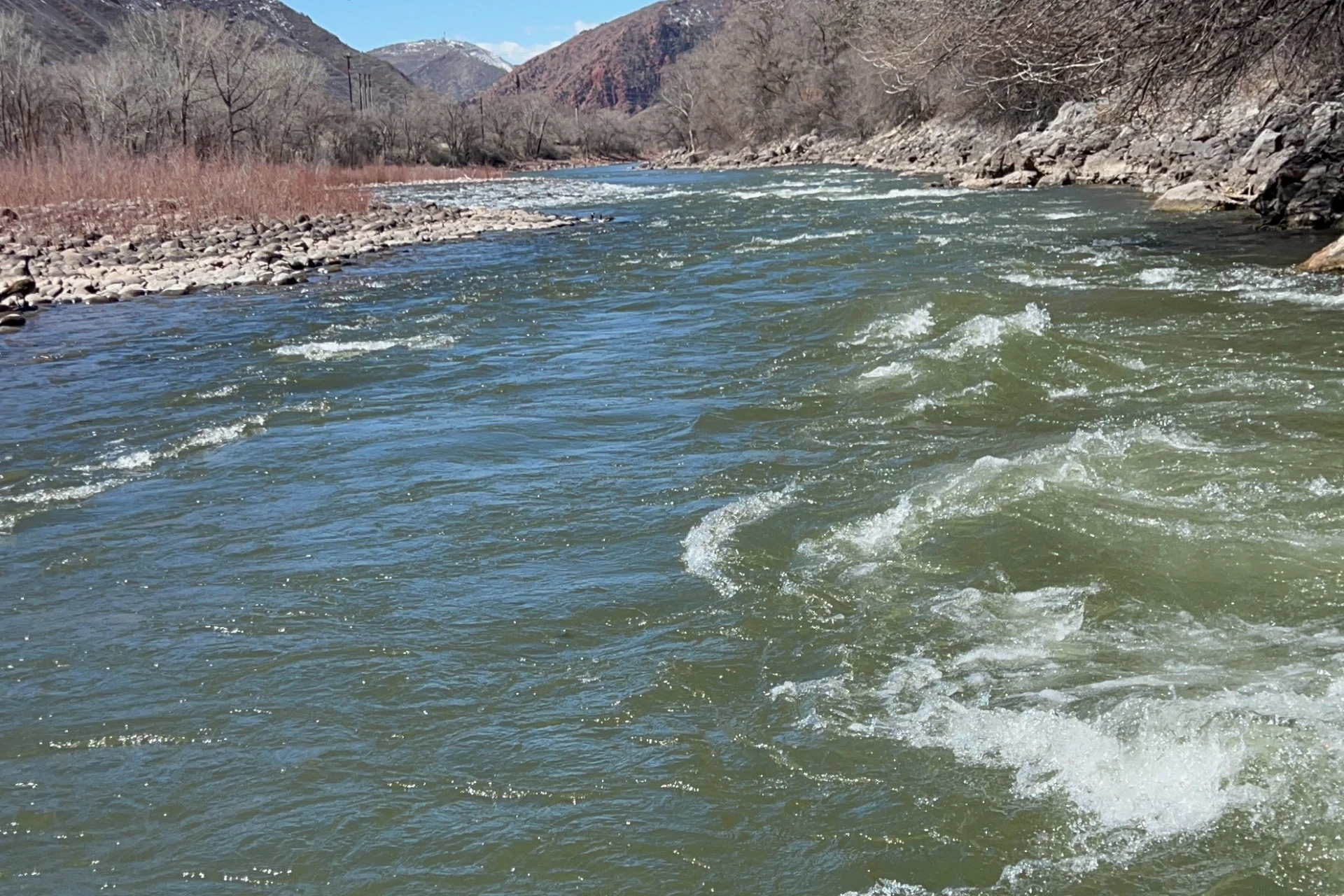
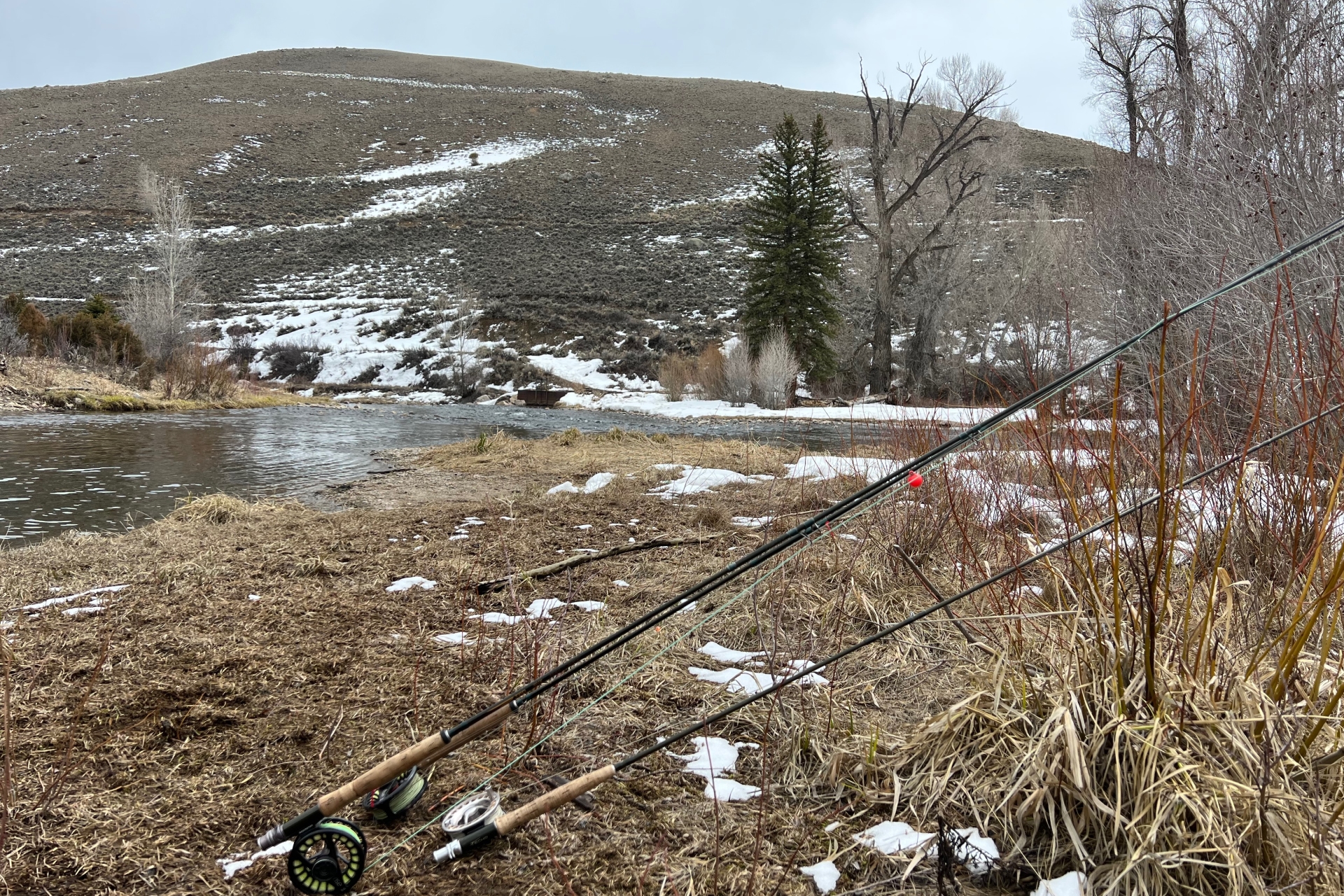
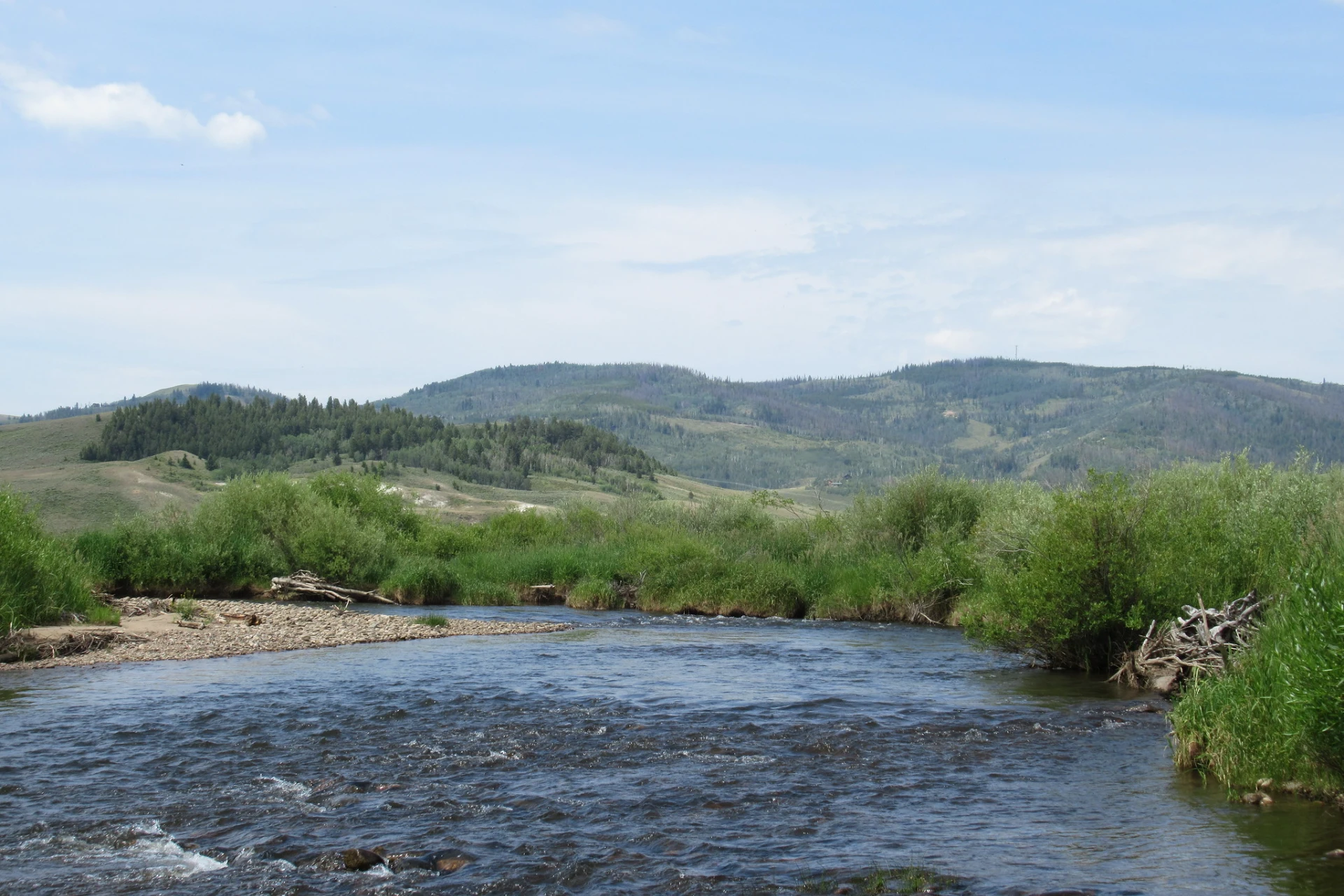
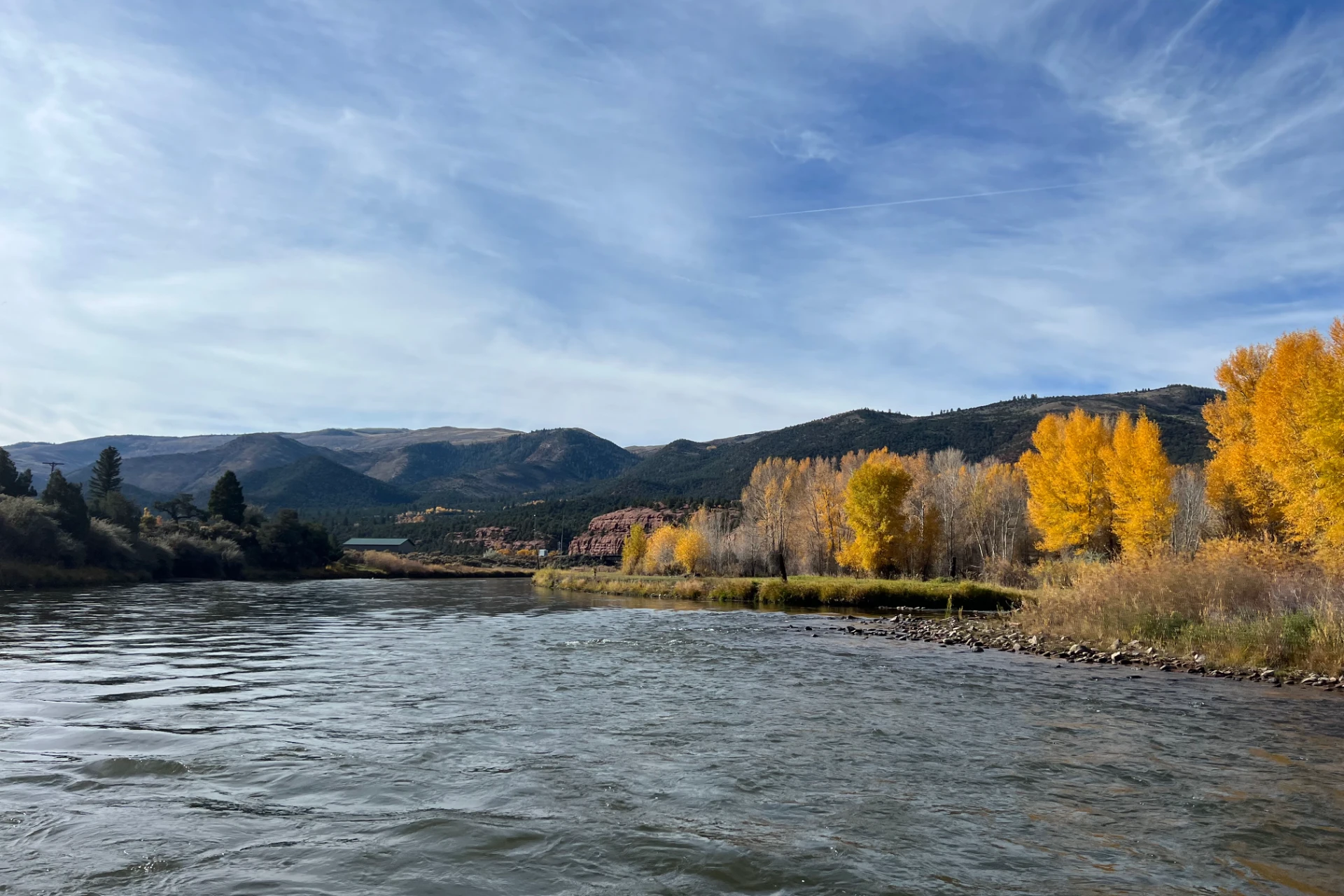
The Upper Colorado River at the Pumphouse section offers over three miles of wade fishing, easily accessible from Trough Road (Grand County 1). This area is within a two-hour drive of Denver. To get there from Kremmling, head south one mile on Highway 9, then west onto Trough Road for about ten miles to the BLM access point. From Vail (Wolcott), take Highway 131 north for 12 miles to State Bridge, then head north 18 miles on Trough Road to the Pumphouse access. The developed recreation area, maintained by the BLM Kremmling field office, provides cement boat launches, toilets, parking lots, designated camping areas, and picnic tables, with a nominal daily fee for vehicle use. Anglers can also find a more secluded experience by hiking upstream into Gore Canyon. This stretch of the Colorado River is a tailwater that fishes like a freestone, characterized by long riffles, braided sections, and deeper holes. It's mostly Class 2 water, though the Needles Eye Rapid can reach Class 3 or 4 at high flows. The upper section is a mild, braided meadow, transitioning to faster rapids and waves with large boulders in the canyon, and then slowing again with more braids towards the end of the float. Large dams on upstream tributaries influence flow, clarity, and temperature, with cold water releases during most of the summer contributing to cooler, clear conditions. This section can maintain fishable clarity even when downstream areas are muddy after heavy rains, and two feet of visibility is sufficient for successful fishing. Heavy ice buildup can make winter access difficult during prolonged cold spells, but water temperatures generally rise in April, with minimal muddy high water days during spring and early summer. The Pumphouse section is home to rainbow trout, brown trout, Colorado whitefish, and occasional cut-bows. Rainbow trout spawn in early spring, and brown trout become aggressive as they prepare to spawn in the fall. Prolific insect hatches in summer include caddis, PMDs, and stoneflies. BWO hatches are important in spring and fall, while midges are effective in winter. For flies, Pheasant Tail Nymphs, Elk Hair Caddis, and Woolly Buggers are reliable. Worm and egg patterns are good choices in early spring and late fall, and when water temperatures are 42 degrees or colder, focus on midges, egg patterns, and San Juan Worms. Streamers in black, brown, olive, and peacock colors are also effective. A 9-foot, 5-weight rod is versatile here, but a 7-weight rod is better for casting heavier streamers. Anglers should adjust fly choice based on observed insect activity and the season. Early spring pre-runoff fishing is excellent with streamers and nymphs, while summer is prime for Hopper Dropper rigs. Smaller nymphs and streamers are particularly effective in fall. On milder winter days, midges and small nymphs can be fished in slower pools. When water is 42 degrees or colder, nymph these slower pools. As the water warms, cast streamers to banks with a slow retrieve and a long pause between strips. Ideal wading flows are between 500 and 800 CFS; 800-1,200 CFS is challenging but doable, but avoid wading above 1,200 CFS. Peak runoff in May and June can exceed 4,000 CFS, making wading extremely dangerous. Always check USGS flow gauges before heading out.
Colorado River - Upper Hatch Chart
Loading active hatches…
Quick Actions
Regulations
•
Catch & Release: All fish must be immediately released. Handle with care using barbless hooks.
Trip Planning
Best fishing typically occurs during spring and summer. Check water conditions before heading out.
See what insects are emerging on Colorado River - Upper's hatch forecast — including active hatches, water temperatures, and which patterns to have in your box this month.
Get IdentaFly on your phone
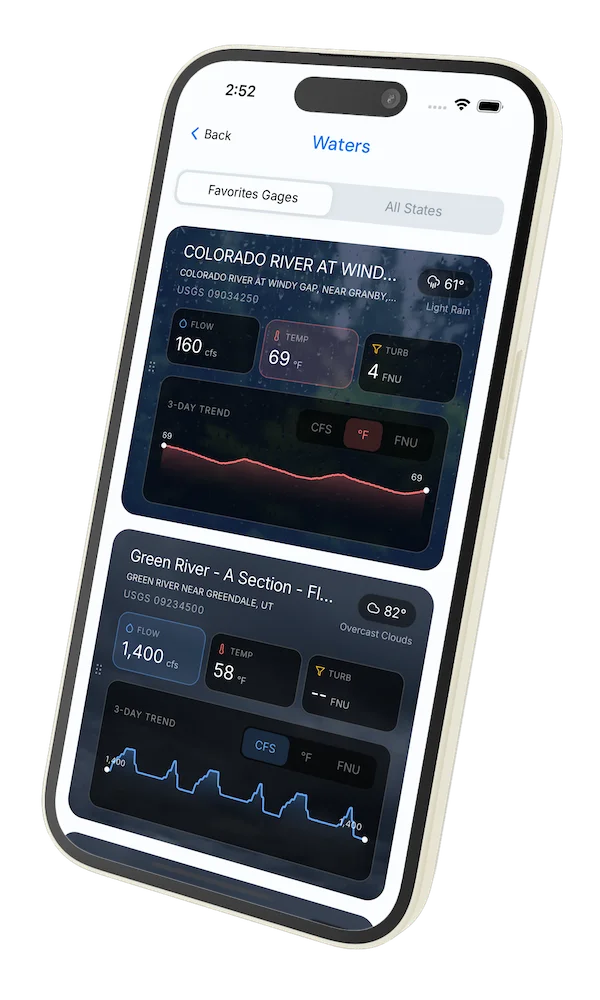
Hatch forecasts, river gages, fly scanning, and your journal — built for on-stream use. Be prepared before you get to the water. Free on the App Store and Google Play.


Conditions Report
Read tips and insights about recent conditions for Colorado River - Upper — gathered from on line sources.
Read the Conditions ReportWater conditions
Water conditions for the last 7 days. You can gain insights to fishing activity based on these conditions, like water temperature and flow.
Data sourced from USGS National Water Information System
Access
Seasons
Terrain
Water
Fish Species
Brown Trout
Rainbow Trout
Whitefish
Cutthroat
Regulations
•
Catch & Release: All fish must be immediately released. Handle with care using barbless hooks.
Fishing Styles
Methods
•
Wade Friendly
•
Float Friendly
Land Ownership
Public Blm
Public Forest Service