Henry's Fork - Upper
ID
•
River
About Henry's Fork - Upper
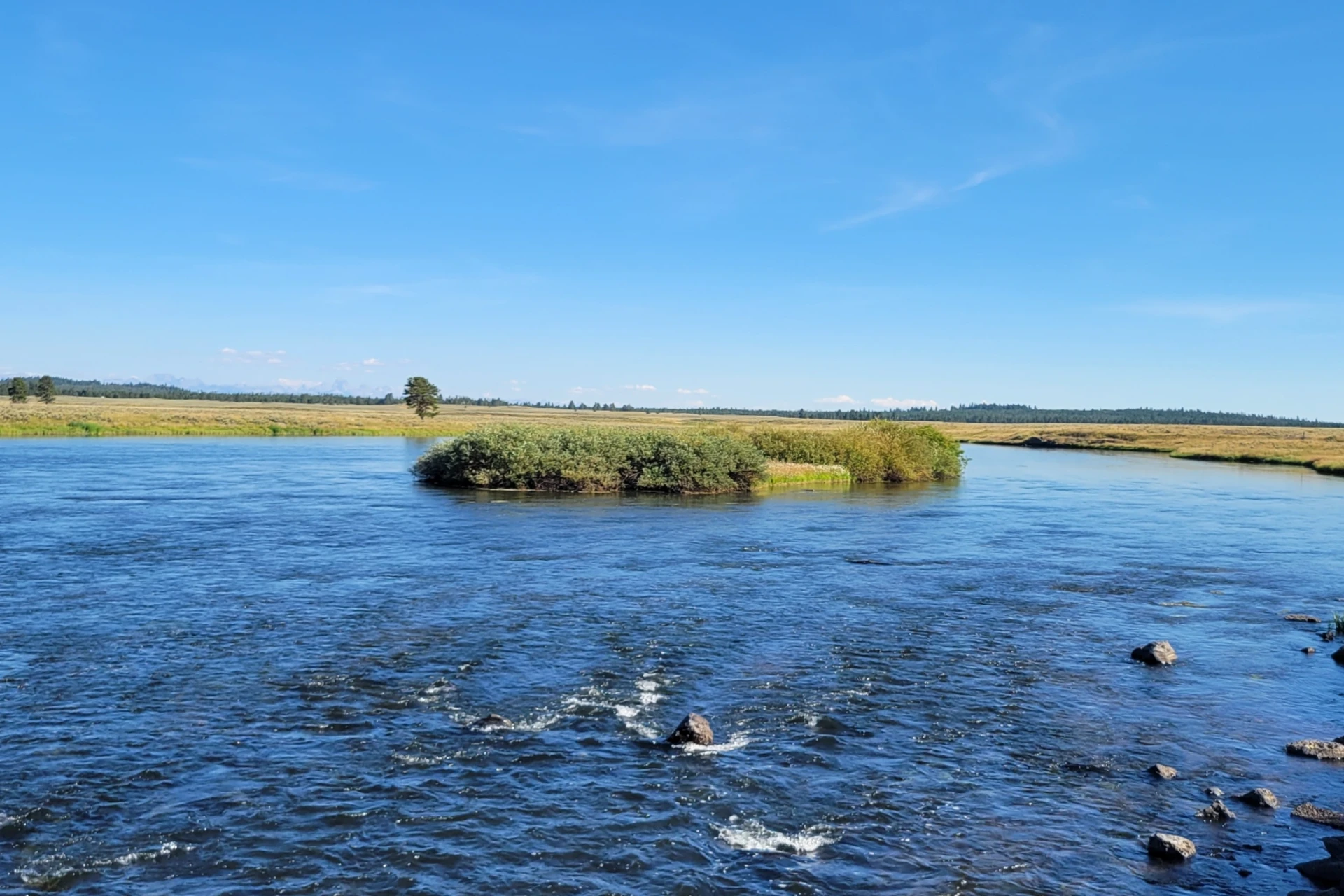
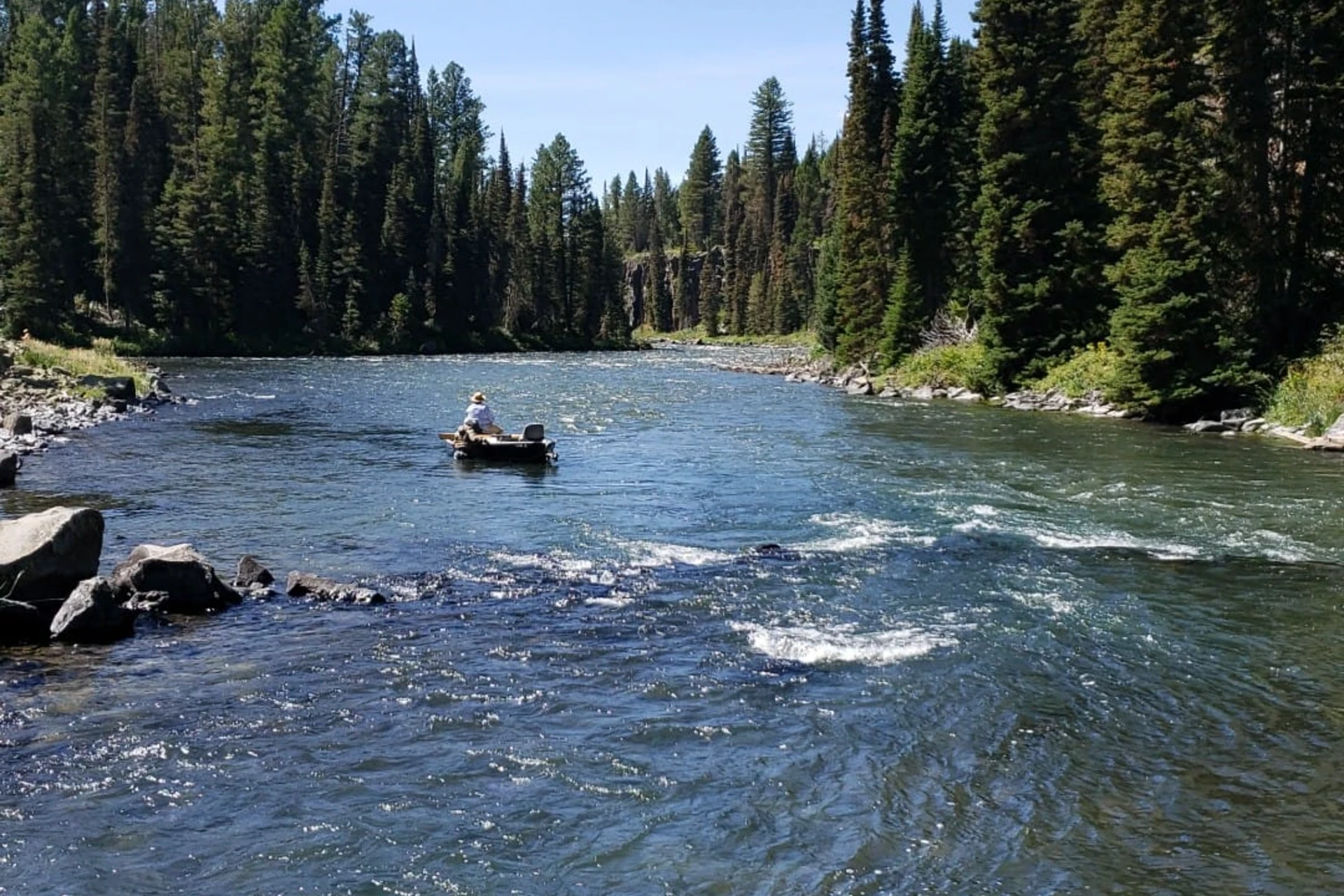
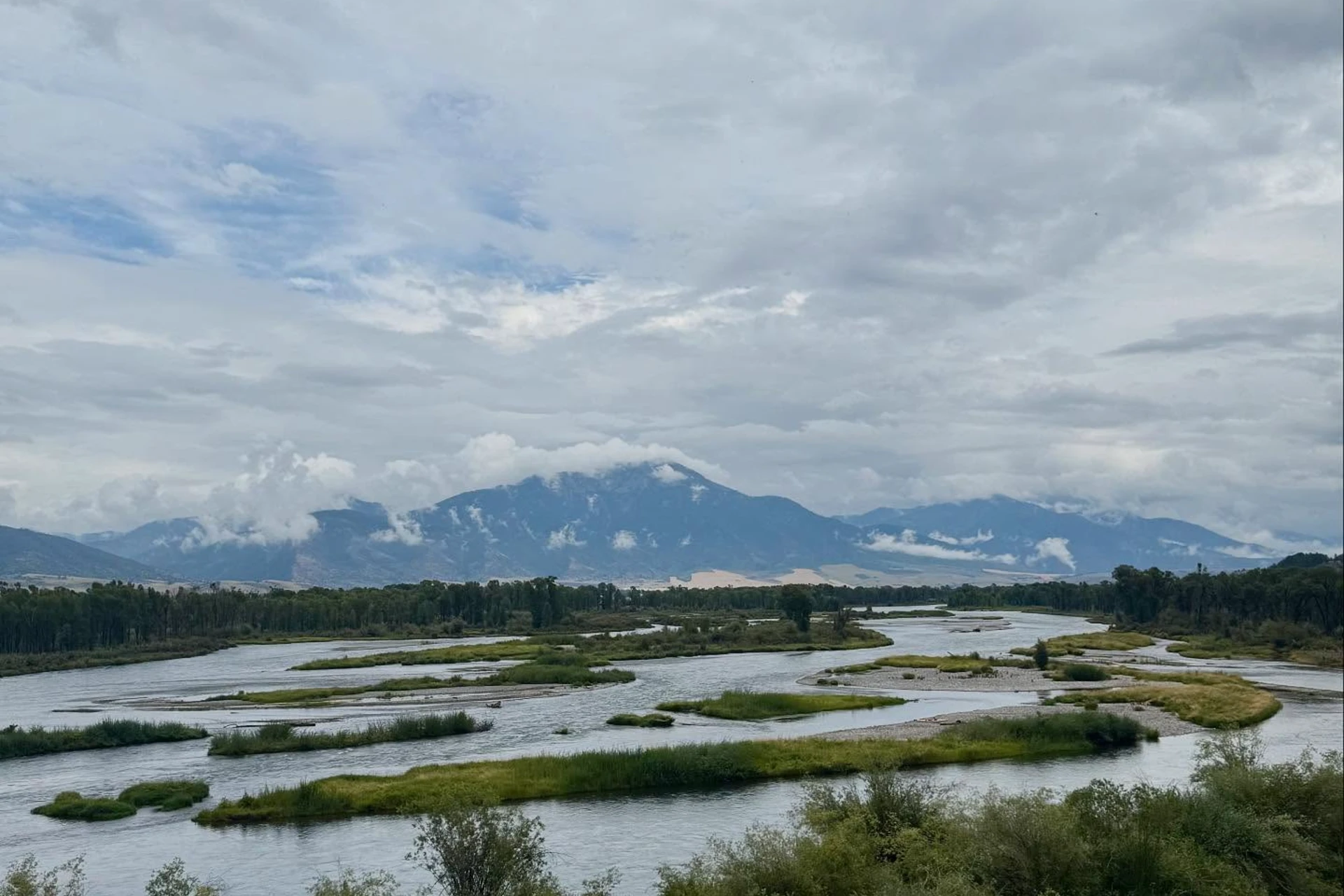
The Upper Henry's Fork originates at Big Springs, a massive natural source that pushes out a consistent 120 million gallons daily. This steady flow, exceeding 100 cfs, maintains a cool 52°F year-round. The first mile and a half from Big Springs downstream to the Henry's Lake Outlet is closed to fishing. Below this confluence, the river opens up until the Highway 20 bridge near Mack's Inn. This section offers a mix of slower water, particularly above the Coffee Pot Rapids, and more challenging, faster currents with deep pools within the rapids themselves. The Coffee Pot Rapids area, about a mile below the Upper Coffee Pot Campground, is a popular access point. McCrea Bridge, near Island Park Reservoir, provides boat access upstream to the water below the Coffee Pot Rapids, a stretch our guides often row up to work. This part of the Henry's Fork fishes visually with clear water, allowing you to see the bottom structure and the trout. The slower sections present a more classic spring creek feel, while the rapids demand attention to current and depth. You'll find stocked rainbow trout here, along with larger wild rainbows and brook trout that move into the system. While trout in this upper reach tend to be on the smaller side, particularly in the faster water, larger rainbow trout migrate up from Island Park Reservoir in the fall, offering a different fishing dynamic. The Upper Henry's Fork is a prolific insect producer, known for its hatches of mayflies, caddisflies, stoneflies, and midges. This means you'll have opportunities to match the hatch with a variety of dry flies, nymphs, and streamers. During the early June salmon fly hatch, streamers and nymphs are particularly effective in the Coffee Pot Rapids. For the general fishing, consider nymphing with patterns like beadhead Prince Nymphs or Hare's Ears in the deeper pools, and try dry-fly fishing with Elk Hair Caddis or Adams flies in the slower runs. When larger rainbows move in during the fall, streamers like Clouser Minnows or Sculpins can entice them. When working the water, focus on the seams and edges of the current. In the rapids, target the calmer pockets behind rocks and the deeper pools. In the slower sections, look for rising trout and cast to them with dries. Be prepared for selective feeders; sometimes trout key in on a specific stage of an insect. Respect other anglers; this is a popular fishery, and sharing the water courteously is part of the experience. A good pair of polarized sunglasses is essential for spotting fish and reading the water.
Henry's Fork - Upper Hatch Chart
Loading active hatches…
Quick Actions
Trip Planning
Best fishing typically occurs during spring and summer. Check water conditions before heading out.
See what insects are emerging on Henry's Fork - Upper's hatch forecast — including active hatches, water temperatures, and which patterns to have in your box this month.
Get IdentaFly on your phone
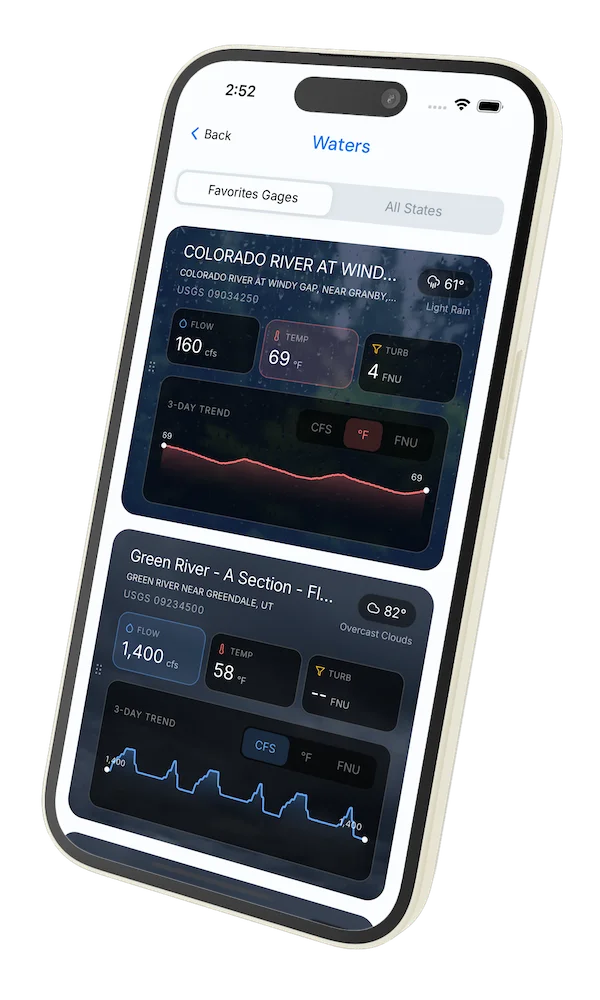
Hatch forecasts, river gages, fly scanning, and your journal — built for on-stream use. Be prepared before you get to the water. Free on the App Store and Google Play.


Conditions Report
Read tips and insights about recent conditions for Henry's Fork - Upper — gathered from on line sources.
Read the Conditions ReportWater conditions
Water conditions for the last 7 days. You can gain insights to fishing activity based on these conditions, like water temperature and flow.
Data sourced from USGS National Water Information System
Access
Seasons
Water
Fish Species
Rainbow Trout
Brook Trout
Fishing Styles
Methods
•
Drift Boat Only
Land Ownership
Private No Access