McKenzie River - Middle
OR
•
River
About McKenzie River - Middle
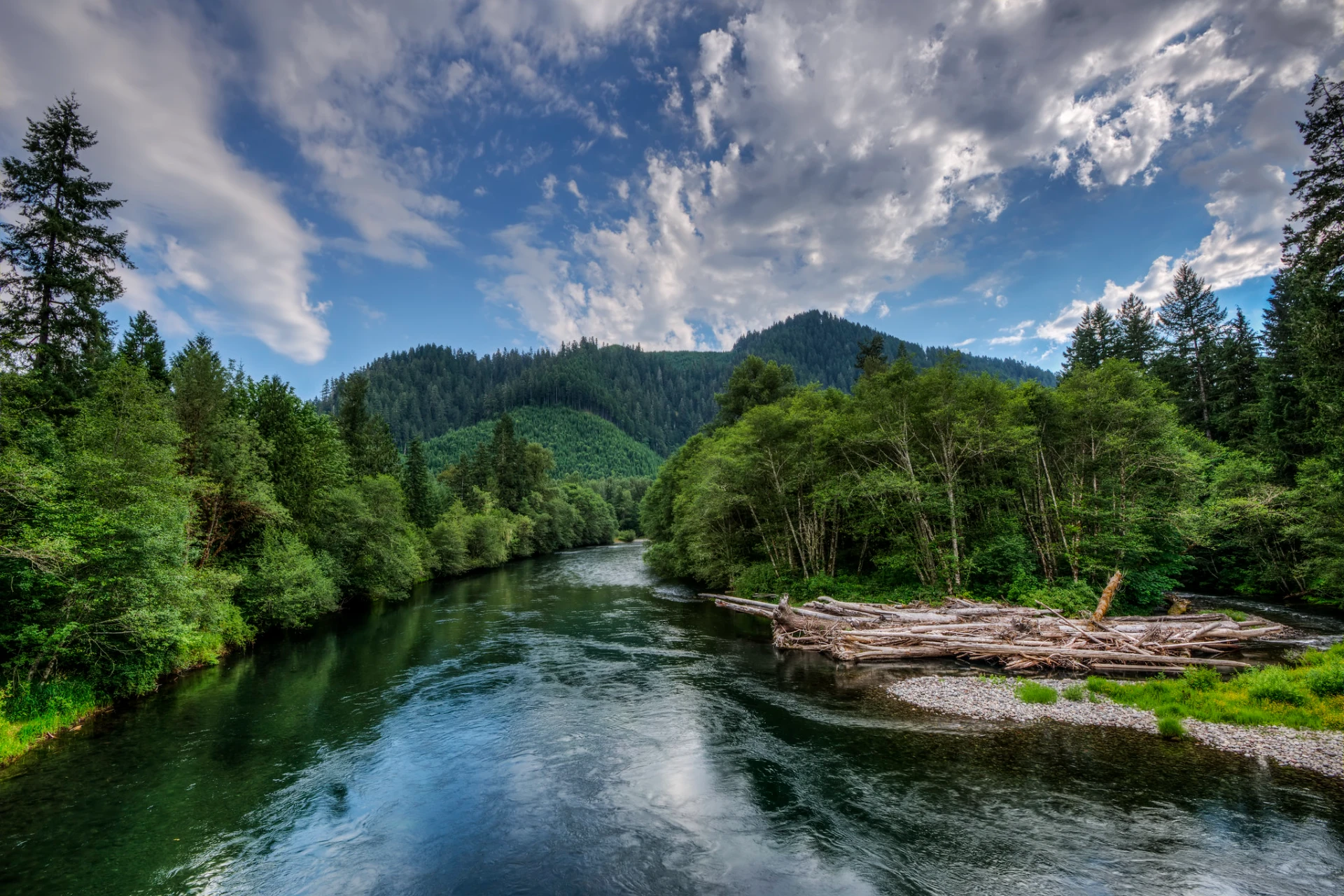
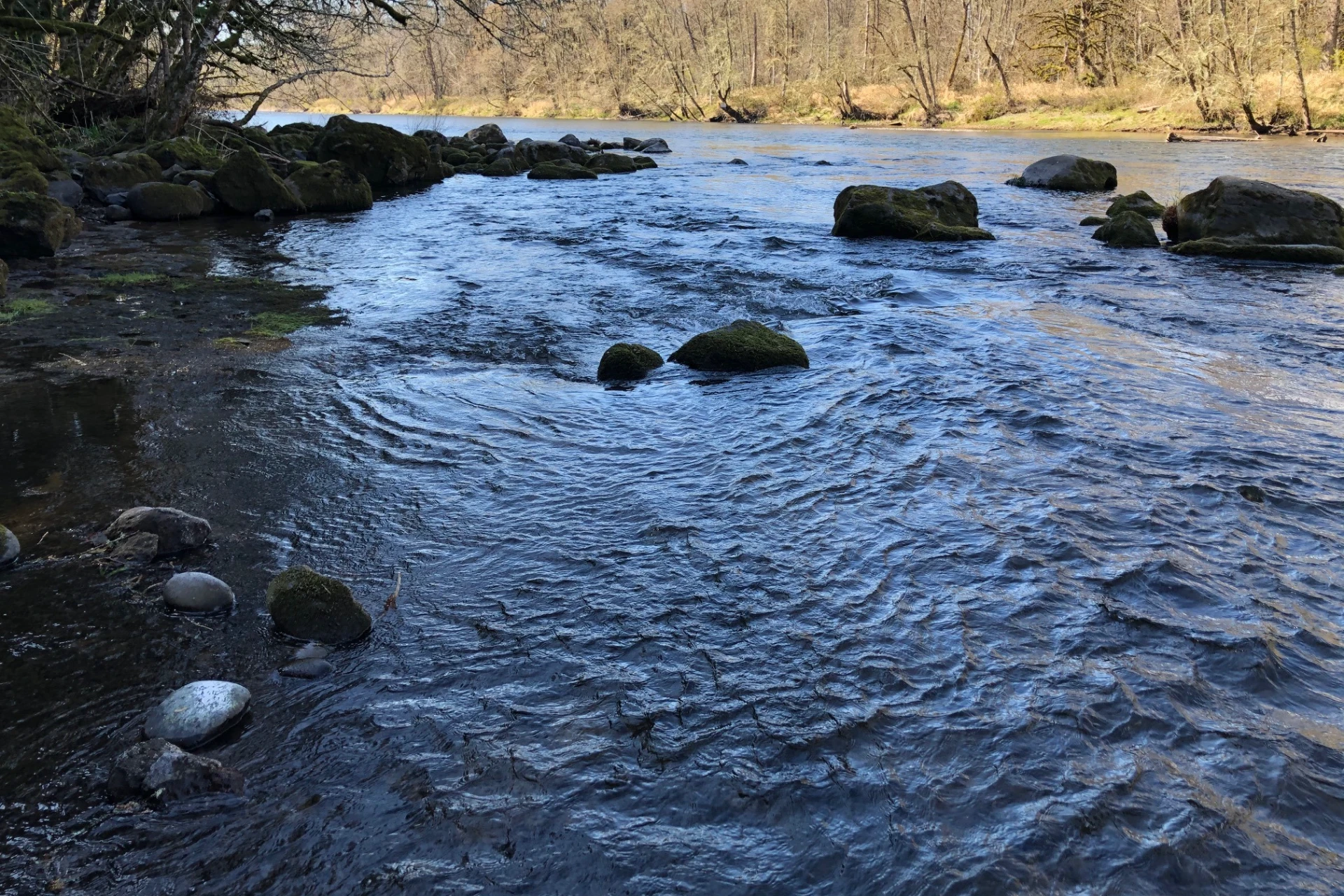
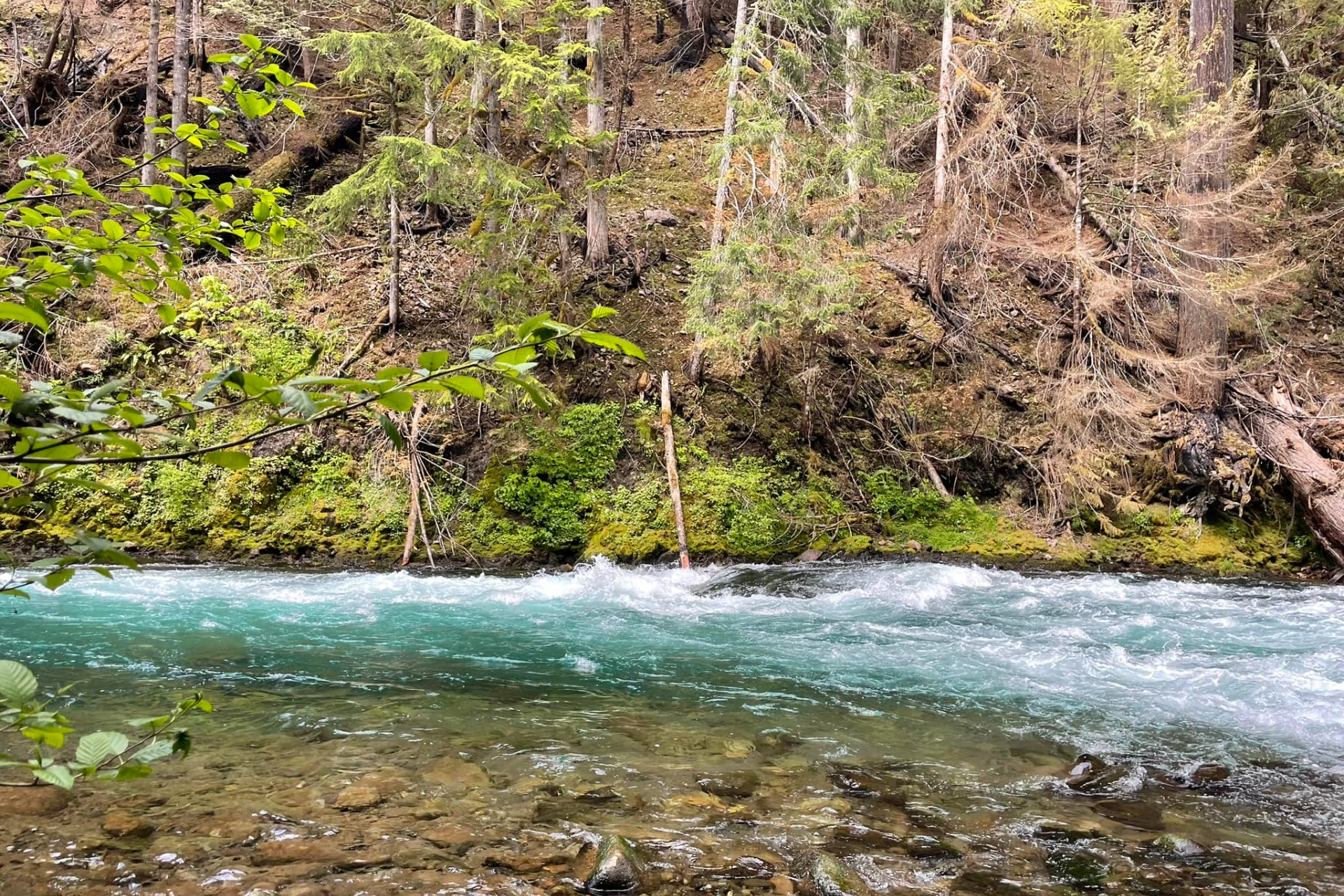
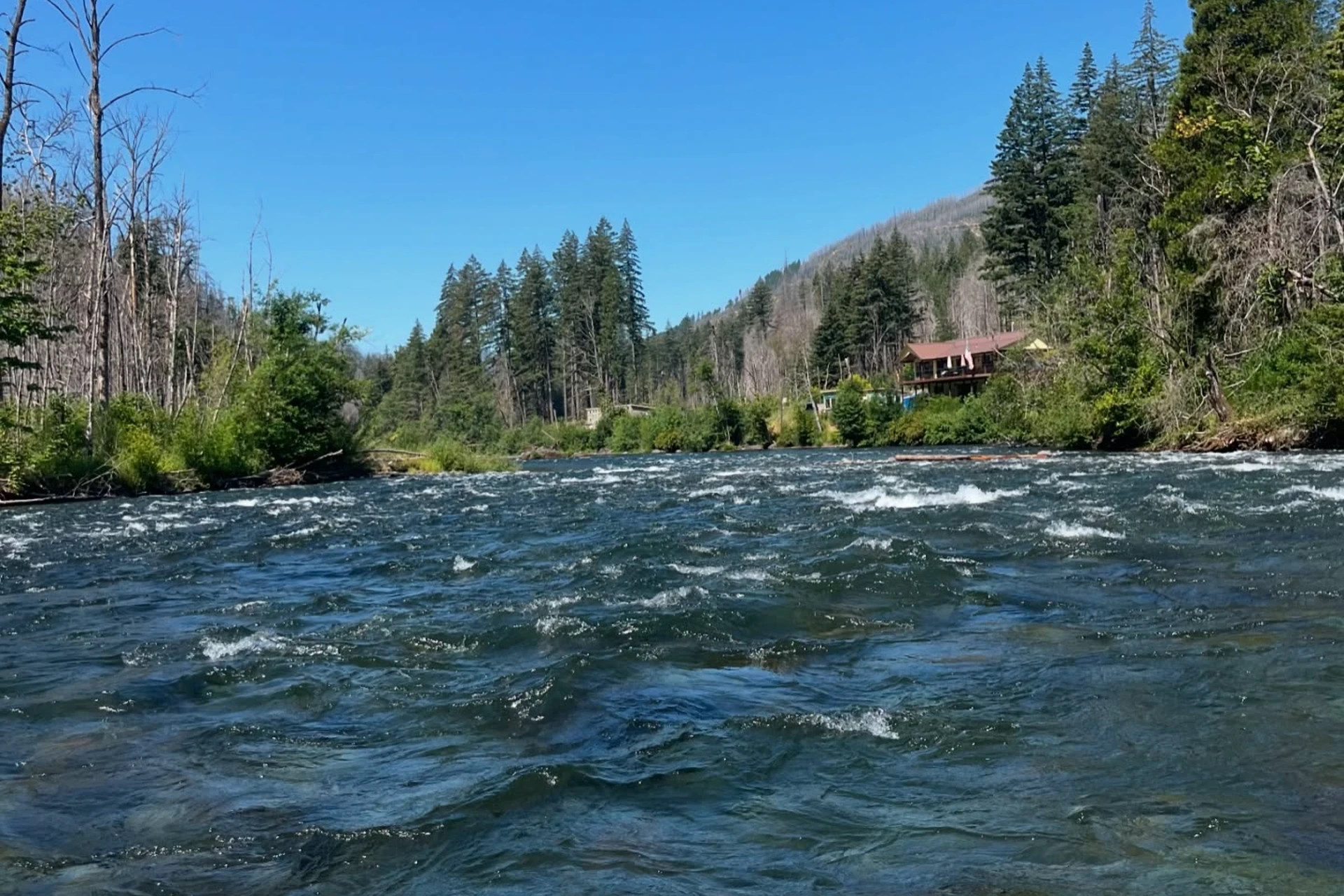
The McKenzie River's middle section, running from Blue River to Leaburg, is a popular stretch for anglers. This part of the river is characterized by clear waters and extensive boulder fields, indicating a dynamic and challenging environment. The river flows through layers of volcanic rock, creating a complex bottom structure and numerous rapids. Navigating this section requires precise oar work, as anglers will encounter named rapids such as Brown’s Hole, Martin’s Rapid, Cook’s, Bear Creek, and Rock Gardens. The presence of these features makes a McKenzie drift boat essential for safely and effectively covering the water. Access to the McKenzie River is straightforward, with seven public boat launches available between Olallie Creek and Blue River. These launches are managed by the Forest Service and do not require a fee for use. Anglers planning an extended trip can utilize popular campgrounds like McKenzie Bridge and Paradise, providing convenient bases for fishing the middle section. The river's character, with its many rapids and boulder fields, means that shore access is limited, and a boat is the primary way to fish the most productive water. The McKenzie River supports a diverse fishery, offering opportunities for multiple species. Wild Rainbows, known locally as Redsides, and Native Cutthroat trout are present throughout the river system. Anglers can also target Summer Steelhead, which begin their migration upriver in April and continue arriving through the summer months. Spring Chinook salmon runs are another significant draw, typically peaking from May through June and extending into July. Additionally, Bull trout are an abundant native species found in these waters. For trout, the McKenzie is best known for its dry-fly fishing. Anglers targeting Wild Rainbows and Native Cutthroat will find success presenting patterns like Parachute Adams and Stimulators to rising fish. The clear water demands careful presentation, and a #4 or #5 weight rod is recommended for these trout to handle both the flies and the fish effectively. Focus on seams and eddies around the numerous boulder fields where trout hold. Steelhead fishing on the McKenzie often involves different tactics. Wooly-buggers and large caddis patterns are effective choices for these powerful fish. Present these flies with a swing or drift through deeper runs and current breaks. Chinook salmon require more specialized methods; anglers commonly use techniques such as back-bouncing bait, back-trolling Kwikfish, or bobber fishing to target these migratory fish. When fishing from a McKenzie drift boat, position the boat to work likely holding water thoroughly, paying close attention to the currents created by the volcanic rock and boulder fields.
McKenzie River - Middle Hatch Chart
Loading active hatches…
Quick Actions
Regulations
•
Artificial Lures Only: No natural bait permitted. Flies, lures, and artificial attractants only.
Trip Planning
Best fishing typically occurs during year round and spring. Check water conditions before heading out.
See what insects are emerging on McKenzie River - Middle's hatch forecast — including active hatches, water temperatures, and which patterns to have in your box this month.
Get IdentaFly on your phone
Hatch forecasts, river gages, fly scanning, and your journal — built for on-stream use. Be prepared before you get to the water. Free on the App Store and Google Play.


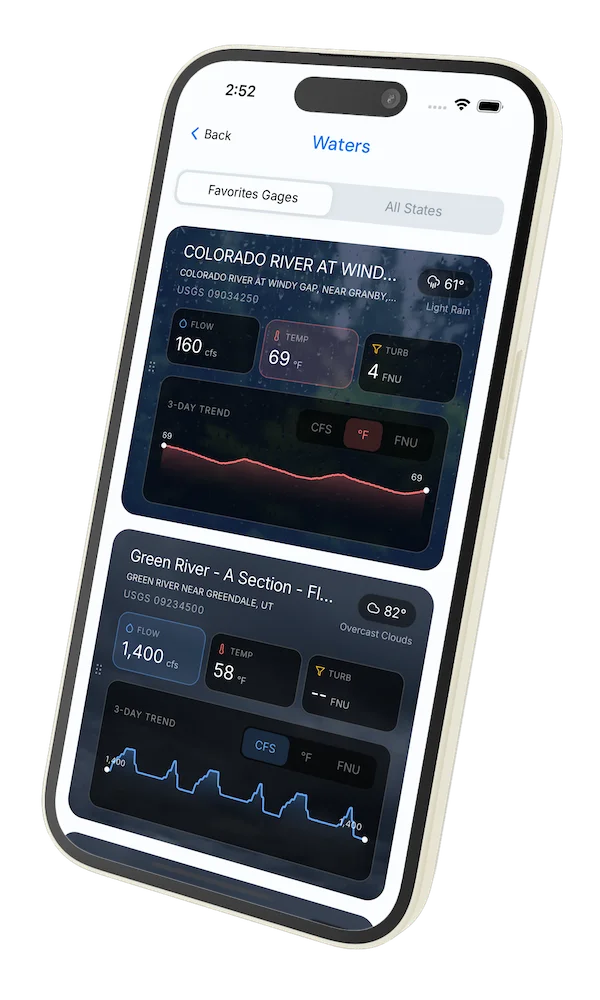
Water conditions
Water conditions for the last 7 days. You can gain insights to fishing activity based on these conditions, like water temperature and flow.
Data sourced from USGS National Water Information System
Access
Seasons
Terrain
Water
Fish Species
Rainbow Trout
Cutthroat
Steelhead
Chinook salmon
Brook Trout
Regulations
•
Artificial Lures Only: No natural bait permitted. Flies, lures, and artificial attractants only.
Fishing Styles
Methods
•
Drift Boat Only
•
Float Friendly
Land Ownership
Public Forest Service