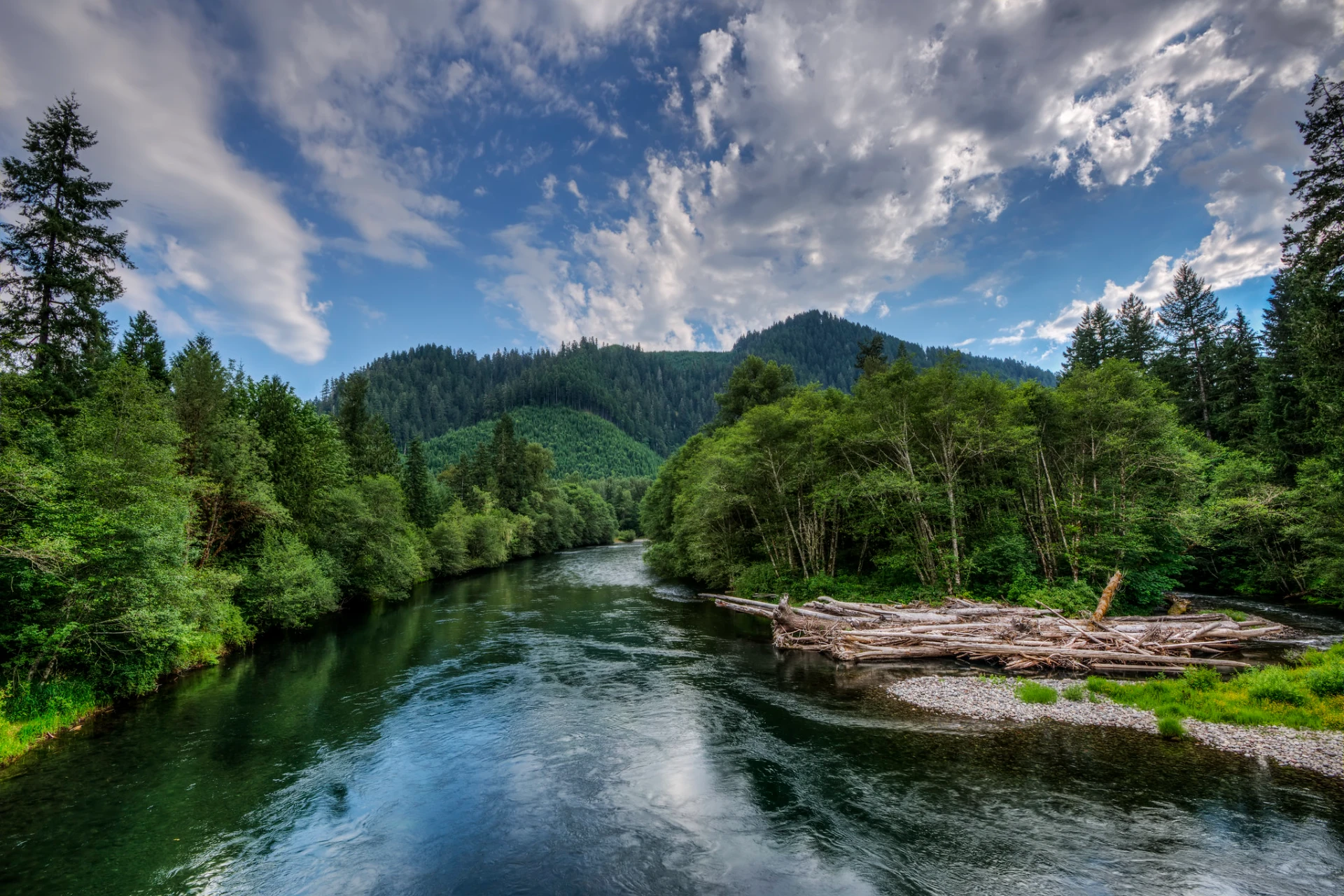
McKenzie River
OR
•
River
•
Main stemAbout McKenzie River
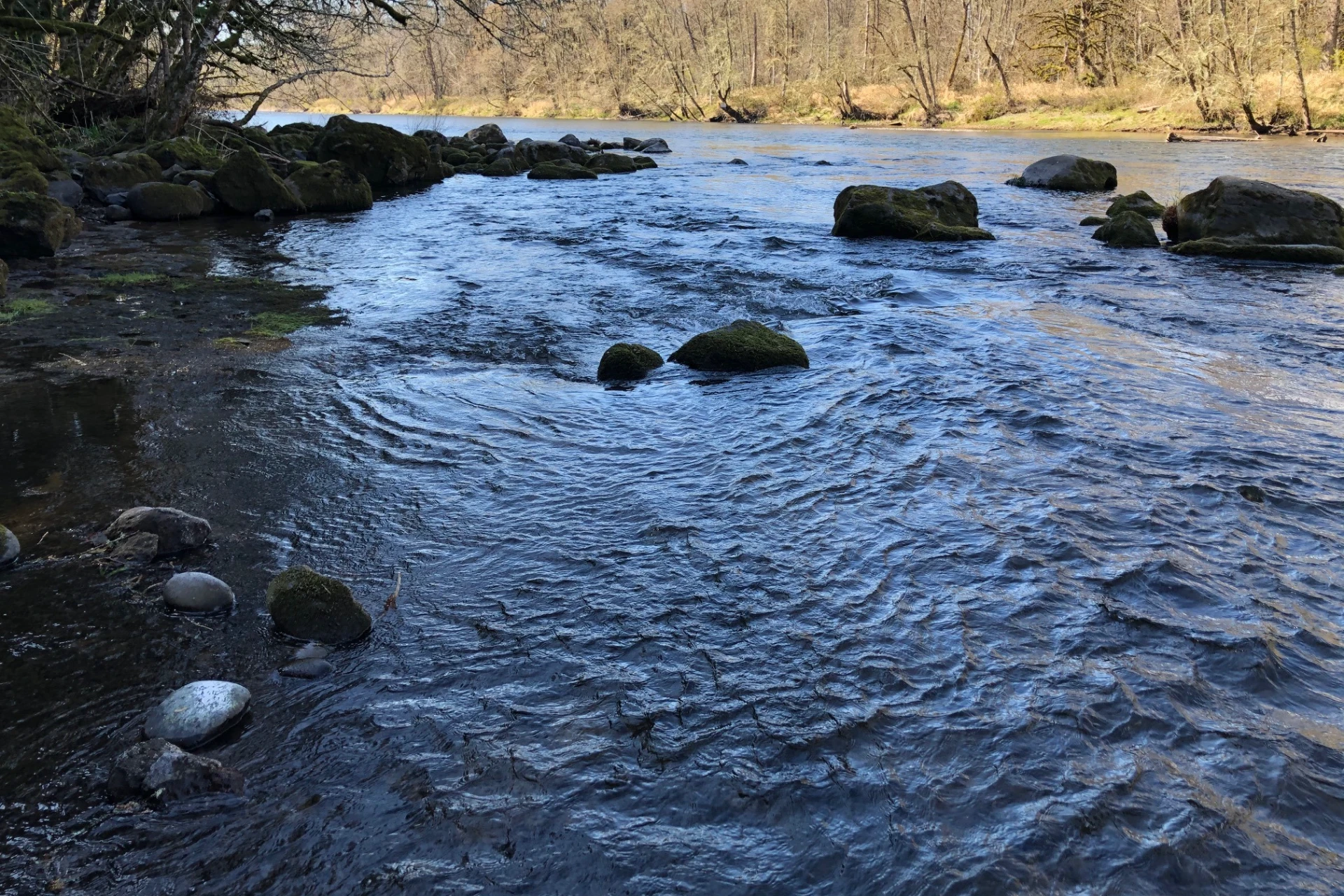
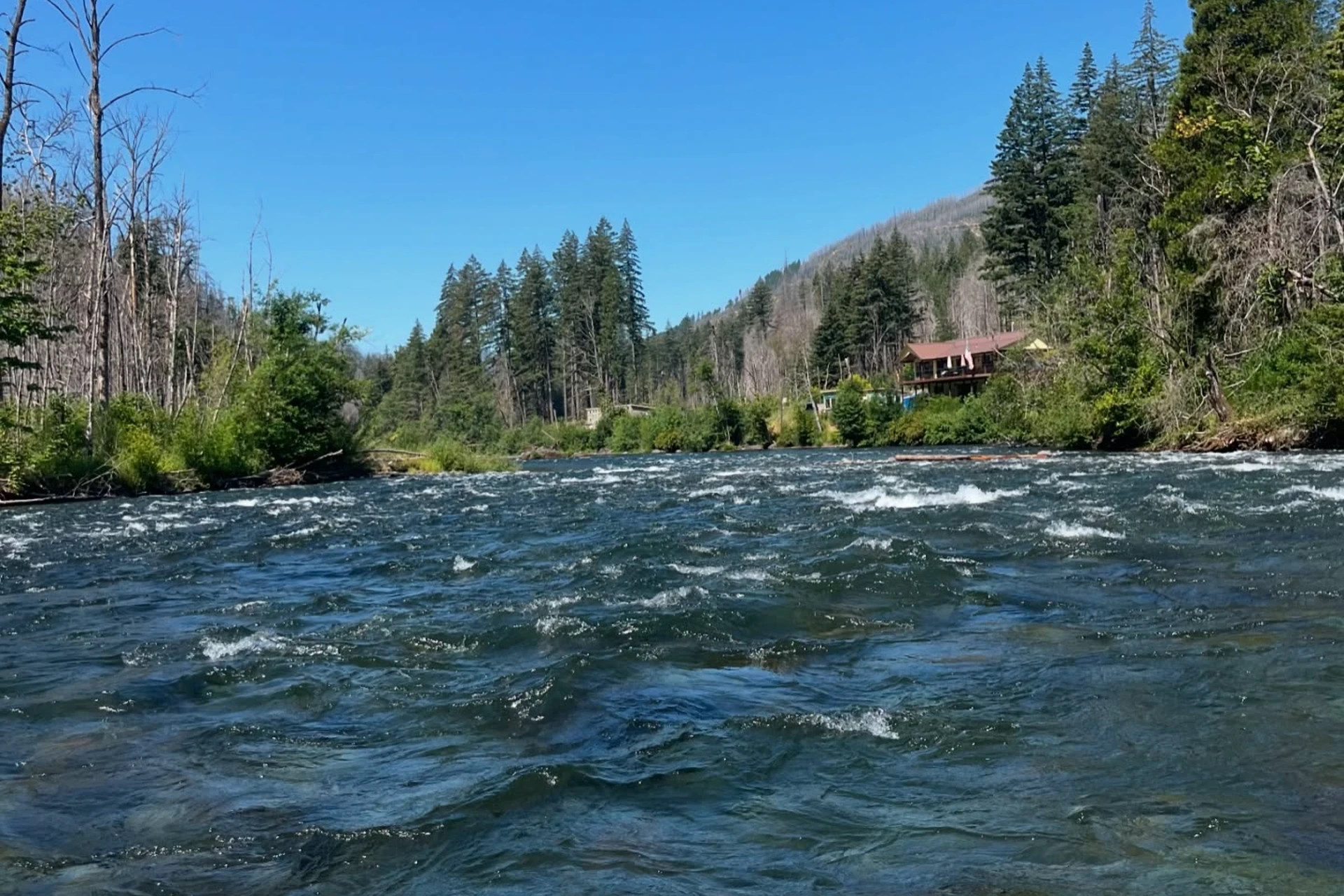
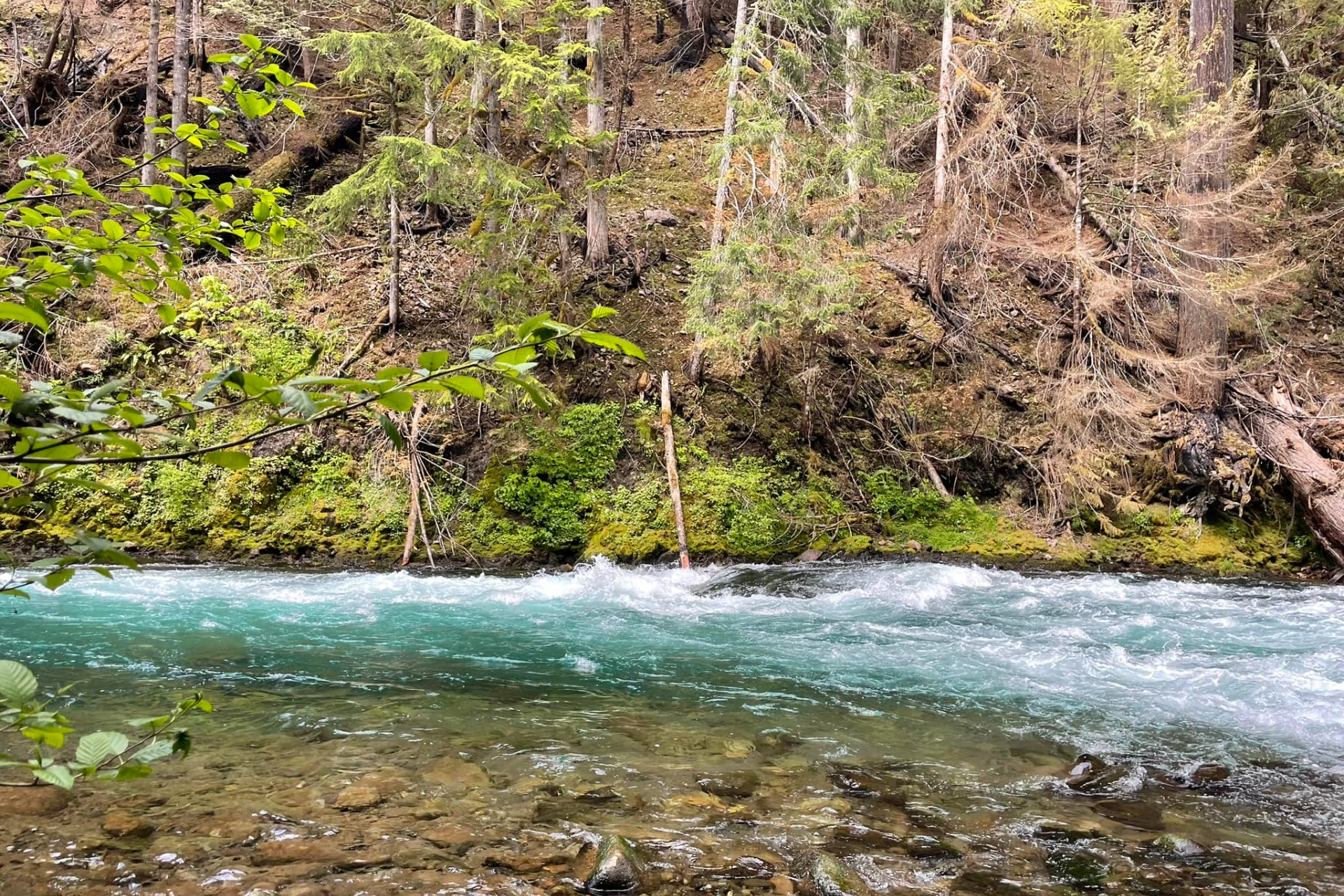
The McKenzie River, a 90-mile tributary of the Willamette, begins its journey from Clear Lake in the high Cascades. The upper river carves its way through forested canyons, characterized by deep, clear, and powerful waters. Anglers will encounter cascading whitewater, significant rapids, and dramatic waterfalls like Sahalie and Koosah in this section. Despite its intensity, the river maintains exceptional water quality throughout, remaining cold and clear with consistently low turbidity, offering prime conditions for fish. While Highway 126 parallels parts of the river, bank access in the upper reaches is very limited, with only some points reachable via the McKenzie River Trail for those willing to hike in. Note that a 3-mile stretch of the riverbed lies dry between Carmen Reservoir and Tamolitch Falls due to water diversion. Further downstream, the McKenzie River offers more accessible opportunities for anglers. While bank access remains generally difficult due to private land, public parks and boat ramps provide entry points. Wade fishing is a viable option in the lower section, with specific access points at Armitage Park, Deadmond Ferry, Bellinger Landing, Deerhorn County Park, and Hayden Bridge. These areas allow anglers to explore the river's cold, clear currents on foot, contrasting sharply with the challenging access of the upper river. Understanding these access points is key to planning your day on the McKenzie. The McKenzie River is home to a robust population of wild rainbow trout, including the distinctive redside rainbows that typically range from 6 to 20 inches. Anglers can also target cutthroat trout, often found between 6 and 18 inches, along with cutt-bows and bull trout. For those seeking larger fish, steelhead are present, averaging 6 to 10 pounds. Wild spring Chinook salmon are also found here. Hatchery trout, identifiable by a clipped adipose fin, are stocked in the upper section, providing additional angling opportunities. Regulations on the McKenzie are specific; catch and release is the general rule for wild fish, and parts of the river require artificial flies only. Be aware that the lower section alone has four different sets of regulations, and fishing is permitted year-round between the mouth and Leaburg Dam. Navigating the McKenzie River is best accomplished by drift boat, a method highly recommended for covering water, especially through the rapids of the upper river. The McKenzie drift boat was, in fact, developed specifically for these waters, highlighting its suitability for the river's character. While wading is possible in the lower river, it is not advised for the more turbulent upper sections. When targeting McKenzie River trout, focus on presenting small dark mayfly imitations or caddis patterns. Consider a size 14-18 Pheasant Tail or a size 16 Elk Hair Caddis. Work seams and current breaks, especially near submerged structure or along the deeper pools. Pay attention to water depth and current speed, adjusting your presentation to get flies into the feeding zone. Always check local regulations before fishing.
McKenzie River Hatch Chart
Loading active hatches…
Quick Actions
Regulations
•
Catch & Release: All fish must be immediately released. Handle with care using barbless hooks.
Trip Planning
Best fishing typically occurs during year round. Check water conditions before heading out.
See what insects are emerging on McKenzie River's hatch forecast — including active hatches, water temperatures, and which patterns to have in your box this month.
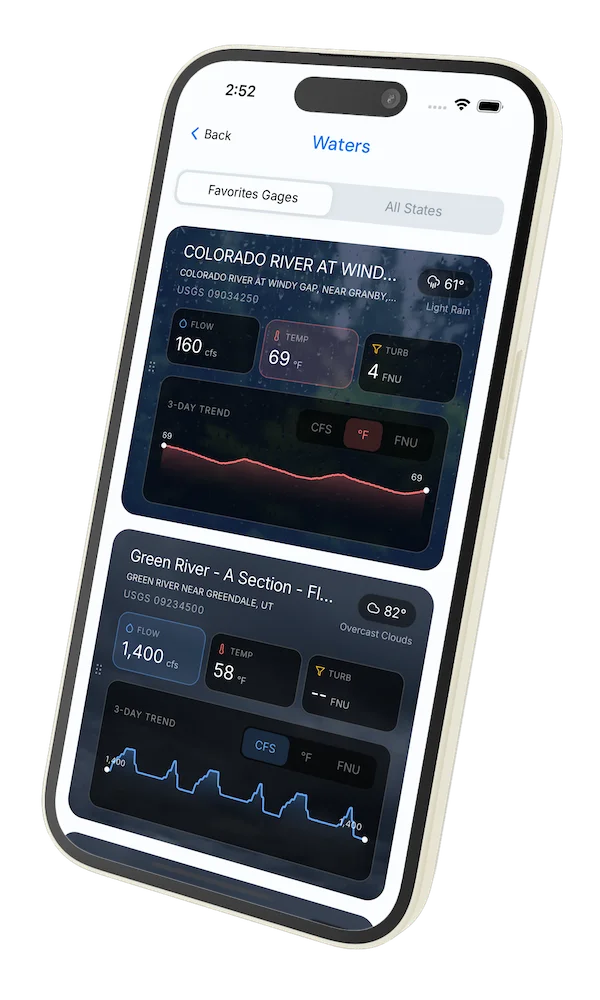
Get IdentaFly on your phone
Hatch forecasts, river gages, fly scanning, and your journal — built for on-stream use. Be prepared before you get to the water. Free on the App Store and Google Play.


Water conditions
Water conditions for the last 7 days. You can gain insights to fishing activity based on these conditions, like water temperature and flow.
Data sourced from USGS National Water Information System
Access
Seasons
Terrain
Water
Fish Species
Rainbow Trout
Cutthroat
Bull Trout
Steelhead
Regulations
•
Catch & Release: All fish must be immediately released. Handle with care using barbless hooks.
Fishing Styles
Methods
•
Float Friendly
•
Wade Friendly
Land Ownership
Public Forest Service
Private No Access