Klamath River
OR
•
River
About Klamath River
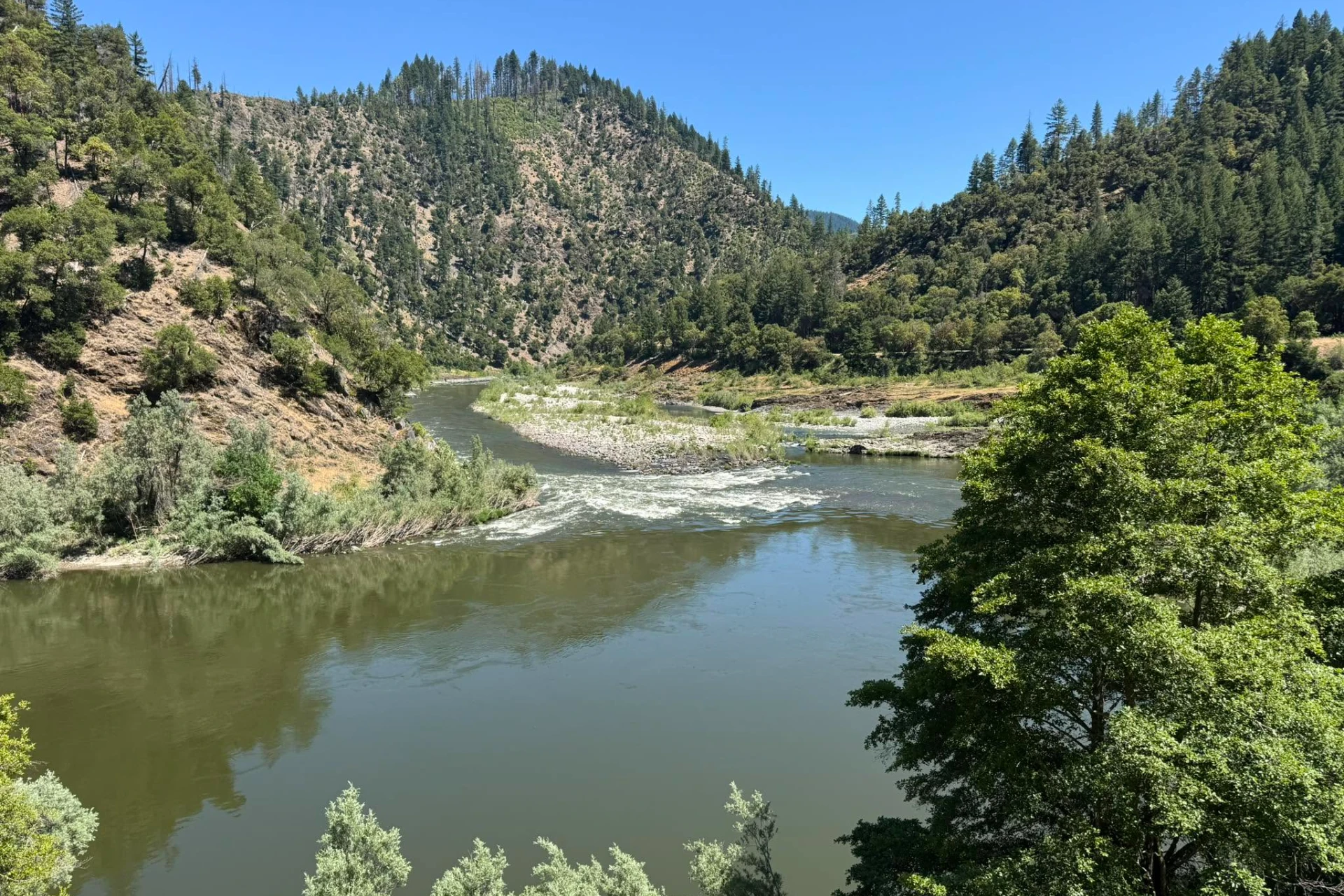
The Klamath River offers a diverse and challenging fishery, stretching 257 miles from the lakes and marshes at the foot of the Cascade Mountains, flowing through Oregon and California before reaching the Pacific Ocean. This is a substantial river, characterized by an average discharge of 16,430 cubic feet per second, indicating powerful flows and significant water volume. Anglers will encounter numerous Class III-IV+ whitewater rapids throughout its course, particularly as the river cuts through the Cascade and Klamath Mountains. Expect a canyon environment in many places, featuring steep, boulder-strewn sections that demand careful navigation and provide complex holding water for fish. The river's naturally warm and acidic waters create a unique environment for its resident species. Access to the Klamath River is plentiful, with various points available, including those along an historic stagecoach route. One key recreational reach extends from the J.C. Boyle Powerhouse downstream to the California-Oregon border, offering a concentrated area for anglers to explore. This section, located about 25 miles southwest of Klamath Falls in south-central Oregon, provides a good starting point for those looking to fish the upper river. The combination of large water, swift currents, and boulder-strewn canyons means anglers should be prepared for varied conditions and potential challenges in reaching prime fishing lies. Understanding the river's powerful nature and its distinct canyon topography is crucial for planning a successful trip. The Klamath River supports a robust population of anadromous and resident fish, making it a prime destination for anglers targeting several key species. Chinook salmon, coho salmon, and steelhead are all present, offering seasonal opportunities for those pursuing migratory runs. For trout anglers, the river holds coastal cutthroat trout and a genetically unique population of wild rainbow trout, which thrive in its naturally warm and acidic waters. Green sturgeon and white sturgeon also inhabit these waters, providing a distinct challenge for those equipped to target them. Focus your efforts on the seams and eddies created by the numerous boulders and whitewater sections, as these provide crucial current breaks and feeding lanes for both resident and migratory fish. When targeting the wild rainbow trout, consider presentations that account for the river's warm and acidic water. Since the content doesn't specify particular hatches, focus on subsurface tactics that imitate general aquatic insects or baitfish. Large streamers or nymph patterns fished on a tight line or under an indicator can be effective in the deeper, boulder-strewn pockets and runs. For migratory fish like steelhead, swinging large intruder patterns or drifting egg imitations through likely holding water can produce results. Always be mindful of the powerful currents and whitewater rapids; wear a wading belt and use a sturdy wading staff, especially when navigating the steep, boulder-strewn sections of the river.
Klamath River Hatch Chart
Loading active hatches…
Quick Actions
Trip Planning
Check water conditions before heading out for the best fishing experience.
See what insects are emerging on Klamath River's hatch forecast — including active hatches, water temperatures, and which patterns to have in your box this month.
Get IdentaFly on your phone
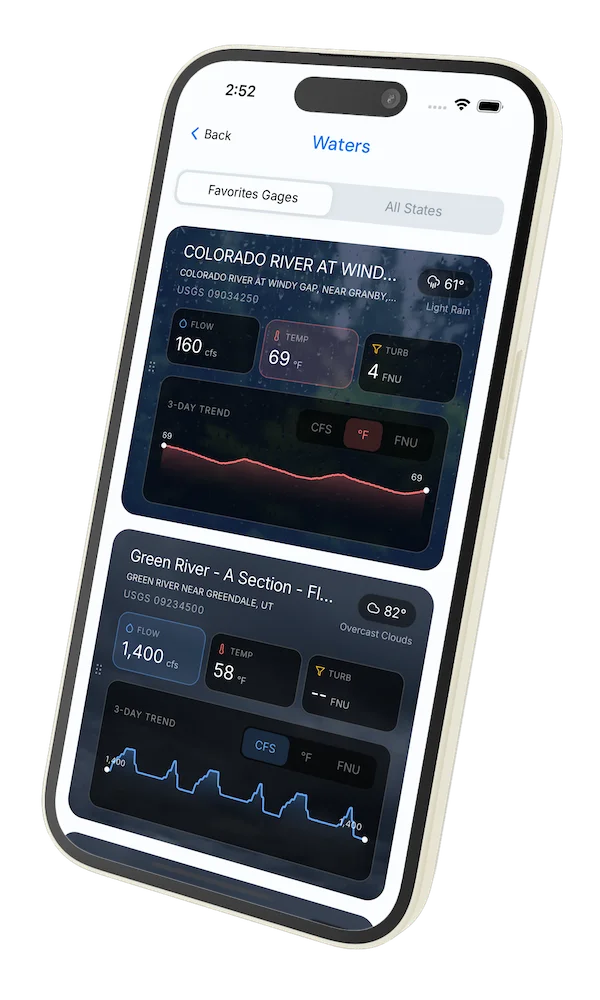
Hatch forecasts, river gages, fly scanning, and your journal — built for on-stream use. Be prepared before you get to the water. Free on the App Store and Google Play.


Conditions Report
Read tips and insights about recent conditions for Klamath River — gathered from on line sources.
Read the Conditions ReportWater conditions
Water conditions for the last 7 days. You can gain insights to fishing activity based on these conditions, like water temperature and flow.
Data sourced from USGS National Water Information System
Access
Terrain
Water
Fish Species
Chinook salmon
Coho salmon
Steelhead
Rainbow Trout
Methods
•
Raftable
•
Wade Friendly
Land Ownership
Public Blm