Fall River
OR
•
Tributary
About Fall River
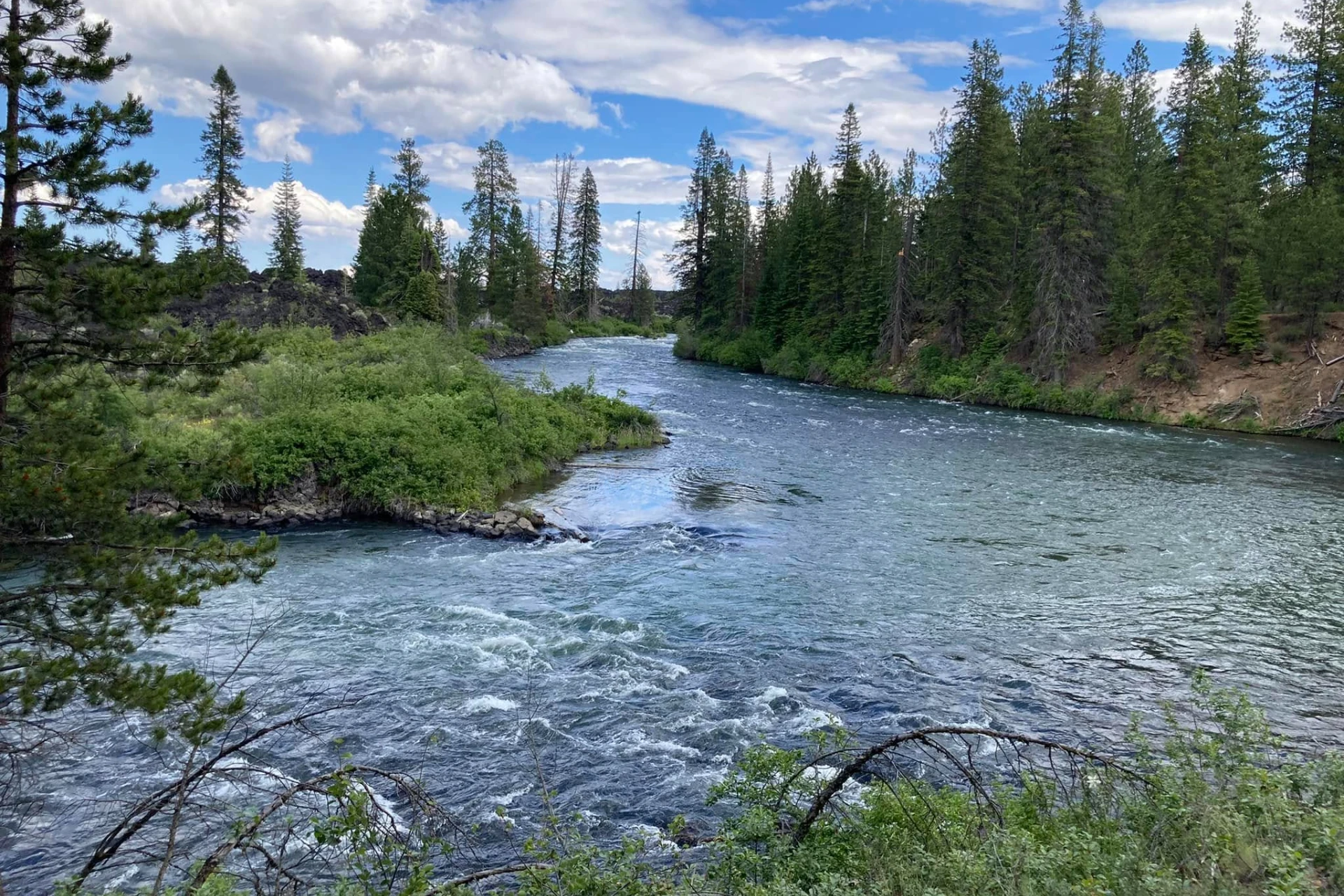
The Fall River is a small, spring-fed tributary of the Deschutes River, flowing 12 miles through pine forests just south of Bend, Oregon. This water is consistently cold and crystal clear year-round, making it a visually striking but demanding fishery. Its slow, meandering course creates numerous bends and undercut banks, providing prime holding water for trout throughout its length. Anglers will find various access points along the river, and wading is generally manageable, though the clear water demands a careful, stealthy approach to avoid spooking fish. Look for areas where the dense pine canopy creates shade and cover, as these spots often hold active fish. This river is strictly fly fishing only, emphasizing a refined approach. The consistent water temperatures and clarity mean trout here are known for being very picky, requiring precise presentation and fly choice. The majority of trout feeding occurs subsurface, so a nearly perfect drift is critical. Midges are a major food source year-round, with Baetis nymphs also common. Pale morning duns hatch from late spring through early fall, while bluewing olives are present from early fall through late spring. March browns appear in mid-spring, and green drakes show up briefly around late May. Caddis hatches are sporadic on warmer days, and stoneflies are active throughout late spring and early summer. Terrestrials are also effective during spring, summer, and fall. Subsurface patterns like Zebra midges (size 20-22), Baetis nymphs (size 16-22), and Pale morning dun nymphs (size 14-18) are consistent producers. Hares ears, Pheasant tails, Copper johns, and other general mayfly imitations, along with caddis pupa (size 14-18) and stonefly nymph patterns (size 12-16), should be in your box. Small streamers and leech patterns can also be effective, especially when swung past feeding trout or dead-drifted. For surface activity, Griffiths gnat (size 20-22) or other adult midge patterns, Bluewing olive mayflies (size 18-20), Pale morning duns (size 16-18), and caddis (size 14-18) are good choices. Larger stonefly patterns (size 12-16, sometimes up to size 8) and terrestrials can draw strikes, with terrestrials also working well as attractor patterns in dry-dropper rigs. You'll encounter rainbow trout, many raised at a local hatchery, alongside wild brown trout and native redbands. These fish demand light tippets, often 5x or 6x, to ensure a natural drift and minimize visibility in the transparent flows. Pay close attention to seams and current breaks, as trout frequently hold in these subtle transitions. Work your flies through the slower, deeper sections and along the undercut banks where fish feel most secure. Always be mindful of your shadow and movement; a low profile increases your chances of success on this challenging but rewarding water.
Fall River Hatch Chart
Quick Actions
Regulations
•
Fly Fishing Only: This water is restricted to fly fishing gear. No spinning or bait-casting equipment permitted.
Trip Planning
Best fishing typically occurs during year round. Check water conditions before heading out.
See what insects are emerging on Fall River's hatch forecast — including active hatches, water temperatures, and which patterns to have in your box this month.
Get IdentaFly on your phone
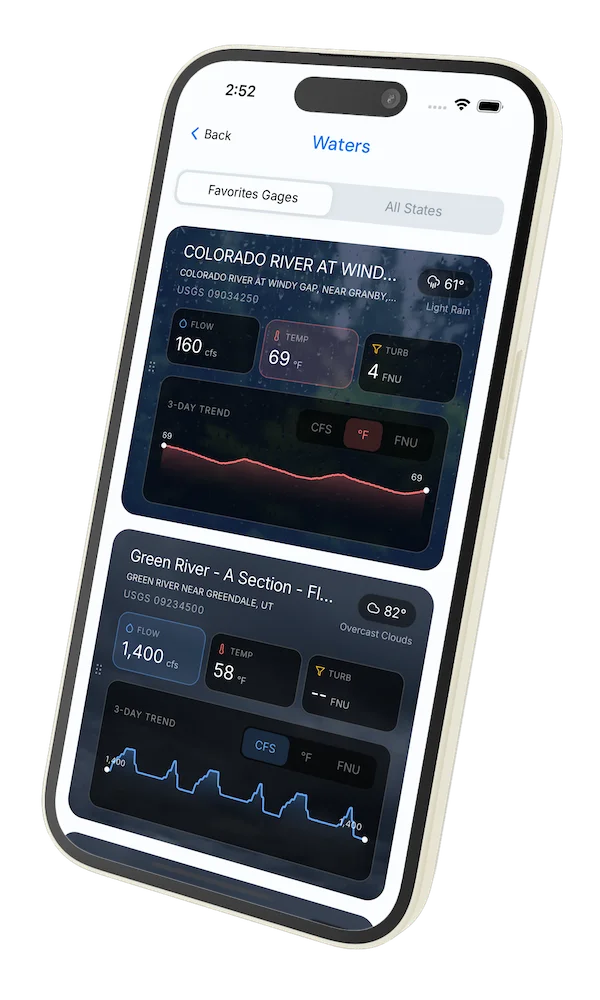
Hatch forecasts, river gages, fly scanning, and your journal — built for on-stream use. Be prepared before you get to the water. Free on the App Store and Google Play.


Conditions Report
Read tips and insights about recent conditions for Fall River — gathered from on line sources.
Read the Conditions ReportAccess
Seasons
Terrain
Water
Fish Species
Rainbow Trout
Brown Trout
Brook Trout
Regulations
•
Fly Fishing Only: This water is restricted to fly fishing gear. No spinning or bait-casting equipment permitted.
Fishing Styles
Methods
•
Wade Friendly
Land Ownership
Public Forest Service