Clearwater River - North Fork
ID
•
River
About Clearwater River - North Fork
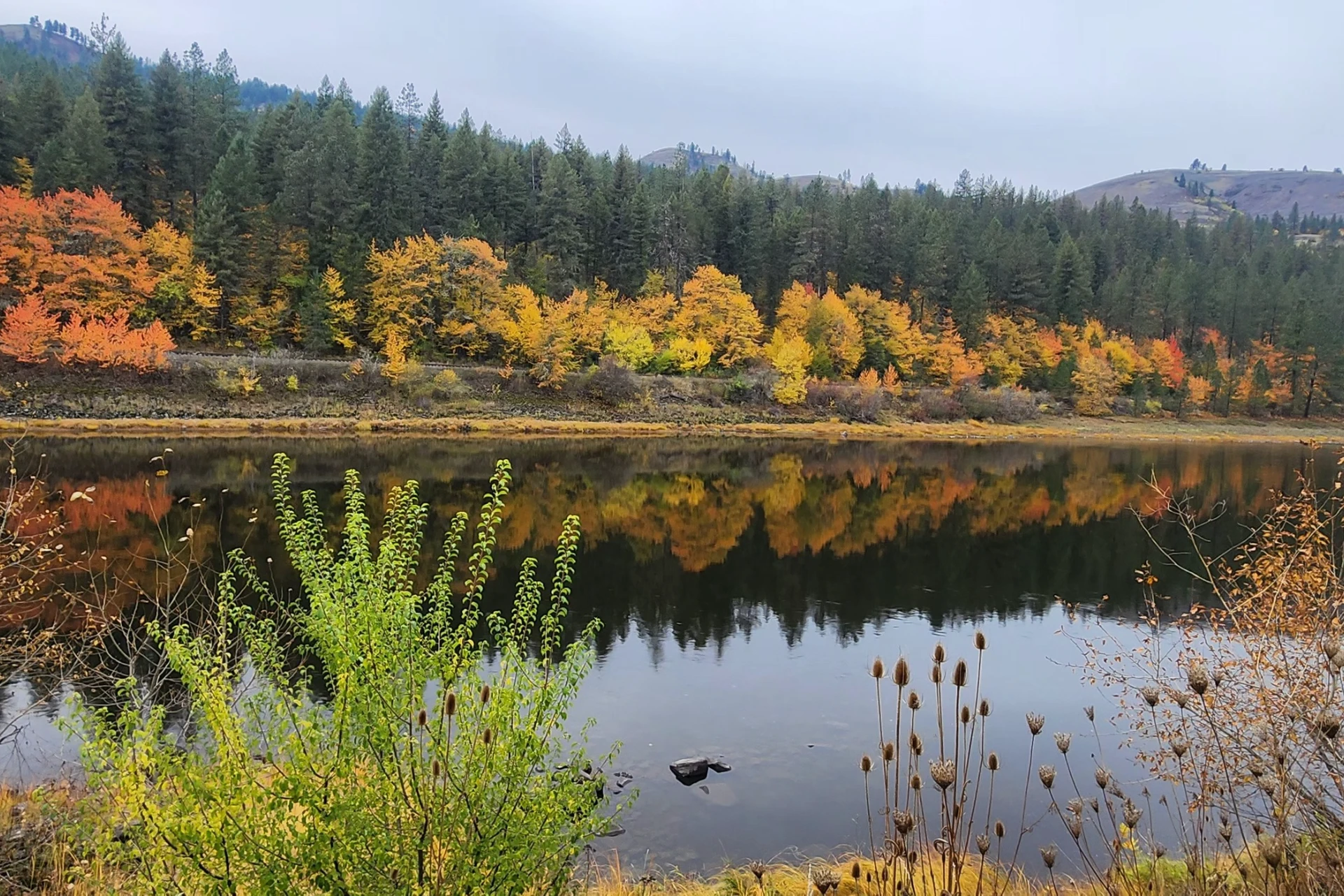
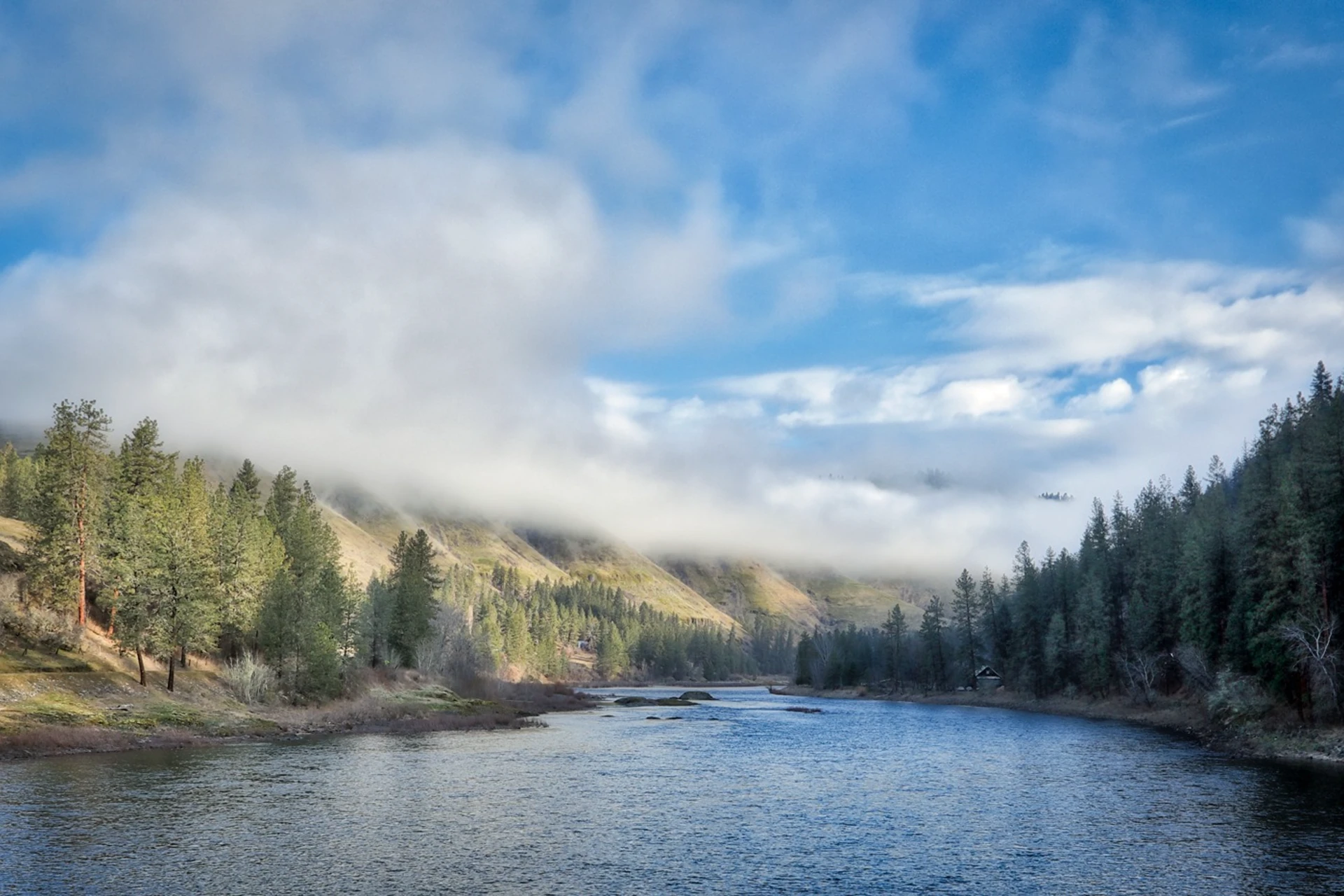
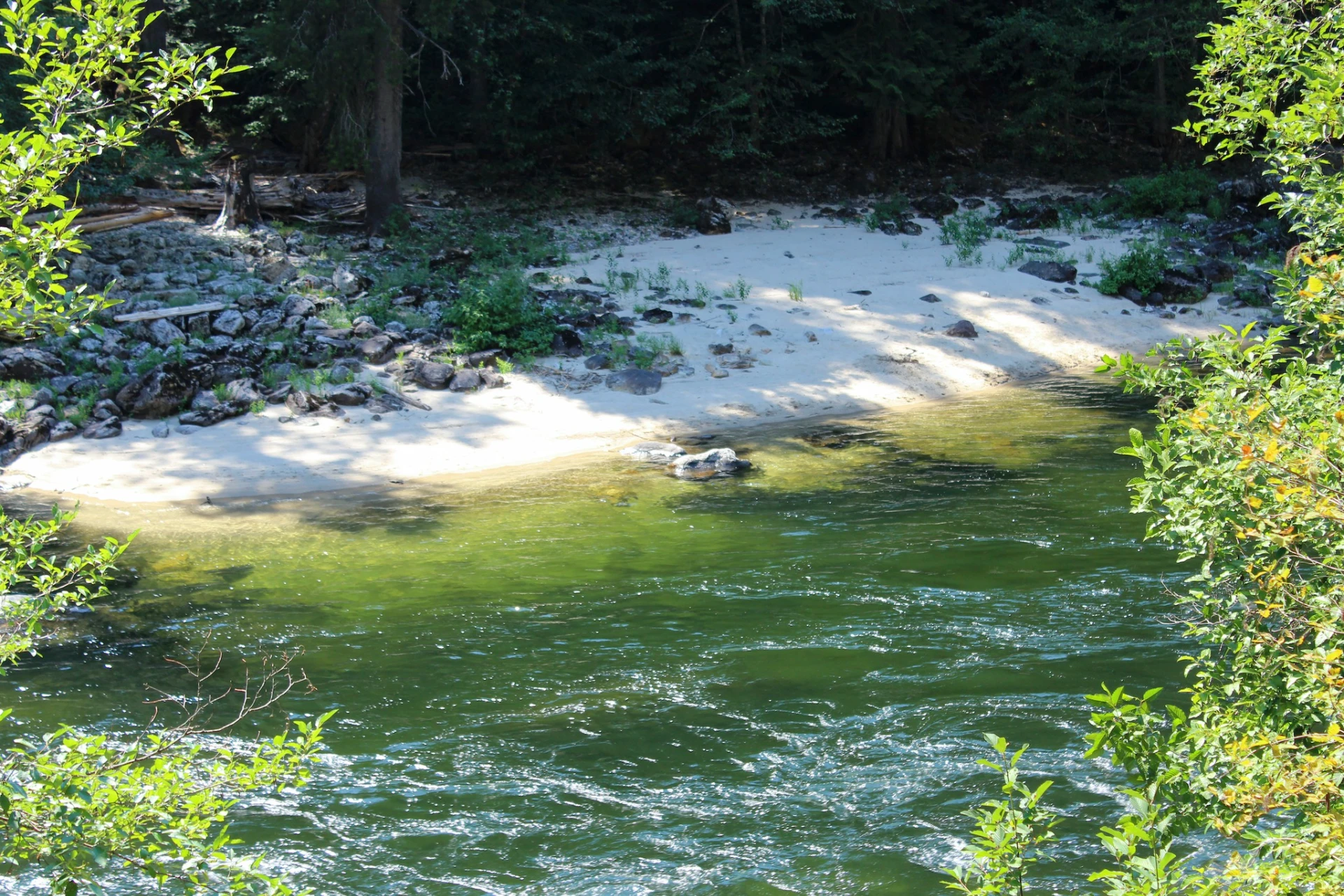
The North Fork Clearwater River in Idaho carves its way through the Bitterroot Mountains, a substantial river flowing 135 miles from its headwaters near Illinois Peak to its confluence with the Clearwater River below Dworshak Dam. The upper reaches are tight and steep, fed by countless small tributaries, before widening into a more pronounced valley where Kelly Creek, its largest tributary, joins. Forest Service Road #250 parallels much of this section, offering accessible pull-offs and trailheads for anglers. Further downstream, the river enters Dworshak Reservoir, a significant impoundment that alters the river's character. Below the dam, the North Fork runs for a short stretch before meeting the main Clearwater. The watershed is largely managed by the U.S. Forest Service, meaning much of the river corridor remains wild and undeveloped, providing a rugged backdrop for the fishing. This river supports a healthy population of westslope cutthroat trout and rainbow trout, with mountain whitefish also common. Anglers will find bull trout here as well, a species protected under the Endangered Species Act, so careful handling and release are paramount. Smallmouth bass are present, particularly in the lower sections and reservoir influence. While specific insect hatches aren't detailed here, expect a robust insect life supporting these species. Look to patterns that imitate stoneflies and caddis in the faster water, and smaller terrestrials or mayfly nymphs in calmer pools and along the banks. Downstream of the dam, the river's character changes, and tactics may need to adapt. Consider working the river sections accessible from Forest Service Road #250, focusing on runs and riffles for trout, and deeper pools for larger fish. When fishing the North Fork Clearwater River, focus your efforts on areas with good current seams, undercut banks, and structure like fallen logs or large rocks. The river's flow can be significant, so a sturdy wading staff is a good idea. For the trout and whitefish, a two-fly nymph rig with larger stonefly or caddis patterns trailed by a smaller pheasant tail or prince nymph can be effective. Dry fly fishing is best during periods of visible insect activity, so have a selection of Elk Hair Caddis, Stimulators, and terrestrial patterns ready. Smallmouth bass will respond to streamers and crayfish patterns, especially in the slower sections and near the reservoir. Remember that this is a wild river with limited access in many areas; be prepared for some hiking to reach the best spots. Always be aware of changing weather conditions in the mountains.
Clearwater River - North Fork Hatch Chart
Loading active hatches…
Quick Actions
Regulations
•
Seasonal Closures: This water has seasonal closures. Check local regulations for specific dates.
Trip Planning
Best fishing typically occurs during spring and summer. Check water conditions before heading out.
See what insects are emerging on Clearwater River - North Fork's hatch forecast — including active hatches, water temperatures, and which patterns to have in your box this month.
Get IdentaFly on your phone
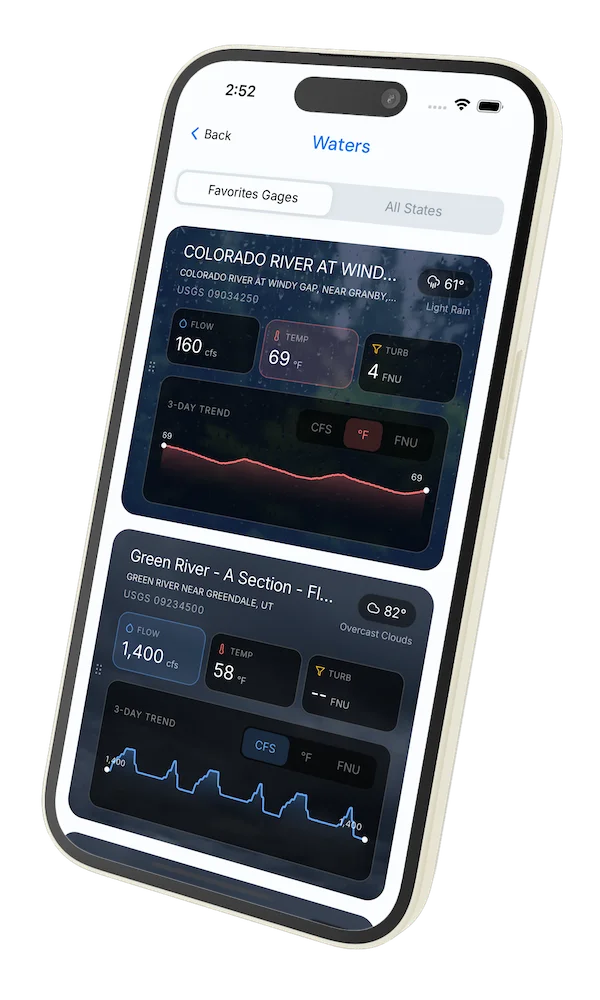
Hatch forecasts, river gages, fly scanning, and your journal — built for on-stream use. Be prepared before you get to the water. Free on the App Store and Google Play.


Conditions Report
Read tips and insights about recent conditions for Clearwater River - North Fork — gathered from on line sources.
Read the Conditions ReportWater conditions
Water conditions for the last 7 days. You can gain insights to fishing activity based on these conditions, like water temperature and flow.
Data sourced from USGS National Water Information System
Access
Seasons
Terrain
Water
Fish Species
Chinook salmon
Rainbow Trout
Regulations
•
Seasonal Closures: This water has seasonal closures. Check local regulations for specific dates.
Fishing Styles
Methods
•
Wade Friendly
Land Ownership
Public Forest Service