Connecticut River
CT
•
River
About Connecticut River
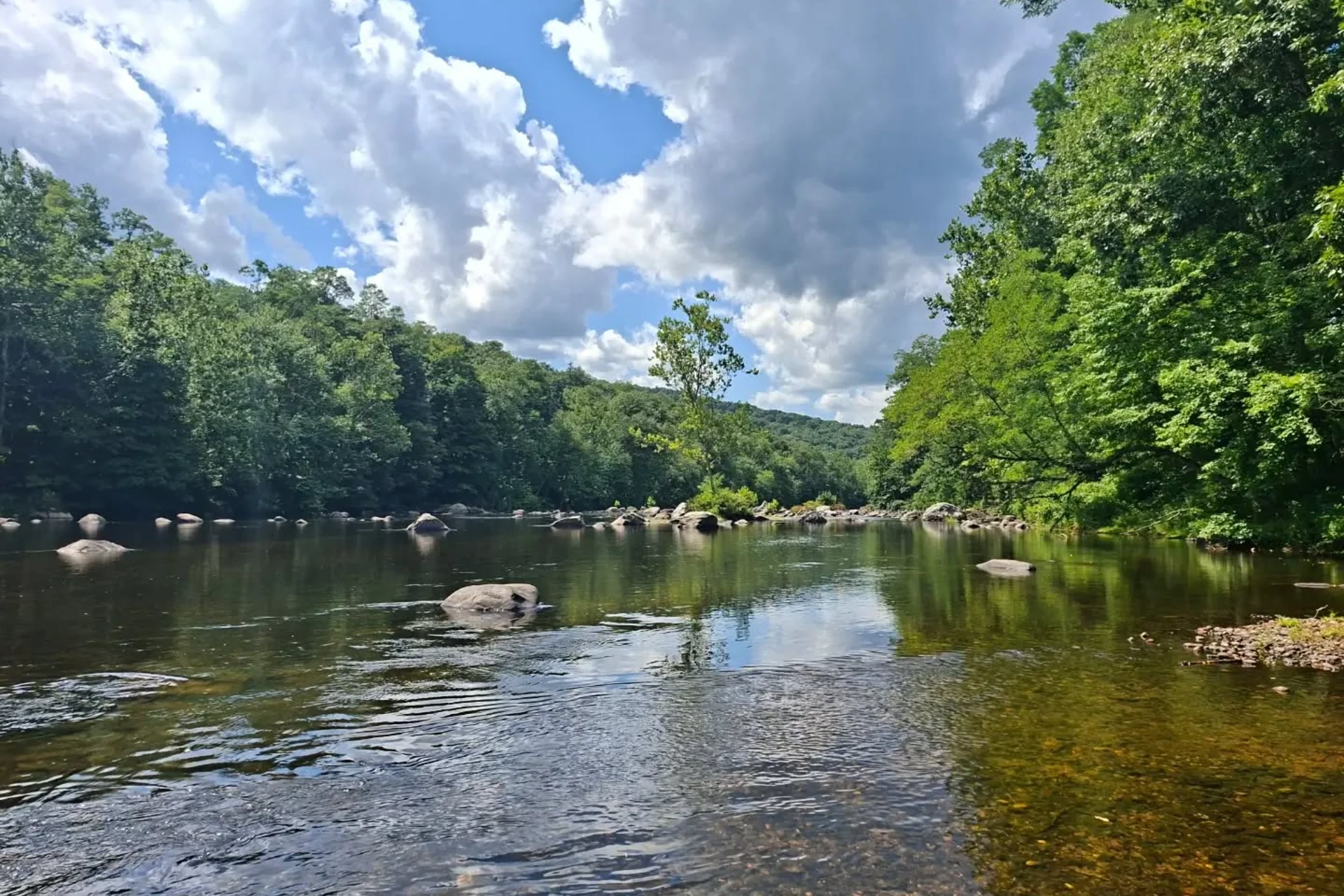
The Connecticut River is a massive interstate system that transitions from its upper freshwater reaches down into a sprawling tidal environment before merging with Long Island Sound. This scale requires looking at the river not as a single stream, but as a series of interconnected flats, channels, and backwaters. The dynamic environment ranges from high-current main-river seams and rocky structure to wing dams, quiet weedy sloughs, and slow-moving setbacks like the Oxbow. Along the shoreline, you will find marsh grass, muddy flats, and sudden drop-offs where the main channel cuts close to the bank, defining the physical boundary of the estuary. Visually, the river changes constantly with the tide, exposing shallow mud flats at low water and flooding the bankside vegetation at high tide. Accessing these expansive tidal zones and broad backwaters typically requires launching a boat or kayak to navigate effectively. Fortunately, the river features numerous public boat ramps distributed along its course to get your vessel in the water. Foot anglers can also find footing along specific shoreline points and bridge crossings, though your range will be more limited. When fishing from the bank or wading, you must constantly scan the water to locate the transition zones where shallow mud flats drop off into the deep, fast-moving currents of the main channels. These water level shifts create distinct current seams and eddies along the banks, making it critical to observe how the water drains out of the marsh bends to identify natural feeding funnels. This river holds a diverse mix of warmwater species and carp alongside its coldwater residents. Smallmouth bass hold tight to main-river rock, current seams, and wing dams where they can ambush prey. In contrast, largemouth bass and northern pike stack up in the weedy coves, setbacks, and quiet backwaters away from the heavy main flows. Walleye also relate closely to current and structure, though they remain most active during low-light periods. Carp dominate the muddy coves and slow-moving tidal pockets of the main stem, rooting through the silt for food in the shallow flats, which offers a highly visual sight-fishing game when water clarity allows. Trout, including wild, stocked, and sea-run brown trout, utilize the main stem of the Connecticut River as a migration corridor, moving actively through tidal waters and swimming into the cooler flowing tributaries. These trout feed heavily on baitfish, adjusting their positions constantly based on the temperature and salinity of the incoming tides rather than holding in permanent river lies. To target these migrating trout, swing heavy streamers or retrieve baitfish imitations along deep drop-offs and current seams. For smallmouth bass around the main-river current structures, work drop shots, tubes, and crankbaits. Target largemouth bass in the weedy coves with stick worms, Texas rigs, and spinnerbaits, while switching to large swimbaits and spoons on a wire leader when targeting northern pike in the weedy backwaters. Targeting carp in the tidal coves requires stealth and weighted presentations that sink quickly to the bottom without spooking fish in the shallows. Specific sections of the river are designated as Atlantic Salmon Management Areas, which carry strict gear rules requiring a single fly or a single-hook artificial lure with a single free-swinging hook. Downstream of the Arigoni Bridge, unique opportunities also exist under enhanced bow and arrow fishing regulations for specific species. Wading these tidal mudflats demands caution due to the soft, sucking bottom and the rapid rise of the incoming tide, so check the tide tables to map your entry and exit points before stepping off the bank.
Connecticut River Hatch Chart
Loading active hatches…
Quick Actions
Regulations
•
Catch & Release: All fish must be immediately released. Handle with care using barbless hooks.
•
Seasonal Closures: This water has seasonal closures. Check local regulations for specific dates.
Trip Planning
Best fishing typically occurs during spring and summer. Check water conditions before heading out.
See what insects are emerging on Connecticut River's hatch forecast — including active hatches, water temperatures, and which patterns to have in your box this month.
Get IdentaFly on your phone
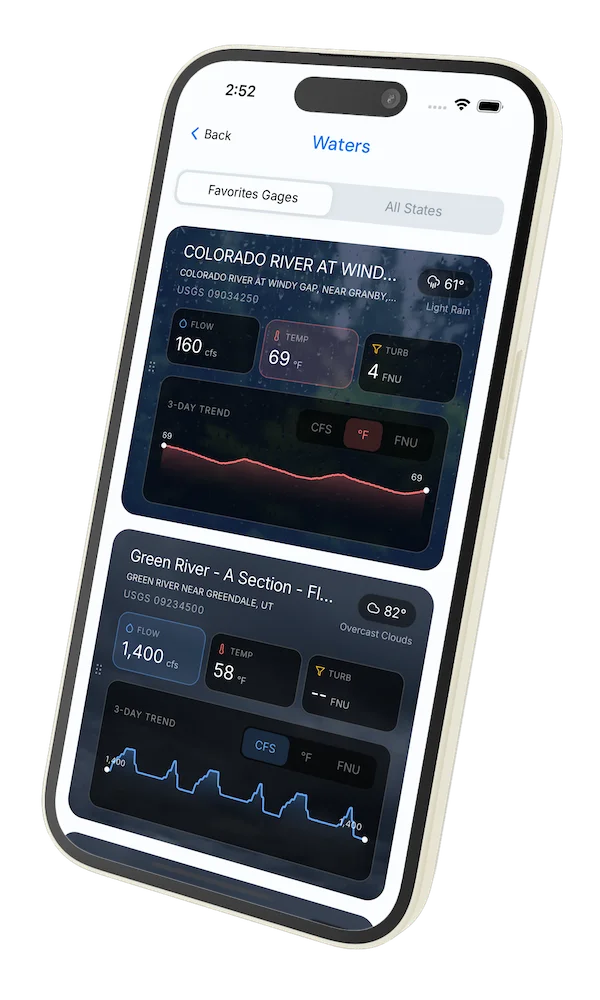
Hatch forecasts, river gages, fly scanning, and your journal — built for on-stream use. Be prepared before you get to the water. Free on the App Store and Google Play.


Water conditions
Water conditions for the last 7 days. You can gain insights to fishing activity based on these conditions, like water temperature and flow.
Data sourced from USGS National Water Information System and NOAA National Water Prediction Service (NWPS)
Access
Seasons
Terrain
Water
Fish Species
Carp
Brown Trout
Trout
Smallmouth Bass
Largemouth Bass
Pike
Striper
Regulations
•
Catch & Release: All fish must be immediately released. Handle with care using barbless hooks.
•
Seasonal Closures: This water has seasonal closures. Check local regulations for specific dates.
Fishing Styles
Methods
•
Wade Friendly
•
Float Friendly