Farmington River
CT
•
Tailwater
About Farmington River
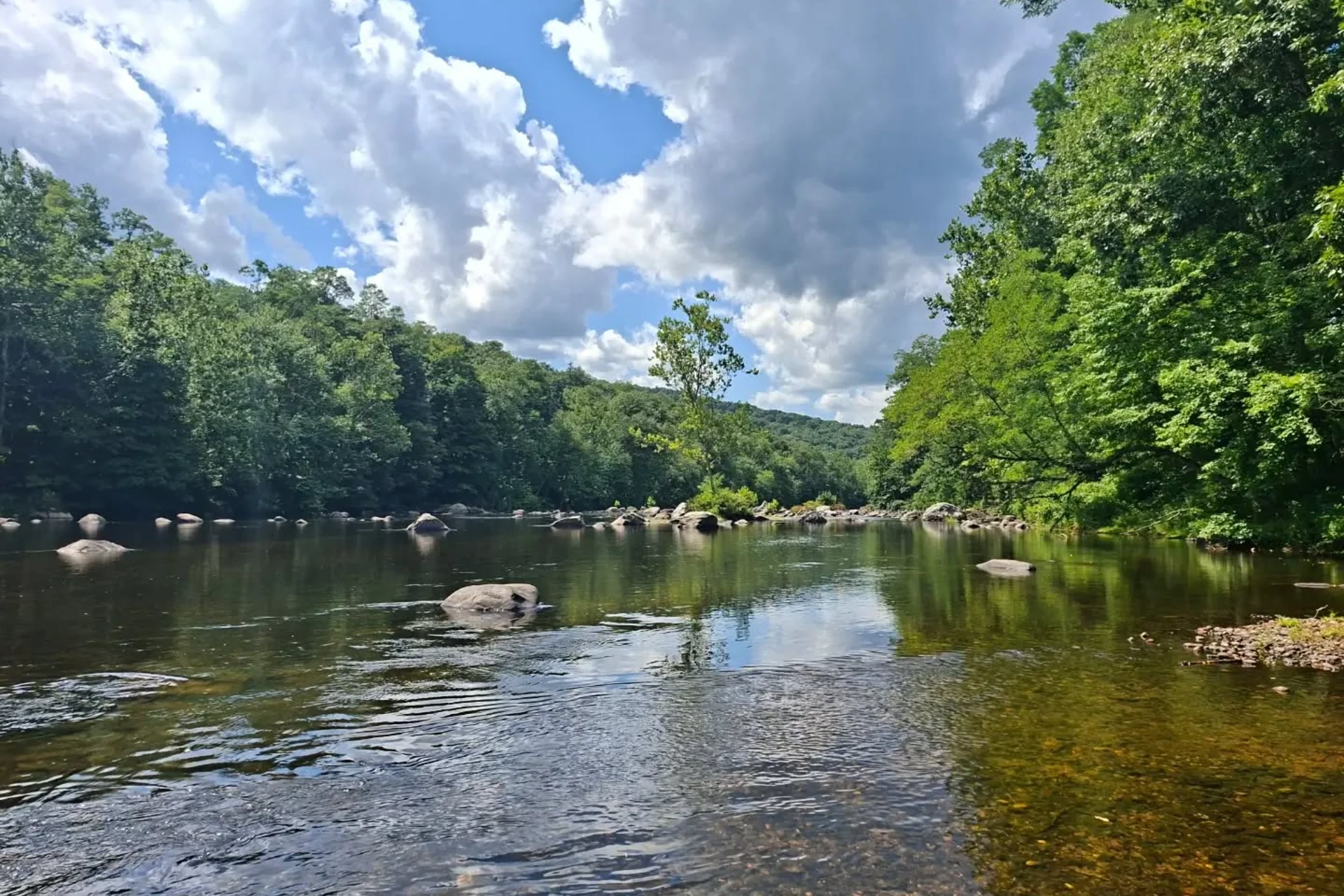
The Farmington River offers highly stable fishing conditions due to the cold tailwater flows released from the bottom of upstream reservoirs. These deep-water releases keep the West Branch cool throughout the heat of summer and prevent the river from icing up during the winter. Anglers on this river find a classic freestone character dominated by large boulders, pocket water, and deep pools. The riverbed features long, deep sections that hold water temperature steady and provide excellent holding water for trout throughout the year. This consistent flow regime allows for predictable water levels, though the heavy boulder fields require careful wading. Getting down to the water is straightforward because of the numerous parking areas, walking trails, and biking trails that run along the river corridor. Key access points start upstream around the Route 318 Bridge, which serves as a major landmark for anglers mapping out their day. Further downstream, the Route 219 Bridge in New Hartford provides direct entry to productive stretches of pocket water and slower runs. Continuing down the system, the Route 177 Bridge offers another solid staging area to access the lower sections of the river. These distinct access zones allow you to split the river into manageable sections and hike along the banks to find uncrowded water. The Farmington River holds a diverse mix of wild, stocked, and holdover fish, including brown trout, rainbow trout, and brook trout. Experienced anglers target the trophy brown trout that regularly exceed twenty inches in the deeper, more structured runs. Insect life on the river is prolific, with consistent hatches of caddis and Isonychia, commonly known as Isos, driving the surface activity. During periods when active hatches are sparse, terrestrial insects like ants become a primary food source for fish tight to the banks. Knowing which bug is on the water helps you narrow down your target zone, as the trout will shift from the deep foam lines to the shallow tailouts depending on what is drifting. Euro nymphing is incredibly popular and effective here, allowing anglers to get heavy flies quickly down into the seams around large boulders. Using a tight-line setup helps maintain direct contact with your flies in the turbulent pocket water. When the sun begins to drop, switching to dry fly gear becomes the go-to method for targeting rising fish in the tails of the pools. Presenting active hatch matches or terrestrial ant patterns along the seams and bubble lines works best during the evening hours. Keep in mind that the Upper Trout Management Area features year-round catch-and-release rules and strictly requires the use of barbless hooks.
Farmington River Hatch Chart
Loading active hatches…
Quick Actions
Regulations
•
Catch & Release: All fish must be immediately released. Handle with care using barbless hooks.
Trip Planning
Best fishing typically occurs during year round. Check water conditions before heading out.
See what insects are emerging on Farmington River's hatch forecast — including active hatches, water temperatures, and which patterns to have in your box this month.
Get IdentaFly on your phone
Hatch forecasts, river gages, fly scanning, and your journal — built for on-stream use. Be prepared before you get to the water. Free on the App Store and Google Play.


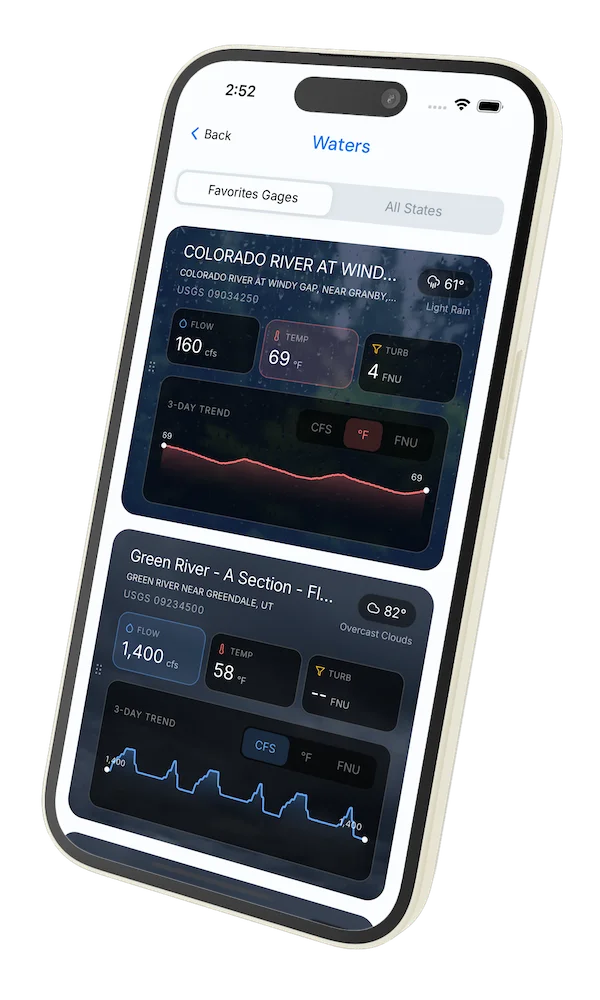
Water conditions
Water conditions for the last 7 days. You can gain insights to fishing activity based on these conditions, like water temperature and flow.
Data sourced from USGS National Water Information System
Access
Seasons
Terrain
Water
Fish Species
Brown Trout
Rainbow Trout
Brook Trout
Regulations
•
Catch & Release: All fish must be immediately released. Handle with care using barbless hooks.
Fishing Styles
Methods
•
Wade Friendly