Colorado River - Lower
CO
•
River
About Colorado River - Lower
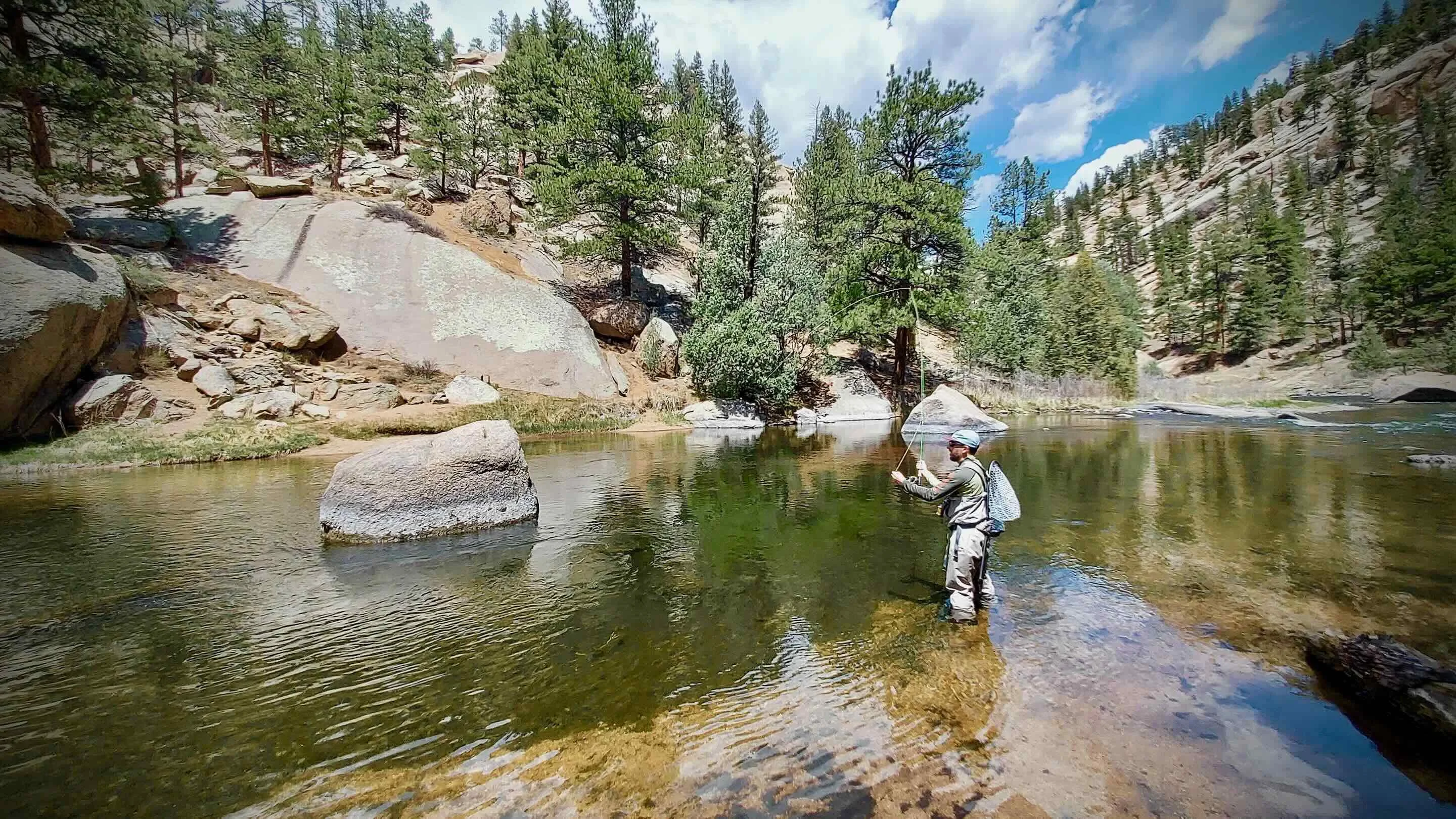
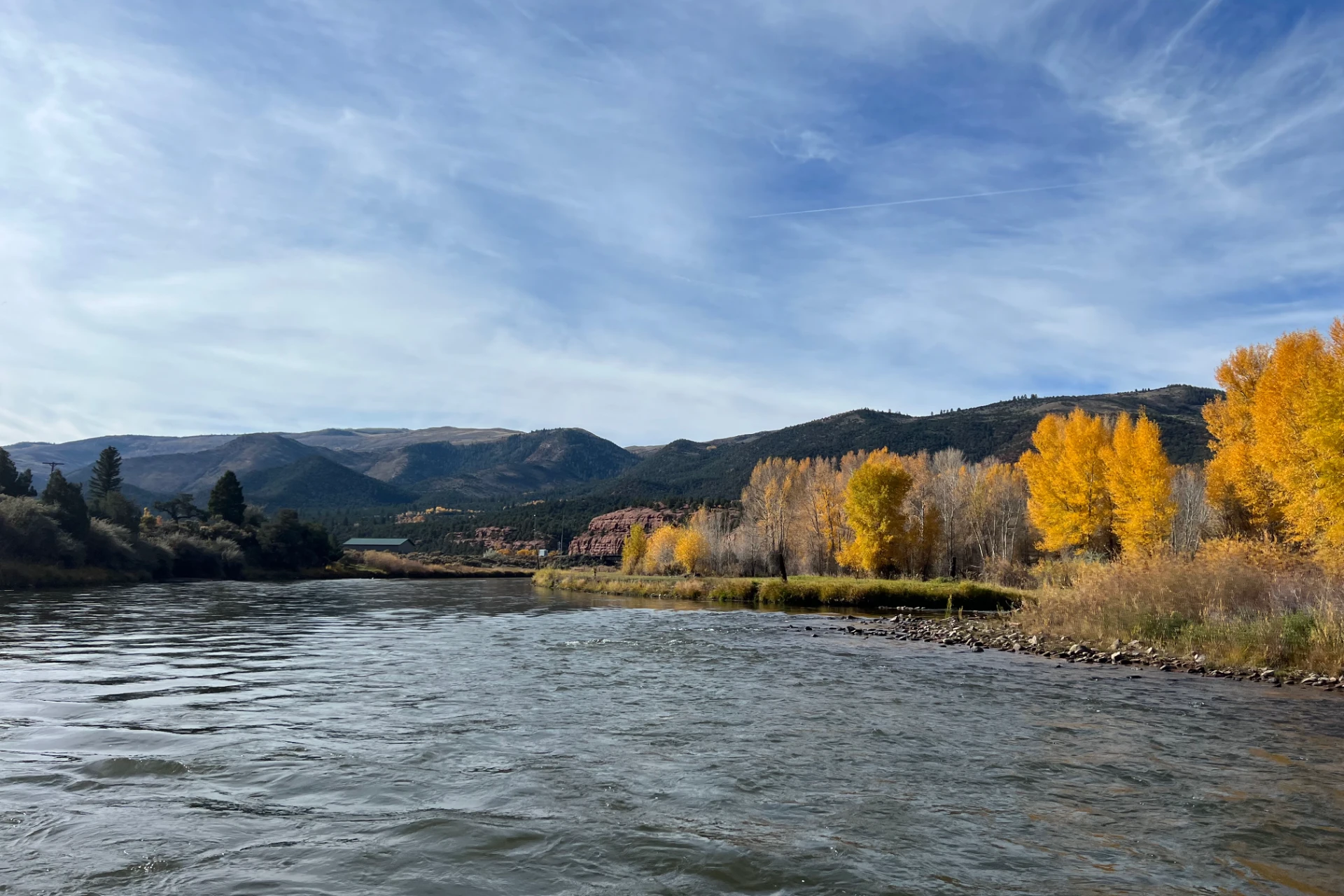
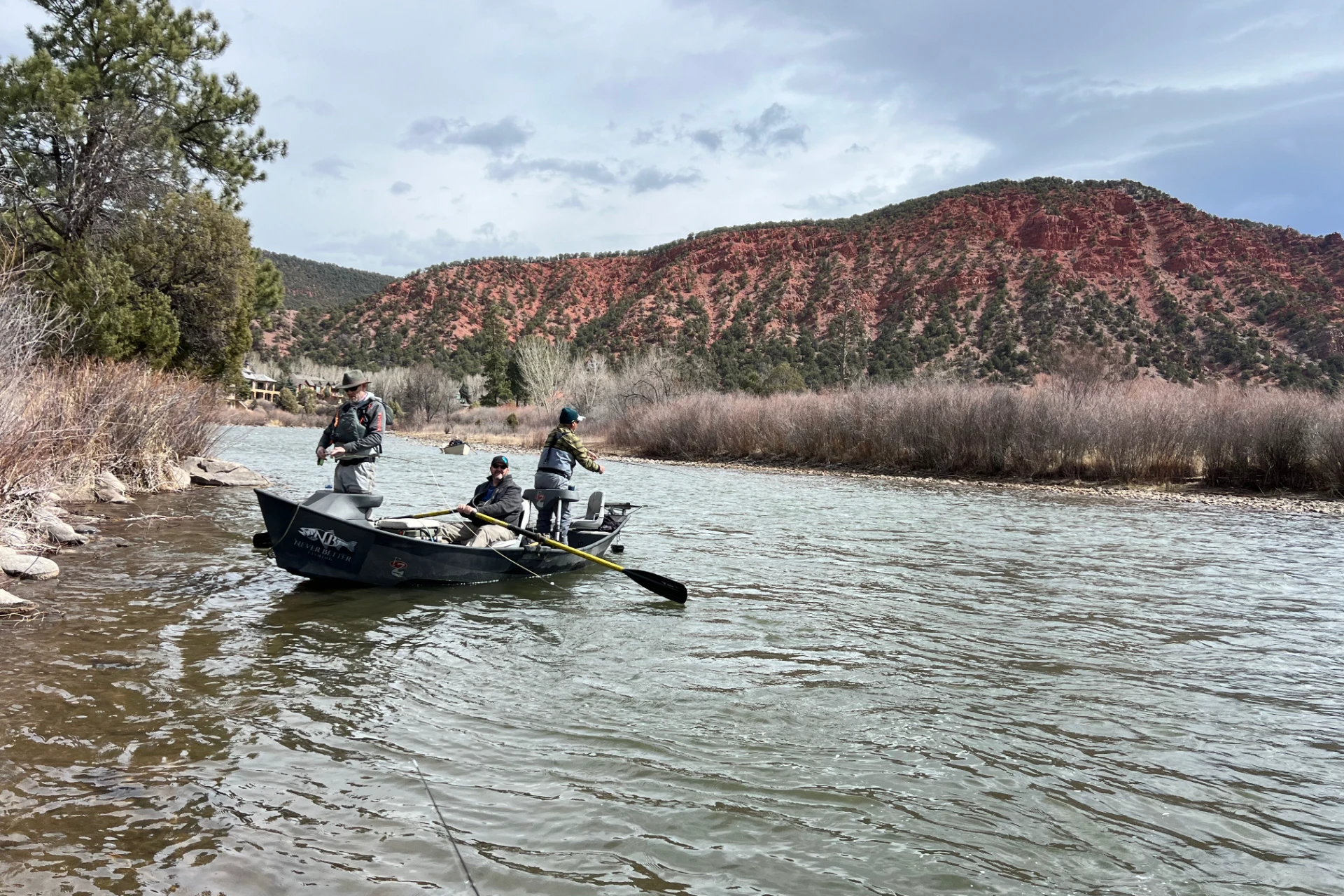
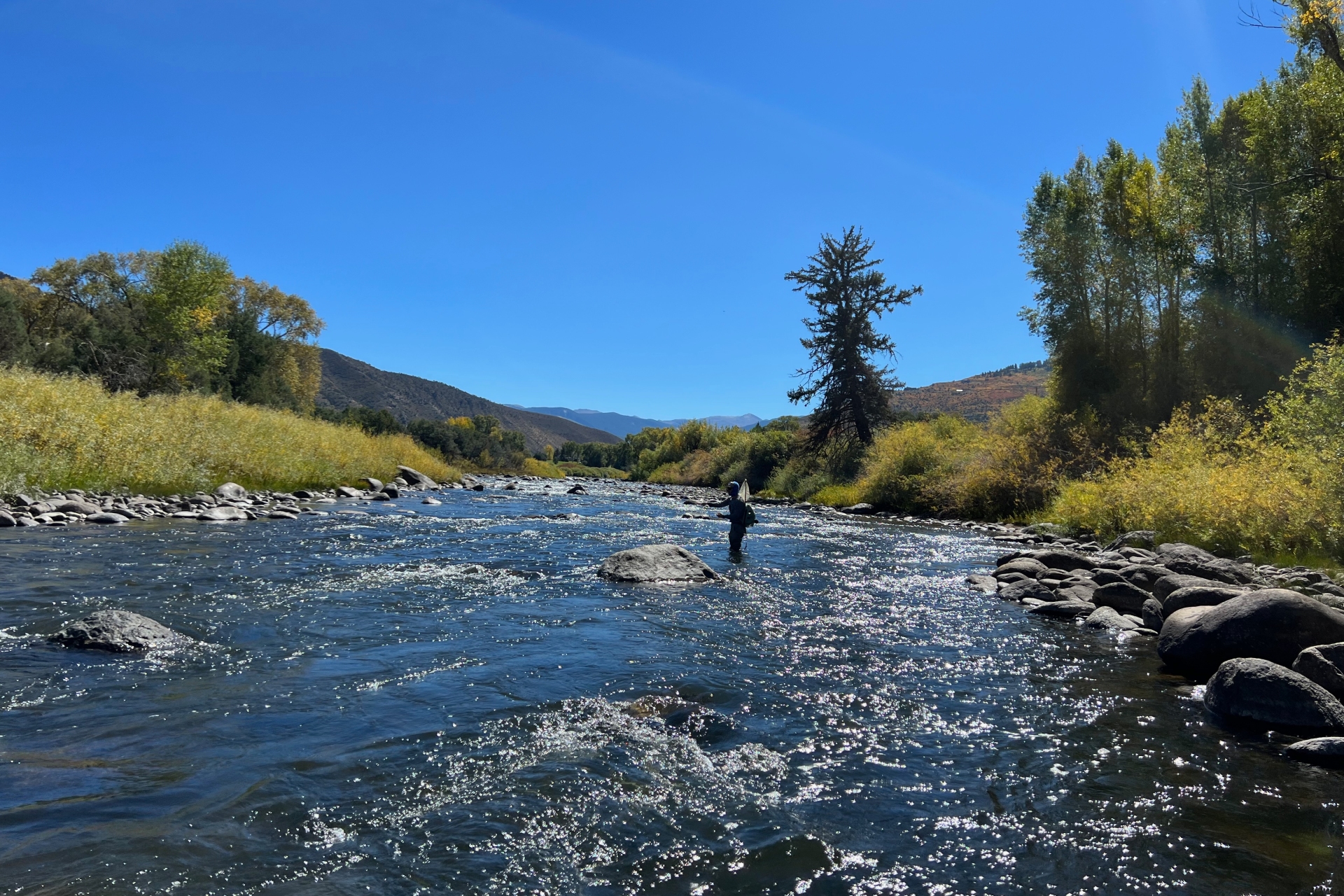
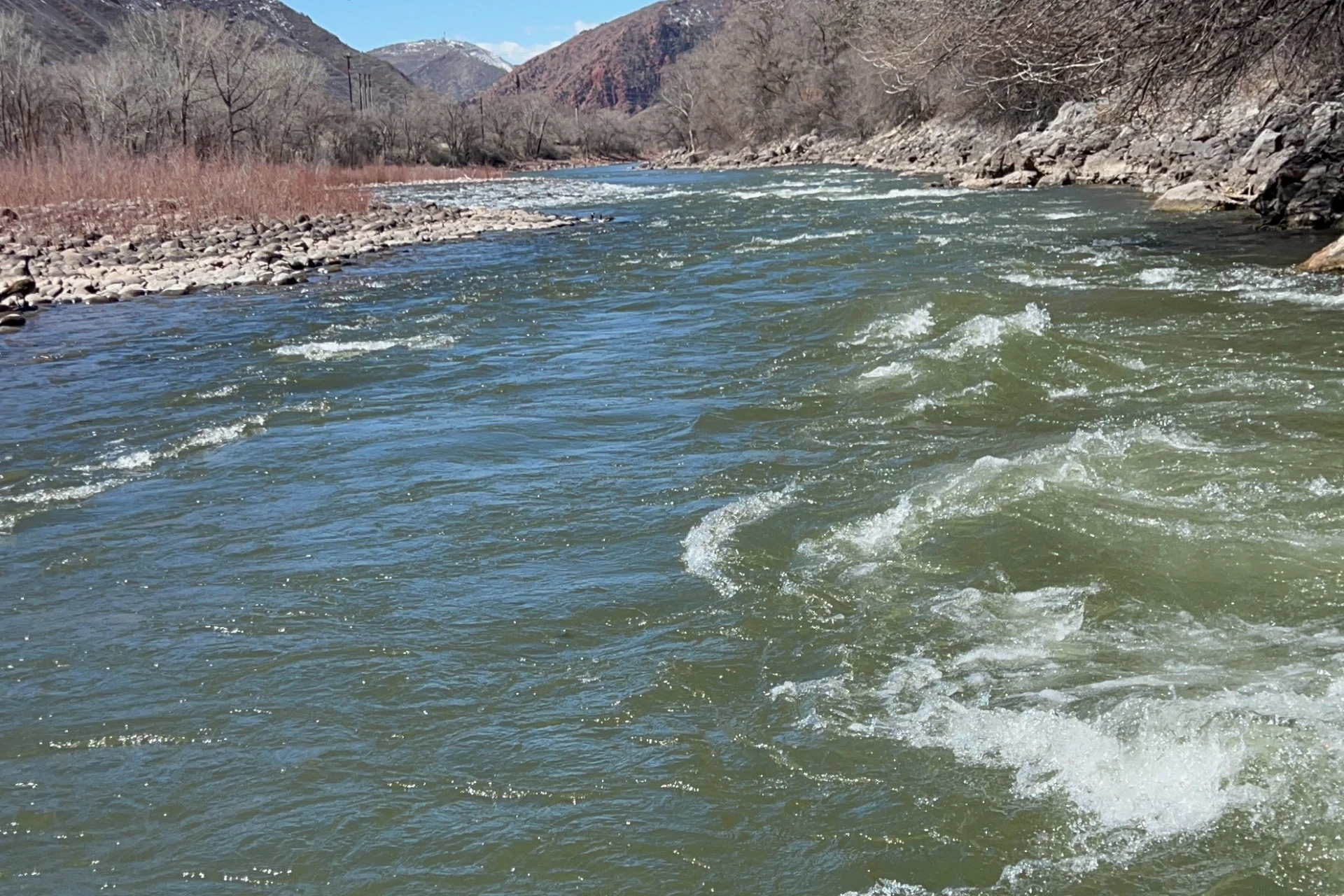
The Lower Colorado River below Glenwood Springs is a large freestone river, growing significantly after its confluence with the Roaring Fork. It flows through the towering cliffs of Glenwood Canyon and steep, rocky banks before opening into a wider valley. Expect good riffles and rocky bank water throughout, with some sections featuring long riffles and distinct rocky pockets that hold fish. While the rowing is generally mild, be prepared for large wave trains if you're out during high water. This river can also experience extended periods of muddy water from early spring through early summer, so check conditions before you go. Accessing the Lower Colorado is straightforward for floaters, with public boat ramps conveniently located near I-70 exits. These ramps range from maintained concrete launches to unimproved dirt pullouts. Popular float sections include the five-mile stretch from Grizzly Creek to Two Rivers Park, or the seven-mile run from NewCastle to Silt. Shuttles are available through services like Charm Shuttles or On the Fly Shuttles. The river's ownership is a mix of public and private land, but float fishing provides the best way to cover water and reach fish that are otherwise difficult to access from shore. Fish can be found tucked into rocks by the shore, along seams, in eddies, or deep within the main river channel. Anglers here will find a balanced mix of brown trout and rainbow trout, along with a healthy population of whitefish. While the typical catch ranges from 10 to 18 inches, the Lower Colorado holds the potential for much larger fish. Trout in the 24-30 inch range are always a possibility, and fish over 30 inches are occasionally landed. Float fishing offers a significant advantage over wading due to the river's size and current, allowing you to cover more ground efficiently. When conditions are right and hatches are active, dry fly fishing can be excellent. Midge hatches occur year-round and are particularly important from late fall through winter and into spring. Spring also brings reliable Blue Wing Olive hatches. As spring transitions to summer, look for the Mother’s Day Caddis Hatch, which often begins well before the actual holiday. Summertime fishing sees active terrestrial patterns, including ants from mid-spring through early fall, beetles from late spring through early fall, and hoppers from early summer through early fall. A strong Green Drake hatch begins in late June, and Pale Morning Duns are active from early summer into mid-fall. When dry flies aren't producing, nymphing remains a consistently effective tactic. During summer terrestrial season, suspending searching attractor nymph patterns under large foam hoppers can be very productive. For anglers specifically targeting the largest trout, those over 30 inches, rig a stout seven-weight rod with a sink tip or full sinking line, a short fifteen-pound test leader, and extremely large streamers, typically five to eight inches long. Almost any fly type can be effective here, so be prepared to experiment with your presentation.
Colorado River - Lower Hatch Chart
Loading active hatches…
Quick Actions
Trip Planning
Best fishing typically occurs during year round and spring. Check water conditions before heading out.
See what insects are emerging on Colorado River - Lower's hatch forecast — including active hatches, water temperatures, and which patterns to have in your box this month.
Get IdentaFly on your phone
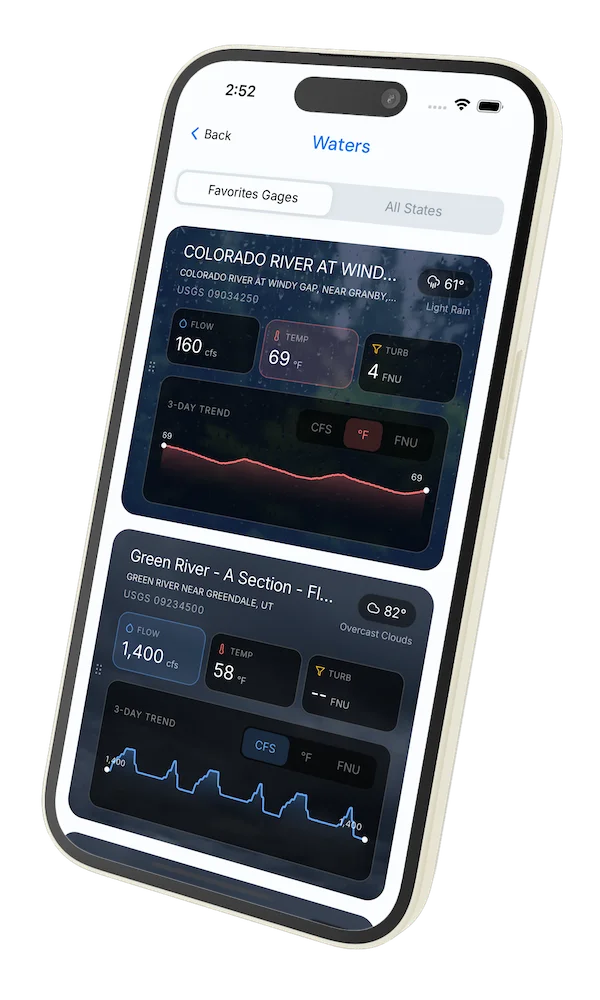
Hatch forecasts, river gages, fly scanning, and your journal — built for on-stream use. Be prepared before you get to the water. Free on the App Store and Google Play.


Conditions Report
Read tips and insights about recent conditions for Colorado River - Lower — gathered from on line sources.
Read the Conditions ReportWater conditions
Water conditions for the last 7 days. You can gain insights to fishing activity based on these conditions, like water temperature and flow.
Data sourced from USGS National Water Information System
Access
Seasons
Terrain
Water
Fish Species
Rainbow Trout
Brown Trout
Whitefish
Fishing Styles
Methods
•
Float Friendly
•
Wade Friendly
Land Ownership
Public Forest Service
Private With Easement