The Cosseboom
0 / 5
(0 Reviews)
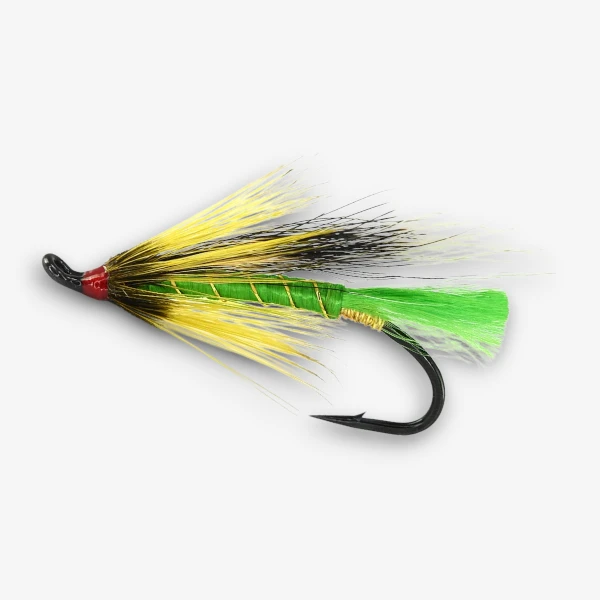
Description
The Cosseboom fly, created in the 1920s by American angler John C. Cosseboom of Woonsocket, Rhode Island, is a classic Atlantic salmon fly pattern originally designed for use on the Margaree River in Nova Scotia, Canada. Cosseboom, known for his skills as both an angler and fly tyer, developed the fly to mimic the appearance of small fish or other prey species that Atlantic salmon are likely to target in the river. The fly is known for its vibrant color combination, typically featuring dark tones complemented by bright accents, making it highly visible in the often murky waters of the Margaree River. Over time, the Cosseboom has become a staple pattern for salmon anglers, prized for its ability to attract fish with its lifelike movement and contrasting colors
Curated by the IdentaFly fly fishing team.
Pro Tip
To best imitate the natural movements of small prey, retrieve the Cosseboom fly slowly with long, steady pulls or occasional pauses. This will allow the fly to drift naturally through the water, mimicking the erratic movement of struggling fish or prey items.

Reviews
0
0 Ratings
0 Reviews
Fly Tying Recipe
- Hook: Mustad 9672, size 4-8
- Thread: 6/0 or 8/0 black or orange
- Body: Red chenille or dubbing
- Tail: Black marabou or synthetic fibers
- Ribbing: Fine silver or gold wire
- Wing: Black and white bucktail or synthetic fibers
- Flash: Optional silver or pearl flash
- Head: Black thread head or a small bead