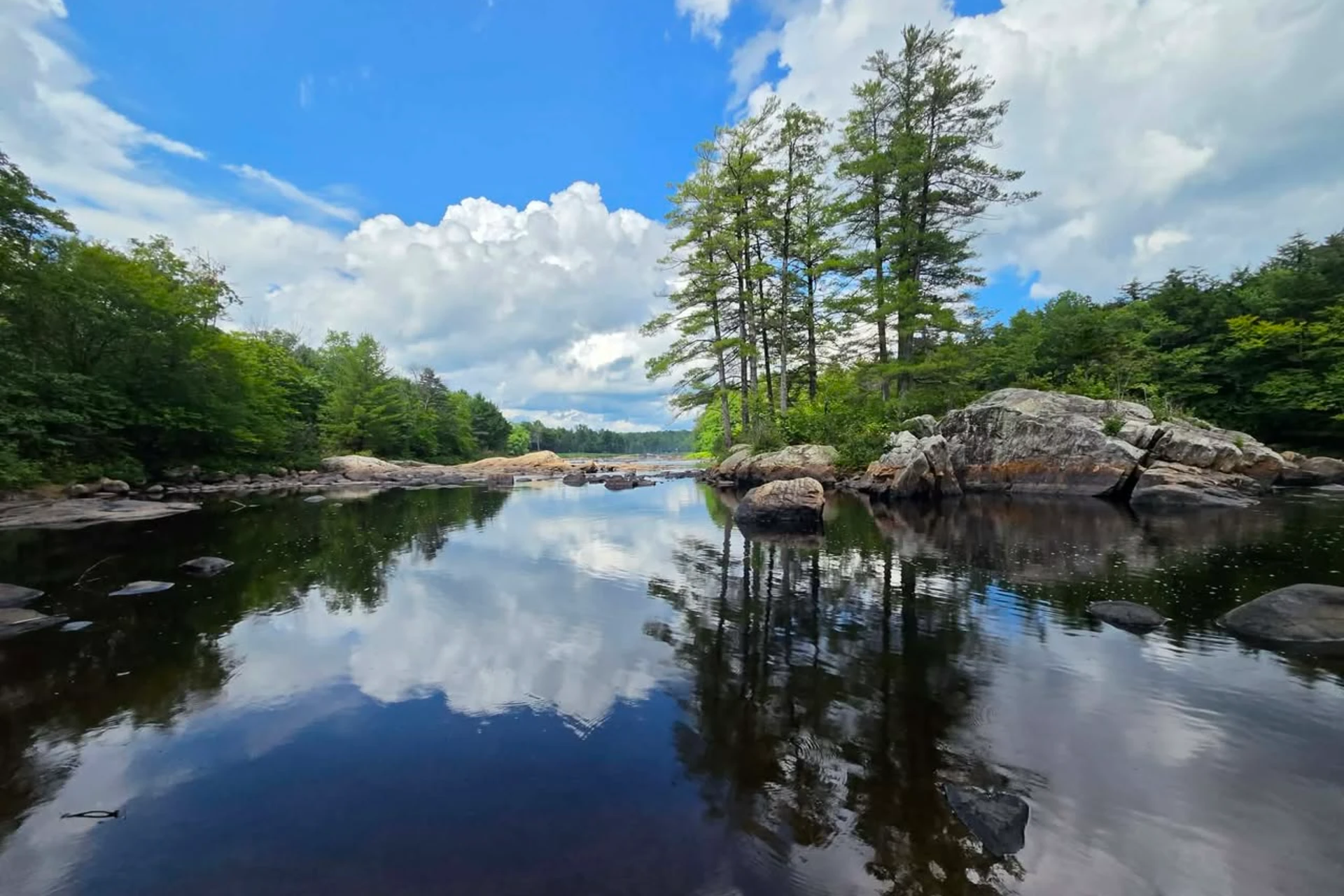
Moose River
VT
•
River
About Moose River
The Moose River in Caledonia County is a small, low-volume Vermont stream that typically runs at an average of 225 cubic feet per second. This modest volume means the river is highly wadeable, offering close-quarters fishing where long casts are rarely necessary. The main stem of the river is fed by an interconnected network of small tributary streams and unnamed streamlets that keep the system moving. These small feeder streams act as cold-water inputs, which are critical to locate when you are scouting the river corridor. Paying attention to where these minor flows enter the main channel will help you pinpoint where fish concentrate during different parts of the day. For access and orientation, the town of Victory is a primary starting point where the USGS flow gauge is located. Checking this gauge before you head out provides a clear picture of the current water levels, helping you decide whether to fish the upper stretches or head further down. From Victory, the river flows south and west until it joins the Passumpsic River at St. Johnsbury. Wading along these sections requires navigating a mix of gravel bars, small boulder gardens, and overhanging bank vegetation. The physical makeup of the riverbed shifts as you move downstream, transitioning from gravel flats to quicker pocket water near the confluence. This variety of structure means you can fish different water types all in the same afternoon. When it comes to the fish, the main river is stocked with rainbow trout and brown trout that average around 9 to 9.3 inches in length. These stocked trout tend to hold in the classic holding lies, such as the soft edges of main currents, behind larger boulders, and in the deeper transition pools. Meanwhile, the interconnected headwater tributaries support a robust population of native brook trout. These wild brookies are highly opportunistic, occupying the tightest pocket water and the shallow pools of the feeder streams. To target these native fish, you will need to leave the main stem behind and hike into the smaller, brush-lined tributaries where stealth is the most important tool in your kit. Keeping a low profile on the approach prevents these wild fish from darting under the banks before you can make a cast. Fishing a low-volume river like the Moose requires a highly tactical approach to presentation and wading. Because the typical flow is around 225 CFS, heavy indicator rigs will often splash too loudly and spook trout in the shallower runs. Instead, opt for light dry-and-dropper setups or single unweighted nymphs fished under a small yarn indicator to keep your drift natural. Keep your wading path quiet, stepping slowly through the tailouts and casting upstream into the riffles to keep yourself out of the fish's line of sight. Work the seam lines carefully where the main current meets the slower bank water, and make sure to drift your fly right through the mixing zones where the unnamed streamlets join the main river. Wet wading is often the most comfortable way to navigate these cobble bottoms, provided you wear felt or sticky rubber soles to grip the slick stones.
Moose River Hatch Chart
Loading active hatches…
Quick Actions
Trip Planning
Best fishing typically occurs during spring and summer. Check water conditions before heading out.
See what insects are emerging on Moose River's hatch forecast — including active hatches, water temperatures, and which patterns to have in your box this month.
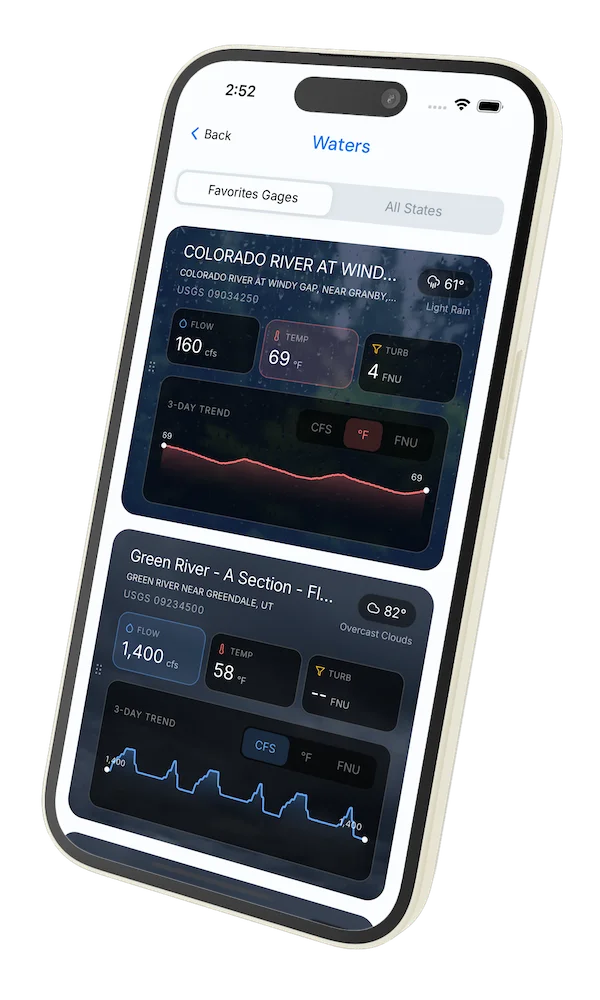
Get IdentaFly on your phone
Hatch forecasts, river gages, fly scanning, and your journal — built for on-stream use. Be prepared before you get to the water. Free on the App Store and Google Play.


Water conditions (USGS)
Water conditions for the last 7 days. You can gain insights to fishing activity based on these conditions, like water temperature and flow.
Data sourced from USGS National Water Information System
Access
Seasons
Terrain
Water
Fish Species
Brook Trout
Brown Trout
Rainbow Trout
Methods
•
Wade Friendly
•
Raftable