Missisquoi River - Upper
VT
•
River
About Missisquoi River - Upper
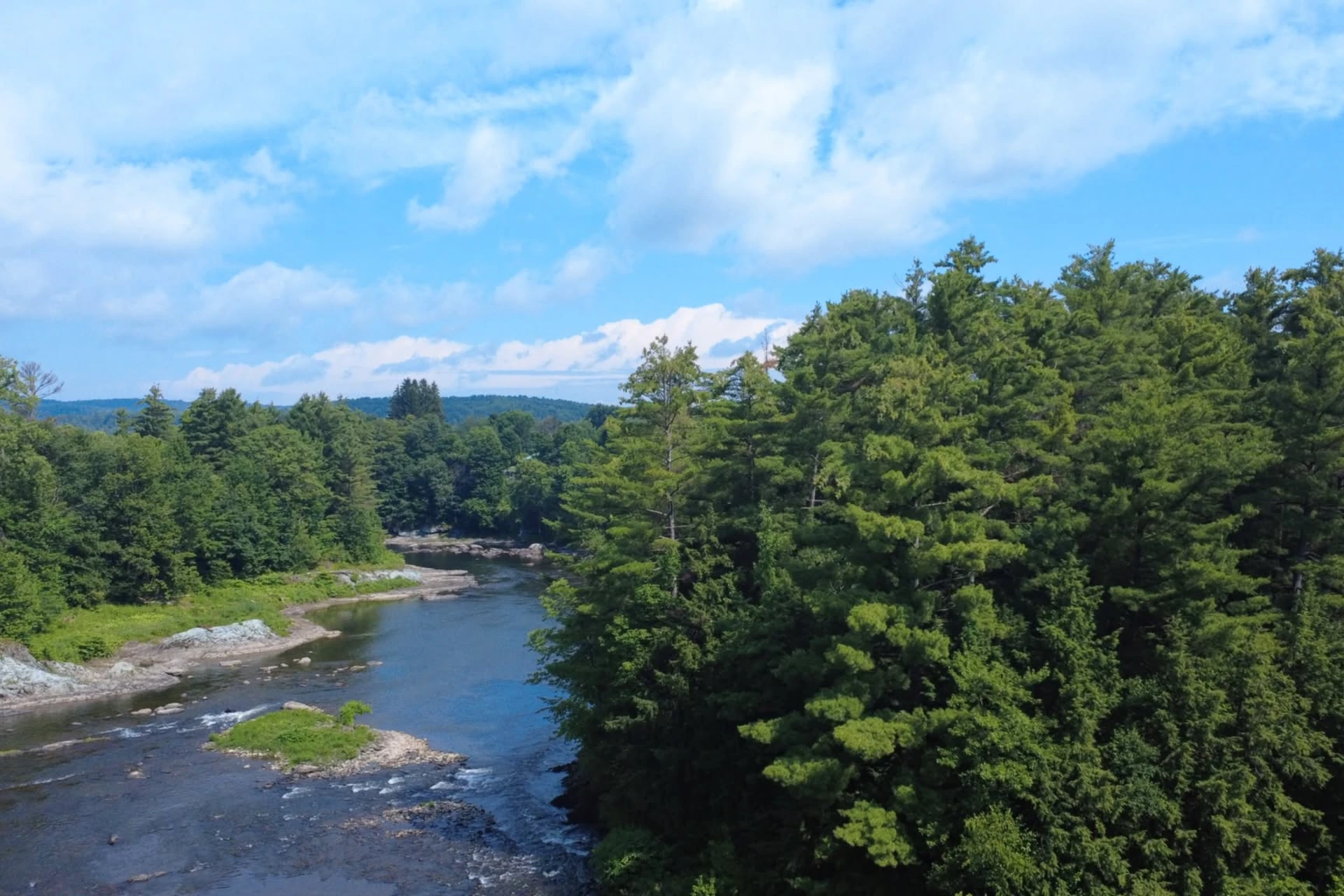
The upper reaches of the Missisquoi River flow through the far northern corner of Vermont, running close to the Quebec border near North Troy. This section of the river has a distinctly remote character, cutting through a landscape of dense woods and open fields. Anglers can access the water near the border crossing and along local roads in the North Troy area where the river channel narrows and winds. The riverbed here is a mix of clean gravel bars, pocket water behind dark boulders, and deep pools carved into the bends. The banks are heavily vegetated, creating tight overhead cover and slow-flowing seams along the margins that require careful wading and precise positioning. Wading the upper river requires watching the water color and flow velocity, as the gradient shifts from quick riffles to long, flat pools. The water runs cold and clear, allowing you to visually map out the bottom structure, depth changes, and current seams before making a cast. High-gradient sections feature rocky runs where the water breaks over cobble, while the slower reaches offer wider channels with silty edges and overhanging sweepers. This variety of river structure means you must constantly adapt your approach, stepping softly along the bank to avoid sending ripples across the flat tailouts. The river's high clarity means the fish are easily spooked, making a low-profile wading approach and drag-free drifts essential. Wild brook trout are the primary focus in these headwaters, alongside resident brown trout and rainbow trout that hold in the deeper runs. While the larger river system also hosts muskellunge, American shad, and walleye downstream, the upper reaches near North Troy remain dedicated cold-water trout territory. Insect life is rich, with steady hatches of Blue-Winged Olives, Hendricksons, Sulphurs, and various caddis species, along with year-round midges. During a hatch, matching the size and silhouette of these insects is critical, using small dark mayfly imitations for the olives or slim midge pupae in the surface film. When the surface is quiet, drifting weighted nymphs through the deeper pockets or swinging caddis pupae patterns through the riffles will draw strikes from the wild brookies holding near the bottom. When cold fronts push through the region, the trout drop into the deepest pockets and require slow, deep nymphing tactics to reach them. You will need to add split shot to your leader and use a sensitive strike indicator to detect the subtle takes of fish hugging the riverbed in the cold currents. Conversely, when a hatch of Blue-Winged Olives starts, look for fish rising in the slow seams and tailouts, where a delicate presentation with a long leader is necessary to prevent lining the trout. During the pre-spawn period, keep a close eye on the gravel shallows and avoid wading through active brook trout redds to protect the next generation of wild fish. Before you head out, pack a pair of polarized glasses to help spot these gravel depressions, and ensure you have a solid wading staff to navigate the slick granite runs safely.
Missisquoi River - Upper Hatch Chart
Loading active hatches…
Quick Actions
Regulations
•
Catch & Release: All fish must be immediately released. Handle with care using barbless hooks.
•
Seasonal Closures: This water has seasonal closures. Check local regulations for specific dates.
Trip Planning
Best fishing typically occurs during spring and summer. Check water conditions before heading out.
See what insects are emerging on Missisquoi River - Upper's hatch forecast — including active hatches, water temperatures, and which patterns to have in your box this month.
Get IdentaFly on your phone
Hatch forecasts, river gages, fly scanning, and your journal — built for on-stream use. Be prepared before you get to the water. Free on the App Store and Google Play.


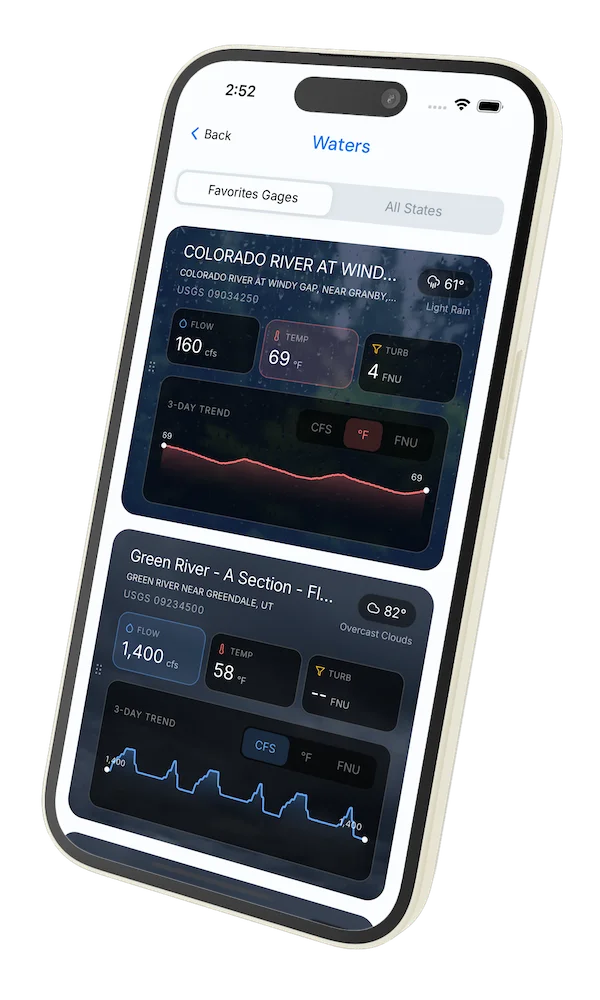
Water conditions (USGS)
Water conditions for the last 7 days. You can gain insights to fishing activity based on these conditions, like water temperature and flow.
Data sourced from USGS National Water Information System
Access
Seasons
Terrain
Water
Fish Species
Brook Trout
Brown Trout
Rainbow Trout
Muskie
Regulations
•
Catch & Release: All fish must be immediately released. Handle with care using barbless hooks.
•
Seasonal Closures: This water has seasonal closures. Check local regulations for specific dates.
Fishing Styles
Methods
•
Wade Friendly