Hoosic River
VT
•
River
About Hoosic River
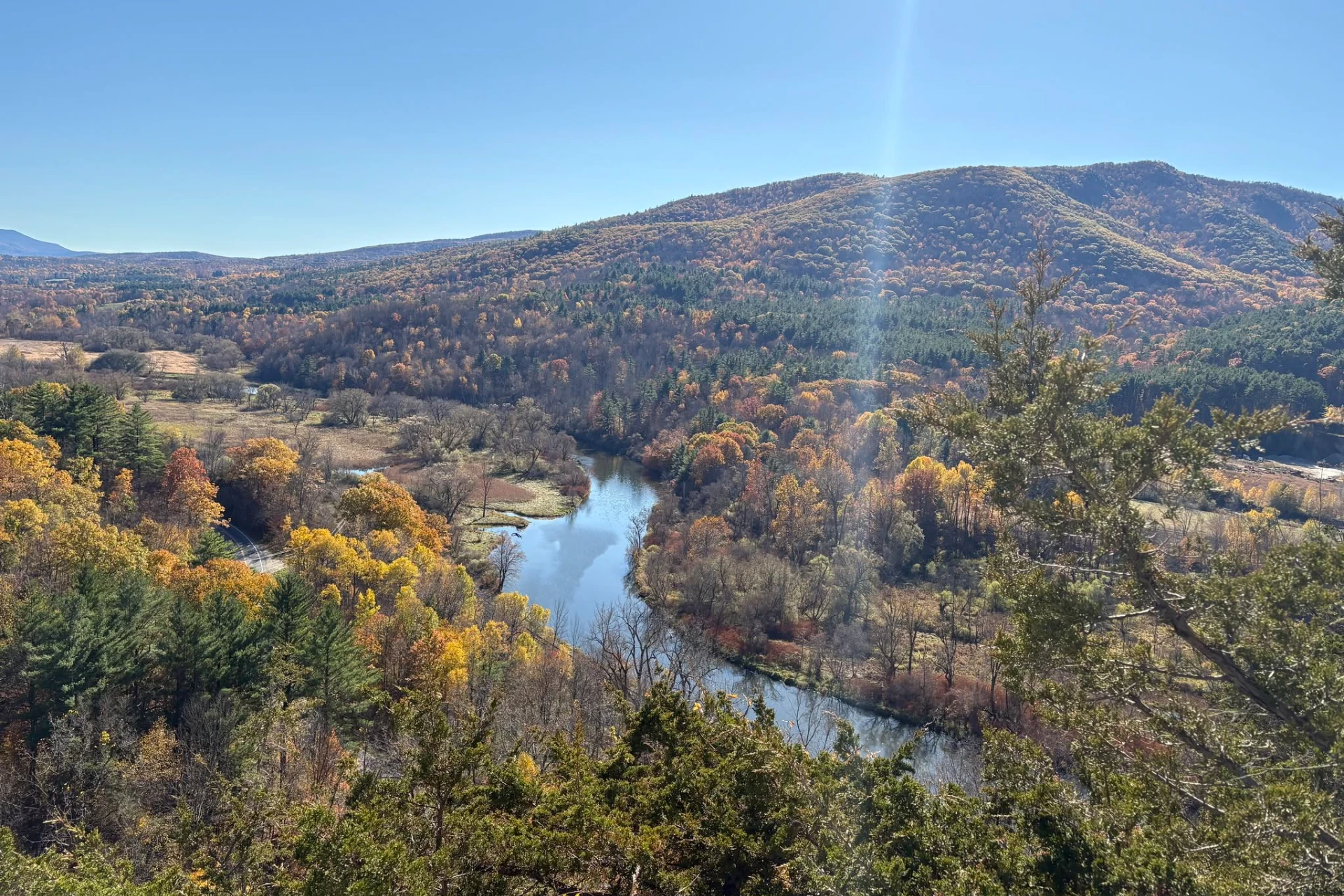
The Hoosic River flows as a classic freestone waterway, cutting through parts of Massachusetts and Vermont. Anglers targeting this river will find a diverse riverbed defined by a classic riffle-run-pool structure that offers distinct holding water for trout. High-gradient sections yield to slower, deeper stretches where the river carves out deep pools, complex pocket water, and shaded seams beneath overhanging bank vegetation. The flow is highly reactive to local weather, meaning water levels and clarity can shift rapidly immediately following rain events. This rapid rise can color the water quickly, altering where trout position themselves along the bottom. Getting on the water is straightforward, with several established public access points distributed across state lines. In Massachusetts, you can park and wade directly from Linear Park in Williamstown, which puts you right in reach of several productive runs. Further north in Vermont, Clayton Park and the Storobridge Complex in Pownal offer solid access to different stretches of the river channel. Wading is the primary way to fish here, requiring careful footing along the rocky freestone bottom. You will want to watch your step where the current sweeps hard against undercut banks and through deep bends. Wild brown trout are the primary target in these waters, holding tight to structural cover and feeding actively on a highly diverse array of aquatic insects. Early in the emergence cycle, you will see hatches of Blue-Winged Olives in sizes 16 to 20, tiny midges down to sizes 18 to 24, and early black stoneflies in sizes 14 to 18. As the water warms, the drift transitions to larger insects, including Hendricksons and Red Quills in sizes 12 to 14, Sulfurs in sizes 14 to 16, and Light Cahills in sizes 12 to 16. You will also encounter March Browns in sizes 10 to 12 along with various caddisflies in sizes 14 to 18, providing plenty of opportunities to match the specific bugs on the water. Later in the year, terrestrial insects become a major food source, particularly ants in sizes 14 to 18, beetles in sizes 12 to 16, and large grasshoppers in sizes 8 to 12. Dry fly fishing is highly effective when trout are actively rising to these hatches, as the fish are often less selective during heavy bug activity. When there are no bugs on the surface, working terrestrial patterns along the grassy banks, shaded areas, and undercut banks will trigger hard, visual takes. For deeper water, swing or strip streamer patterns through the deepest bends and turbulent pocket water to find larger wild browns. Keep a close eye on the sky and the USGS gauges before you head out, as a sudden rainstorm will rapidly swell this freestone river and blow out the clarity.
Hoosic River Hatch Chart
Quick Actions
Trip Planning
Best fishing typically occurs during spring and summer. Check water conditions before heading out.
See what insects are emerging on Hoosic River's hatch forecast — including active hatches, water temperatures, and which patterns to have in your box this month.
Get IdentaFly on your phone
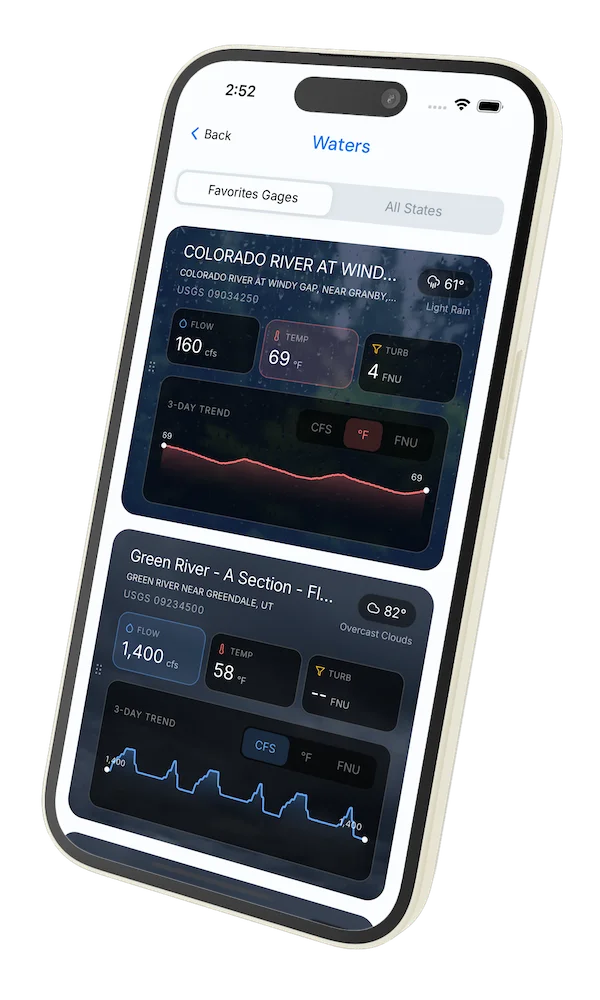
Hatch forecasts, river gages, fly scanning, and your journal — built for on-stream use. Be prepared before you get to the water. Free on the App Store and Google Play.


Access
Seasons
Terrain
Water
Fish Species
Brown Trout
Trout
Fishing Styles
Methods
•
Wade Friendly