Big Branch
VT
•
River
About Big Branch
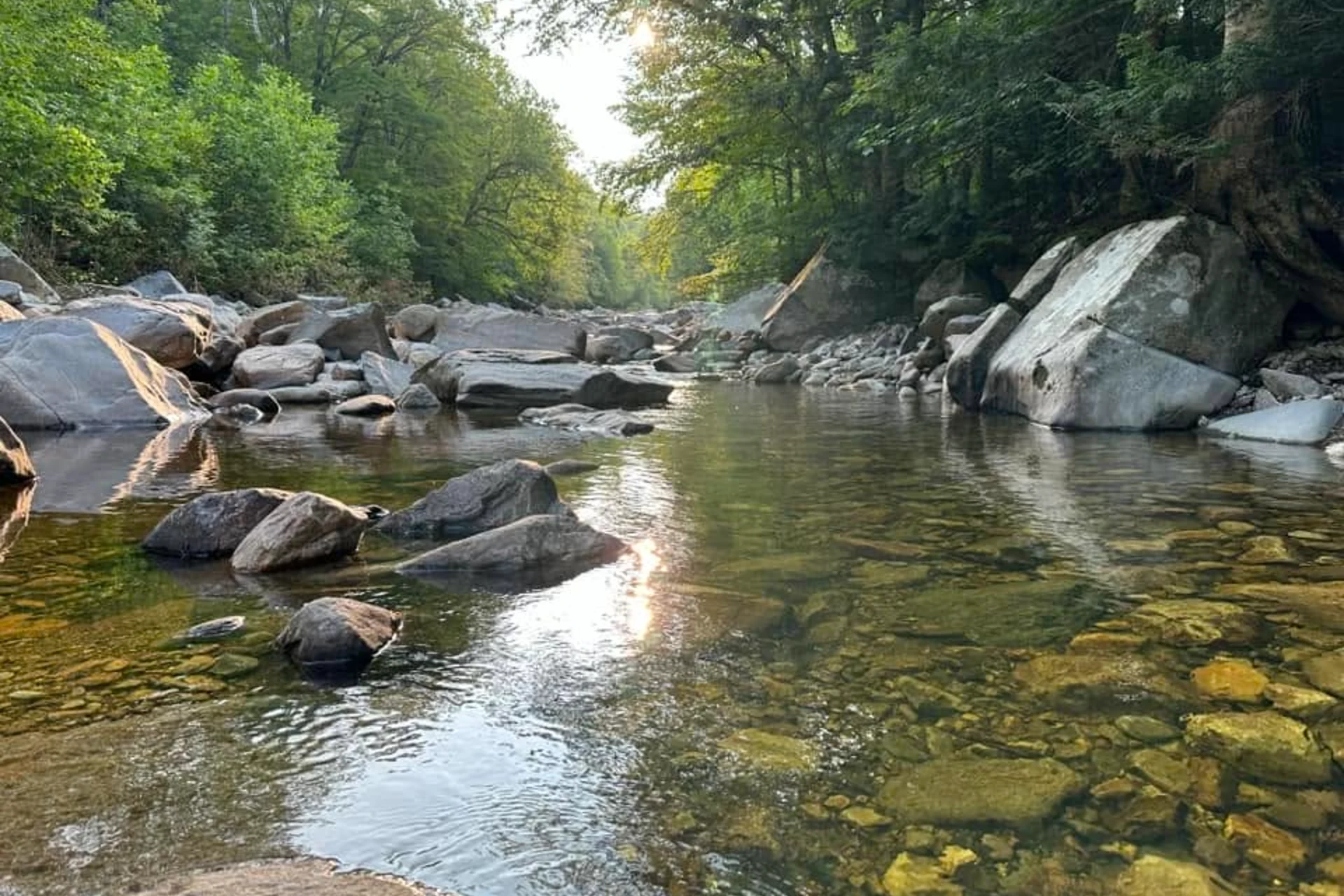
Big Branch is a high-gradient mountain stream characterized by continuous, complex boulder gardens that demand your full attention from the moment you step up to the water. The stream drops at a steep average rate of 318 feet per mile, creating a highly dynamic environment dominated by ledges, bedrock slides, and deep plunge pools. This rapid loss of elevation means the water is constantly in motion, churning through tight chutes and spilling over rock shelves into deep, turbulent basins. The physical structure of the bed is defined by massive rock formations and fractured ledge systems that break the heavy flow into distinct, fast-moving channels. Every turn of the stream reveals a new set of drop-offs and gravel-bottomed pockets where the current briefly relents before plunging over the next bedrock slide. Navigating your way to the water requires knowing the specific access points along Brooklyn Road, also known as Mt. Tabor Road, which runs east off Route 7 in Mt. Tabor. For those looking to work the lower stretches, the lower bridge parking is situated exactly one mile up Brooklyn Road from the highway. To access the upper reaches, continue another 1.5 miles up the mountain road to the Big Branch Lookout parking lot. From this upper lot, the descent to the water is via a steep ridge trail, though you need to watch your footing on the descent. Note that forest rangers closed the original public put-in trail, so you must use the designated footpath located to the far right of the wooden fence to reach the stream bed safely. Trout populate Big Branch and find holding water in the countless seams and micro-eddies created by the boulder-strewn channel. Because of the steep gradient and relentless current, these fish position themselves in very specific, high-velocity refuge points where they can intercept food without burning excess energy. You will find them tucked tightly behind the largest boulders, right in the soft cushions of water directly upstream of obstructions, and along the margins of the deep plunge pools. The key to finding success here is learning to read this highly technical pocket water, identifying where the fast surface currents shear against slower, deeper pockets. Every single boulder creates a potential lie, but the fish will rarely move far from their holding spots to chase a presentation in the fast water. Fishing this steep gradient effectively requires short, controlled drift techniques like high-sticking or tight-line nymphing to prevent the conflicting surface currents from dragging your line out of the target zone. Weighted nymph patterns or high-floating, buoyant dry flies that can ride the turbulent foam lines are the standard choices for keeping your offering in the strike zone. You must constantly scout ahead for instream hazards, as heavy storms regularly deposit fresh woody debris and timber jams throughout the bedrock slides and narrow chutes. Navigating the slippery bedrock shelves and unstable boulder fields requires studded wading boots and careful, deliberate wading placement. Keep your casts short, maintain tight line control through every plunge pool, and watch the timber hazards as you move upstream.
Big Branch Hatch Chart
Quick Actions
Trip Planning
Best fishing typically occurs during spring and fall. Check water conditions before heading out.
See what insects are emerging on Big Branch's hatch forecast — including active hatches, water temperatures, and which patterns to have in your box this month.
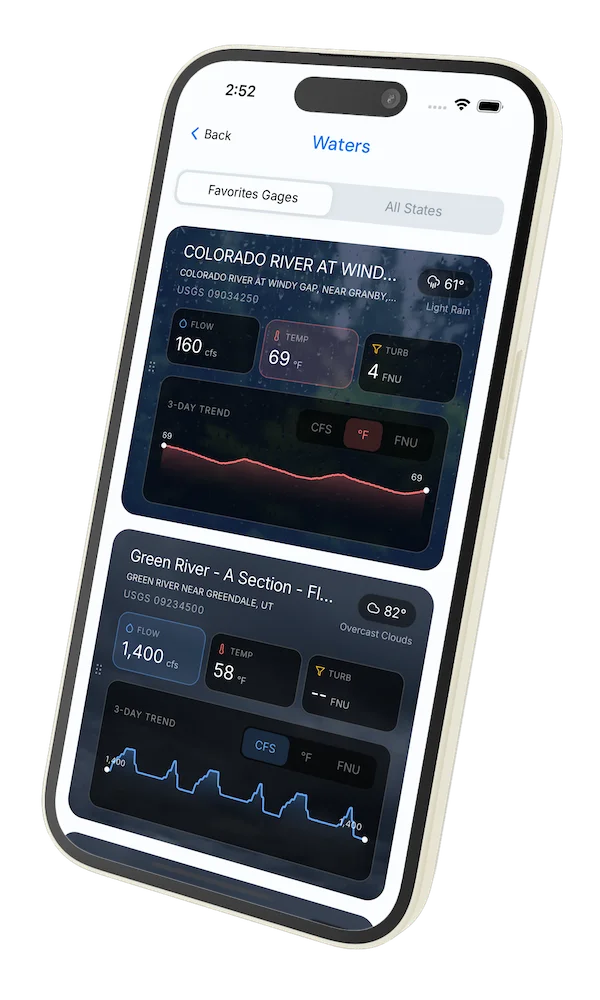
Get IdentaFly on your phone
Hatch forecasts, river gages, fly scanning, and your journal — built for on-stream use. Be prepared before you get to the water. Free on the App Store and Google Play.


Access
Seasons
Terrain
Water
Fish Species
Brook Trout
Rainbow Trout
Fishing Styles
Methods
•
Wade Friendly
Land Ownership
Public Forest Service