Battenkill River
VT
•
River
About Battenkill River
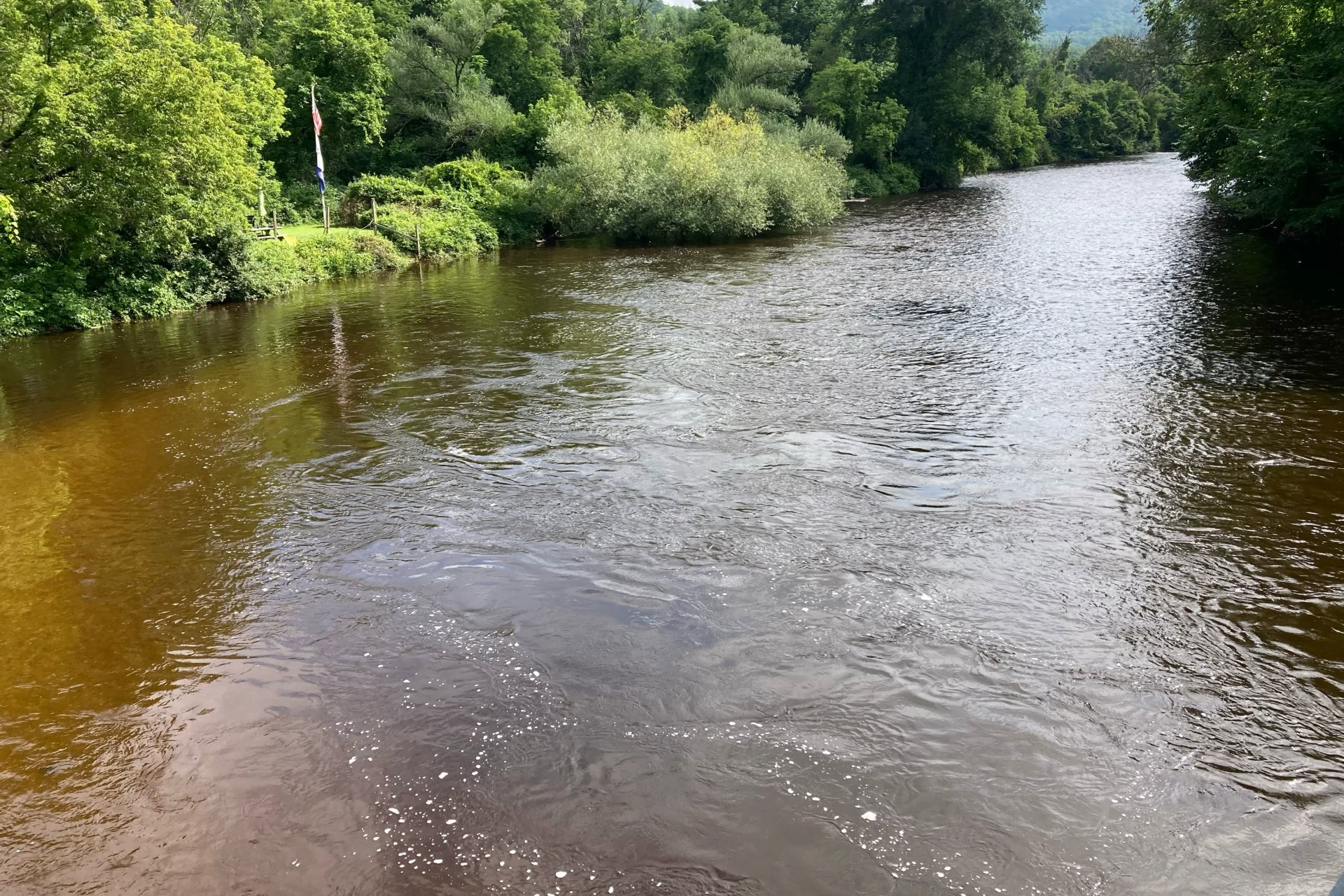
The Battenkill River flows as a medium-sized freestone stream characterized by a distinct mix of riffles, runs, and deep pools. Between these livelier sections, the river flattens out into long, demanding stretches of smooth, gliding water that require careful observation before making a cast. Under the surface, the channel features heavy structure including undercut banks, submerged vegetation, and woody debris that provide sanctuary for resident fish. Anglers wading these waters will find a river that demands careful reading, where the slick, flat glides require as much tactical planning as the bubbly pocket water at the run heads. Getting onto the water is straightforward with several designated access points distributed along its course. Downstream corridors are easily reached via the Red Mill access and the Water Works access, both located off VT 313. Further upstream, the Wagon Wheel access off VT 7 and the East Branch access get you into the higher reaches of the system. You can also slip into the river near the historic Norman Rockwell Covered Bridge or access the water directly through the Arlington Recreation Center grounds. Each of these spots puts you within walking distance of varied water, from quick gravel riffles to deep, slow-moving bends. This river is managed strictly as a wild fishery, supporting naturally reproducing populations of brook trout and brown trout. To find these fish, you need to match the active insect life, which starts with tiny midges and early black stoneflies in the colder parts of the year. When the water begins to warm, the trout transition to feeding on Hendricksons and Red Quills. As the year progresses, hatches move into tan and olive caddisflies, Sulfurs, Light Cahills, and March Browns. During low-light periods, dense clouds of Tricos and Blue Winged Olives bring trout to the surface in the flat glides, while terrestrial patterns like ants, beetles, and grasshoppers become the primary focus during dry fly lulls in the hot, high-sun periods. Success on this highly technical water requires a disciplined, stealthy approach and specialized rigging. You will want to fish long, fine leaders of 12 feet or more to keep your fly line well away from the cautious wild trout in the clear, smooth pools. When targeting the undercut banks and woody debris, drift your dry flies or unweighted nymphs as close to the physical cover as possible without snagging. In the slick, gliding sections, position yourself downstream and make angled upstream casts, utilizing micro-mends to eliminate drag. Keep your wading movements slow and quiet, taking care not to send ripples across the flat pools before your fly even hits the water.
Battenkill River Hatch Chart
Loading active hatches…
Quick Actions
Regulations
•
Catch & Release: All fish must be immediately released. Handle with care using barbless hooks.
•
Seasonal Closures: This water has seasonal closures. Check local regulations for specific dates.
Trip Planning
Best fishing typically occurs during spring and summer. Check water conditions before heading out.
See what insects are emerging on Battenkill River's hatch forecast — including active hatches, water temperatures, and which patterns to have in your box this month.
Get IdentaFly on your phone
Hatch forecasts, river gages, fly scanning, and your journal — built for on-stream use. Be prepared before you get to the water. Free on the App Store and Google Play.


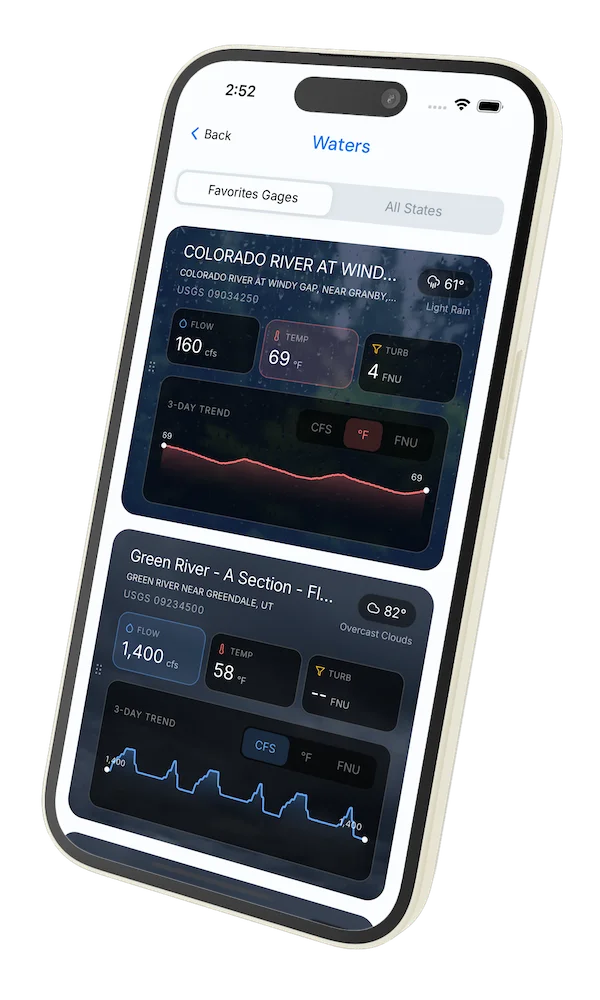
Water conditions (USGS)
Water conditions for the last 7 days. You can gain insights to fishing activity based on these conditions, like water temperature and flow.
Data sourced from USGS National Water Information System
Access
Seasons
Terrain
Water
Fish Species
Brown Trout
Brook Trout
Regulations
•
Catch & Release: All fish must be immediately released. Handle with care using barbless hooks.
•
Seasonal Closures: This water has seasonal closures. Check local regulations for specific dates.
Fishing Styles
Methods
•
Wade Friendly