Willamette River
OR
•
River
About Willamette River
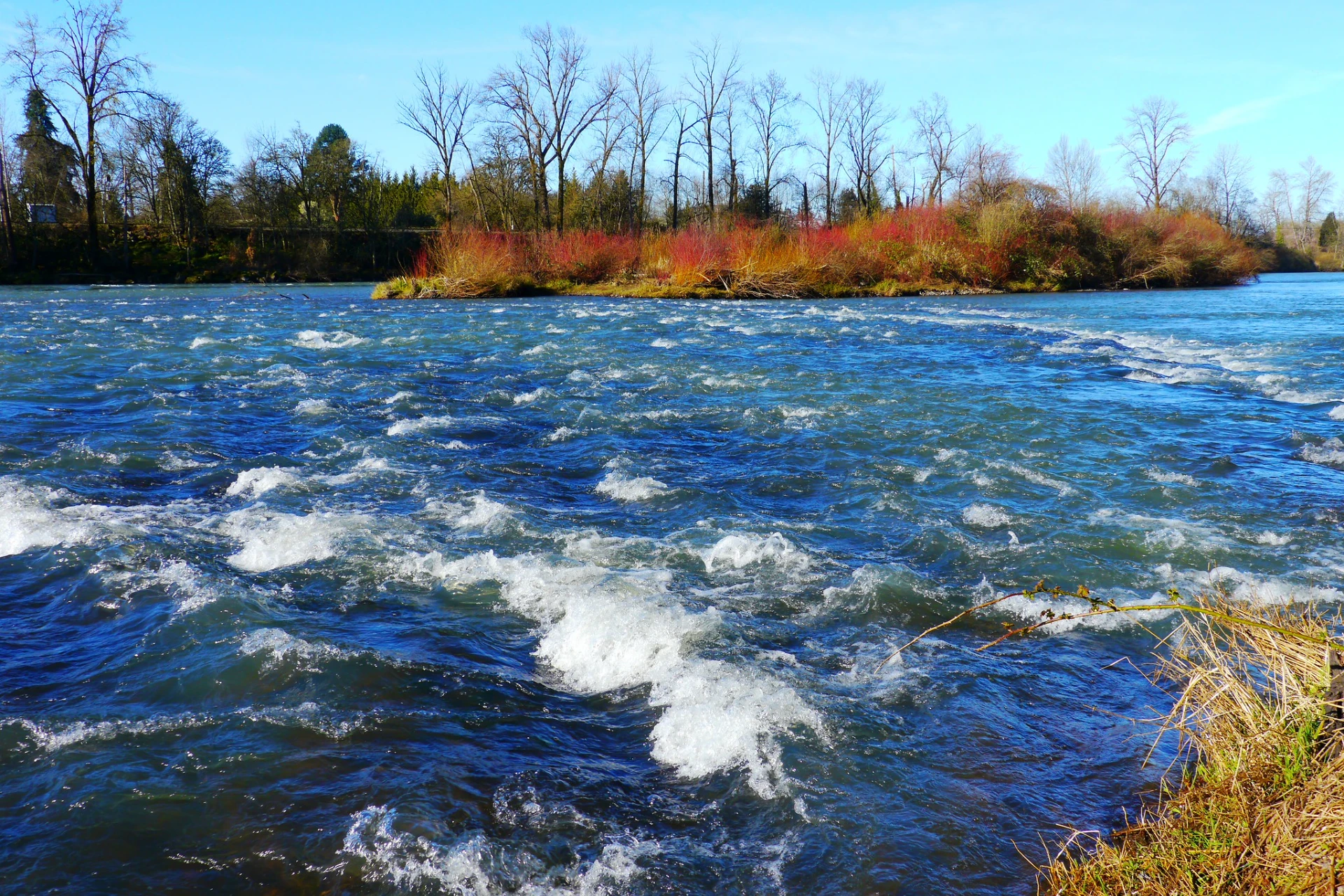
The Willamette River is a free-flowing system, offering diverse angling experiences across its various sections. The Middle Fork, in particular, presents classic pool and drop water, characterized by a mix of riffles, deeper pools, minor rapids, and productive pocket water. This section flows through National Forest land, providing good access points for anglers seeking a more remote feel and solitude. The river here is generally shallow with a moderate pace, making it well-suited for a range of fly fishing techniques. Further downstream, the Eugene "town run" offers a different but equally compelling character. Here, the river features beautiful water with prominent bedrock chunks and ledges, which create excellent holding water for fish. While the Middle Fork provides a more wilderness experience, the Eugene section offers accessible fishing opportunities right within the city. Anglers should monitor water levels, especially on the Middle Fork at Oakridge, where flows can drop to 400 CFS, making for excellent wading conditions but skinny boating. Keep an eye on North Fork flows as well, as they can significantly impact overall river volume, particularly during late winter and spring. The Middle Fork of the Willamette is an outstanding wild rainbow trout fishery, also holding wild cutthroat trout. These fish thrive in the varied structure of runs, pools, and tailouts that are ideal for fly anglers. Beyond the trout, the river below Dexter Dam through Eugene supports a strong summer steelhead fishery, with fish typically ranging from 7 to 10 pounds. While many of these steelhead are hatchery origin, wild fish are also present, providing an exciting challenge. Chinook Salmon are another notable species found throughout the system, adding to the diversity. When targeting these fish, traditional wet flies and various leech patterns prove consistently effective. The river's moderate pace and structure make swinging flies a recommended and productive technique for both trout and steelhead. Great hatches occur on the Middle Fork during spring, early summer, and fall, providing opportunities for matching the hatch with appropriate patterns. Focus on working the seams along bedrock ledges and through the tails of pools, or prospecting pocket water with aggressive presentations. Always carry a net and practice safe wading techniques, especially in faster sections or when water levels are higher.
Willamette River Hatch Chart
Loading active hatches…
Quick Actions
Trip Planning
Best fishing typically occurs during spring and summer. Check water conditions before heading out.
See what insects are emerging on Willamette River's hatch forecast — including active hatches, water temperatures, and which patterns to have in your box this month.
Get IdentaFly on your phone
Hatch forecasts, river gages, fly scanning, and your journal — built for on-stream use. Be prepared before you get to the water. Free on the App Store and Google Play.


Water conditions
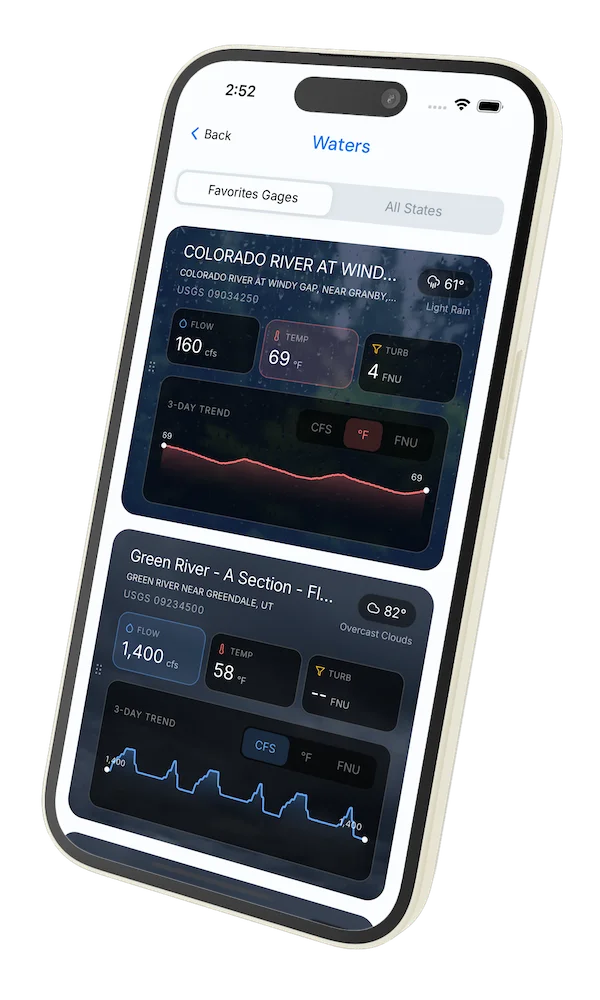
Water conditions for the last 7 days. You can gain insights to fishing activity based on these conditions, like water temperature and flow.
Data sourced from USGS National Water Information System and NOAA National Water Prediction Service (NWPS)
Access
Seasons
Terrain
Water
Fish Species
Steelhead
Rainbow Trout
Fishing Styles
Methods
•
Wade Friendly
•
Float Friendly
Land Ownership
Public Forest Service