Wallowa River
OR
•
River
About Wallowa River
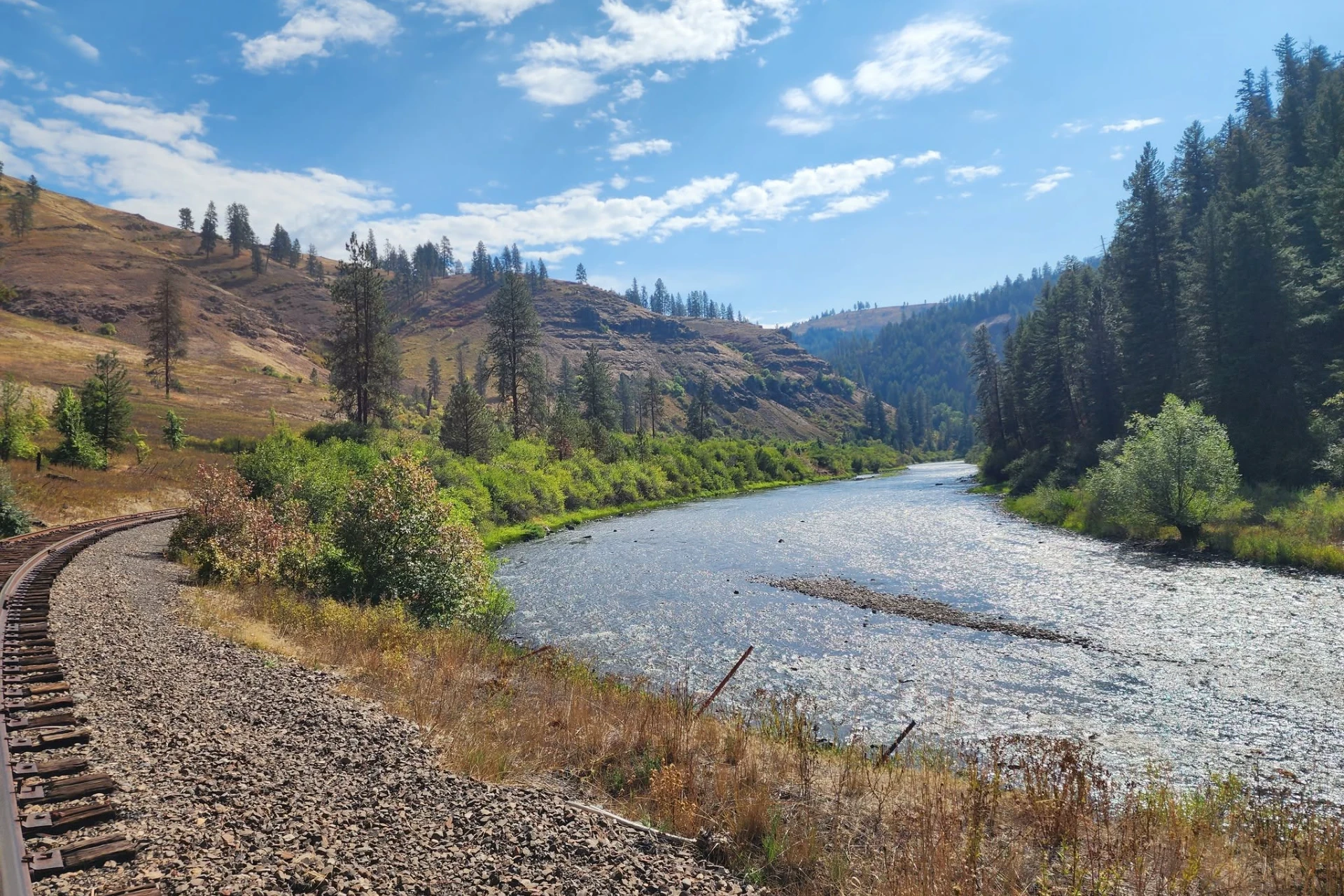
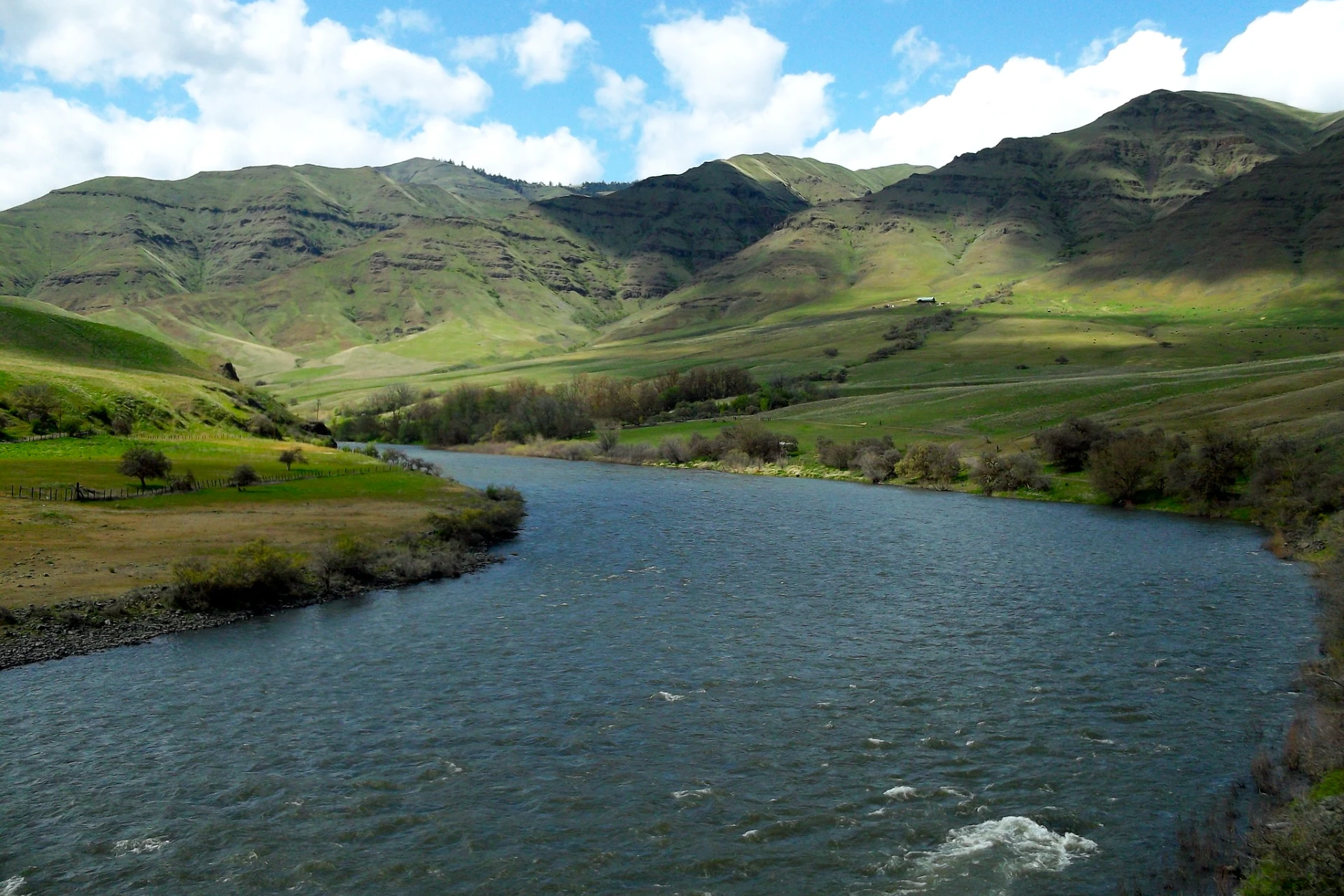
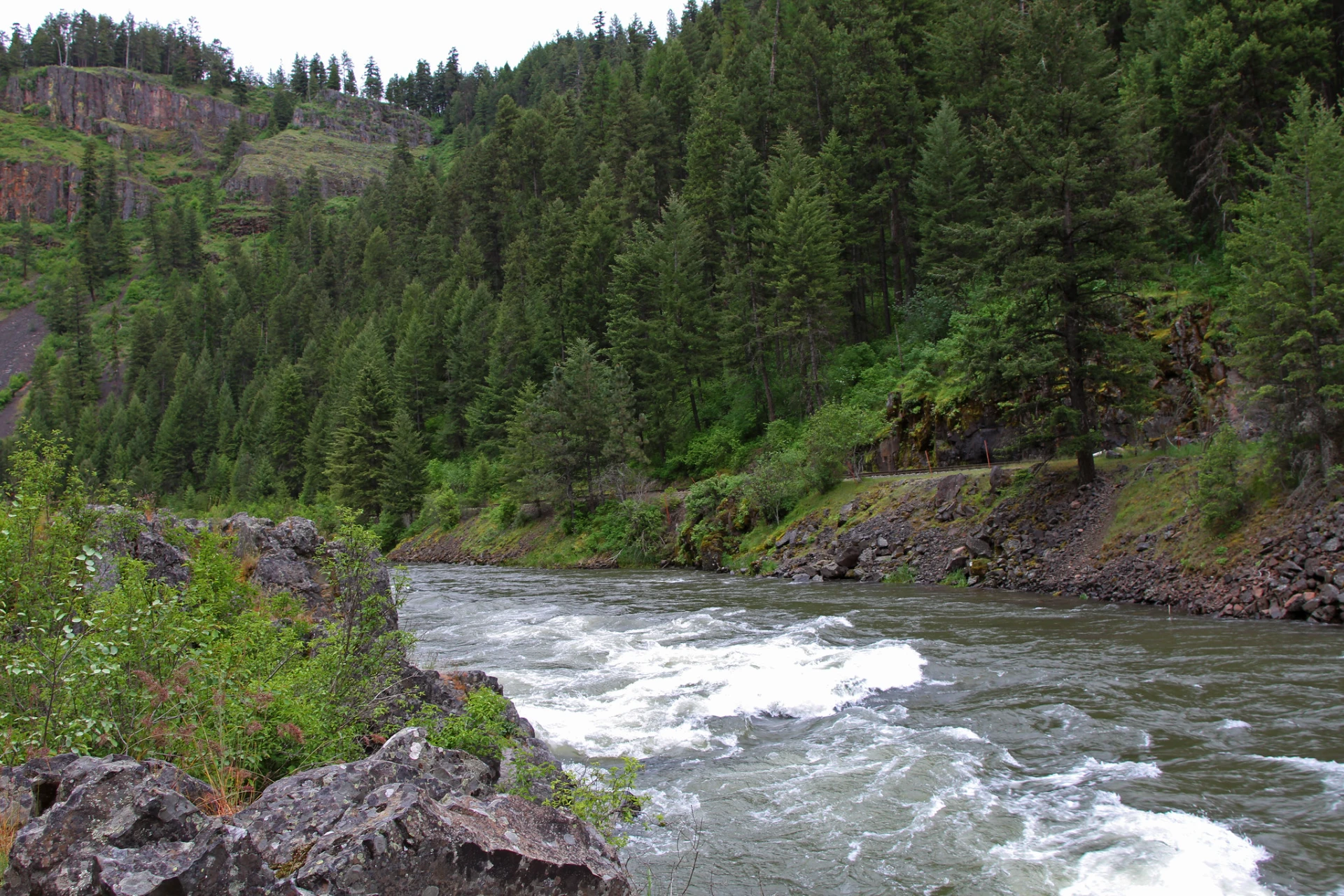
The Wallowa River begins where its East and West Forks meet, flowing northwest through Oregon's Wallowa Valley. This free-flowing river offers diverse landscapes for anglers, transitioning from forested vistas in its upper reaches to open, grass-covered hills and forested pockets downstream. The designated recreational segment spans approximately 10 miles, starting from the confluence of the Wallowa and Minam Rivers and continuing to its junction with the Grande Ronde River. Above Wallowa Lake, the river feeds directly into the lake itself. Below the lake, it courses through farmland before entering the Minam Canyon, where about 10 miles of easy access points are available along State Route 82. Access to the Wallowa River varies significantly. The primary launch site is on state lands at Minam, which serves both the Wallowa and Grande Ronde Rivers. Additional access points are found at Mud Creek, Troy, and Boggan's Oasis. Many sections of the river are roadless and primitive, limiting vehicle access. However, a public parking area 1.5 miles upstream from the town of Wallowa, on an S-Turn, provides limited public access below Wallowa Lake. For more remote stretches, anglers can walk railroad tracks to reach areas not accessible by road. A primitive trail downstream from Minam Park and a railroad track hike from the Minam/Wallowa confluence offer further options to get on the water. Primitive campsites are also available along the river on a first-come, first-served basis. The Wallowa River is home to several notable fish species, providing critical spawning and rearing habitat for spring Chinook, fall Chinook, summer steelhead, and rainbow trout. Above Wallowa Lake, you'll find both rainbow and Eastern Brook trout, with the West Fork primarily holding rainbows and the East Fork favoring Eastern Brook trout. Below Wallowa Lake, the river offers opportunities for very large rainbow trout, with fish commonly reaching 16 to 20 inches. Steelhead are also present in this lower section, and fishing for them can be excellent during October, March, and February. Focus your steelhead efforts from the Big Canyon Fish Hatchery down to the Grande Ronde confluence for the best chances. For rainbow and Eastern Brook trout above Wallowa Lake, fly fishing is a common and effective method. The Golden Stonefly hatch in June and early July is enough of a reason to make the visit. Below the lake, targeting larger rainbows and steelhead requires a different approach. Floatboating, rafting, canoeing, and kayaking are popular recreational activities on the Wallowa, including multi-day floats suitable for beginner and intermediate skills, which can also be an effective way to cover water for fish. When fishing the lower river for steelhead, consider techniques that cover water efficiently, such as swinging flies or drifting weighted presentations through runs and holding water. Always pay attention to river flows and water conditions, and be prepared for variable access depending on the section you choose to fish.
Wallowa River Hatch Chart
Loading active hatches…
Quick Actions
Trip Planning
Best fishing typically occurs during spring and fall. Check water conditions before heading out.
See what insects are emerging on Wallowa River's hatch forecast — including active hatches, water temperatures, and which patterns to have in your box this month.
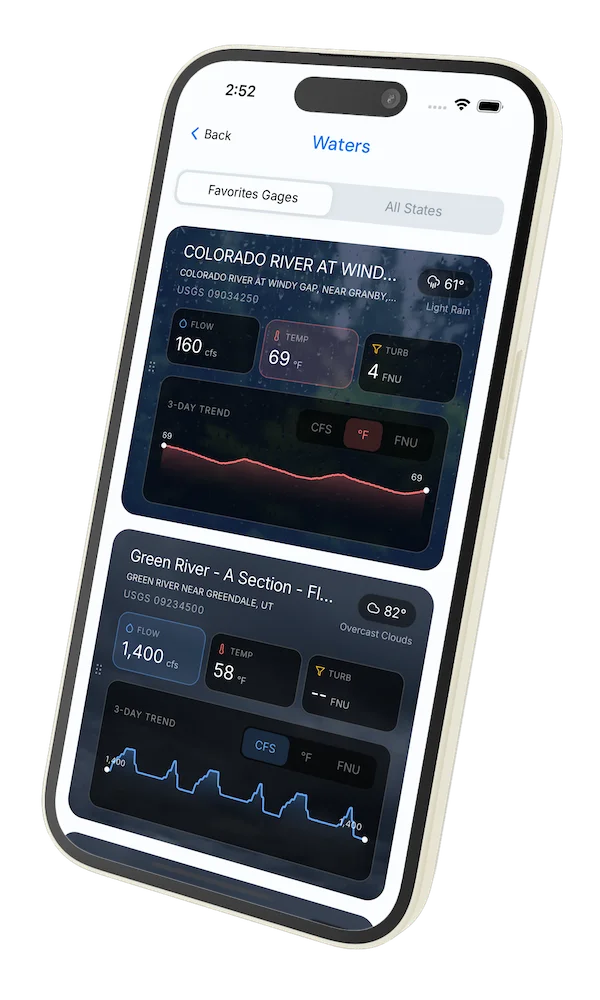
Get IdentaFly on your phone
Hatch forecasts, river gages, fly scanning, and your journal — built for on-stream use. Be prepared before you get to the water. Free on the App Store and Google Play.


Conditions Report
Read tips and insights about recent conditions for Wallowa River — gathered from on line sources.
Read the Conditions ReportWater conditions
Water conditions for the last 7 days. You can gain insights to fishing activity based on these conditions, like water temperature and flow.
Data sourced from USGS National Water Information System
Access
Seasons
Terrain
Water
Fish Species
Rainbow Trout
Steelhead
Brook Trout
Fishing Styles
Methods
•
Wade Friendly
•
Float Friendly
Land Ownership
Public Blm
State Wildlife Area