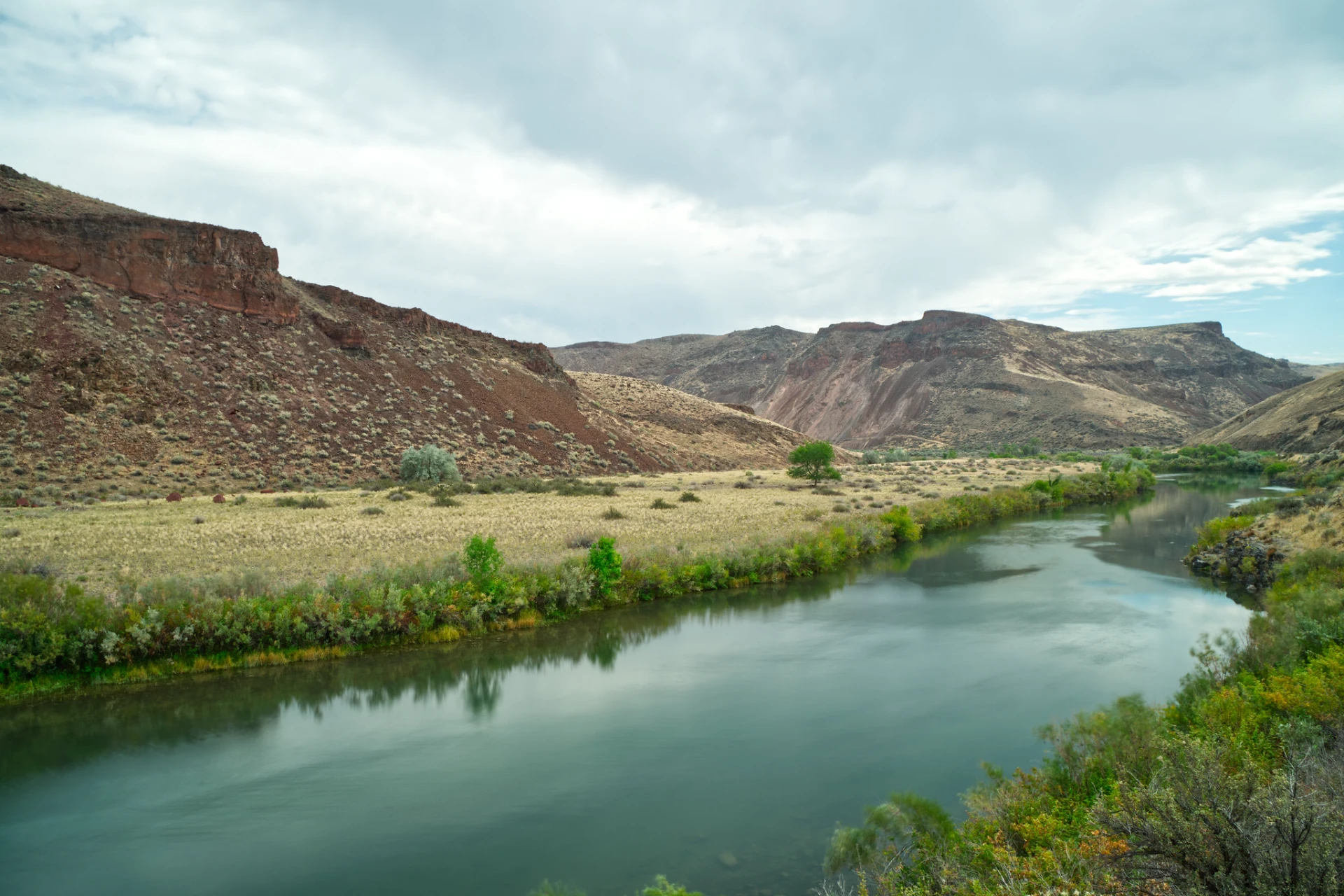
Owyhee River - Tailwater
OR
•
Tailwater
About Owyhee River - Tailwater
The Owyhee River is a vast and remote waterway, flowing through Nevada, Idaho, and Oregon before joining the Snake River. This nearly 280-mile river carves dramatic, sheer-walled canyons that can plunge over 1,000 feet deep across a remote and arid plateau. Historically named for a Hawaiian spelling, honoring lost Native Hawaiian trappers, the Owyhee River is recognized as a National Wild and Scenic River, a testament to its pristine and undeveloped character. Its watershed spans over 11,000 square miles, characterized by sparse population and rugged terrain. A significant portion of the Owyhee's reputation stems from a 10-mile tailwater section below Owyhee Reservoir in Oregon, regulated by a dam which helps maintain consistent water temperatures, making it a year-round destination. This tailwater section presents a low gradient, featuring a series of slow pools and short riffles, generally 2 to 4 feet deep, often with a milky green tint. The Owyhee River supports a healthy population of trout, with the tailwater section being renowned for its trophy brown trout, averaging 14 to 17 inches, with the potential for fish in the 10-pound class. Rainbow trout are also present, occasionally exceeding 6 pounds. The upper Owyhee River, a Wild and Scenic designated area, offers different opportunities, focusing on feisty rainbows and native redband trout, which are adapted to arid desert streams and are a Species of Concern in Idaho. Insect activity on the Owyhee is diverse, with notable hatches including Skwala Stoneflies, Midges, Blue Winged Olives, Pale Morning Duns, Speckled Wing Quills, Spotted Sedge Caddisflies, Mahogany Duns, Craneflies, and Tricos. Terrestrials are also significant, with ants, beetles, and hoppers proving effective. Recommended fly patterns often imitate these insects, with effective nymphing strategies including using a large indicator fly like a Chubby Chernobyl above a bead head Zebra Midge. Access to the tailwater section is generally easy, paralleled by Owyhee Lake Road, making it accessible for wading. The upper Owyhee, however, is more rugged and remote, requiring hike-in access and offering a wilderness experience. Anglers should prioritize safety due to the rugged terrain and potential for swift currents, particularly during runoff periods.
Owyhee River - Tailwater Hatch Chart
Loading active hatches…
Quick Actions
Trip Planning
Best fishing typically occurs during spring and summer. Check water conditions before heading out.
See what insects are emerging on Owyhee River - Tailwater's hatch forecast — including active hatches, water temperatures, and which patterns to have in your box this month.
Get IdentaFly on your phone
Hatch forecasts, river gages, fly scanning, and your journal — built for on-stream use. Be prepared before you get to the water. Free on the App Store and Google Play.


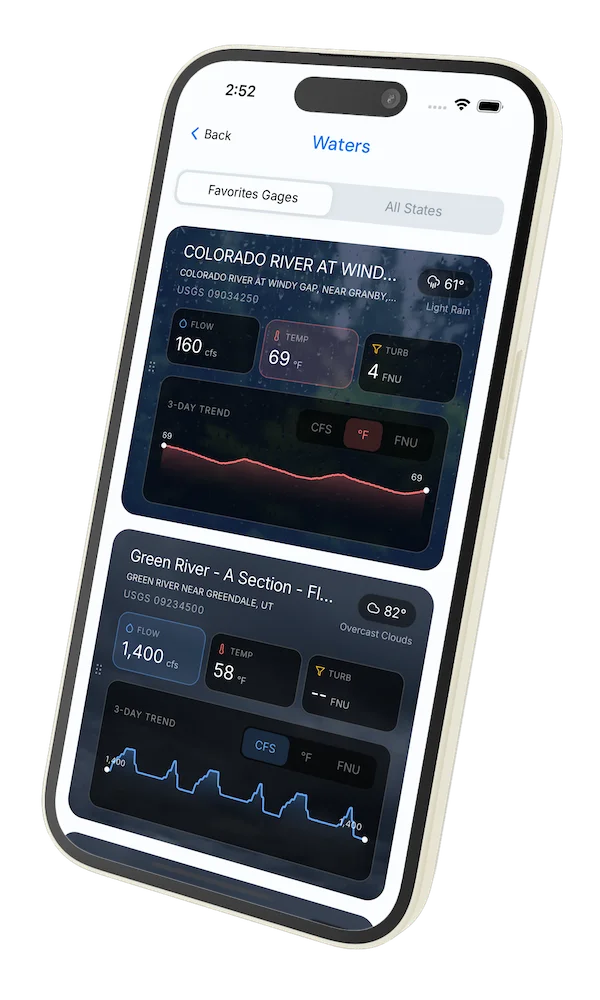
Conditions Report
Read tips and insights about recent conditions for Owyhee River - Tailwater — gathered from on line sources.
Read the Conditions ReportWater conditions (USGS)
Water conditions for the last 7 days. You can gain insights to fishing activity based on these conditions, like water temperature and flow.
Data sourced from USGS National Water Information System
Access
Seasons
Terrain
Water
Fish Species
Brown Trout
Rainbow Trout
Fishing Styles
Methods
•
Drift Boat Only
Land Ownership
Public Blm