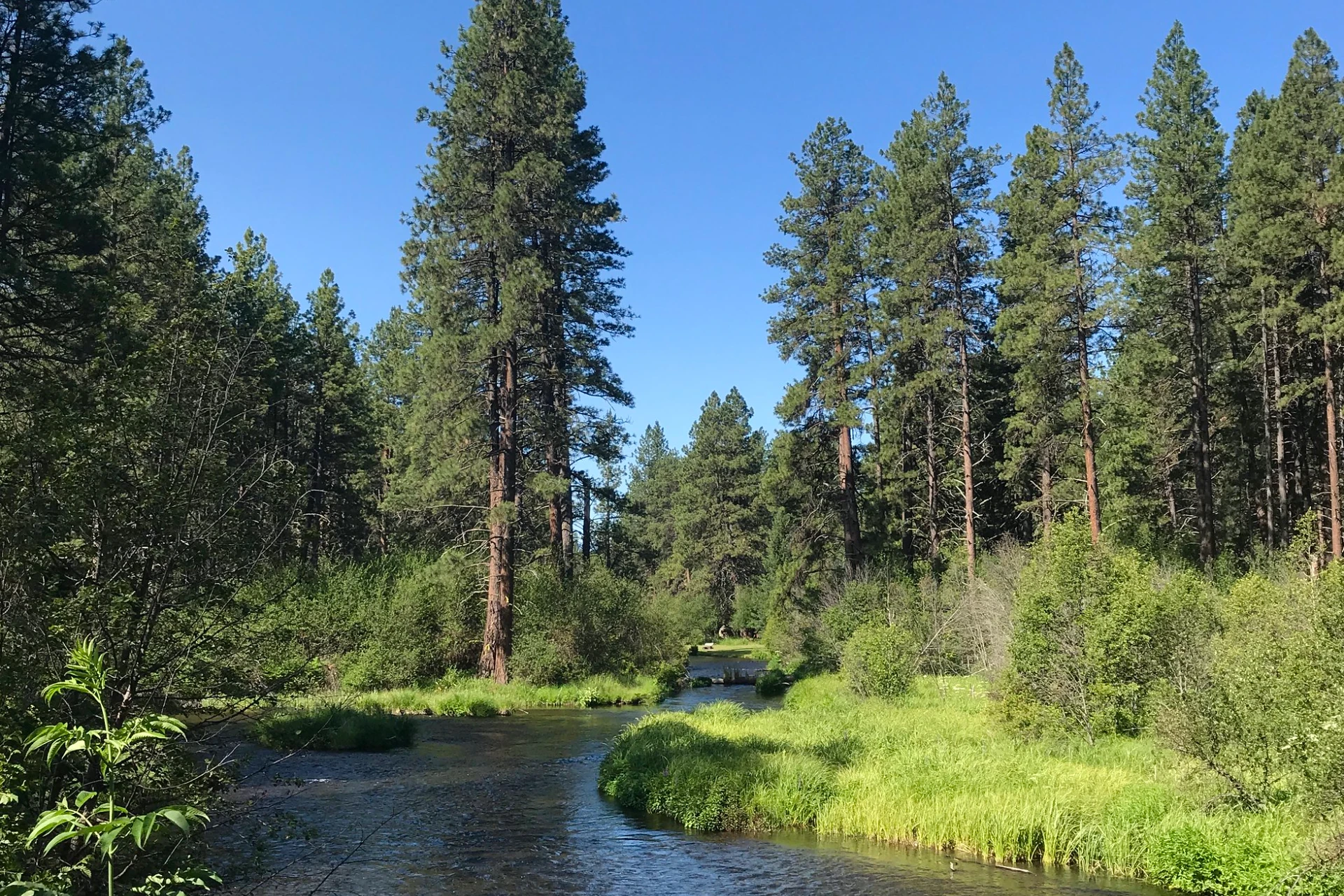
Metolius River
OR
•
River
About Metolius River
The Metolius River is a spring-fed system known for its clear, cold, and consistent waters. It emerges from springs at the base of Black Butte, maintaining a temperature between 42 and 45 degrees Fahrenheit. The river's emerald green and turquoise hues offer exceptional visibility, flowing through a forested valley on the east side of the Cascade Mountains. Anglers will find the headwaters just south of Camp Sherman, where the river descends through gorges featuring steep drops and swift currents. This section of the Metolius River provides scenic views of the Cascade peaks, framed by old-growth ponderosa pines. A significant portion of the Metolius River, approximately 12 miles from the headwaters down to Bridge 99, is designated as fly fishing only. This specific area requires anglers to adhere to fly fishing regulations, ensuring a focused angling experience. The lower river, closer to the Warm Springs Indian Reservation, is a primitive area without motorized access, demanding foot travel for exploration. Throughout the river, particularly along submerged bedrock bluffs, redband trout often congregate, holding in the deeper, protected water. The Metolius River supports a diverse fishery, including wild rainbow trout, hatchery rainbow trout, and a thriving bull trout population. Rainbow and brown trout typically range from 8 to 24 inches, offering a good challenge on light tackle. Bull trout, a native char, can grow substantially, with specimens reaching 3 to 15 pounds. Redband rainbow trout are also present, distinguished by their vivid coloration and selective feeding habits, which demand precise fly selection and presentation. Nymphing is the most productive tactic on the Metolius River, especially given the clear water and selective nature of the trout. Euro nymphing is particularly effective in the river's steep drops and swift currents, allowing anglers to maintain contact and achieve deep drifts. Indicator nymphing can be difficult or impossible in some areas due to the strong flows and turbulent water. Anglers need to downsize their tippet and carefully select flies to match the sporadic hatches. Modest blue wing olive hatches occur in late winter and early spring, while pale morning dun and caddis hatches are more common in late spring and summer. Occasional stonefly hatches also provide opportunities. When fishing the Metolius, focus on getting your flies deep and tight to structure, and be prepared to adjust your weight and presentation frequently.
Metolius River Hatch Chart
Loading active hatches…
Quick Actions
Regulations
•
Fly Fishing Only: This water is restricted to fly fishing gear. No spinning or bait-casting equipment permitted.
Trip Planning
Best fishing typically occurs during year round. Check water conditions before heading out.
See what insects are emerging on Metolius River's hatch forecast — including active hatches, water temperatures, and which patterns to have in your box this month.
Get IdentaFly on your phone
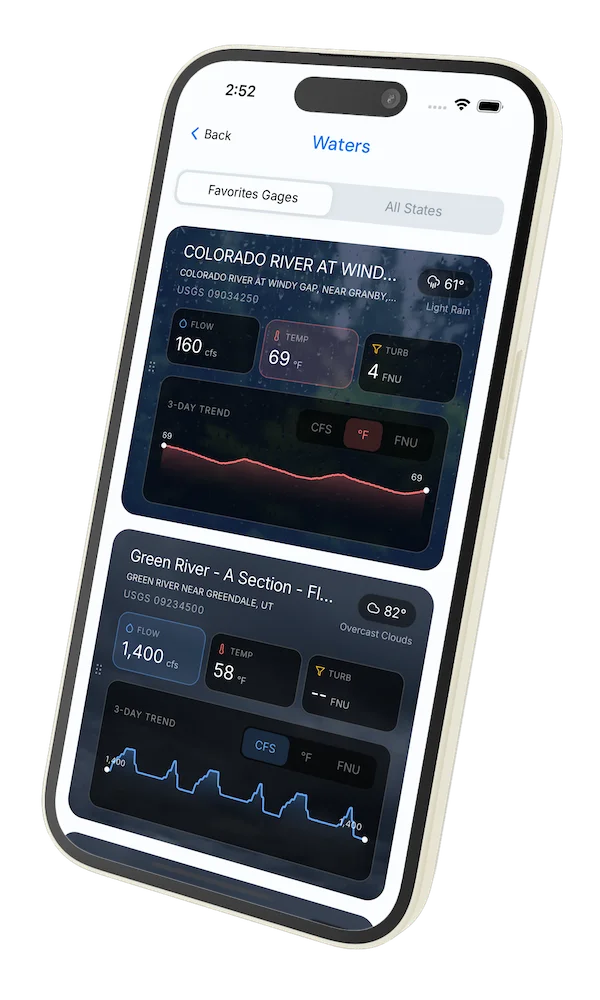
Hatch forecasts, river gages, fly scanning, and your journal — built for on-stream use. Be prepared before you get to the water. Free on the App Store and Google Play.


Conditions Report
Read tips and insights about recent conditions for Metolius River — gathered from on line sources.
Read the Conditions ReportWater conditions (USGS)
Water conditions for the last 7 days. You can gain insights to fishing activity based on these conditions, like water temperature and flow.
Data sourced from USGS National Water Information System
Access
Seasons
Terrain
Water
Fish Species
Rainbow Trout
Bull Trout
Brown Trout
Chinook salmon
Regulations
•
Fly Fishing Only: This water is restricted to fly fishing gear. No spinning or bait-casting equipment permitted.
Fishing Styles
Methods
•
Wade Friendly
Land Ownership
Public Forest Service