John Day River
OR
•
River
About John Day River
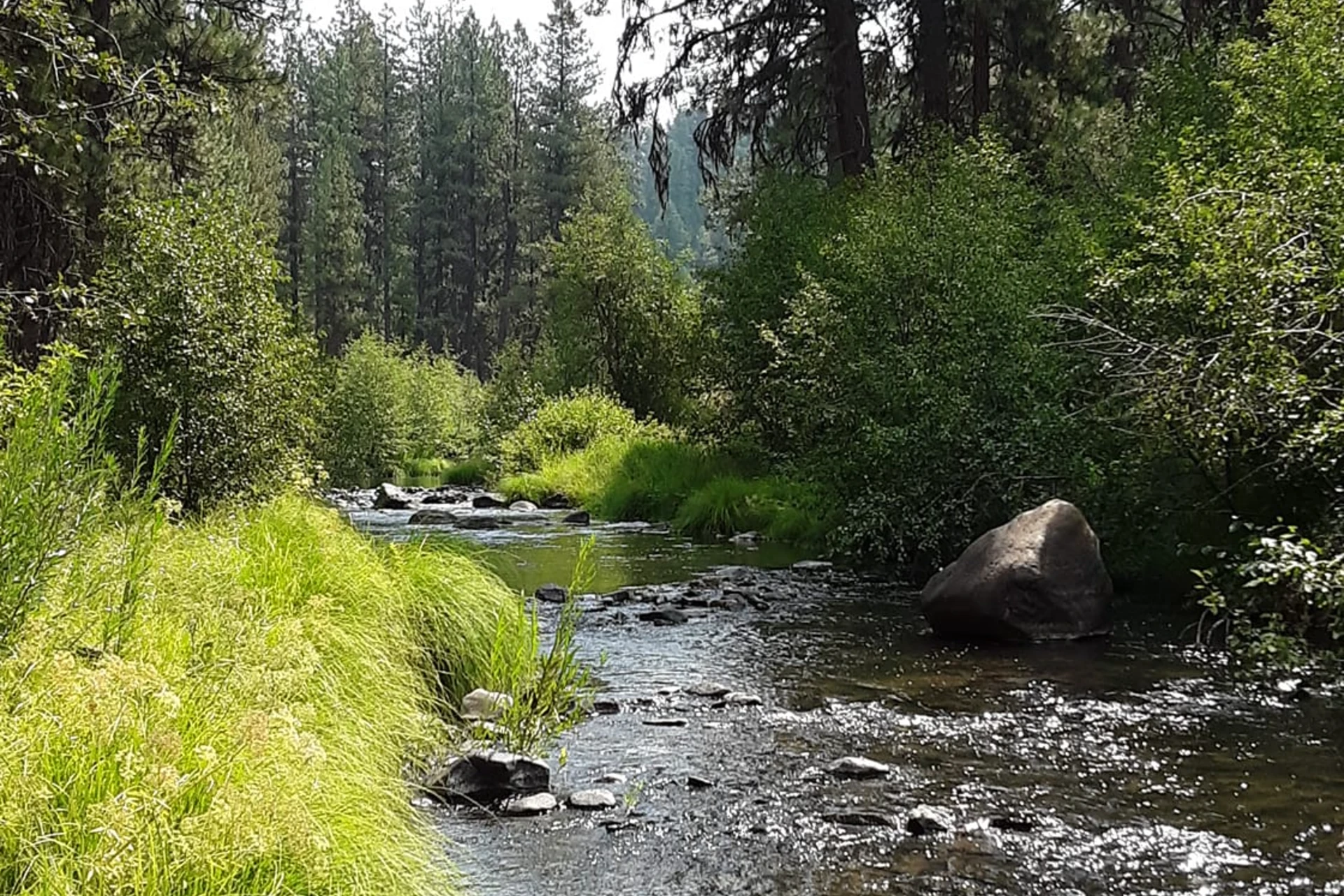
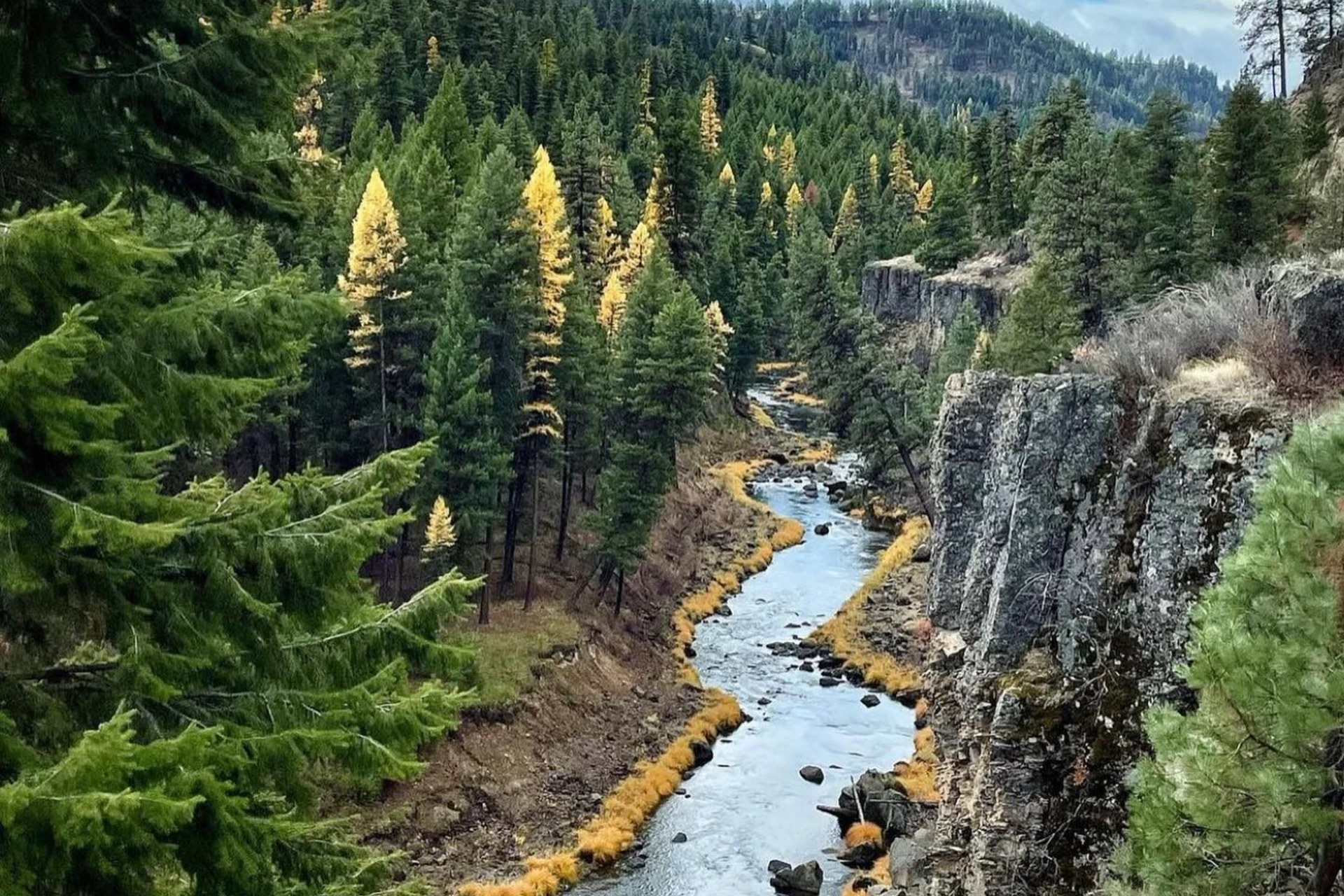
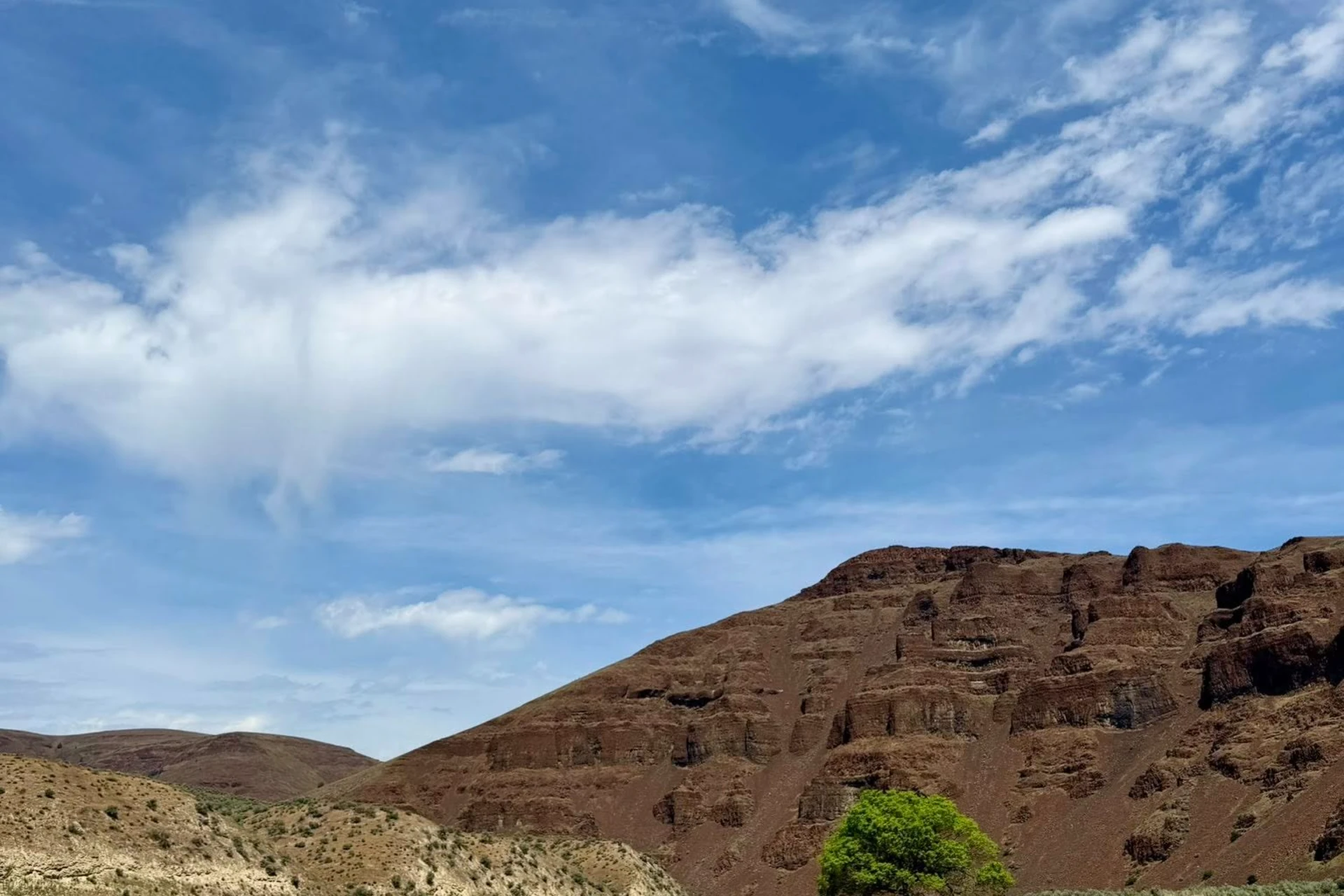
The John Day River is the longest undammed river in Oregon and the third longest free-flowing river in the contiguous United States. This Wild and Scenic river meanders through steep basalt canyon walls, with juniper and sagebrush-dotted hillsides defining much of its character. Anglers should anticipate a remote experience, navigating a river system that retains its natural flow and structure across a vast landscape. The river's unimpeded course means varied depths and currents, offering diverse holding water for fish throughout its length. From Service Creek to Tumwater Falls, the John Day River flows through colorful canyons and broad valleys. This section is known for calm water boating, though some rapids are present, requiring attention for those floating the river. Lush riparian zones line the immediate banks, providing shade and cover, while the adjacent hillsides are dry, steep, rocky, and dominated by bluebunch wheatgrass. This contrast in vegetation helps anglers identify prime fish habitat along the water's edge, where cooler temperatures and cover are more likely. The John Day River offers exceptional warm-water smallmouth bass fishing, with fish typically averaging 8-12 inches, and larger specimens reaching 18-20 inches. Anglers frequently hook over 75 smallmouth bass per rod per day during the peak season, which runs from mid-June through the end of August. These bass often hold in slower pools, eddies, and around submerged structure. Beyond bass, the river also hosts wild runs of summer steelhead and spring Chinook salmon, part of the largest entirely wild run in the mid and upper Columbia River Basin. Rainbow trout are also present, along with Pacific lamprey, bridgelip sucker, speckled dace, and longnose dace. For smallmouth bass, focus on presentations that mimic baitfish or crawfish. Spinnerbaits, crankbaits, and soft plastic jigs fished near rocky ledges, submerged timber, and current breaks are effective. Steelhead and Chinook anglers will need to adapt tactics to the specific runs, often employing spey techniques, nymphing, or swinging flies depending on water conditions and fish behavior. Day floats and multi-day floats are the primary way to access much of the river, allowing anglers to cover significant stretches of water and target various species in different habitats. Always check water levels before heading out, as conditions can change rapidly on a free-flowing river.
John Day River Hatch Chart
Loading active hatches…
Quick Actions
Trip Planning
Best fishing typically occurs during summer. Check water conditions before heading out.
See what insects are emerging on John Day River's hatch forecast — including active hatches, water temperatures, and which patterns to have in your box this month.
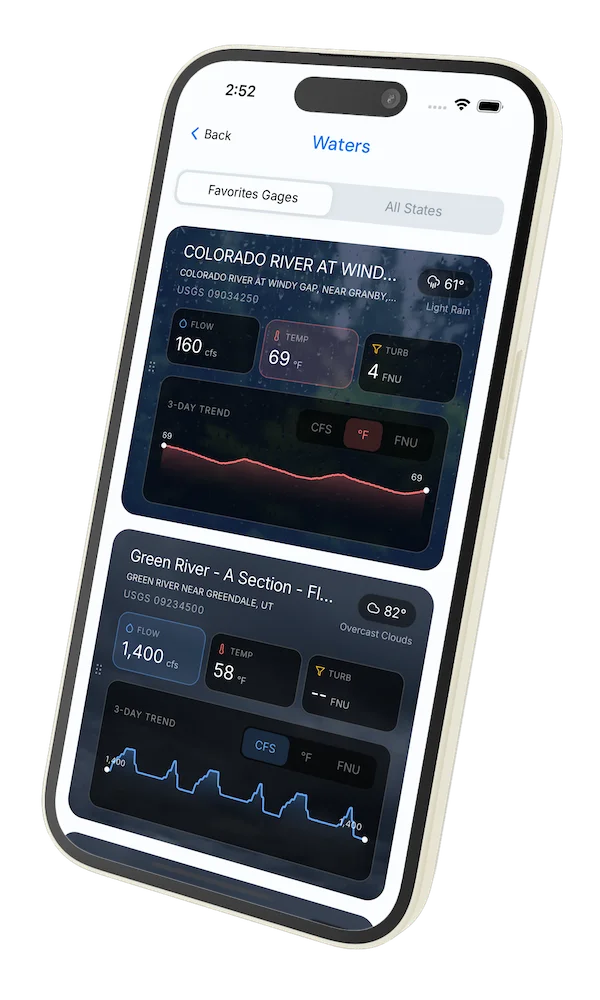
Get IdentaFly on your phone
Hatch forecasts, river gages, fly scanning, and your journal — built for on-stream use. Be prepared before you get to the water. Free on the App Store and Google Play.


Conditions Report
Read tips and insights about recent conditions for John Day River — gathered from on line sources.
Read the Conditions ReportWater conditions
Water conditions for the last 7 days. You can gain insights to fishing activity based on these conditions, like water temperature and flow.
Data sourced from USGS National Water Information System
Access
Seasons
Terrain
Water
Fish Species
Steelhead
Smallmouth Bass
Chinook salmon
Rainbow Trout
Fishing Styles
Methods
•
Float Friendly
•
Raftable
Land Ownership
Public Forest Service
Public Blm