Deschutes River - Lower
OR
•
River
About Deschutes River - Lower
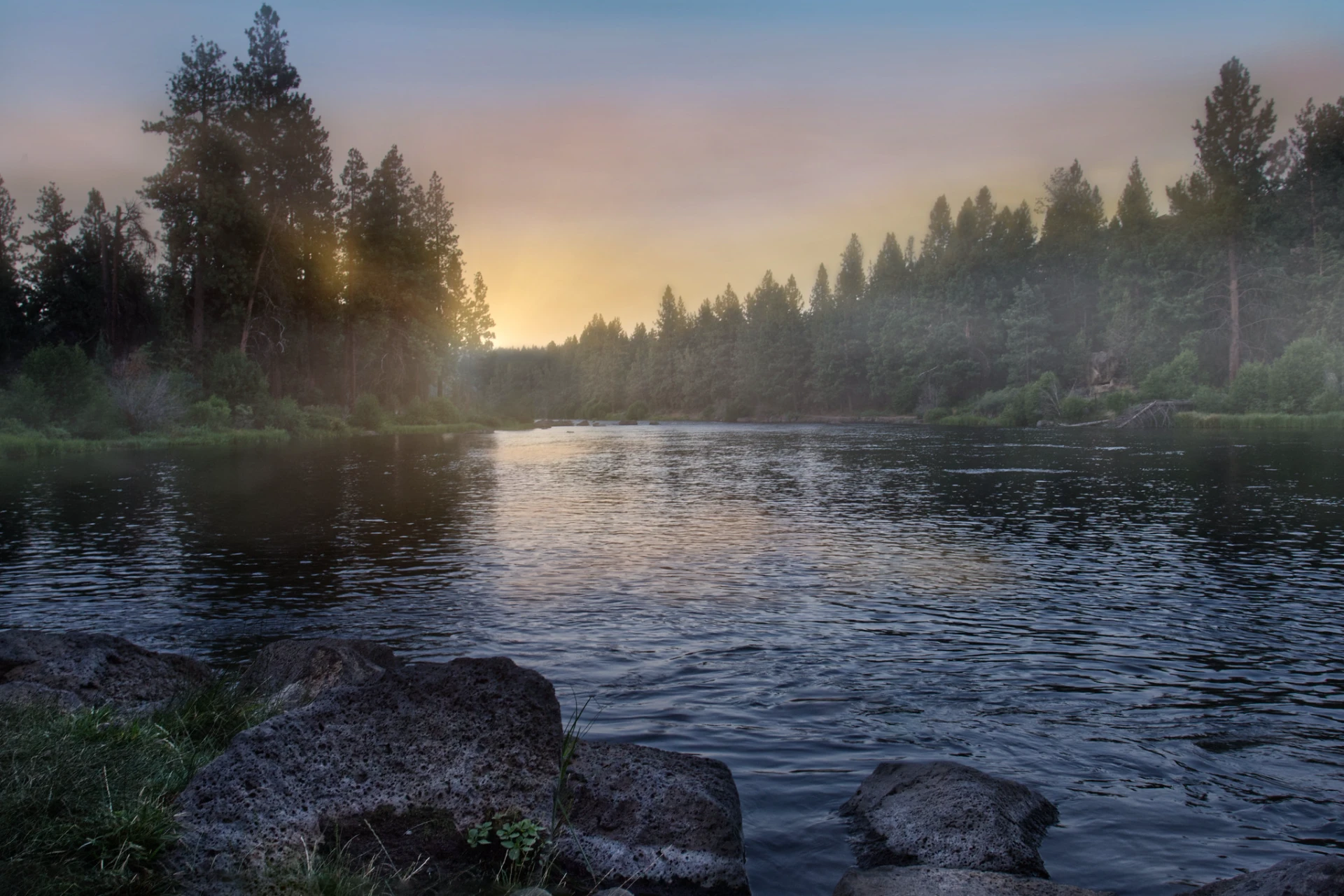
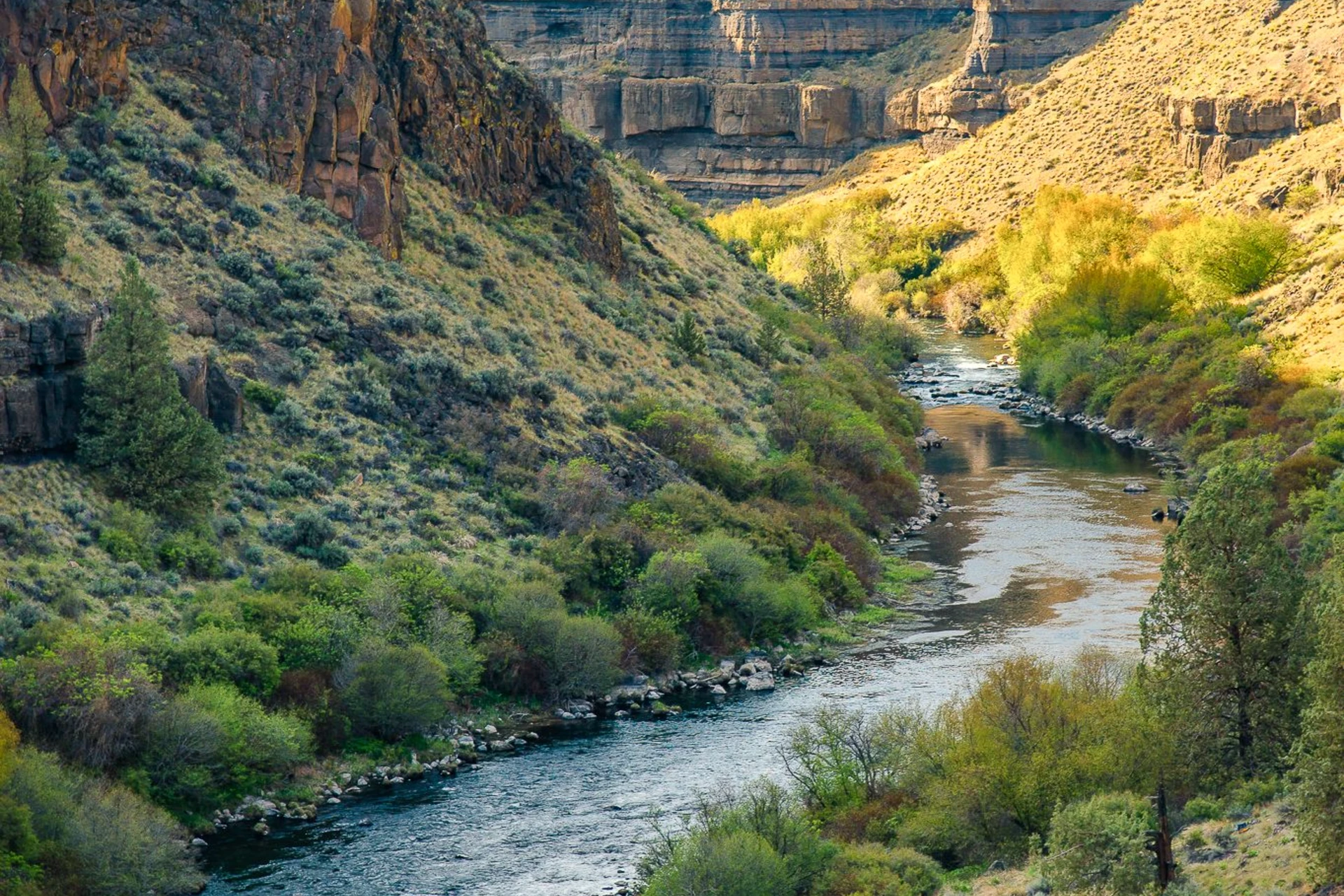
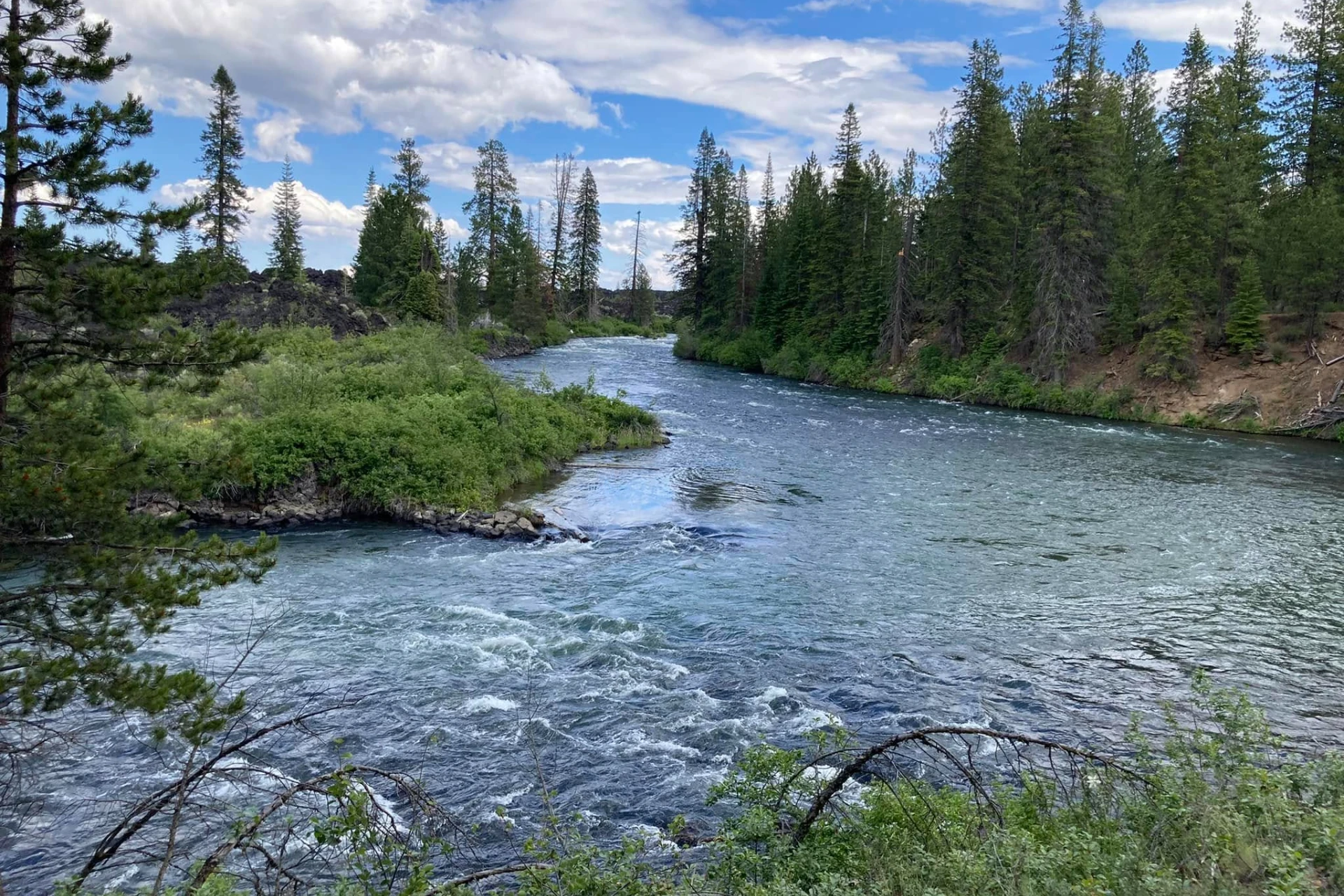
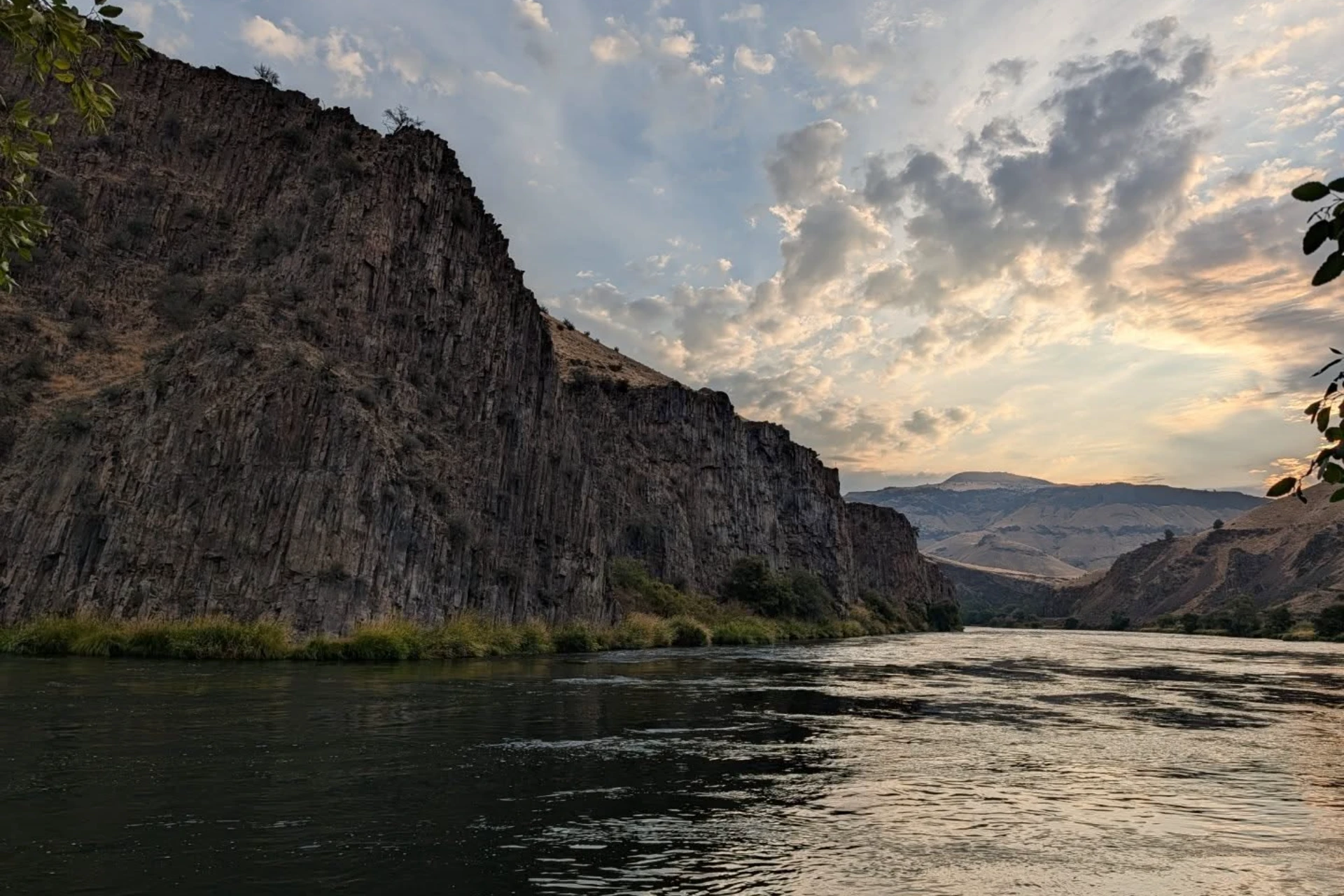
The Lower Deschutes River flows for 100 miles from Pelton Dam to the Columbia, a substantial ribbon of cold, clean water cutting through an ancient basalt canyon in Central Oregon's arid high desert. This impressive canyon averages 2,000 feet deep, creating a distinctive environment for angling. The Pelton Dam tailwater transforms the initial 60 miles into an enormous spring creek, where water fluctuations are consistently minimized by agreements with the power company. Anglers will find a varied riverbed featuring prominent riffles and quieter back eddies throughout its length. Seventy miles of the Lower Deschutes are open to angling year-round, offering extensive water to explore. The lower section is geographically divided into three distinct stretches: Warm Springs to Maupin, Maupin to Mack's Canyon, and Mack's Canyon down to the Columbia. This division helps orient anglers planning their approach to the river's diverse character. The consistent flows and varied structure provide ample opportunity to read the water and identify prime holding lies. The Lower Deschutes boasts a robust population of wild endemic desert rainbow trout, known as Redsides, with numbers exceeding 3500 trout per mile. Rocky Mountain Whitefish are also present, alongside native Bull Trout. Beyond resident species, the river sees an excellent yearly return of Summer Steelhead, which are available for much of the year, with prime fishing extending through the late season. These Steelhead readily come to the surface, establishing the Deschutes as a premier floating line Steelhead fishery. Anglers will find success with a range of techniques on the Lower Deschutes. Dry fly fishing is particularly effective, especially for the tiny mayflies that hatch in the colder months. When the water warms, the world-famous Salmonfly hatch draws fish to the surface, providing exciting opportunities. Later in the season, hatches of caddis, midges, mayflies, and small stone flies keep fish active. Nymph fishing is consistently productive, especially for Rocky Mountain Whitefish, and can be a reliable method for trout when fish are holding deeper. Anglers can effectively fish waist-deep in the numerous riffles, covering water thoroughly. Focus on seams and current breaks where fish ambush food, and be prepared to wade carefully on the basalt riverbed.
Deschutes River - Lower Hatch Chart
Loading active hatches…
Quick Actions
Trip Planning
Best fishing typically occurs during year round. Check water conditions before heading out.
See what insects are emerging on Deschutes River - Lower's hatch forecast — including active hatches, water temperatures, and which patterns to have in your box this month.
Get IdentaFly on your phone
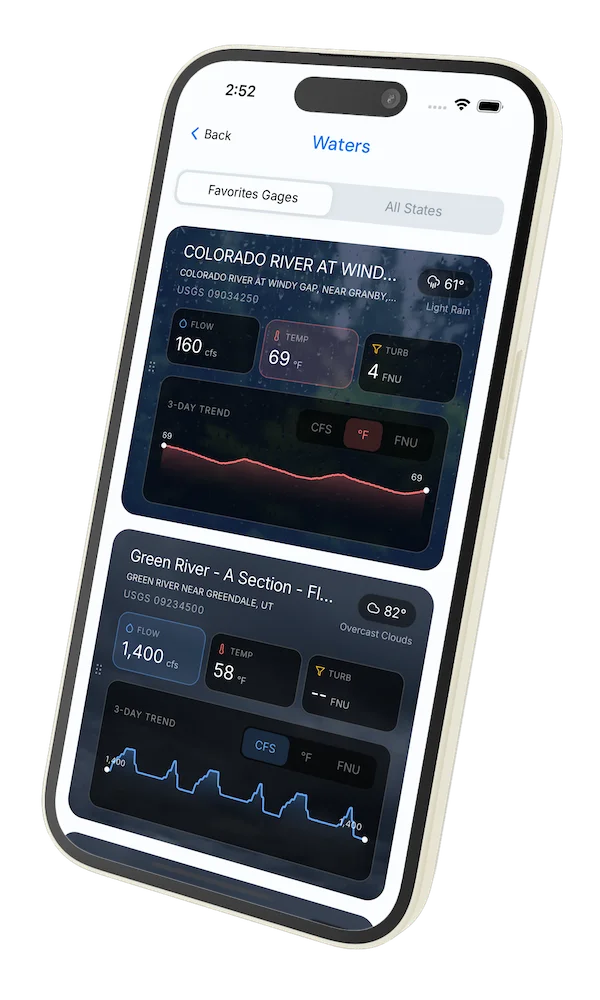
Hatch forecasts, river gages, fly scanning, and your journal — built for on-stream use. Be prepared before you get to the water. Free on the App Store and Google Play.


Conditions Report
Read tips and insights about recent conditions for Deschutes River - Lower — gathered from on line sources.
Read the Conditions ReportWater conditions
Water conditions for the last 7 days. You can gain insights to fishing activity based on these conditions, like water temperature and flow.
Data sourced from USGS National Water Information System
Access
Seasons
Terrain
Water
Fish Species
Rainbow Trout
Steelhead
Bull Trout
Whitefish
Fishing Styles
Methods
•
Wade Friendly
•
Raftable