Crooked River - Lower
OR
•
Tailwater
About Crooked River - Lower
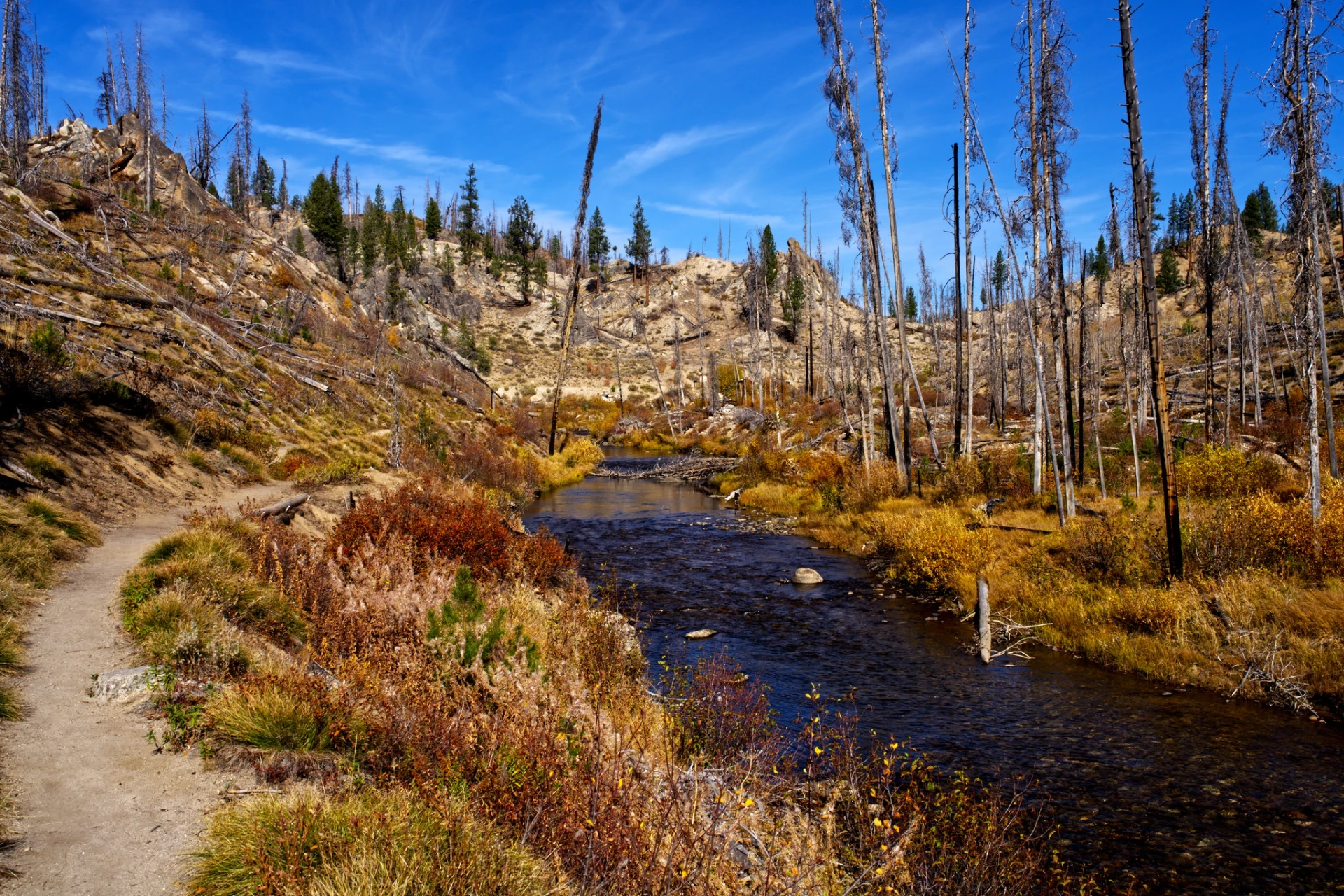
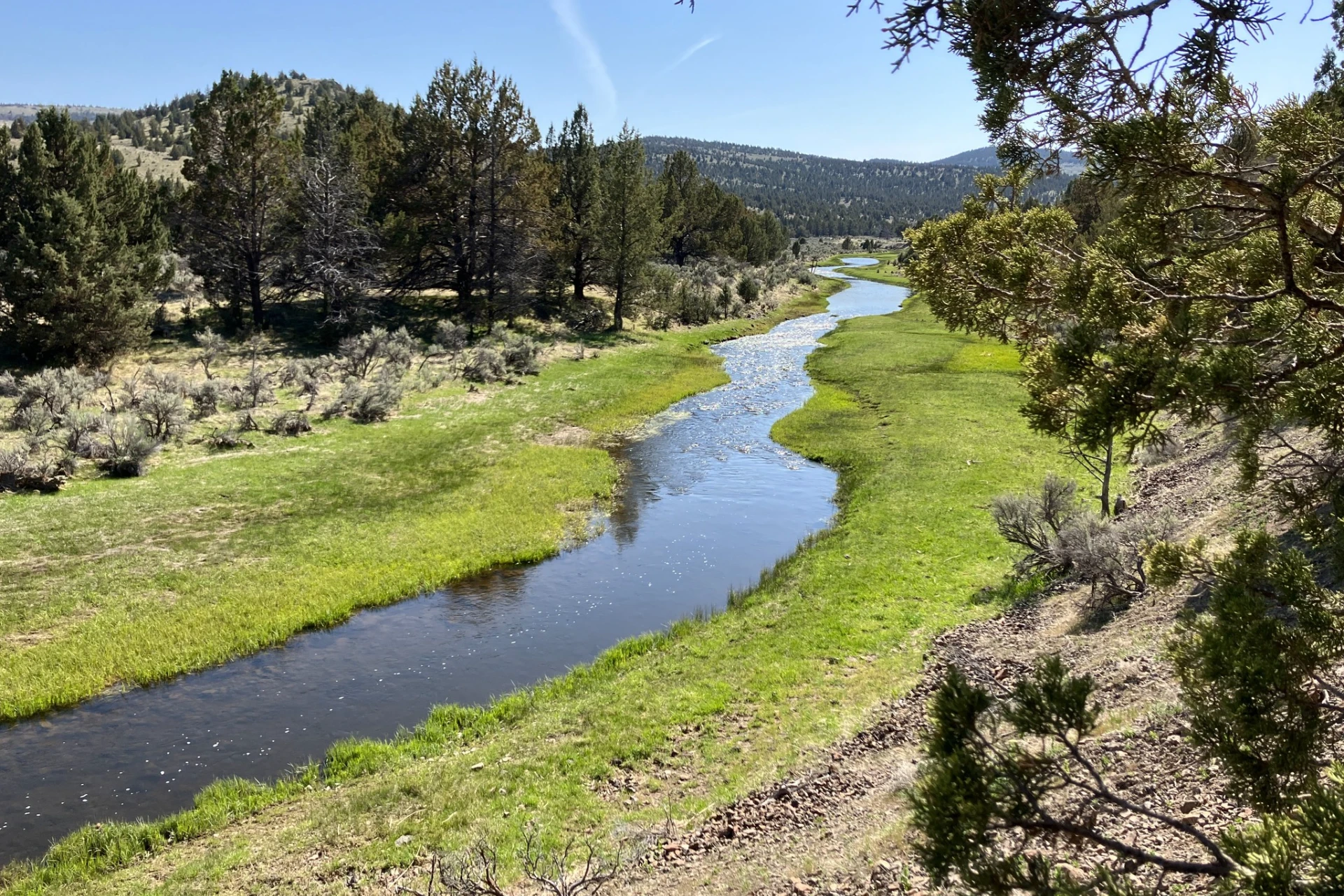
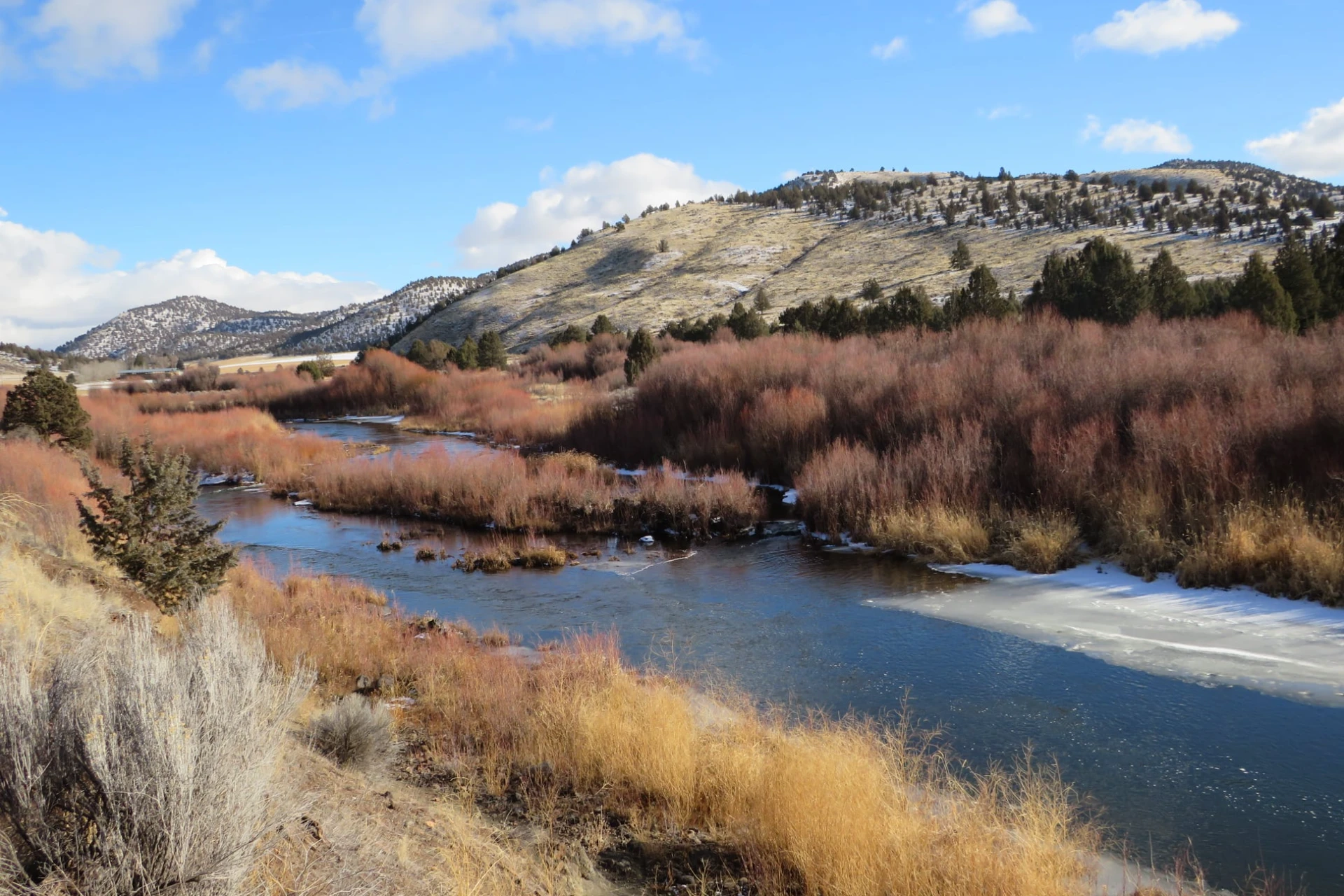
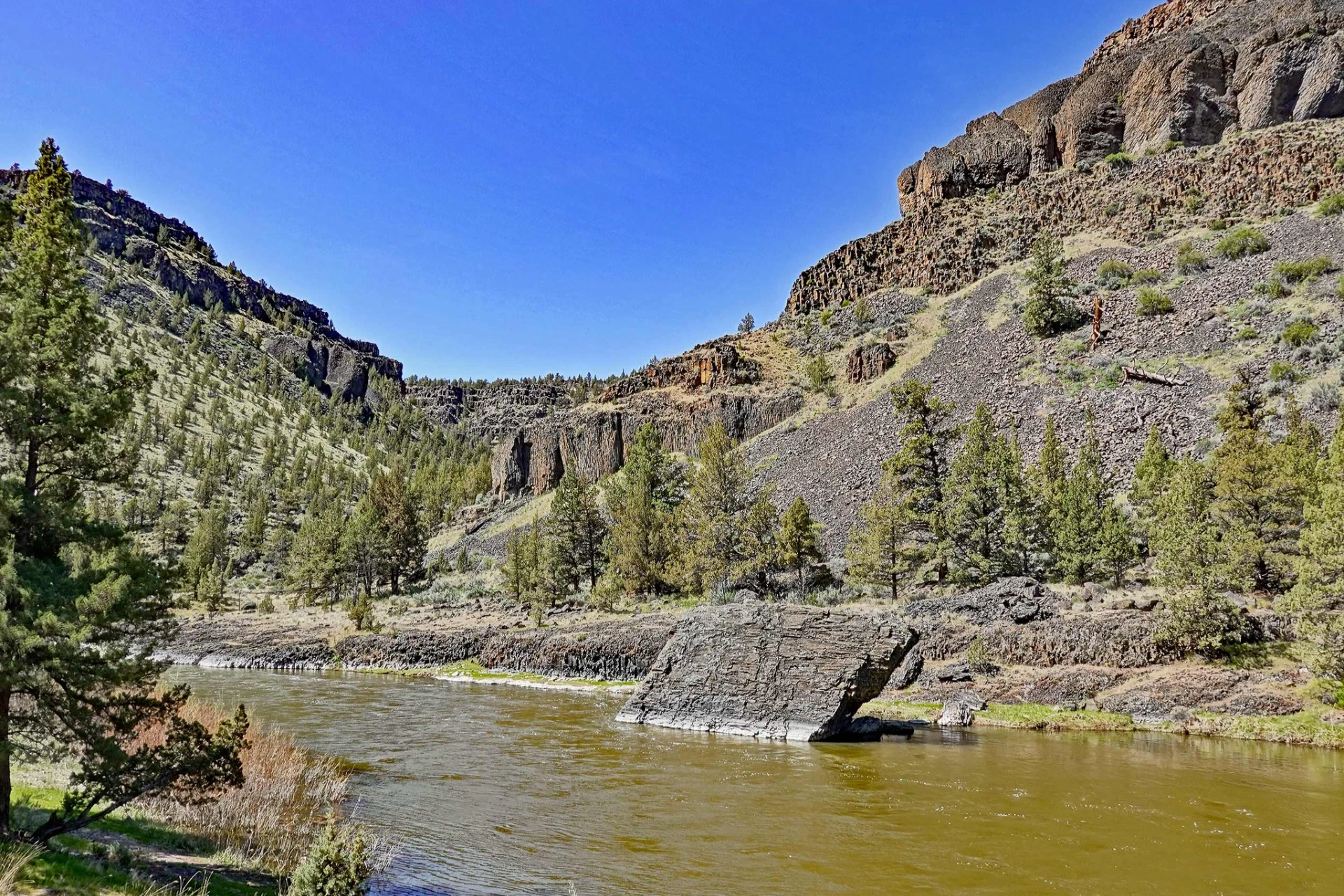
The Lower Crooked River carves through central Oregon canyons, offering a distinct fishing experience below Bowman Dam. This is a tailwater river, meaning the water released from the dam's bottom is consistently cooler, creating stable conditions for trout. The river flows for 125 miles before emptying into Lake Billy Chinook, but the most productive fly fishing is concentrated on the seven miles immediately below Bowman Dam, where easy access and camping are readily available. While the Crooked River is known for its unintimidating atmosphere, making it an excellent place to learn how to read water, anglers should be prepared for its unique character. The water often has a tint or cloudy color, which can make it challenging to see the bottom when wading, and rocks can be incredibly slippery at certain times of the year, so cleated wading boots are a wise choice. Beyond the initial seven miles, fish can be found all the way down to Lake Billy Chinook. The last ten miles before the river joins the lake also offer angling opportunities, though it's crucial to ask for permission if you encounter private land. Despite the cloudy water, the river features complex currents behind boulders and through riffles, providing varied holding water for trout. This environment encourages anglers to focus on presentation and understanding subsurface dynamics rather than sight fishing. Nearby Smith Rock State Park is a worthwhile stop, adding to the regional appeal of the area. The Crooked River is one of Oregon's best small trout streams, supporting a robust population of native redband trout, with average fish sizes around 10 inches. Productive sections of the river hold between 4,000 and 7,000 trout per mile, with some areas reaching upwards of 3,000 fish per mile. These numbers indicate a healthy and active fishery. While the focus for caddis is mainly sub-surface, a variety of caddis hatch from late winter through early fall. Blue Winged Olives are present from late winter into late spring, and Pale Morning Duns are prevalent during warmer months. Midges are a year-round food source, continuing to hatch even in winter. Mother's Day Caddis also show up in good numbers, providing another important food event. For flies, olive and orange Scuds in sizes 12 to 16 are a year-round choice. Later in summer, terrestrials like ants and beetles become productive. Year-round midge patterns include the Griffith’s Gnat, Serendipity, Brassie, and Zebra Midge in red, green, or black, along with the Midge Winkler. For Blue Winged Olives, try a Flashback Pheasant Tail or Sparkle Dun. Caddis patterns are varied, with options like the Elk Hair Caddis, Soft Hackle Green Rock Worm, Sparkle Pupa (olive), The Poopah, Juan’s Krypto Caddis (chartreuse butt), Depth Charge Caddis, Mangy Caddis, Egg Layer Caddis, X-Caddis, peacock Elk Hair Caddis, and olive/tan Missing Link. Nymphs to consider are the Anato-May, Czech SOB, Spanish Bullet, and Holy Grail Caddis. Wading is safe and easy when water flows are below 400 cubic feet per second below the dam. Beginner anglers can focus on mending, hooksets, and casting in this forgiving environment. More advanced anglers can make long casts to rising fish in tricky currents or work indicator rigs through complex flows. Swinging soft hackles is an enjoyable and effective technique, especially during abundant mayfly and caddis hatches. Alternatively, swinging a leech with a caddis pupa off the back or a Hare’s Ear can be a productive searching technique to cover water.
Crooked River - Lower Hatch Chart
Loading active hatches…
Quick Actions
Trip Planning
Best fishing typically occurs during year round. Check water conditions before heading out.
See what insects are emerging on Crooked River - Lower's hatch forecast — including active hatches, water temperatures, and which patterns to have in your box this month.
Get IdentaFly on your phone
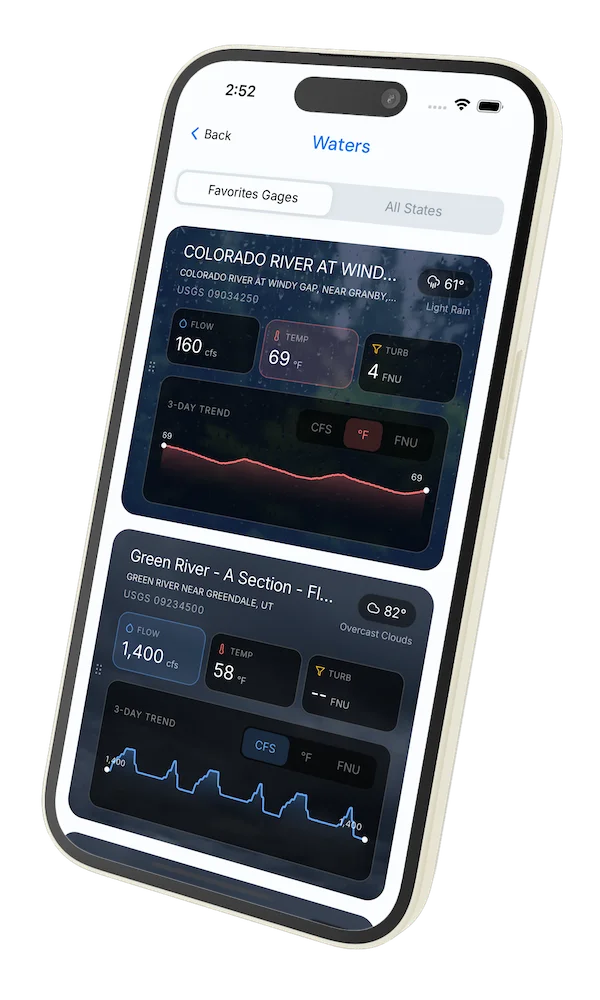
Hatch forecasts, river gages, fly scanning, and your journal — built for on-stream use. Be prepared before you get to the water. Free on the App Store and Google Play.


Conditions Report
Read tips and insights about recent conditions for Crooked River - Lower — gathered from on line sources.
Read the Conditions ReportWater conditions
Water conditions for the last 7 days. You can gain insights to fishing activity based on these conditions, like water temperature and flow.
Data sourced from USGS National Water Information System
Access
Seasons
Terrain
Water
Fish Species
Rainbow Trout
Fishing Styles
Methods
•
Wade Friendly