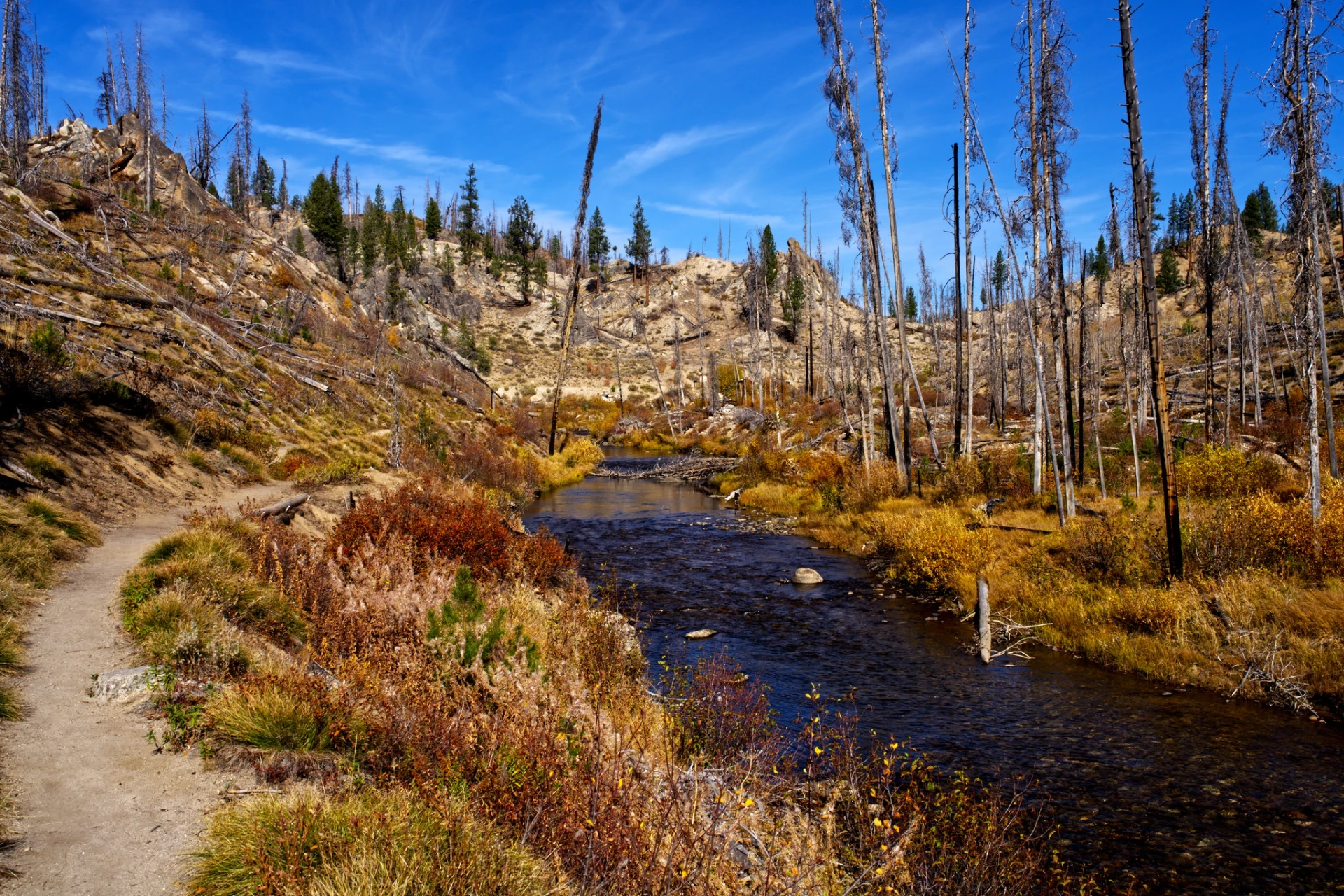
Crooked River
OR
•
Tailwater
•
Main stemAbout Crooked River
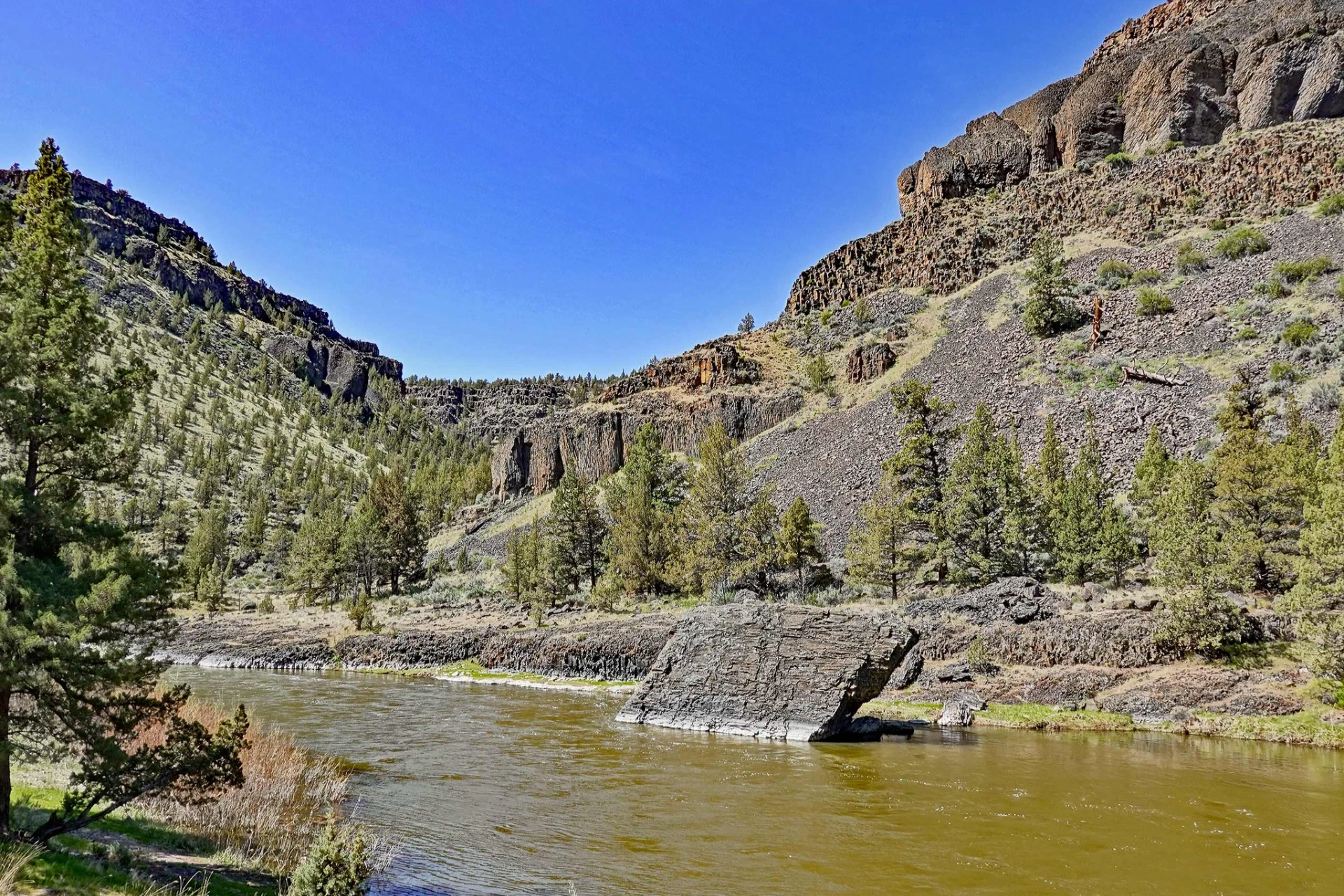
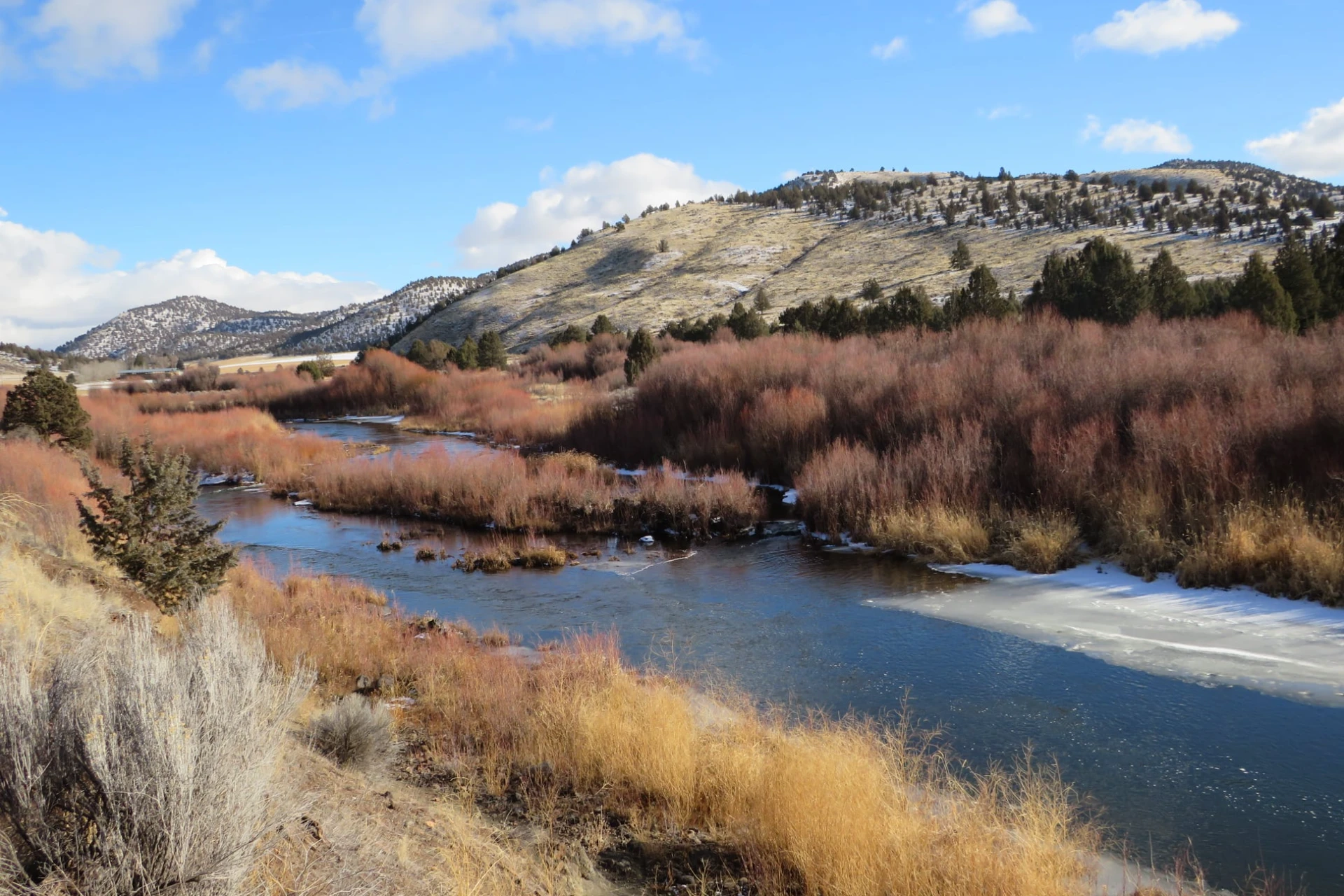
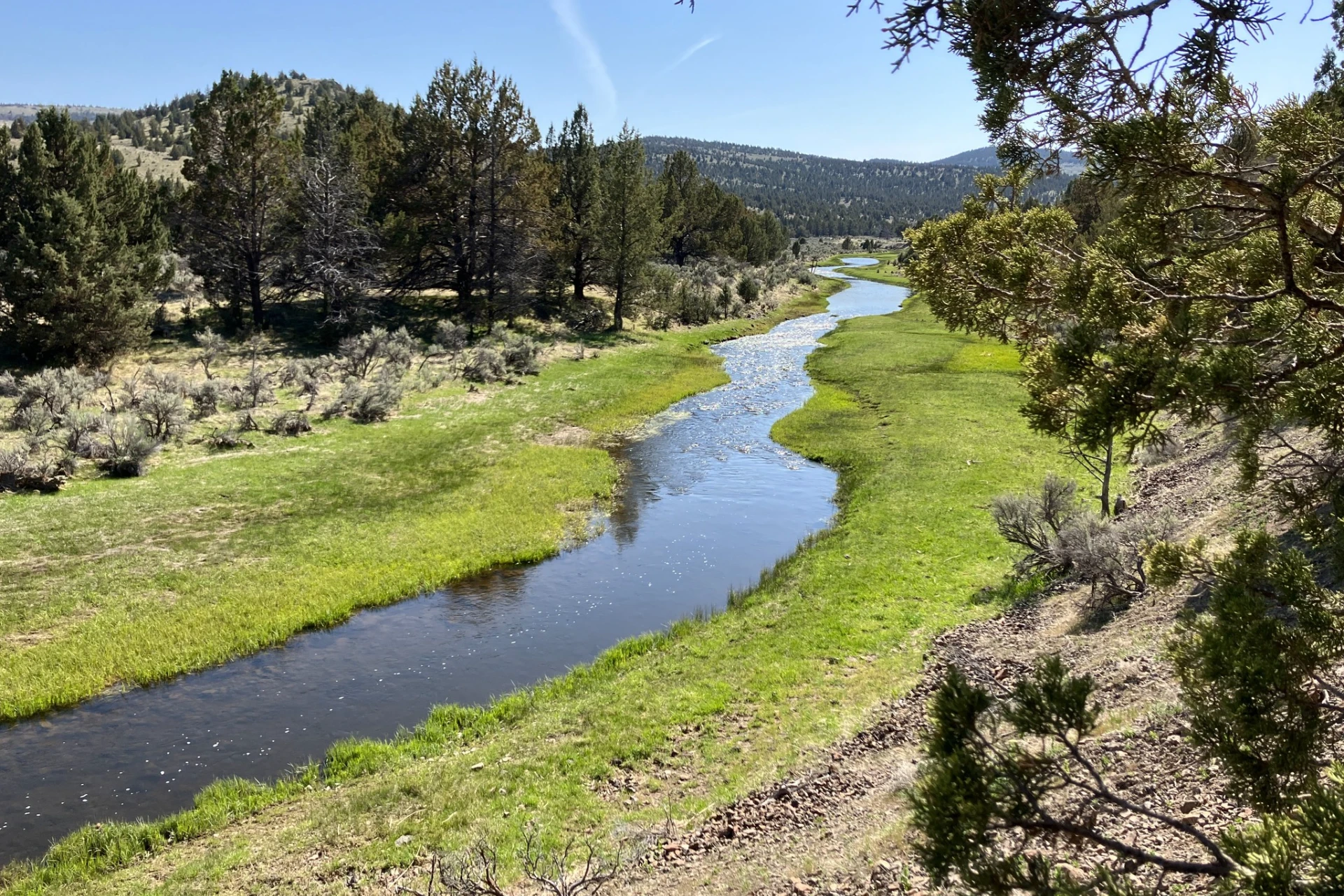
The Crooked River, a 125-mile tributary of the Deschutes River, begins at the confluence of the South Fork Crooked River and Beaver Creek. It flows from the forested Ochoco Mountains into the high desert near Lake Billy Chinook, offering a stable and diverse stream habitat. Anglers will find 61 miles designated as wild and scenic, encompassing the North Fork, Chimney Rock, and Lower Crooked River segments. This stretch features ruggedly beautiful scenery, spectacular geologic formations, and vertical basalt canyons, particularly from the Ochoco National Forest down to Opal Springs. Prominent features like Odin, Big, and Steelhead Falls, along with various springs and seeps, characterize the water. State Scenic Highway 27, a National Back Country Byway, provides views of western juniper, eroded lava flows, and other geologic formations as it follows the canyon. Access to the Crooked River is straightforward in many areas. Nine non-reservable campgrounds and two day-use areas provide easy year-round access to the Chimney Rock segment, located south of Prineville. This segment is a popular spot for fishing, hiking, and bicycling, including a 2.6-mile round trip hike to Chimney Rock for expansive views. For those requiring easier access, accessible fishing platforms are available at both Palisades and Chimney Rock campgrounds. The lower section of the river offers a more semi-primitive experience due to its remoteness, appealing to anglers seeking solitude away from more developed areas. The Crooked River is a renowned sport fishery, holding steelhead, brown trout, and native rainbow trout. When targeting these fish, focus on the river's varied structure. The presence of springs and seeps indicates potential holding lies where cooler, oxygenated water enters the main flow. Look for trout and steelhead in the seams and eddies created by the whitewater rapids, particularly where the current slows enough for fish to hold without expending too much energy. Brown trout often favor deeper pools and undercut banks, while native rainbow trout and steelhead will be found throughout the river, often actively feeding in riffles and runs.
Crooked River Hatch Chart
Loading active hatches…
Quick Actions
Regulations
•
Seasonal Closures: This water has seasonal closures. Check local regulations for specific dates.
Trip Planning
Best fishing typically occurs during year round. Check water conditions before heading out.
See what insects are emerging on Crooked River's hatch forecast — including active hatches, water temperatures, and which patterns to have in your box this month.
Get IdentaFly on your phone
Hatch forecasts, river gages, fly scanning, and your journal — built for on-stream use. Be prepared before you get to the water. Free on the App Store and Google Play.


Conditions Report
Read tips and insights about recent conditions for Crooked River — gathered from on line sources.
Read the Conditions ReportWater conditions
Water conditions for the last 7 days. You can gain insights to fishing activity based on these conditions, like water temperature and flow.
Data sourced from USGS National Water Information System
Access
Seasons
Terrain
Water
Fish Species
Steelhead
Brown Trout
Rainbow Trout
Regulations
•
Seasonal Closures: This water has seasonal closures. Check local regulations for specific dates.
Fishing Styles
Methods
•
Wade Friendly
•
Raftable
Land Ownership
Public Blm
Public Forest Service