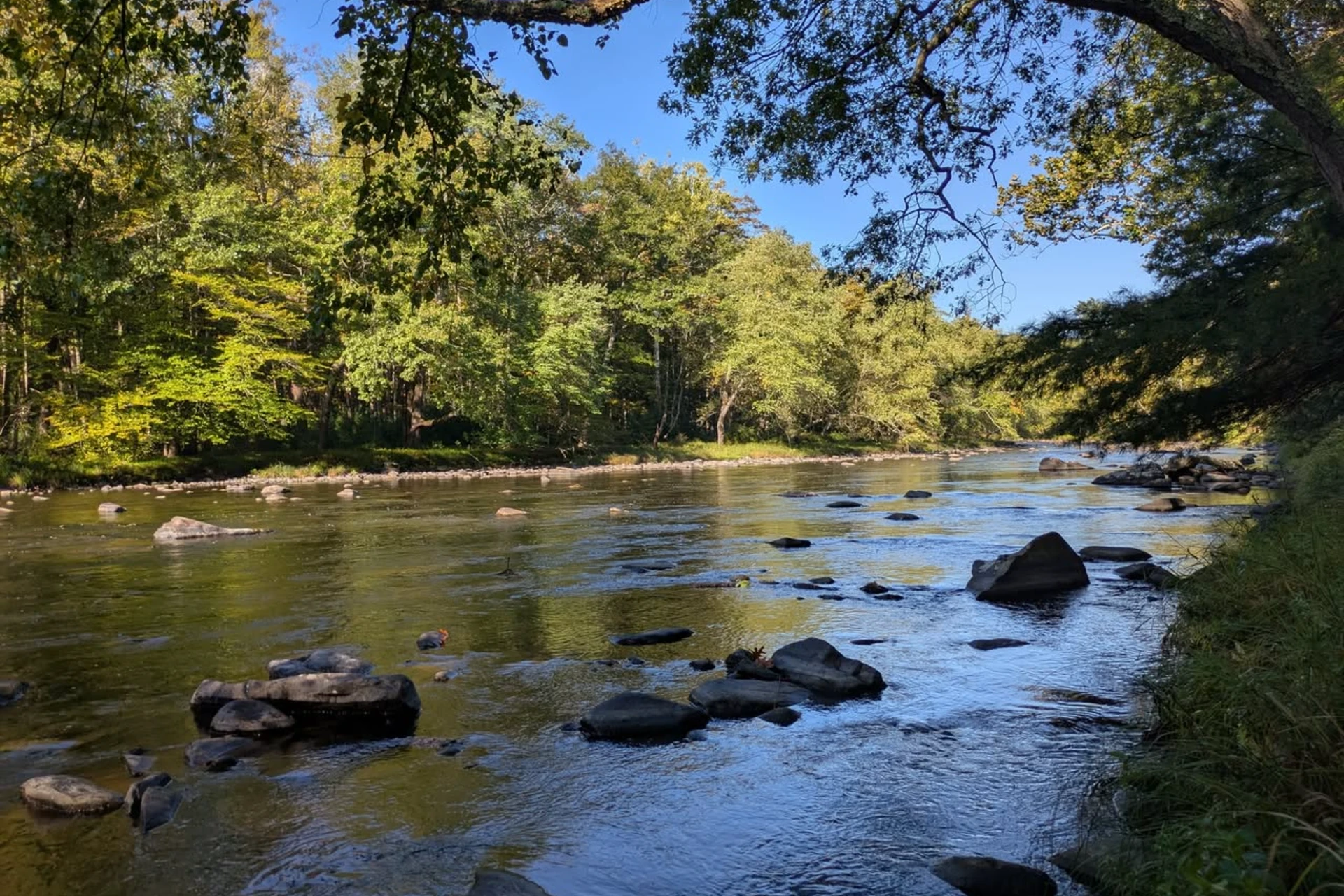
Neversink River
NY
•
River
About Neversink River
The Neversink River, a 55-mile tributary of the Delaware, offers diverse angling in southeastern New York. Its main course begins where the East and West branches meet in Claryville, flowing southwest before being impounded by the Neversink Reservoir. Below the reservoir, the river continues through several towns, including Southern Sullivan County where it passes over notable features like Denton Falls and High Falls. Anglers can access the river easily, with Public Fishing Rights allowing bank access even on private property, and numerous designated fishing access points are available. Before heading out, check current stream conditions via the USGS stream gauge near Bridgeville, NY. The tailwater section below the Neversink Reservoir is particularly distinctive, characterized by long, smooth pools that provide excellent overhead coverage. This water character often dictates a stealthy approach and precise casting. While the Neversink River is home to rainbow, brown, brook, and rarer tiger trout, most fish average six to seven inches. However, wild, larger trout are present throughout the system, offering a greater challenge for those willing to seek them out. Trout in the Neversink River primarily feed on the bottom, making subsurface tactics frequently effective. When fish are observed feeding on the surface, dry flies become the immediate choice. Most insect hatches occur in the spring, with prolific emergences including midges, Little Brown Stoneflies, and various caddisflies like cinnamon caddis and Little Sister caddisfly. During the summer, terrestrial imitations such as beetles, grasshoppers, and ants are important patterns to carry. For subsurface presentations, focus on nymphing or swinging wet flies through the deeper sections and along current seams. Recommended fly patterns cover a range of insects and sizes. For caddis, try Black Caddis (#16) or Green Caddis (#16–18). Mayfly imitations include the Blue Quill (#18), Blue Winged Olive (#18–20 and #14–16), Quill Gordon (#14), Black Quill (#14), Hendrickson (#12–14), and Red Quill (#12–14). Brown Stonefly patterns in sizes #12–14 are also effective. Midges are a consistent food source, and patterns in sizes #20–22 are often necessary. In the tailwater section, be prepared with even smaller flies, specifically in the #18 to #26 hook size range, to match the prevalent insect life and selective feeding habits of the trout there. Always carry a variety of patterns to adapt to changing conditions and observed feeding behavior.
Neversink River Hatch Chart
Loading active hatches…
Quick Actions
Trip Planning
Best fishing typically occurs during spring and fall. Check water conditions before heading out.
See what insects are emerging on Neversink River's hatch forecast — including active hatches, water temperatures, and which patterns to have in your box this month.
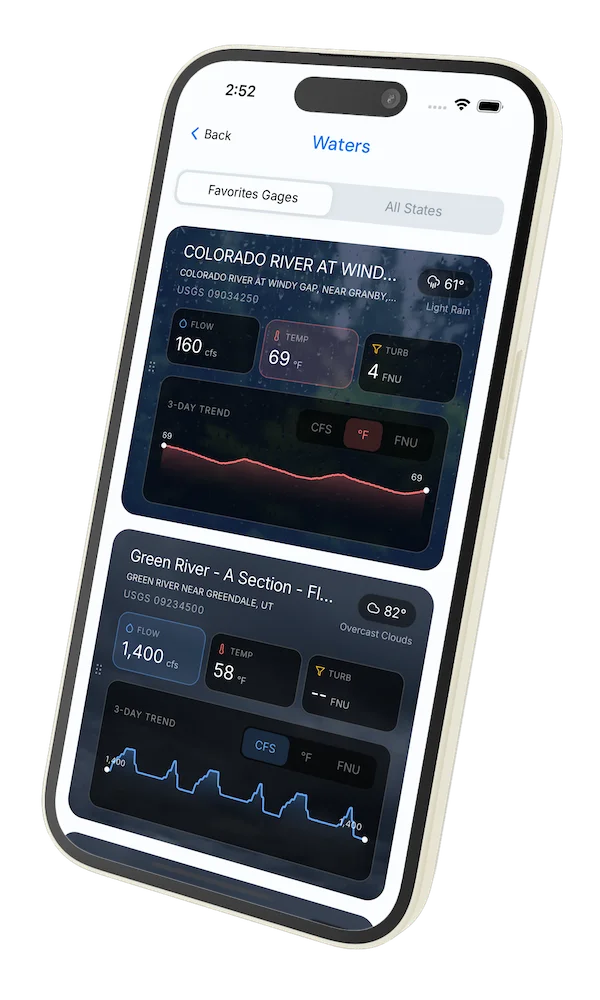
Get IdentaFly on your phone
Hatch forecasts, river gages, fly scanning, and your journal — built for on-stream use. Be prepared before you get to the water. Free on the App Store and Google Play.


Conditions Report
Read tips and insights about recent conditions for Neversink River — gathered from on line sources.
Read the Conditions ReportWater conditions
Water conditions for the last 7 days. You can gain insights to fishing activity based on these conditions, like water temperature and flow.
Data sourced from USGS National Water Information System and NOAA National Water Prediction Service (NWPS)
Access
Seasons
Terrain
Water
Fish Species
Rainbow Trout
Brown Trout
Brook Trout
Fishing Styles
Methods
•
Wade Friendly
Land Ownership
Private With Easement