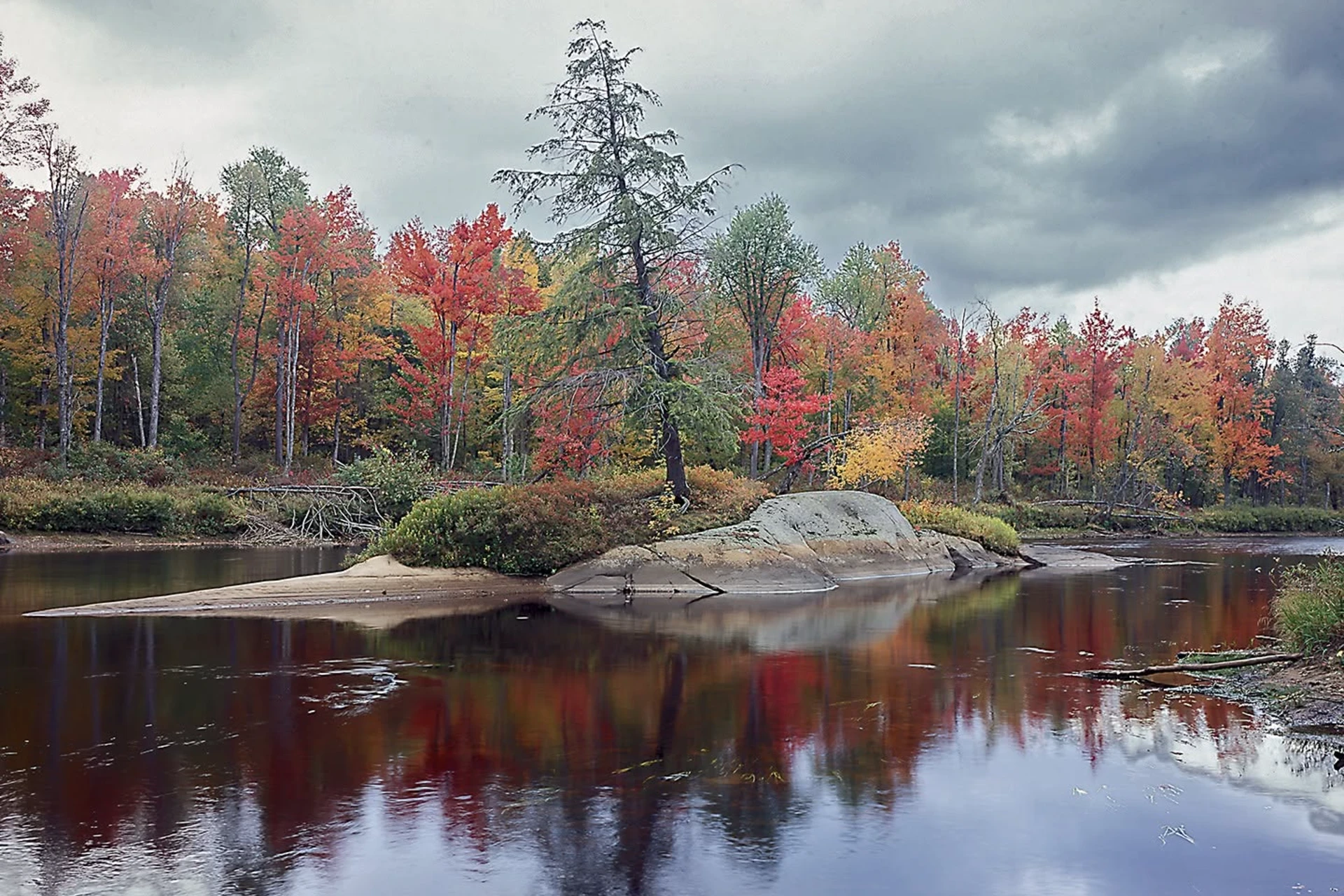
Grasse River
NY
•
River
About Grasse River
The Grasse River, a major tributary flowing into the St. Lawrence, offers anglers 115 miles of diverse water, cutting directly through the town of Canton. Approximately 85 of those miles are canoeable, making it a prime destination for those looking to cover water. The river splits into two distinct fisheries: an Upper River section, running from Degrasse to Pyrites, which holds coldwater species, and a Lower River section, from Pyrites downstream to the St. Lawrence, which supports warmwater fish. This transition means anglers can find varied conditions and target different species depending on their chosen stretch. The 36-mile run from Canton to Massena is particularly accessible for small craft, featuring short, easy portages that make it suitable for canoeists of all skill levels. Public access is adequate along most of the Grasse River's length. In the Upper River, anglers can reach the water via numerous road crossings, roads that parallel the river, and state lands. Within Canton itself, key public access points include Bend in the River Park, Canton Island Park, Heritage Park, and the SUNY Canton XC Trail. Further downstream, the Hamlet of Morley, Hamlet of Pyrites, Little River Boat Launch, Taylor Park, and the Upper and Lower Lakes WMA (DEC Boat launch) provide additional entry points. This extensive network of access allows anglers to explore a wide range of water, from the cooler, faster sections upstream to the broader, slower flows closer to the St. Lawrence. Anglers fishing the Upper Grasse River will find stocked brown trout and native brook trout, alongside smallmouth bass and rock bass. These coldwater sections often feature rocky bottoms and current breaks where trout and smallmouth will hold. Focus on presenting flies or lures that imitate baitfish or aquatic insects in these areas, paying attention to seams and eddies. The Lower Grasse River shifts to a warmwater fishery, home to walleye, smallmouth bass, northern pike, brown bullhead, panfish, and the occasional muskellunge. Here, target structure like submerged logs, weed lines, and deeper pools, especially for pike and walleye. Smallmouth bass will still be present, often relating to current and rocky habitat, even in the warmer water. Given the river's canoeable nature, covering water by small craft is an effective tactic, allowing anglers to reach less pressured sections. However, ample shore access means productive fishing can be had without a boat as well. For warmwater species, consider casting spinnerbaits or crankbaits for pike and bass, or jigging soft plastics for walleye. Trout in the upper river will respond to standard nymphing techniques, small streamers, or dry flies when conditions allow. Always be mindful of private property boundaries when accessing the river, and come prepared to cover ground to find the most productive water.
Grasse River Hatch Chart
Loading active hatches…
Quick Actions
Trip Planning
Check water conditions before heading out for the best fishing experience.
See what insects are emerging on Grasse River's hatch forecast — including active hatches, water temperatures, and which patterns to have in your box this month.
Get IdentaFly on your phone
Hatch forecasts, river gages, fly scanning, and your journal — built for on-stream use. Be prepared before you get to the water. Free on the App Store and Google Play.


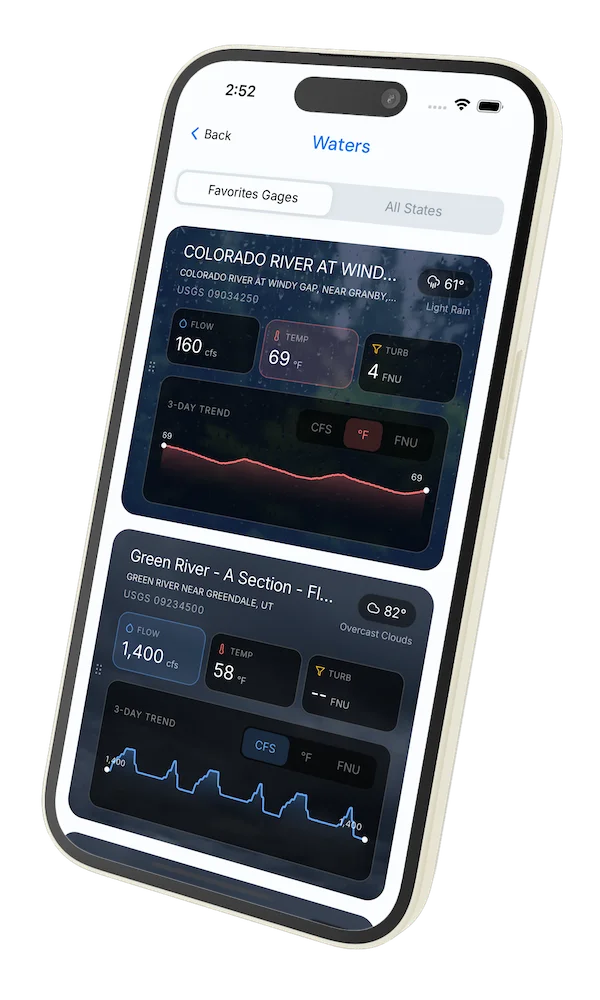
Water conditions (USGS)
Water conditions for the last 7 days. You can gain insights to fishing activity based on these conditions, like water temperature and flow.
Data sourced from USGS National Water Information System
Access
Terrain
Water
Fish Species
Brown Trout
Brook Trout
Walleye
Smallmouth Bass
Fishing Styles
Methods
•
Float Friendly
Land Ownership
State Wildlife Area