Delaware River - West Branch
NY
•
Tailwater
About Delaware River - West Branch
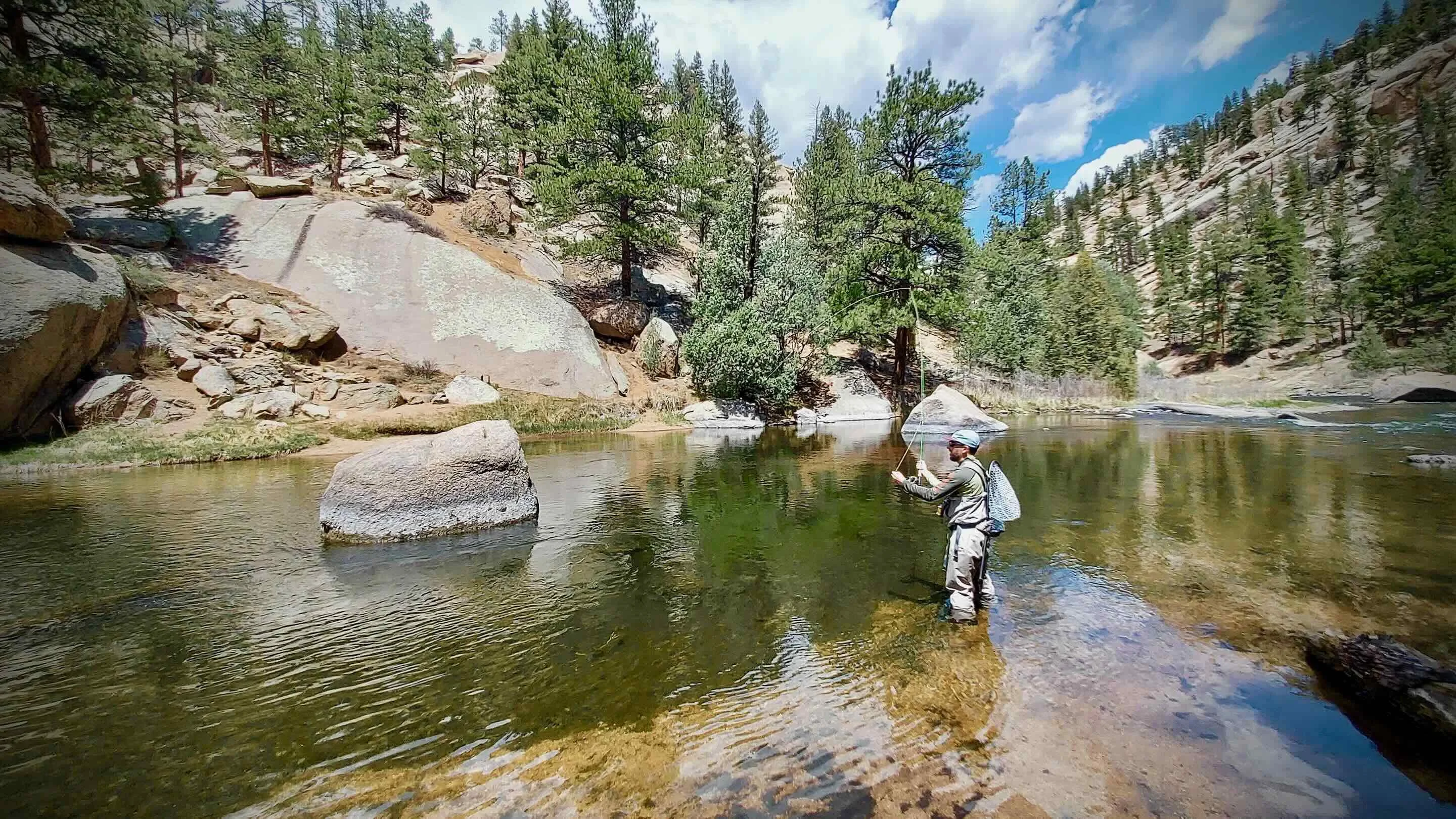
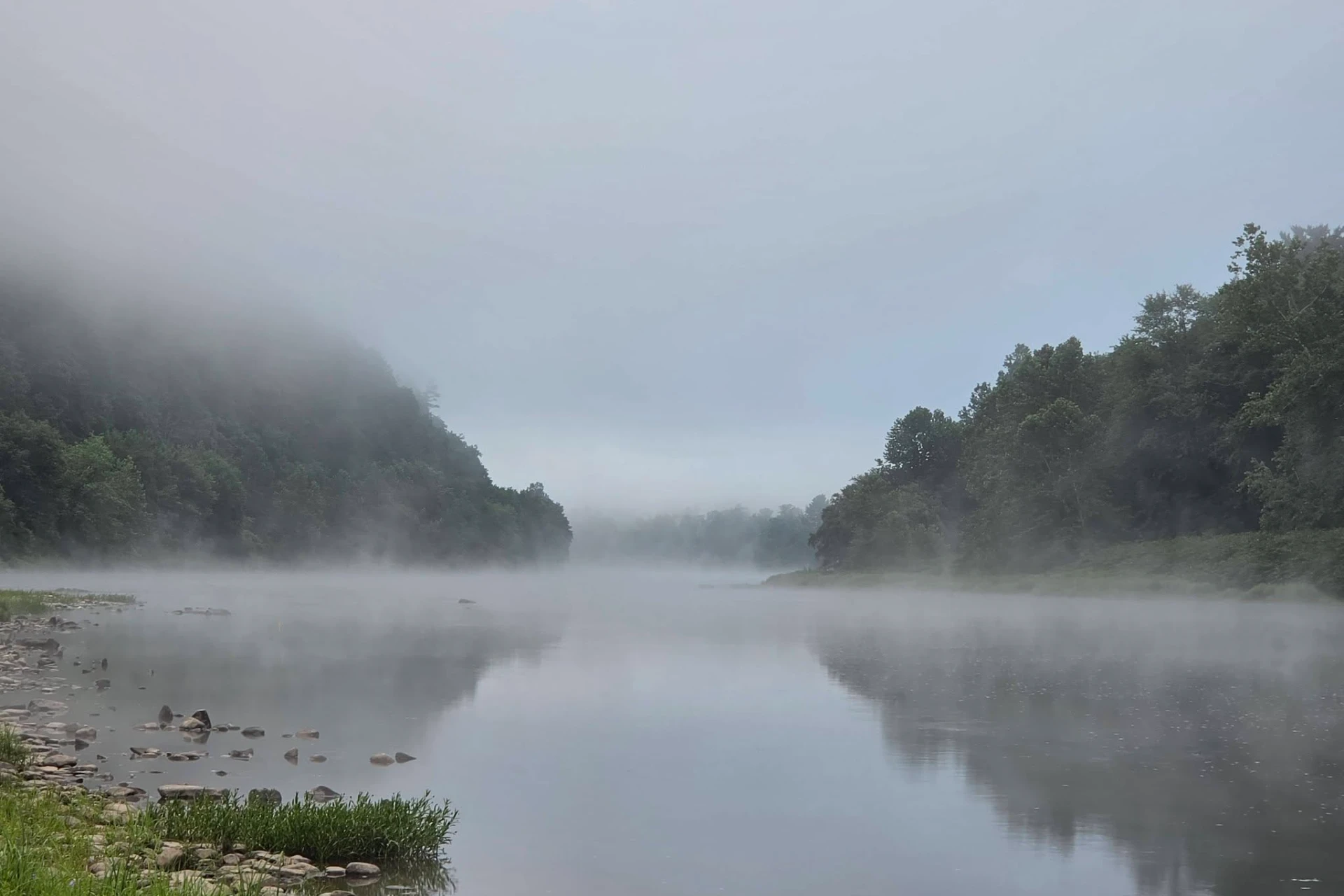
The West Branch Delaware River runs as a cold tailwater, fed directly by the deep release of the Cannonsville Reservoir. In its upper reaches, the riverbed drops through a series of fast rapids, creating highly oxygenated, quick-moving water. As you trace the river's course southwest, the gradient eases and the channel gradually widens, transforming into a broader, slower-moving river. New York State Route 17 parallels this corridor between Broome and Delaware County, providing straightforward physical tracking of the river. Anglers looking to get on the water will find major public access points concentrated along this route, including the access at Hale Eddy Bridge and the downstream terminus at Junction Pool. The physical layout of the West Branch Delaware River accommodates both walk-and-wade anglers and those using drift boats. In the wider, slower sections downstream, drift boats are highly popular because they allow you to cover the expansive flows and reach mid-channel seam lines that are difficult to access from the bank. Wading is safe and viable across many stretches of the river, though the bottom geology requires careful footing. Because the flows originate from the bottom of the reservoir, the water remains extremely cold throughout the entire year, which demands heavy wading socks and proper layering under your waders. Reading the water here means looking for the transitional zones where the fast upper rapids begin to smooth out into the deeper, slower pools of the lower river. This river functions as a completely wild, naturally reproductive fishery with no state stocking program to supplement the populations. Wild brown trout, rainbow trout, and brook trout thrive in these cold flows, alongside seasonal runs of American shad and striped bass that push up into the system. If you are targeting trout, your highest probability of finding dense fish populations is in the lower section of the river, specifically the stretch running from the Hale Eddy Bridge down to Junction Pool. The wild trout in this lower stretch are highly selective, feeding heavily on the active insect life supported by the consistent cold-water flows. Because these fish are entirely wild, they hold in specific feeding lanes along seam lines and foam lines, requiring clean drifts and precise positioning. Matching the hatch with extreme precision is critical when you target rising trout on the West Branch Delaware River. The river supports heavy mayfly activity, with notable hatches of Hendricksons, Sulphurs, and Blue Winged Olives bringing fish to the surface. Stoneflies, midges, and caddisflies also make up a massive portion of the trout's diet. When fish are rising, you will want to match these insects closely; when they are not feeding on top, switching to deep nymphing techniques or swinging streamers through the deeper pools and runs is the most successful approach. To match the stonefly and caddisfly activity, keep your box stocked with Black Stoneflies in sizes 12 through 18, Brown Stoneflies in sizes 12 to 14, and Little Black Caddis in sizes 16 to 18. You should also carry Grannom imitations in size 12, as well as Gray Caddis and Olive Caddis in sizes 14 through 16 to cover the active insect profiles. Make your wading approach slow and deliberate to avoid sending ripples across the flat pools before you make your first cast.
Delaware River - West Branch Hatch Chart
Loading active hatches…
Quick Actions
Trip Planning
Best fishing typically occurs during spring and summer. Check water conditions before heading out.
See what insects are emerging on Delaware River - West Branch's hatch forecast — including active hatches, water temperatures, and which patterns to have in your box this month.
Get IdentaFly on your phone
Hatch forecasts, river gages, fly scanning, and your journal — built for on-stream use. Be prepared before you get to the water. Free on the App Store and Google Play.


Water conditions
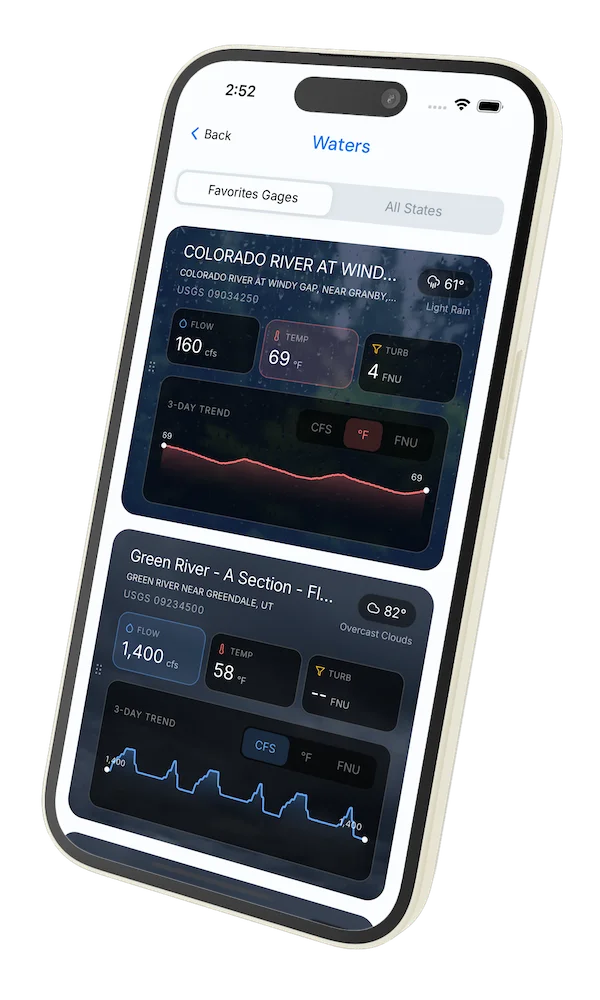
Water conditions for the last 7 days. You can gain insights to fishing activity based on these conditions, like water temperature and flow.
Data sourced from USGS National Water Information System
Access
Seasons
Terrain
Water
Fish Species
Brown Trout
Rainbow Trout
Brook Trout
Striper
Fishing Styles
Methods
•
Wade Friendly
•
Float Friendly