Cohocton River
NY
•
River
About Cohocton River
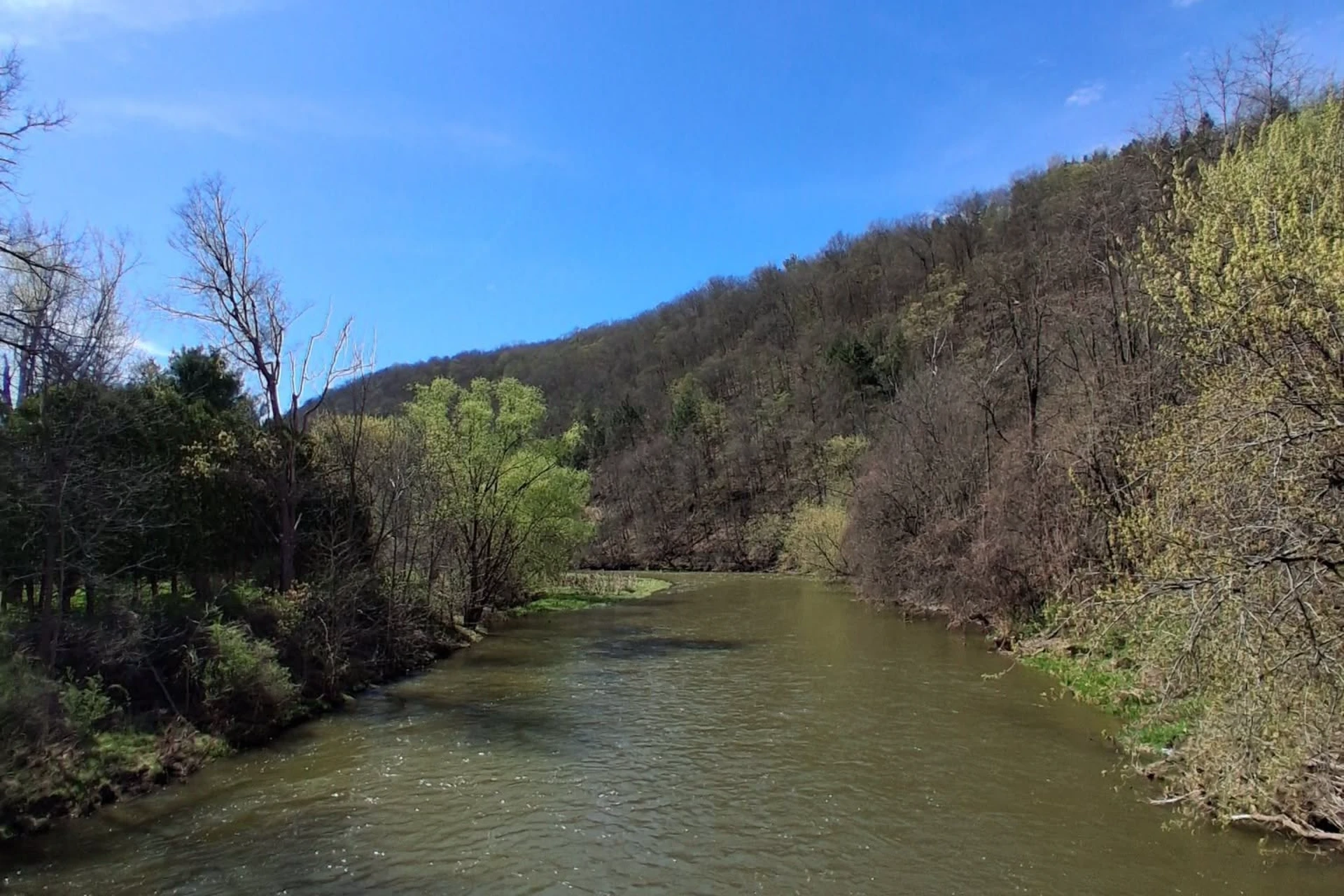
The Cohocton River is a 58.5-mile-long tributary of the Chemung River that cuts its way through a deep valley in the Allegheny Plateau. The surrounding watershed remains largely undeveloped, characterized by over 61 percent forest cover and roughly 35 percent agricultural land. This mix of timbered hillsides and open fields defines the river corridor, creating a classic freestone environment with a mix of gravel bars, undercut clay banks, and deep-water bends. Early in the year, water flows here can run relatively high and heavy as runoff drains from the surrounding plateau hills into the main stem. Anglers can expect a river that changes character from quick-moving runs in its narrower upper reaches to broader, slower-moving pools further downstream. Getting on the water is straightforward, with primary access points located near the towns of Avoca, Bath, and Painted Post. These access areas allow you to target different sections of the river, from the quicker water upstream to the larger pools as the river moves toward its confluence with the Chemung. Foot access is common along road crossings and public easements, though the bank vegetation can be dense where agricultural fields meet the forested fringe. Wading requires some caution, especially along the deeper runs and clay-bottomed pools where the riverbed can drop off unexpectedly. Observing the flow levels and locating gravel bars or shallower inside bends will help you plan a safe wade route through any given stretch. Brown trout and rainbow trout make up the primary target species throughout the Cohocton River system. The river around Avoca receives heavy allocations of stocked brown trout across several distinct intervals early in the fishing season. During these initial stocking cycles, the state releases groups of 3,290 brown trout measuring 9 to 10 inches alongside 400 larger brown trout measuring 12 to 15 inches per stocking event. These releases occur in multiple successive waves, including a final late-interval stocking of another 3,290 smaller browns and 400 larger trout. This consistent influx of fish ensures a high density of trout in the upper river sections, with plenty of fish holding in the seams, pocket water, and slower foam lines near the stocking points. When targeting these trout, drifting streamers and nymphs is the most effective approach, particularly when flows are running high and off-color. High-water conditions push trout out of the main current and against the banks, making heavy sub-surface presentations necessary to reach the fish. Work your nymphs deep along the bottom using split shot or weighted flies to tick the gravel in the slower seams adjacent to fast water. For streamers, focus on swinging large, dark patterns through the undercut banks and deep pool tails where the larger 12-to-15-inch brown trout hold to escape the heavy current. Keep your casts tight to the bank structure and adjust your retrieve speed to match the water temperature, ensuring your fly stays down in the strike zone as long as possible.
Cohocton River Hatch Chart
Loading active hatches…
Quick Actions
Trip Planning
Best fishing typically occurs during spring and summer. Check water conditions before heading out.
See what insects are emerging on Cohocton River's hatch forecast — including active hatches, water temperatures, and which patterns to have in your box this month.
Get IdentaFly on your phone
Hatch forecasts, river gages, fly scanning, and your journal — built for on-stream use. Be prepared before you get to the water. Free on the App Store and Google Play.


Water conditions
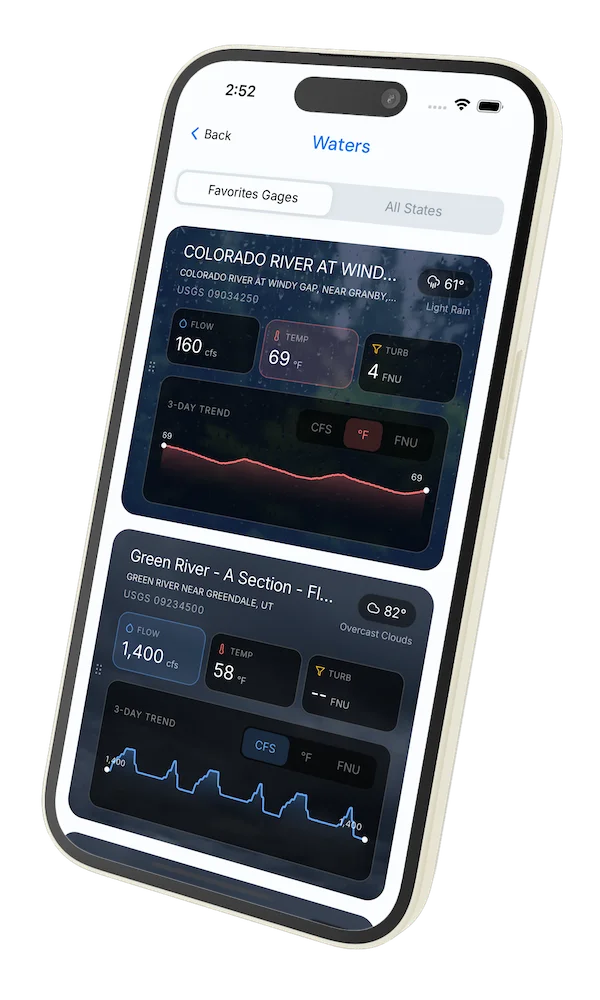
Water conditions for the last 7 days. You can gain insights to fishing activity based on these conditions, like water temperature and flow.
Data sourced from USGS National Water Information System and NOAA National Water Prediction Service (NWPS)
Access
Seasons
Terrain
Water
Fish Species
Brown Trout
Brook Trout
Rainbow Trout
Fishing Styles
Methods
•
Wade Friendly