Boreas River
NY
•
River
About Boreas River
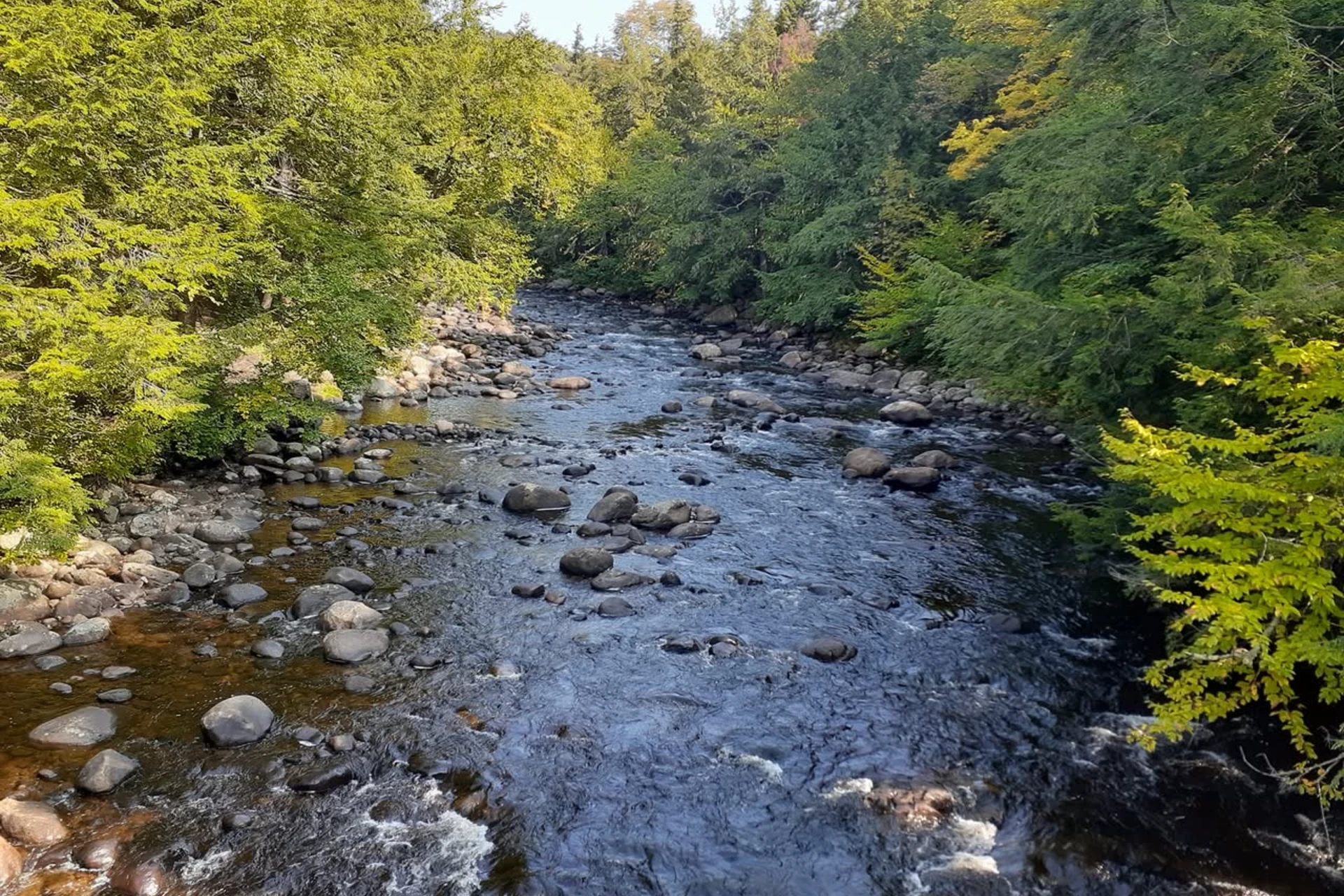
The Boreas River is a major tributary of the Hudson River that begins its southward flow at Boreas Ponds. This river features a classic freestone structure as it winds through both Essex and Hamilton counties, cutting a path through the regional geology. Anglers will find a diverse mix of fast pocket water, tumbling runs, and deep, quiet pools along its course. The riverbed is heavily strewn with large boulders, undercut banks, and gravel bars, creating distinct current seams and sheltered holding water. Reading these physical features is key to locating fish, as the gradient constantly changes from quick, oxygenated riffles to slower, deeper bends where trout can rest out of the main force of the current. Accessing the river is straightforward if you utilize the established road crossings and bridge points. The North Woods Club Road bridge offers a solid starting point for the lower sections of the river, located at coordinates 43°49'0.68" N, 74°3'38.88" W. Further north, the Boreas Road bridge—also referred to as the Blue Ridge Road or County Route 2 bridge—provides access at 43°56'35.87" N, 73°57'15.08" W. Parking near these bridges allows you to access long stretches of water without having to hike miles through trackless woods. From these bridges, you can hike along the banks to find water that suits your style, whether that means wading the shallow riffles or targeting the deeper water around the bridge structures themselves. The banks vary from open gravel bars to thick brush, requiring some careful wading and bankside scrambling to reach the best pocket water. The trout fishery changes character as you move from the headwaters down through the main river channel. Up in the cold, high-gradient reaches near Cheney Pond in Minerva, native brook trout are the primary target. These wild fish utilize the clean, shaded water and tight overhead cover of the upper river, requiring short, accurate casts. Farther downstream, the river is regularly stocked with brown trout to bolster the fishery. Additionally, Essex County adds larger stocked rainbow trout and brook trout to the mix, meaning you have a realistic chance at encountering multiple trout species in the same stretch of water. To fish this freestone water effectively, your tactics must focus on depth control and drag-free drifts. A tight-line nymphing setup or an indicator rig is highly effective for drifting weighted nymphs through the deeper pockets and turbulent seams. Focus your efforts on the soft water directly behind large boulders, the deep foam lines, and along the edges of the main current lines where trout wait to intercept food. If you find fish rising in the flat pools, long leaders and fine tippets are necessary to prevent lining the trout. When fishing the slower pools, a stealthy approach is required to avoid spooking fish in the clear water. Make your casts from a low profile, work the tailouts of the pools first, and keep your wading steps slow and quiet to avoid sending warning vibrations upstream.
Boreas River Hatch Chart
Quick Actions
Trip Planning
Best fishing typically occurs during spring and summer. Check water conditions before heading out.
See what insects are emerging on Boreas River's hatch forecast — including active hatches, water temperatures, and which patterns to have in your box this month.
Get IdentaFly on your phone
Hatch forecasts, river gages, fly scanning, and your journal — built for on-stream use. Be prepared before you get to the water. Free on the App Store and Google Play.


Access
Seasons
Terrain
Water
Fish Species
Brook Trout
Brown Trout
Rainbow Trout
Fishing Styles
Methods
•
Wade Friendly