Walker River - East
NV
•
Tailwater
About Walker River - East
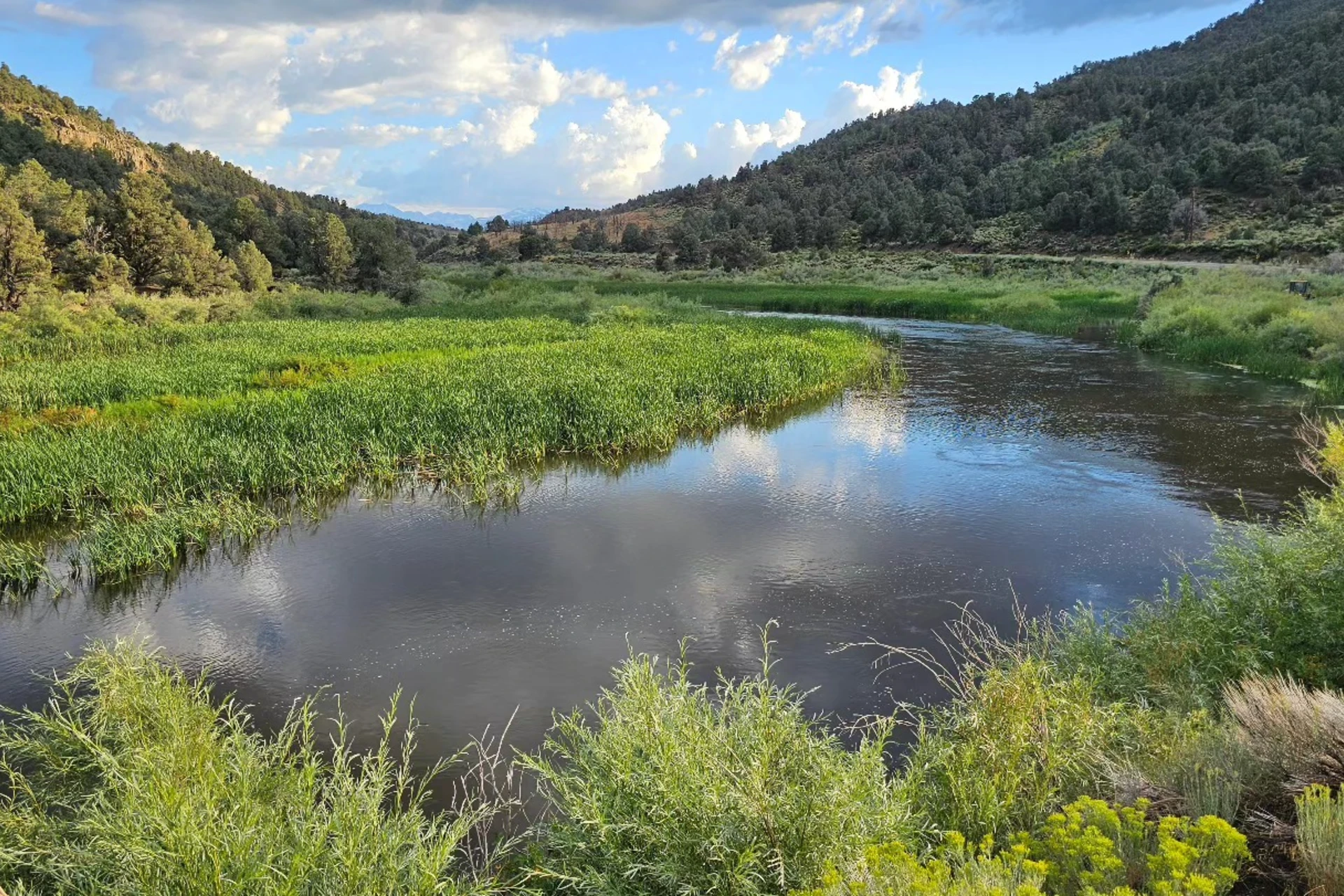
The East Walker River flows north from Bridgeport Reservoir into Nevada, offering varied fishing from the dam to the state line. Below the dam, the Big Hole is a large, churning pool. The 1.2-mile stretch known as the Miracle Mile, just downstream, is rich in nutrients and can have a brownish hue in summer. The river transitions through boulder-studded pocket water, long riffles, and deeper pools with undercut banks. You’ll find fast runs, plunge pools, and slower sections with gravel bars as it moves through canyon sections and vast meadows. Access is straightforward from Highway 182 and various dirt roads. Rough anglers’ trails follow the river. Public access is available at Rosaschi Ranch, managed by the Nevada Department of Wildlife, reached via Sweetwater Road off Highway 182/338, with parking at a bridge and trails along the river. An old dirt road also parallels the canyon section from a parking area downstream of the Highway 182 bridge. Private pay-to-play fishing is available by reservation at Sceirine Ranch. The East Walker holds abundant rainbow and brown trout, averaging 15 inches and often exceeding 20 inches. The population is roughly 60% browns to 40% rainbows. The Big Hole is known for large browns, especially in fall, and Rosaschi Ranch has over a thousand wild brown trout per mile with natural spawning. Larger trout, those over 17 inches, are piscivorous, feeding on tui chubs, Sacramento perch fry, and carp fry. Midges hatch year-round. Skwala stoneflies and Baetis mayflies emerge early in the angling year. Prolific Pale Morning Duns emerge from early May into summer, and Golden Stoneflies appear in spring and sporadically through summer. Prolific caddis hatches occur all summer, particularly on warm evenings, including Rhyacophila, Hydropsyche, Glossosoma, and Brachycenturus species. Nymphing is effective, including Czech, short-line, and indicator nymphing. Recommended nymphs include Pheasant Tail Nymphs (16-18), stonefly nymphs (6-8), Green Rock Worms, Chamois Nymphs, Olive Hare’s Ears (12-18), Gold Ribbed Hare’s Ears, and Peeking Caddis. Streamer fishing with weighted baitfish patterns on intermediate lines or dead-drifted under an indicator works well, especially in the Big Hole and during higher flows. Swinging and stripping streamers in deeper pools and runs is also productive during higher flows. For dry-fly fishing, target the meadow-like sections after sunset during evening caddis hatches. Sparkle Duns, Adams, tan/cream parachute patterns (16-20), Madam X, and Stimulators are good choices. For caddis emergers, use fuzzy nymphs like Hare’s Ear or Bird’s Nest with floatant. Wading can be challenging due to slippery rocks; wading boots and a staff are recommended.
Walker River - East Hatch Chart
Loading active hatches…
Quick Actions
Regulations
•
Catch & Release: All fish must be immediately released. Handle with care using barbless hooks.
•
Artificial Lures Only: No natural bait permitted. Flies, lures, and artificial attractants only.
•
Seasonal Closures: This water has seasonal closures. Check local regulations for specific dates.
Trip Planning
Best fishing typically occurs during summer and fall. Check water conditions before heading out.
See what insects are emerging on Walker River - East's hatch forecast — including active hatches, water temperatures, and which patterns to have in your box this month.
Get IdentaFly on your phone
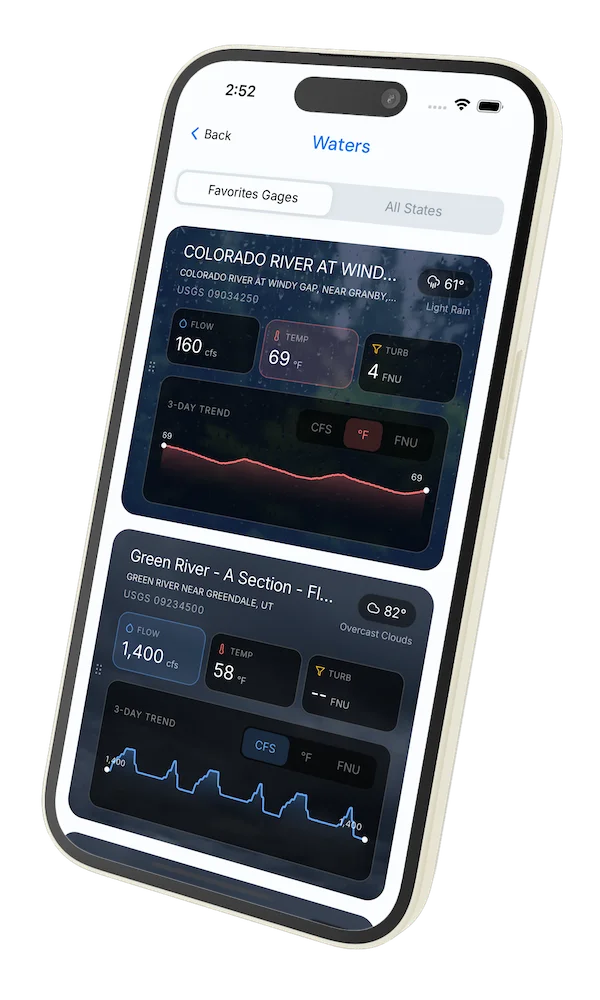
Hatch forecasts, river gages, fly scanning, and your journal — built for on-stream use. Be prepared before you get to the water. Free on the App Store and Google Play.


Conditions Report
Read tips and insights about recent conditions for Walker River - East — gathered from on line sources.
Read the Conditions ReportWater conditions
Water conditions for the last 7 days. You can gain insights to fishing activity based on these conditions, like water temperature and flow.
Data sourced from USGS National Water Information System
Access
Seasons
Terrain
Water
Fish Species
Brown Trout
Rainbow Trout
Regulations
•
Catch & Release: All fish must be immediately released. Handle with care using barbless hooks.
•
Artificial Lures Only: No natural bait permitted. Flies, lures, and artificial attractants only.
•
Seasonal Closures: This water has seasonal closures. Check local regulations for specific dates.
Fishing Styles
Methods
•
Wade Friendly
•
Float Friendly
Land Ownership
State Wildlife Area
Public Forest Service
