Humboldt River
NV
•
River
About Humboldt River
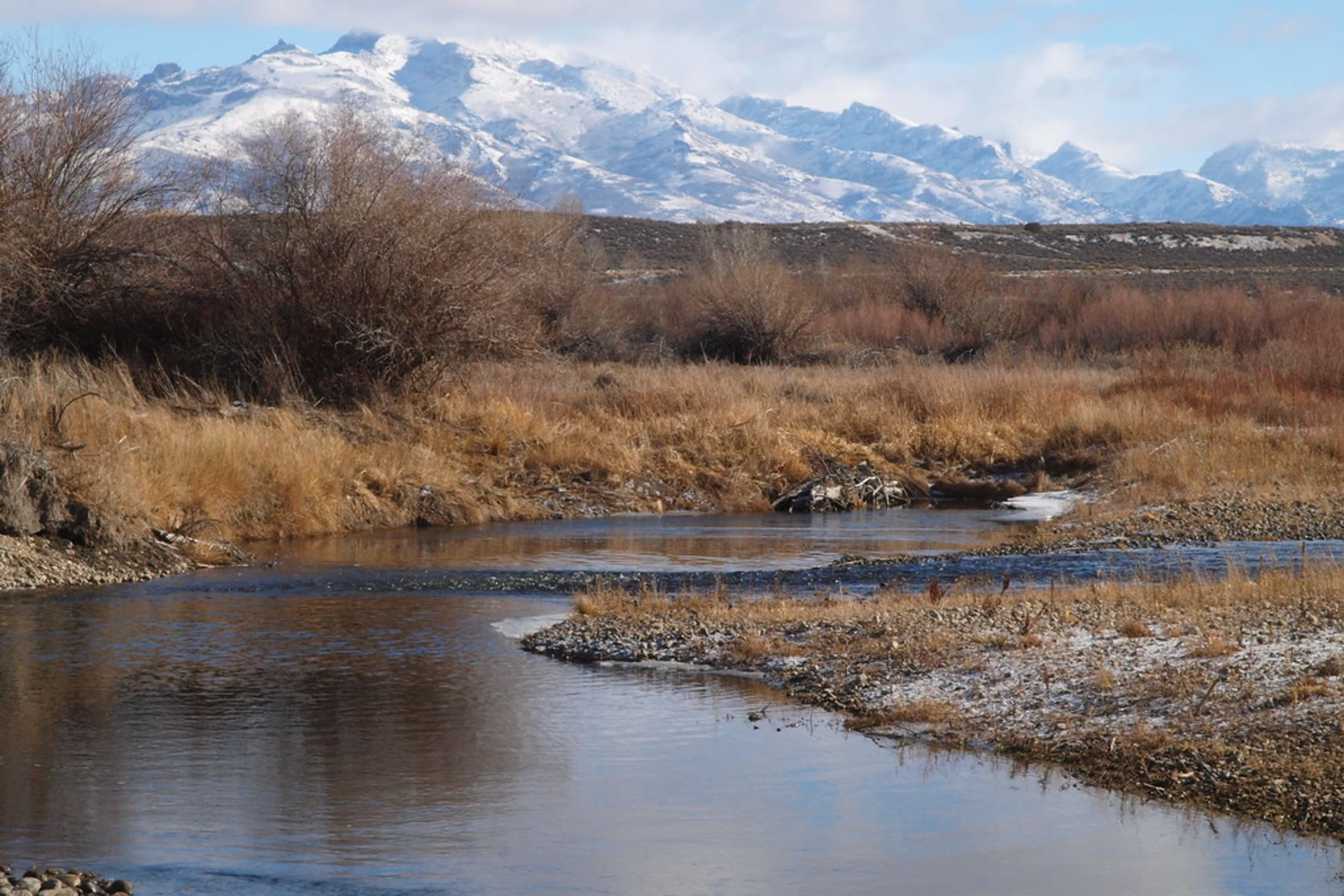
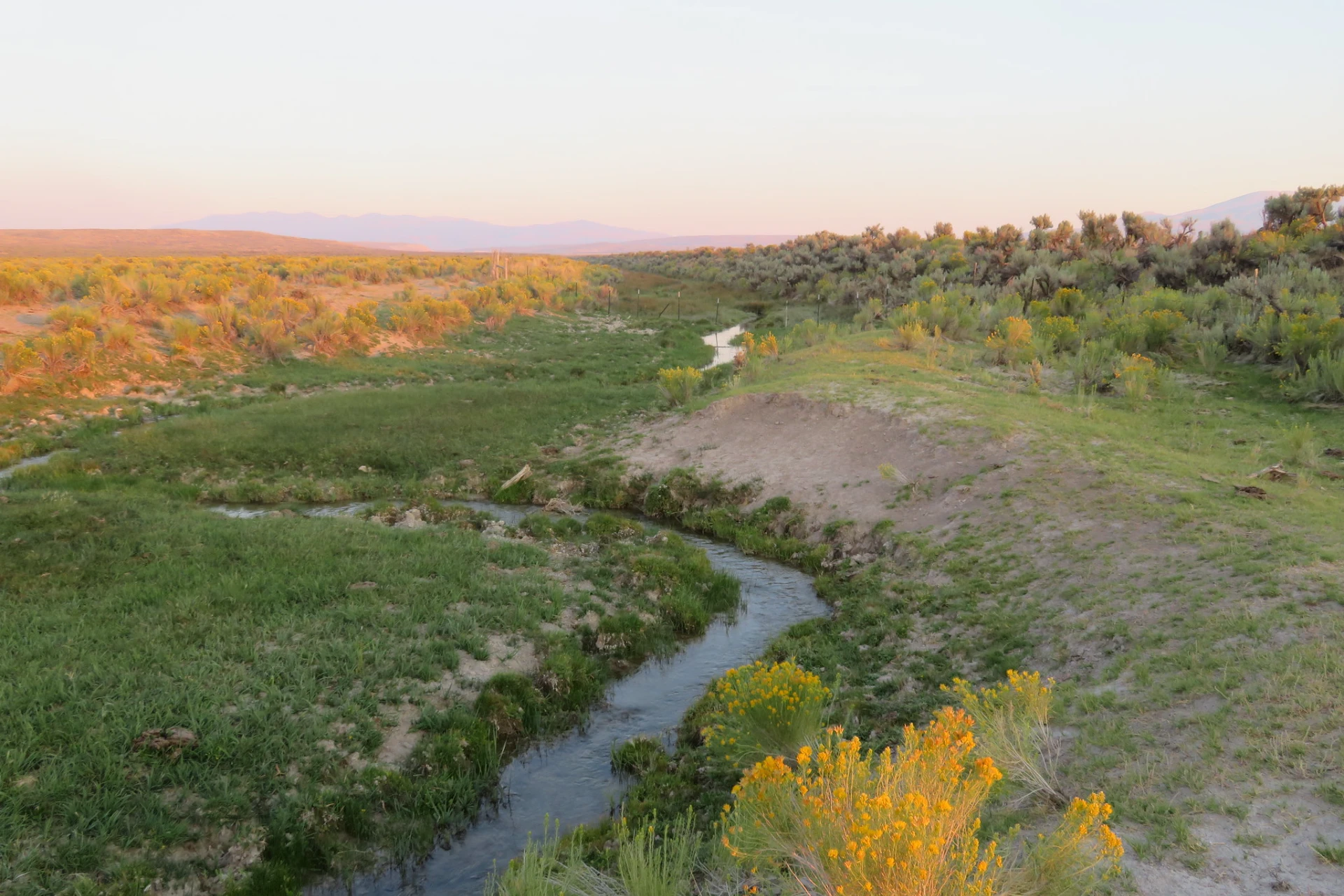
The Humboldt River winds through northern and central Nevada, distinguishing itself as the longest river in the continental United States that both originates and terminates within a single state. This river flows generally from east to west, characterized by its meandering nature. Anglers will find significant differences in water character along its length. While the upper reaches near Elko offer clearer, cooler conditions, the mid and lower sections of the Humboldt contend with poor water quality, elevated temperatures, and often muddy flows, particularly during periods of higher discharge. Flows typically fluctuate between 10 and 700 cubic feet per second, which means anglers should be prepared for varying conditions from low, clear flows to higher, more turbid water. Access to the Humboldt River is straightforward, with Interstate 80 running parallel to its entire course from source to mouth. This proximity means numerous pull-offs and bridge crossings are available for anglers looking to explore different stretches of the river. However, much of the lower river flows through private property, so securing landowner permission is essential before attempting to fish these sections. Primitive camping is available along the lower Humboldt River, requiring anglers to be self-sufficient and prepared for undeveloped sites. Understanding these access points and property boundaries is key to a successful day on the water, particularly when targeting specific areas. Historically, the Humboldt River was known as a cutthroat trout fishery, especially in its upper reaches during the 1840s. Today, trout fishing is primarily concentrated in the headwaters near Elko, where water quality supports these colder-water species. Anglers targeting trout in these upper sections should focus on areas with consistent flow and deeper pockets, as well as any available shade or structure that offers thermal refuge. The mid and lower sections of the Humboldt River, however, are dominated by warmwater species. Here, you'll find a diverse array of fish including white crappie, wipers (a white bass and striper hybrid), channel catfish, largemouth bass, smallmouth bass, walleye, brown bullhead, bluegill, green sunfish, and yellow perch. The best time to target these warmwater species on the Humboldt River is from early May through early July. For many of the resident fish, effective methods include bottom fishing with nightcrawlers and other live bait. When fishing with live bait, focus on deeper holes or areas where the current slows, allowing your bait to settle near the bottom. For species like crappie, small crappie jigs are particularly effective when fished around submerged structure such as fallen timber, rock piles, or bridge pilings. Work these jigs slowly, varying your retrieve until you find what the fish are responding to. Always carry plenty of water and be mindful of the variable flows.
Humboldt River Hatch Chart
Loading active hatches…
Quick Actions
Trip Planning
Best fishing typically occurs during spring and summer. Check water conditions before heading out.
See what insects are emerging on Humboldt River's hatch forecast — including active hatches, water temperatures, and which patterns to have in your box this month.
Get IdentaFly on your phone
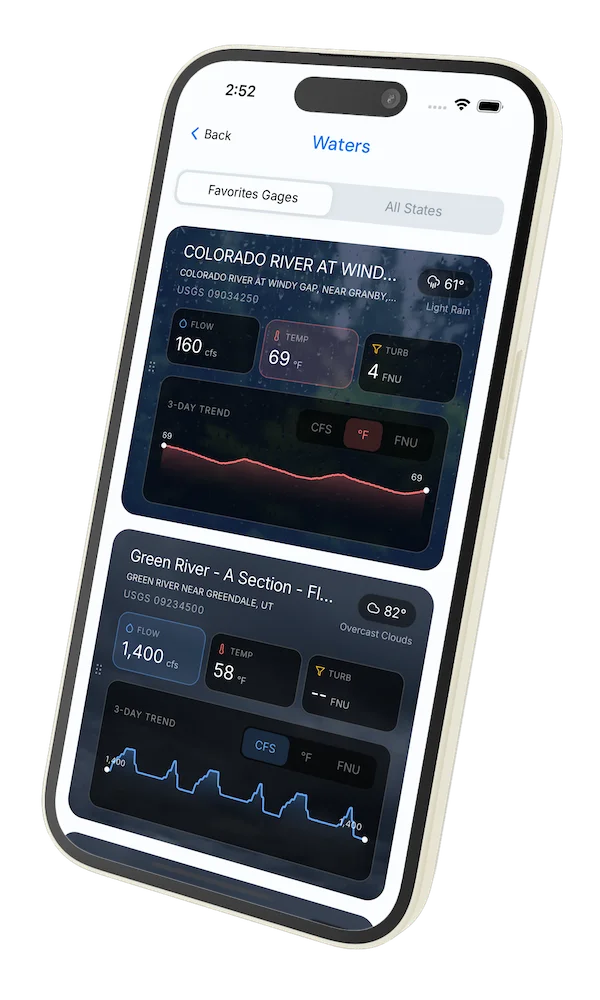
Hatch forecasts, river gages, fly scanning, and your journal — built for on-stream use. Be prepared before you get to the water. Free on the App Store and Google Play.


Water conditions
Water conditions for the last 7 days. You can gain insights to fishing activity based on these conditions, like water temperature and flow.
Data sourced from USGS National Water Information System
Access
Seasons
Terrain
Water
Fish Species
Largemouth Bass
Methods
•
Wade Friendly
Land Ownership
Private No Access