Humboldt River - South Fork
NV
•
River
•
Main stemAbout Humboldt River - South Fork
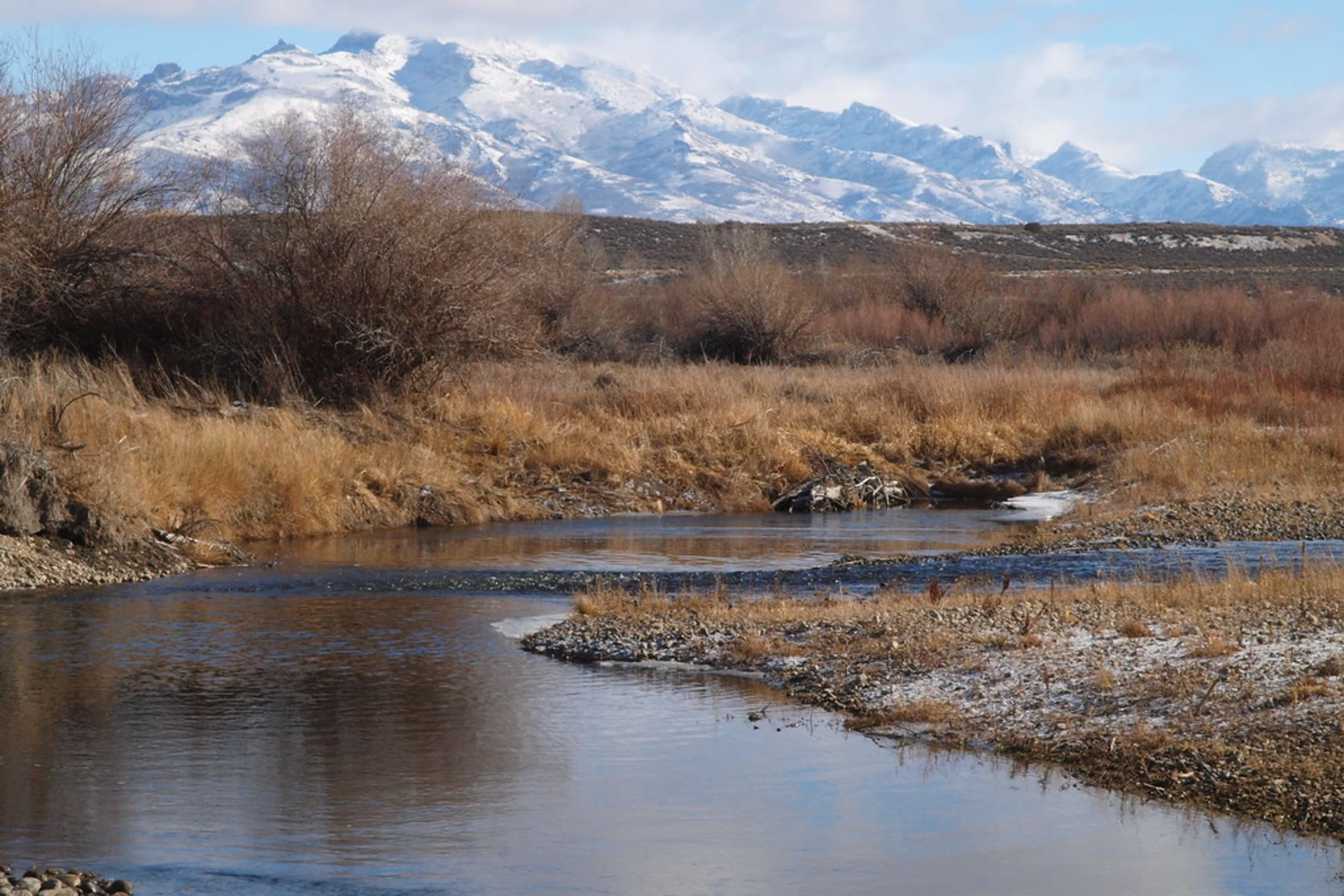
The South Fork of the Humboldt River begins high in the canyons that drain the western slopes of the Ruby Mountains, where Echo, Box, Kleckner, North Furlong, Long, Segunda, Drown, and Rattlesnake Canyons feed its headwaters at 5,775 feet. These streams converge to form a river that flows for 38 miles, eventually joining the main Humboldt River southwest of Elko. The river passes through South Fork Reservoir and South Fork Canyon, offering varied water types for anglers. This stretch is located near the town of Lee and flows through tribal lands of the Te-Moak tribe of the South Fork Band of the Western Shoshone, as well as the historic area of Twin Bridges. The river's character changes significantly as it moves downstream. Above South Fork Reservoir, the water can be turbid, making fishing more challenging. Below the dam, the river is fishable for about 12 miles down to Hunter Banks Diversion Dam, with access points including South Fork State Park. Flow rates fluctuate widely, from 5-15 cubic feet per second in the fall to 600-1,100 cfs in the spring, which means anglers need to adapt their approach to current conditions. The discharge from the reservoir helps maintain a fishery below the dam, but the best results are often found by targeting deeper pools. Anglers on the South Fork Humboldt River can expect to encounter Bowcutt trout, rainbow trout, brown trout, smallmouth bass, and channel catfish. Rainbow and brown trout are known to spawn in the river both above and below the reservoir, with rainbow trout typically ranging from 14 to 22 inches. The most productive fishing periods are from March through June and again from September through December. Focus on areas with current breaks and structure, especially in the deeper pools downstream from the dam, to find holding fish. Regulations for the section above the Lucky Nugget causeway require artificial lures with single barbless hooks, and the limit is one trout. When fishing these waters, consider using smaller streamers or nymph patterns that imitate forage fish or aquatic insects, presented with a tight-line approach or under an indicator depending on depth and current. Always carry a net and practice careful handling to ensure fish health, especially for larger trout.
Humboldt River - South Fork Hatch Chart
Loading active hatches…
Quick Actions
Regulations
•
Artificial Lures Only: No natural bait permitted. Flies, lures, and artificial attractants only.
Trip Planning
Best fishing typically occurs during spring and fall. Check water conditions before heading out.
See what insects are emerging on Humboldt River - South Fork's hatch forecast — including active hatches, water temperatures, and which patterns to have in your box this month.
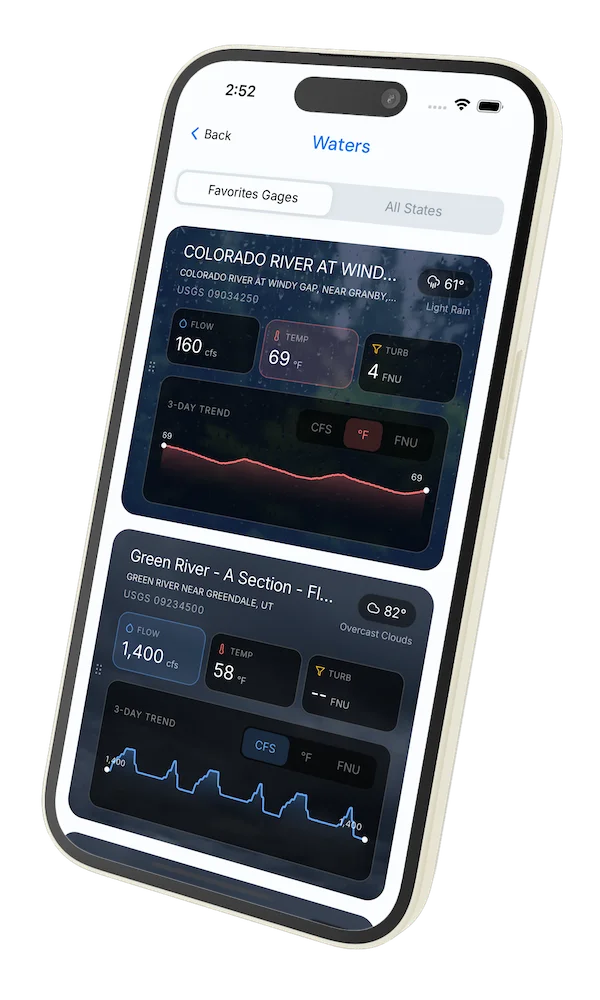
Get IdentaFly on your phone
Hatch forecasts, river gages, fly scanning, and your journal — built for on-stream use. Be prepared before you get to the water. Free on the App Store and Google Play.


Water conditions
Water conditions for the last 7 days. You can gain insights to fishing activity based on these conditions, like water temperature and flow.
Data sourced from USGS National Water Information System
Access
Seasons
Terrain
Water
Fish Species
Rainbow Trout
Brown Trout
Cutthroat
Smallmouth Bass
Regulations
•
Artificial Lures Only: No natural bait permitted. Flies, lures, and artificial attractants only.
Fishing Styles
Methods
•
Wade Friendly
Land Ownership
State Wildlife Area