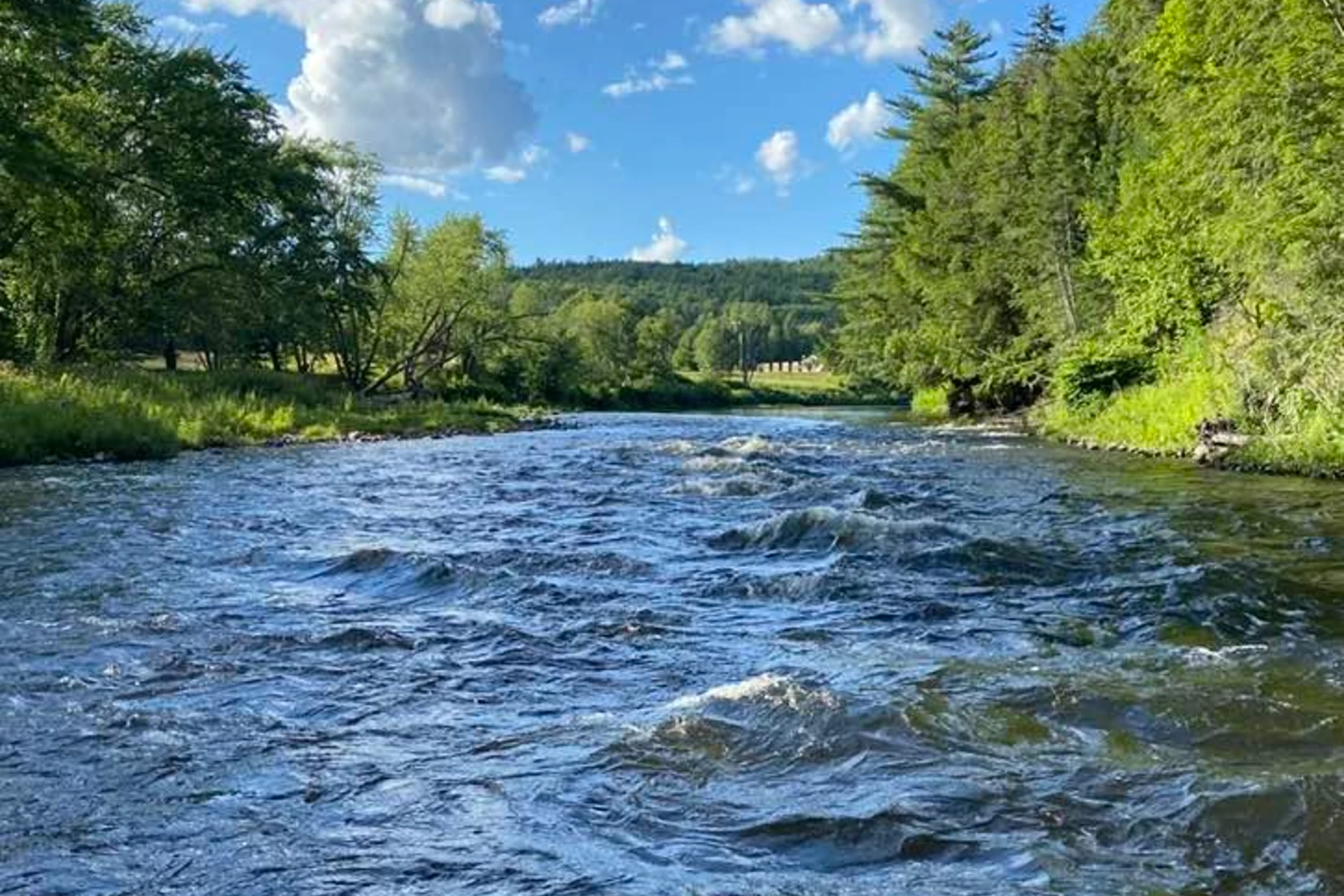
Upper Connecticut River
NH
•
Tailwater
•
Main stemAbout Upper Connecticut River
The Upper Connecticut River begins its primary angling run as a cold, clear bottom-release tailwater flowing out of First Connecticut Lake. This upper section, known as the Trophy Stretch, runs for two and a half miles down to Lake Francis. The riverbed here is rugged and highly structured, defined by large boulders, gravel bars, quick riffles, and deep holding pools. Because the water discharges from the bottom of the dam at First Connecticut Lake, it remains consistently cold and highly oxygenated even during the peak heat of summer. Downstream of Lake Francis, the river character changes significantly as the banks widen and the current deepens. This lower section transitions away from the easily wadeable upper pocket water into heavier flows that are best negotiated using a drift boat, canoe, or kayak. To reach the upper wadeable water, you can utilize the established trail system that runs parallel to the Trophy Stretch, allowing you to walk the bank and target specific pocket water and runs on foot. Public access along these banks is highly accessible due to extensive conservation easement lands in the Pittsburg area, which remain open to foot travel unless physically posted otherwise. This river system holds a mix of wild and resident fish, including brook trout, brown trout, and rainbow trout distributed both above and below Lake Francis. Landlocked salmon reside primarily in the river stretches connecting the lakes, while northern pike occupy the slower, deeper water in the lower reaches of the system, where they are targeted when water temperatures cool. Insect activity on the river relies on reliable hatches of Blue Winged Olives, Caddis, Cahills, and Stoneflies. Trout in these clear currents will inspect drifts closely, requiring precise presentations when bugs are on the water. To fish the rugged pocket water effectively, rig up for nymphing with either strike indicators or tight-line Euro-nymphing setups to tick the bottom of the gravel runs. Under the surface, drifting a size 16 purple Duracell Jig, a size 12 pink Vernille San Juan Worm, or Beadhead Pheasant Tail and Beadhead Prince nymphs will pick up fish holding in the seams. When rising fish are active, switch to dry flies like a size 16 olive NBK Caddis, a size 16 Blue Wing Olive Parachute, or a size 10 tan Foam Park Hopper, or fish subsurface with a size 16 Holy Grail, a size 16 T.H. Soft Hackle Caddis Pupa, or a BWO Emerger. During spawning runs, swing streamers like a size 6 copper Kreelex or a size 10 black Bubba ITS through the slower, deeper pools to intercept trout and salmon moving upstream. Near the Lake Francis inlet, use smelt-mimicking patterns such as the Red Gray Ghost, Royal Coachman, and size 6 Gray Soft Hackle Streamer to match spawning baitfish. Watch your wading footing on the slippery, boulder-strewn bottom of the Trophy Stretch before stepping into the heavier currents.
Upper Connecticut River Hatch Chart
Quick Actions
Regulations
•
Fly Fishing Only: This water is restricted to fly fishing gear. No spinning or bait-casting equipment permitted.
•
Seasonal Closures: This water has seasonal closures. Check local regulations for specific dates.
Trip Planning
Best fishing typically occurs during spring and summer. Check water conditions before heading out.
See what insects are emerging on Upper Connecticut River's hatch forecast — including active hatches, water temperatures, and which patterns to have in your box this month.
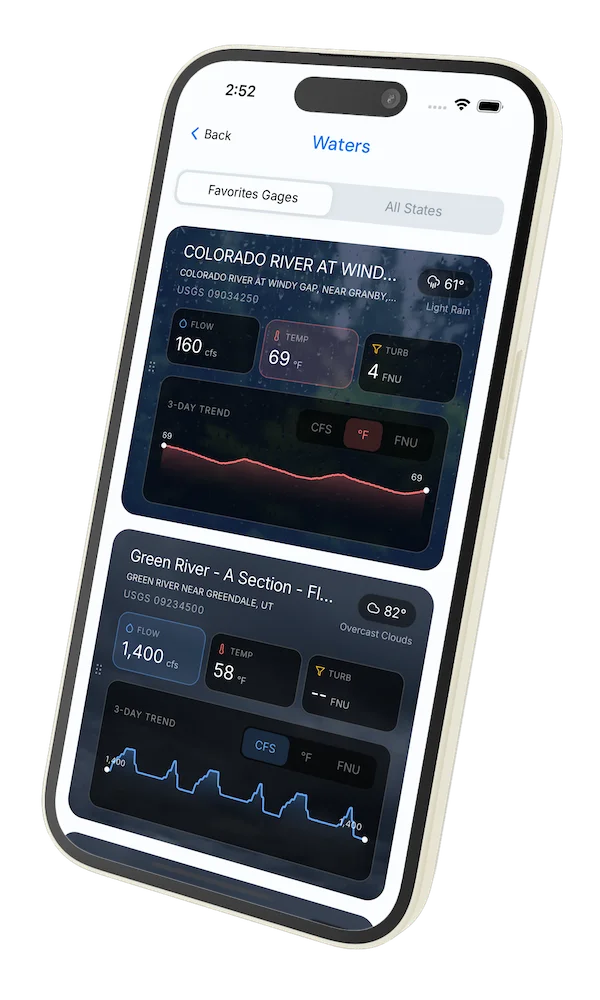
Get IdentaFly on your phone
Hatch forecasts, river gages, fly scanning, and your journal — built for on-stream use. Be prepared before you get to the water. Free on the App Store and Google Play.


Access
Seasons
Terrain
Water
Fish Species
Rainbow Trout
Brown Trout
Brook Trout
Kokanee salmon
Pike
Regulations
•
Fly Fishing Only: This water is restricted to fly fishing gear. No spinning or bait-casting equipment permitted.
•
Seasonal Closures: This water has seasonal closures. Check local regulations for specific dates.
Fishing Styles
Methods
•
Wade Friendly
•
Float Friendly
Land Ownership
Private With Easement