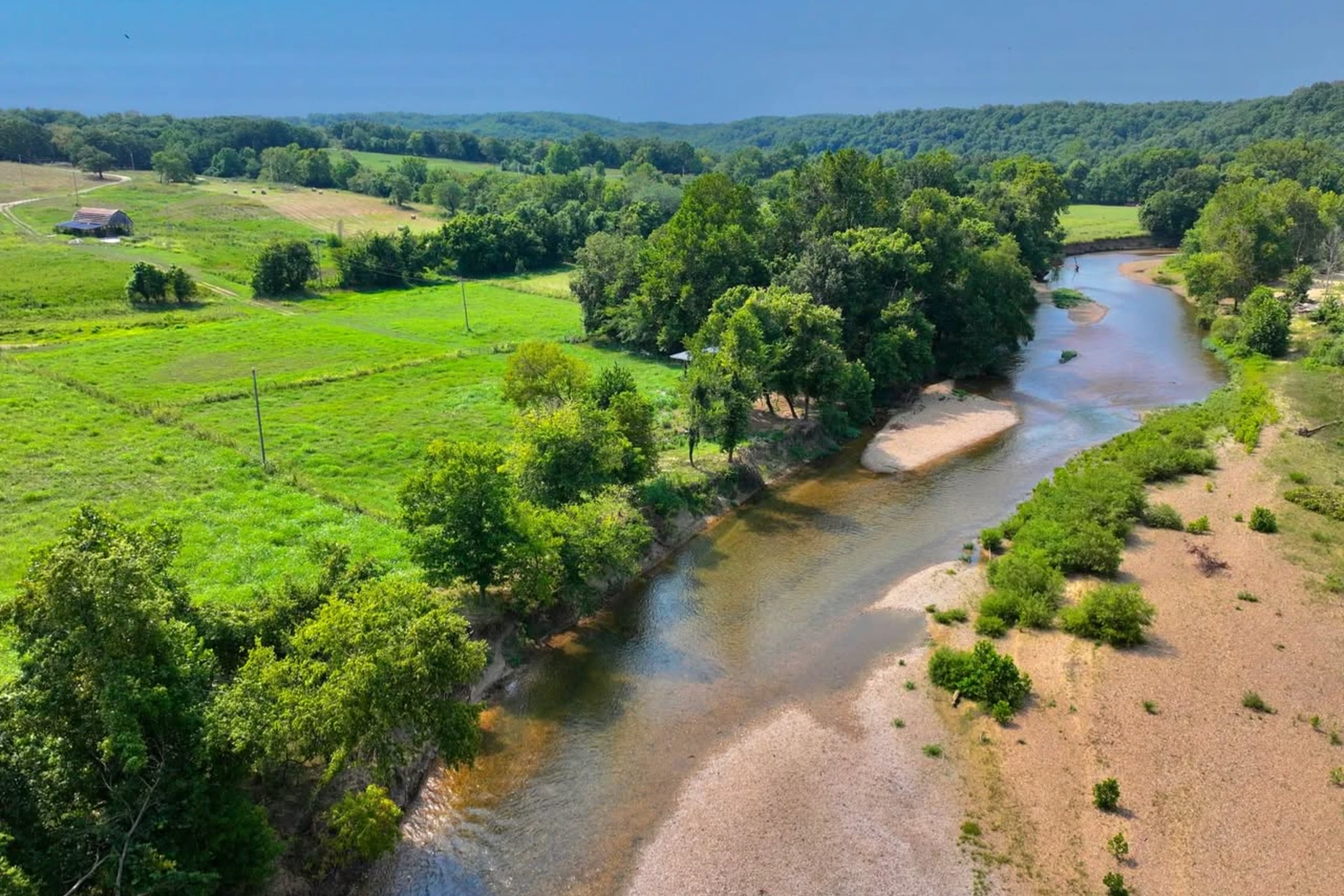
Niangua River
MO
•
River
About Niangua River
The Niangua River flows for approximately 125 miles through the Ozark hills, offering a cool, spring-fed corridor characterized by gentle rapids and broad gravel bars. This river system relies heavily on cold-water spring inflows, which keep the water clear and maintain steady flows even when other regional streams begin to warm up. The physical layout of the riverbed changes constantly, shifting between shallow gravel riffles and deep, slower pools that carve into the limestone banks. These gravel bars provide solid footing for wading, though the drop-offs into the deeper pools can be sudden. Anglers will find a mix of fast-moving runs and slow-moving flats, requiring a careful reading of the water to identify where the main current collides with slower side channels. Accessing the river is straightforward, with primary entry points established near Lebanon and around Bennett Spring State Park. These access areas allow you to position yourself near some of the most productive reaches of the river, whether you prefer to wade the gravel bars or launch a boat. Once on the water, key structural features like massive boulder fields, sunken logs, and heavy woody cover dictate where fish hold. Deep pools form below the gentle rapids, while quiet backwaters and slow-turning eddies offer resting spots out of the main force of the current. Navigating the river requires keeping an eye out for submerged boulders and woody debris that can snag a wading boot or pinch a drift line. Downstream from the Bennett Spring Branch, the Niangua transitions into the White Ribbon Trout Area, hosting both rainbow and brown trout. Rainbow trout here frequently reach up to 15 inches, while the brown trout average 12 to 15 inches, with a few larger specimens exceeding 18 inches. To target these trout, you need to work the seams where cold spring water mixes with the main river current. Small stream-style flies, inline spinners, and small crankbaits are the primary tools for these fish. Drift your flies deep through the deeper pools, or swing spinners close to the gravel drops where trout lie in wait. Using a indicator to suspend your flies just off the gravel bottom keeps your offering in the strike zone longer. Further downstream and away from the cold spring influences, the fishery shifts toward warm-water species, particularly smallmouth bass and goggle-eye. Smallmouth bass run high quality here, with a quarter of the population exceeding 12 inches and about seven percent topping the 15-inch mark. Look for these bronzebacks, along with seven- to nine-inch goggle-eye, tight against heavy woody cover, root wads, and boulder piles where the current is active. Work these areas with mid-sized crankbaits, plastic grubs, or weighted worms bumped directly along the rocky bottom. When pitching to the woody cover, cast slightly upstream of the obstruction and let the flow sweep your lure naturally into the eddy behind the log. In the lower reaches, quiet backwaters and slower eddies, you will also encounter largemouth bass, spotted bass, plentiful longear sunfish, and bluegill.
Niangua River Hatch Chart
Loading active hatches…
Quick Actions
Trip Planning
Best fishing typically occurs during spring and summer. Check water conditions before heading out.
See what insects are emerging on Niangua River's hatch forecast — including active hatches, water temperatures, and which patterns to have in your box this month.
Get IdentaFly on your phone
Hatch forecasts, river gages, fly scanning, and your journal — built for on-stream use. Be prepared before you get to the water. Free on the App Store and Google Play.


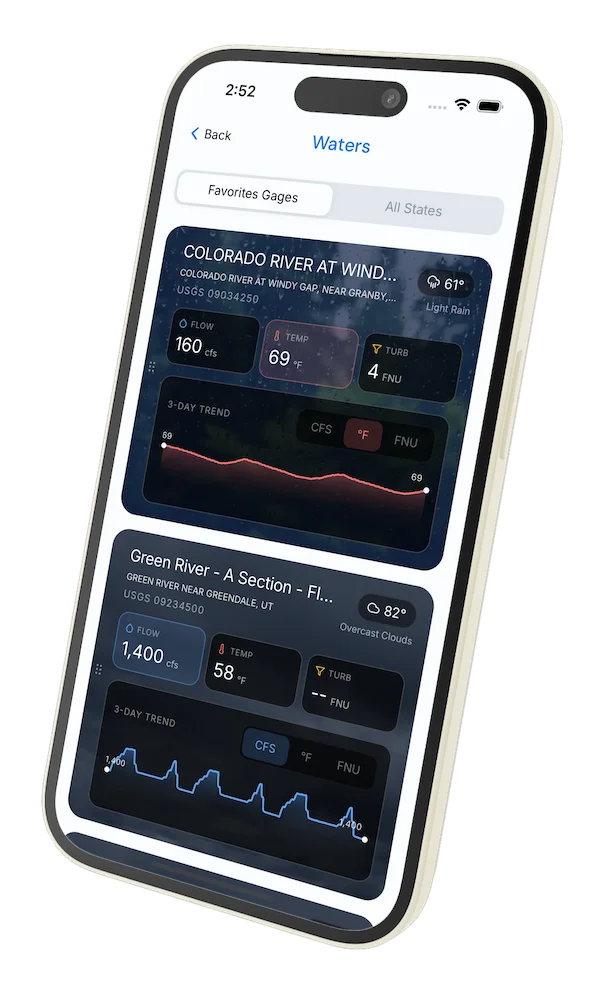
Water conditions (USGS)
Water conditions for the last 7 days. You can gain insights to fishing activity based on these conditions, like water temperature and flow.
Data sourced from USGS National Water Information System
Access
Seasons
Terrain
Water
Fish Species
Rainbow Trout
Brown Trout
Smallmouth Bass
Bluegill
Fishing Styles
Methods
•
Float Friendly