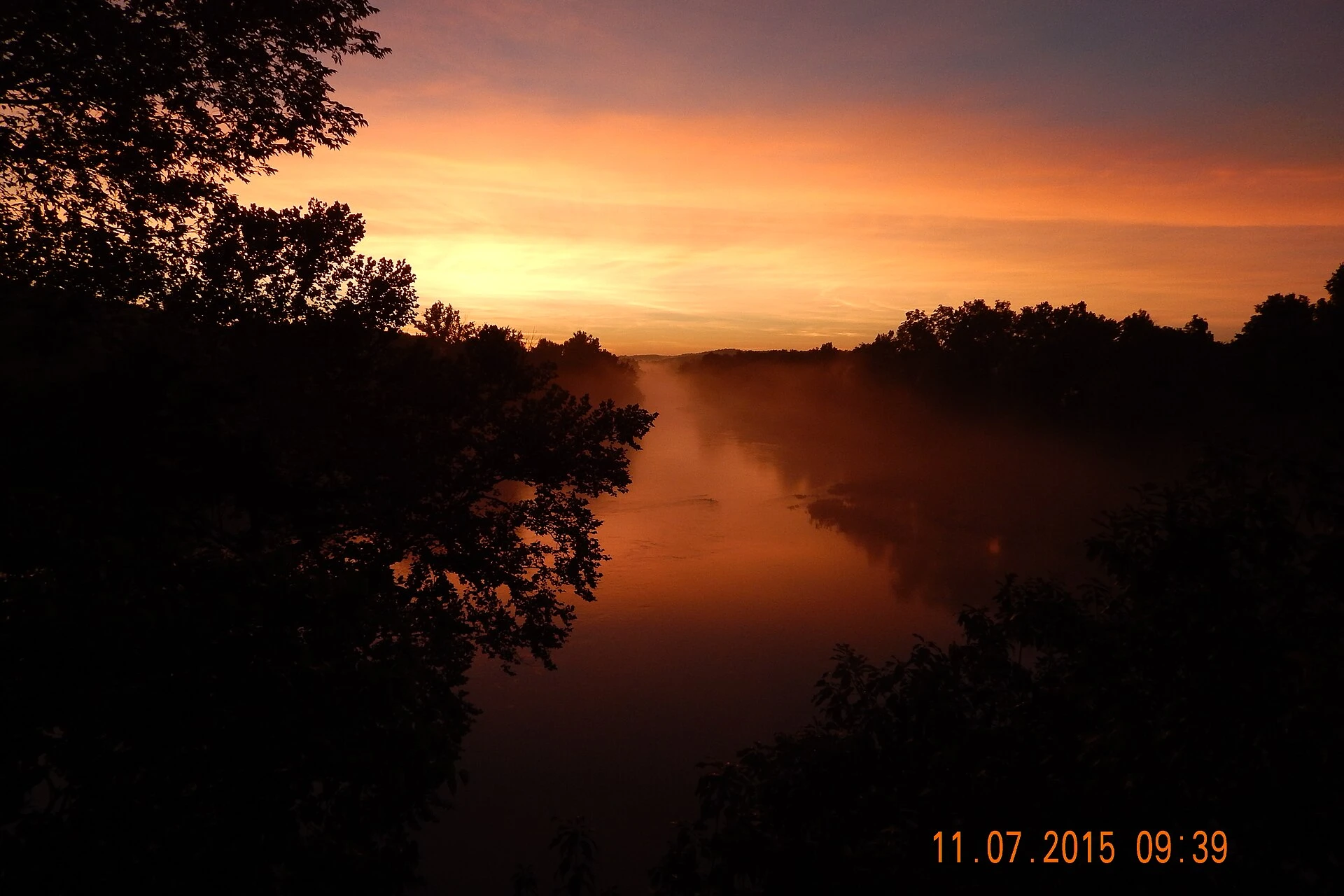
Eleven Point River
MO
•
River
About Eleven Point River
The Eleven Point River changes its entire character based on a single geological feature. Above Thomasville, the upper river behaves as a losing stream, often running thin and struggling for flow during dry spells. Once Greer Spring enters the channel, it more than doubles the river's volume, pouring cold, consistent water into the system and transforming the downstream stretch into a classic coldwater fishery. This transition creates a riverbed defined by distinct shoals, fast runs, and deep rocky pools formed directly below heavy riffles. Woody structure like fallen logs and root wads collect along the banks, shaping the currents and providing physical breaks in the flow. Getting onto the water requires knowing the key access points scattered along the river's course. You can reach the river at Thomasville, Cane Bluff, Greer, Turner Mill North, Turner Mill South, Whitten, and Riverton along Highway 160. Below the massive influx of Greer Spring, public access is available via Highway 19, Highway 160, and a network of U.S. Forest Service gravel roads that lead down to the banks. Navigating these coldwater stretches is highly efficient in a drift boat, which allows you to negotiate the shoals and cover large distances of river that are difficult to reach on foot. The gravel roads require a sturdy vehicle, especially after heavy rains when the dirt ramps and access points can get soft. Rainbow trout are abundant from Greer Spring down to Riverton, with wild fish averaging nine to sixteen inches and occasional heavy trout pushing past the eighteen-inch mark. To target these trout in the moving water, rig up a marabou jig beneath a strike indicator and drift it through the seams and deeper runs. In the warmer shoals, runs, and pools—particularly in the upper river above the spring—smallmouth bass become the primary target. You can work large smallmouth with green pumpkin plastic worms, though you must keep in mind that soft plastics are strictly prohibited within the boundaries of the Blue Ribbon Trout Area. Adjust your rigging and destination depending on whether you are hunting trout in the cold water or bass in the warmer upper reaches. Further down the system and in the deeper pockets, other species demand different approaches. Goggle-eye, or shadow bass, regularly exceed nine inches and hold tightly in the large, rocky pools situated directly below the riffles; fishing these deep spots with deep-diving, dark crawdad crankbaits will get their attention near the bottom. In the lower river, walleye reaching up to ten pounds hold in deep pools that feature both a noticeable current and heavy woody structure, especially during the fall and winter months. You will also find chain pickerel residing in modest numbers throughout the quieter sections of the upper river. Watch the woody debris closely when drifting these deep pools, as positioning your boat to cast parallel to the submerged logs is critical for keeping your presentation in the strike zone without snagging.
Eleven Point River Hatch Chart
Loading active hatches…
Quick Actions
Regulations
•
Artificial Lures Only: No natural bait permitted. Flies, lures, and artificial attractants only.
Trip Planning
Best fishing typically occurs during spring and summer. Check water conditions before heading out.
See what insects are emerging on Eleven Point River's hatch forecast — including active hatches, water temperatures, and which patterns to have in your box this month.
Get IdentaFly on your phone
Hatch forecasts, river gages, fly scanning, and your journal — built for on-stream use. Be prepared before you get to the water. Free on the App Store and Google Play.


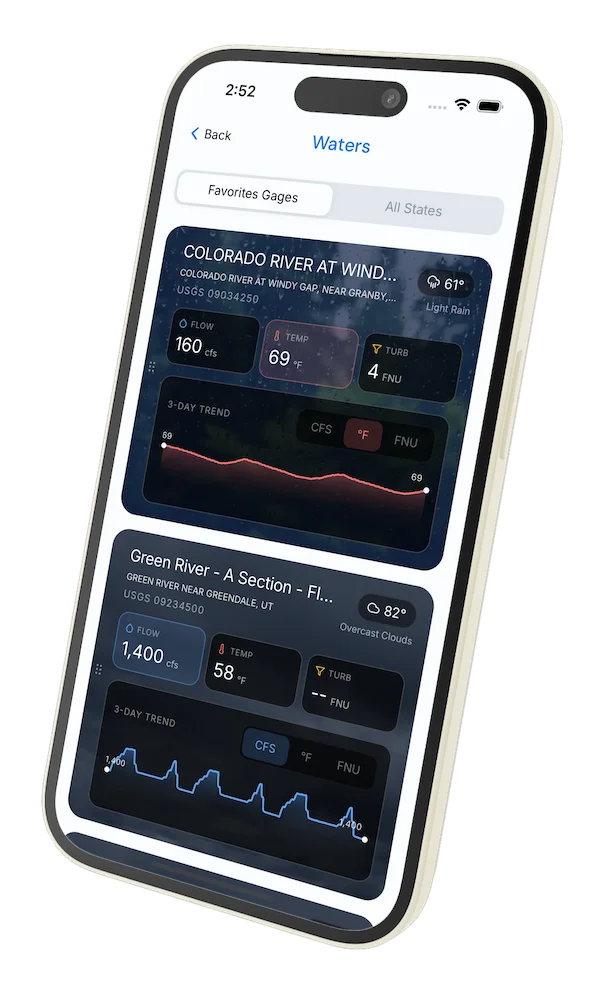
Water conditions (USGS)
Water conditions for the last 7 days. You can gain insights to fishing activity based on these conditions, like water temperature and flow.
Data sourced from USGS National Water Information System
Access
Seasons
Terrain
Water
Fish Species
Rainbow Trout
Smallmouth Bass
Walleye
Bluegill
Regulations
•
Artificial Lures Only: No natural bait permitted. Flies, lures, and artificial attractants only.
Fishing Styles
Methods
•
Float Friendly
Land Ownership
Public Forest Service