Blue Springs Creek
MO
•
Spring Creek
About Blue Springs Creek
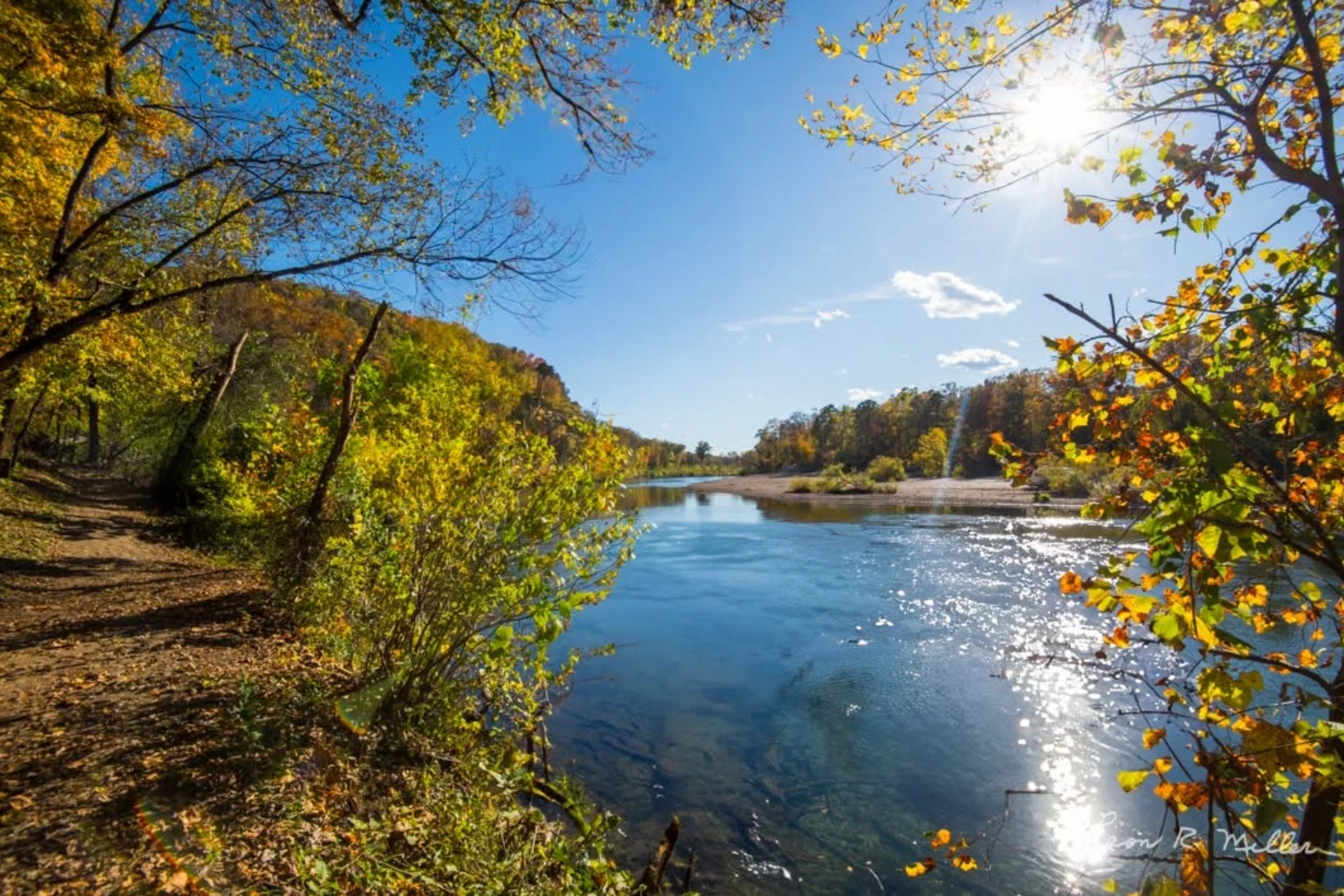
Blue Springs Creek is a small, spring-fed stream located south of Bourbon, Missouri, that averages only 10 to 20 feet wide. The water is gin-clear and cold, flowing through a narrow channel crowded with low-hanging limbs that will challenge your casting accuracy on every drift. The lower three miles of the creek are open to public fishing through the Blue Springs Creek Conservation Area, where you can park in designated gravel lots off Highway N and Blue Springs Creek Road. If you head upstream, keep in mind that the upper portion of the creek runs through Camp Mihaska, which is private property and strictly requires landowner permission before you step foot on it. The physical layout of the public section consists of a tight series of shallow riffles, deep holes, and slow pools tucked under dense overhead cover. Navigating this narrow corridor requires constant awareness of the tight banks and the brush overhead that can snag a hasty backcast. Because of the heavy canopy, the stream does not offer much room for traditional overhead loops, forcing you to rely on roll casts, bow-and-arrow casts, and short water-loaded presentations to place your fly. The stream bottom drops off quickly in places from shallow gravel runs into deep, shadowed pockets where the current slows down near the banks. The gin-clear water makes every boulder, submerged log, and transition zone highly visible from the high banks, but it also means the fish can see your silhouette against the sky. Success here means reading the currents around the sweepers and low branches to find where the main flow channels slide beneath the woody debris without wading directly through the holding water. This spring-fed water is home to a self-sustaining, naturally reproducing population of wild rainbow trout that are notoriously wary. Because of the ultra-clear conditions and shallow depths, these wild fish live on high alert and will spook at the slightest shadow, splash, or heavy step on the gravel banks. Most of the rainbows you will encounter are under six inches in length, but larger fish reaching or even exceeding 15 inches hold in the deeper pools if you can drift a fly to them without being noticed. These wild trout survive on a diet of midges, Blue-Winged Olives, mahogany duns, and cinnamon caddis. To match these hatches, keep your fly selections small, drab, and closely matched to the natural profiles of these specific insects when they are active on the surface or drifting through the water column. To get a clean drift over these selective wild trout, you need to scale down your gear and refine your approach. Rig up with a light line, preferably a 4-weight to 6-weight setup, and run a long leader measuring 9 to 12 feet tapered down to a 5X or 6X tippet to prevent line flash from alerting the fish. Your presentation must achieve a precise, drag-free drift because these rainbows will immediately reject anything that looks unnatural or drags even a fraction of an inch in the current. Focus your efforts on the deep holes and the shaded areas with overhead cover directly adjacent to the swifter riffles. Keep your profile low, crawl or wade slowly upstream to keep from sending silt clouds down into the pools, and make your first cast count before the fish slide under the bank cover.
Blue Springs Creek Hatch Chart
Quick Actions
Regulations
•
Artificial Lures Only: No natural bait permitted. Flies, lures, and artificial attractants only.
Trip Planning
Best fishing typically occurs during year round. Check water conditions before heading out.
See what insects are emerging on Blue Springs Creek's hatch forecast — including active hatches, water temperatures, and which patterns to have in your box this month.
Get IdentaFly on your phone
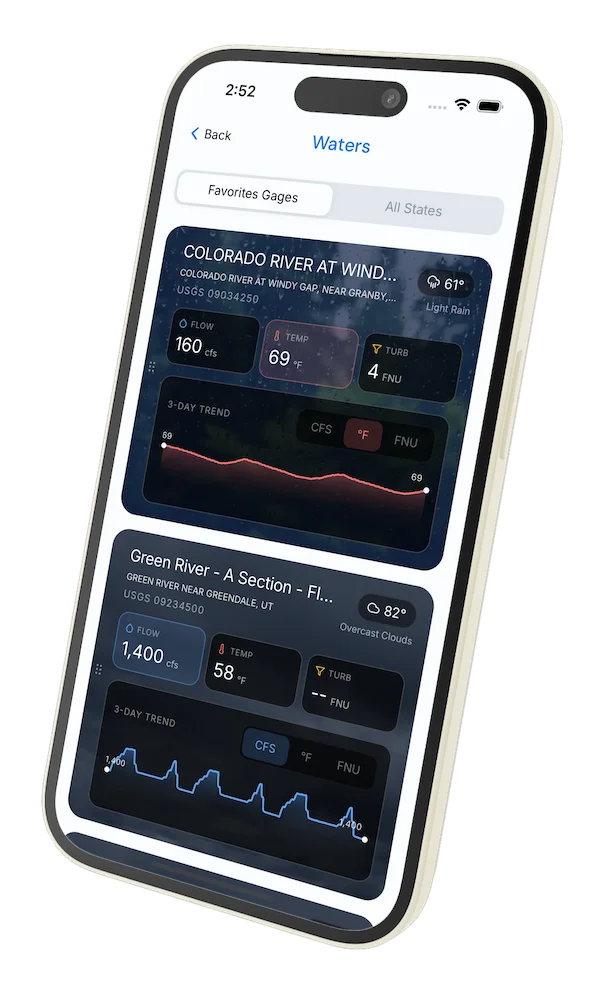
Hatch forecasts, river gages, fly scanning, and your journal — built for on-stream use. Be prepared before you get to the water. Free on the App Store and Google Play.


Access
Seasons
Terrain
Water
Fish Species
Rainbow Trout
Bluegill
Largemouth Bass
Catfish
Regulations
•
Artificial Lures Only: No natural bait permitted. Flies, lures, and artificial attractants only.
Fishing Styles
Methods
•
Wade Friendly
Land Ownership
State Wildlife Area