Kennebec River
ME
•
River
About Kennebec River
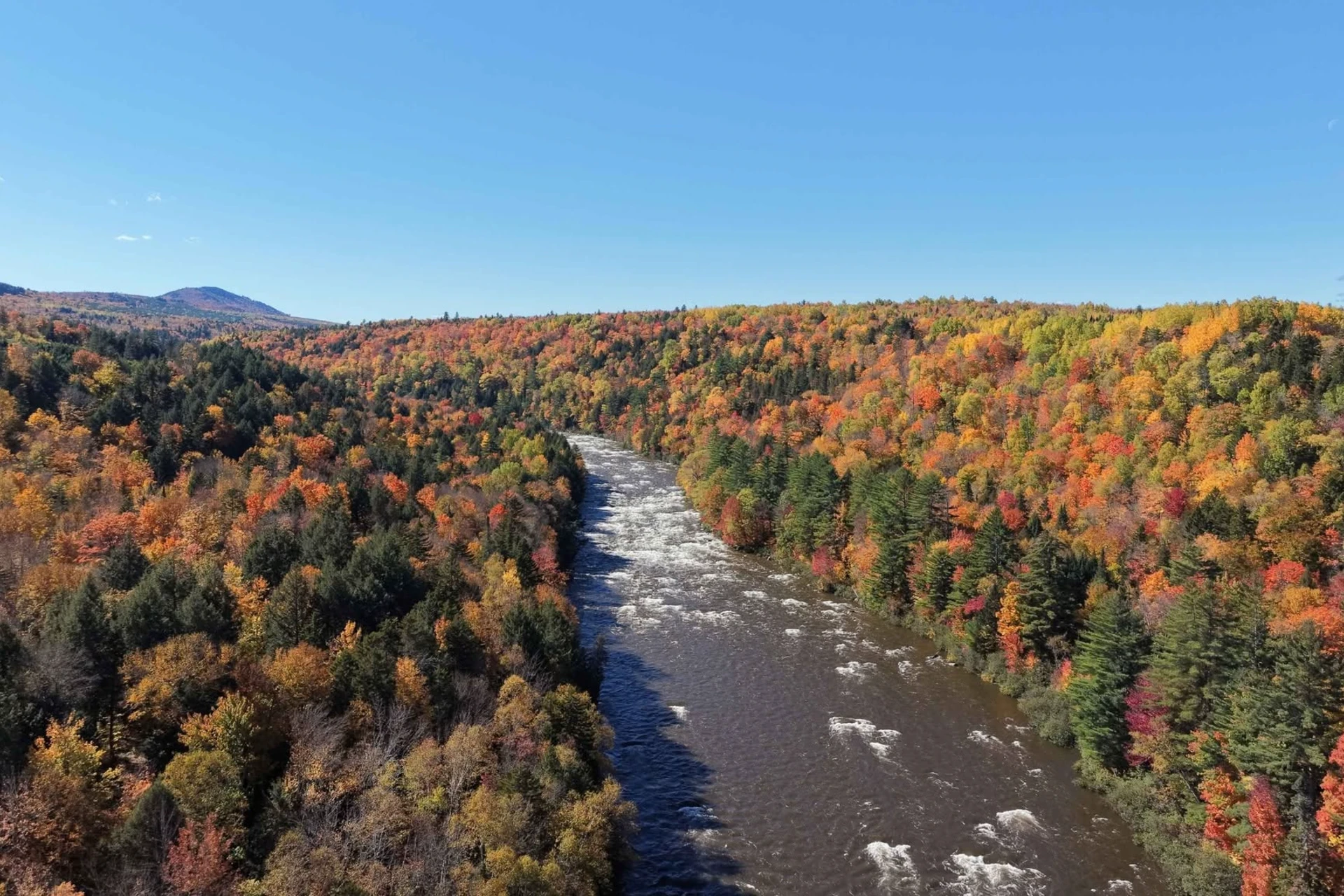
The Kennebec River begins its journey where the West and East Outlets flow out of Moosehead Lake, heading down into Indian Pond before continuing its course to the south. This river system features fast-moving stretches defined by deep pools, swift currents, and heavy runs that require careful reading. Water levels throughout the upper system are regulated by dams, which control the daily flow and feature a fish ladder to assist fish passage. Further down the system near Bingham, the river transitions into a secluded stretch known as Rainbow Alley, characterized by clear, swift currents and deep, rocky pools. Wading anglers can access various points along these corridors, while those looking to cover the larger runs on the East Outlet will find that launching a drift boat provides the cleanest drift through the deep holes. Access points are scattered near the outlet dams and road crossings, where footpaths lead down to the water's edge. Navigating the shoreline requires paying close attention to how the fast water shears off into the slower pockets and eddies. The West Outlet offers a different gradient and structure compared to the heavy flows of the East Outlet, holding distinct channels where the current slows down near bankside obstructions. In the main river stretches below the dams, the flow moves over gravel bars and boulder-strewn runs that create classic seam lines. Anglers positioning themselves along the banks need to watch the seam lines where fast and slow water meet, as these are the primary feeding lanes. Reading the tailouts of the deeper pools is critical, as fish often back down into these transition zones to feed when flow rates change. Heavy boulders break the main current, creating soft holding water directly behind them where fish rest out of the main force of the flow. The Kennebec River holds a mix of landlocked salmon, lake trout, and trophy brook trout, with some of the brookies reaching the four-pound mark. In the Rainbow Alley stretch near Bingham, rainbow trout are the primary target, holding in the swift, clear currents. When water temperatures rise, the West Outlet sees high numbers of quality smallmouth bass moving into the shallower, structured areas. A primary food source across the entire river system is the smelt migration, which triggers heavy feeding activity from migrating salmon and trout. Beyond the baitfish, prolific insect hatches occur regularly, demanding precise presentations to fish feeding on the surface or just below the film. The landlocked salmon rely heavily on these moving food sources, positioning themselves in the swiftest currents of the runs to intercept drifting prey. Success on these clear waters depends on matching the hatch with fly patterns that mimic the specific local insect life active on the water. When the smelt are migrating, fishing streamer patterns that match the size and profile of the baitfish through the deep runs and pool tailouts is highly effective. During active insect hatches, early mornings and late afternoons offer the best windows of opportunity to find feeding fish. Wading anglers should use caution in the swift currents and deep pools, utilizing wading staffs to navigate the slick, rocky bottom. For the deep runs of the East Outlet, positioning a drift boat upstream of the key holes allows you to present your fly naturally through the entire length of the holding water. Keep your casts tight to the seam lines and let the fly swing through the transition zones where the deep pools begin to shallow out.
Kennebec River Hatch Chart
Loading active hatches…
Quick Actions
Regulations
•
Fly Fishing Only: This water is restricted to fly fishing gear. No spinning or bait-casting equipment permitted.
Trip Planning
Best fishing typically occurs during spring and fall. Check water conditions before heading out.
See what insects are emerging on Kennebec River's hatch forecast — including active hatches, water temperatures, and which patterns to have in your box this month.
Get IdentaFly on your phone
Hatch forecasts, river gages, fly scanning, and your journal — built for on-stream use. Be prepared before you get to the water. Free on the App Store and Google Play.


Water conditions
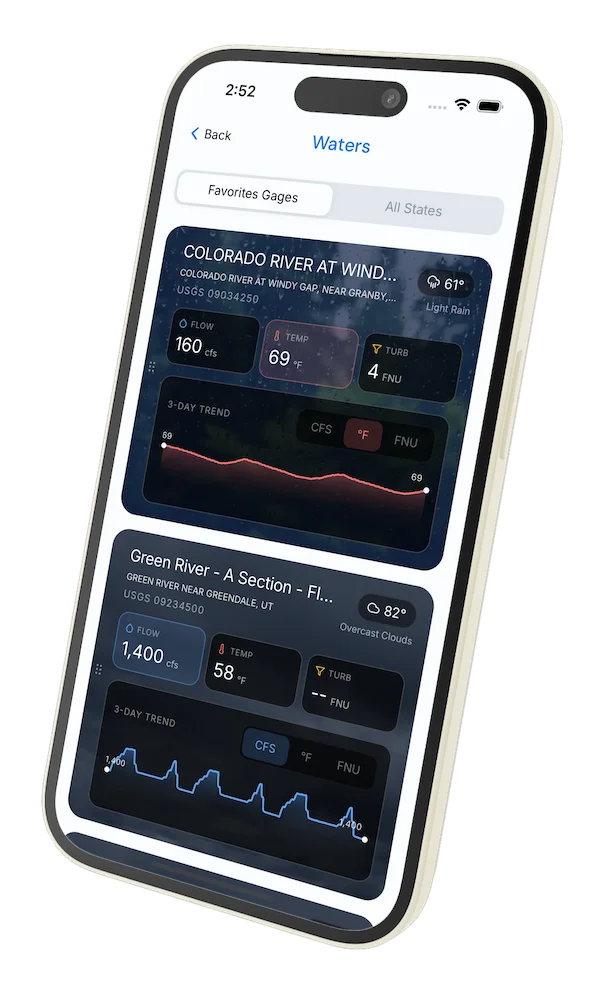
Water conditions for the last 7 days. You can gain insights to fishing activity based on these conditions, like water temperature and flow.
Data sourced from USGS National Water Information System and NOAA National Water Prediction Service (NWPS)
Access
Seasons
Terrain
Water
Fish Species
Brook Trout
Smallmouth Bass
Rainbow Trout
Kokanee salmon
Regulations
•
Fly Fishing Only: This water is restricted to fly fishing gear. No spinning or bait-casting equipment permitted.
Fishing Styles
Methods
•
Wade Friendly
•
Float Friendly