Salmon River
ID
•
River
•
Main stemAbout Salmon River
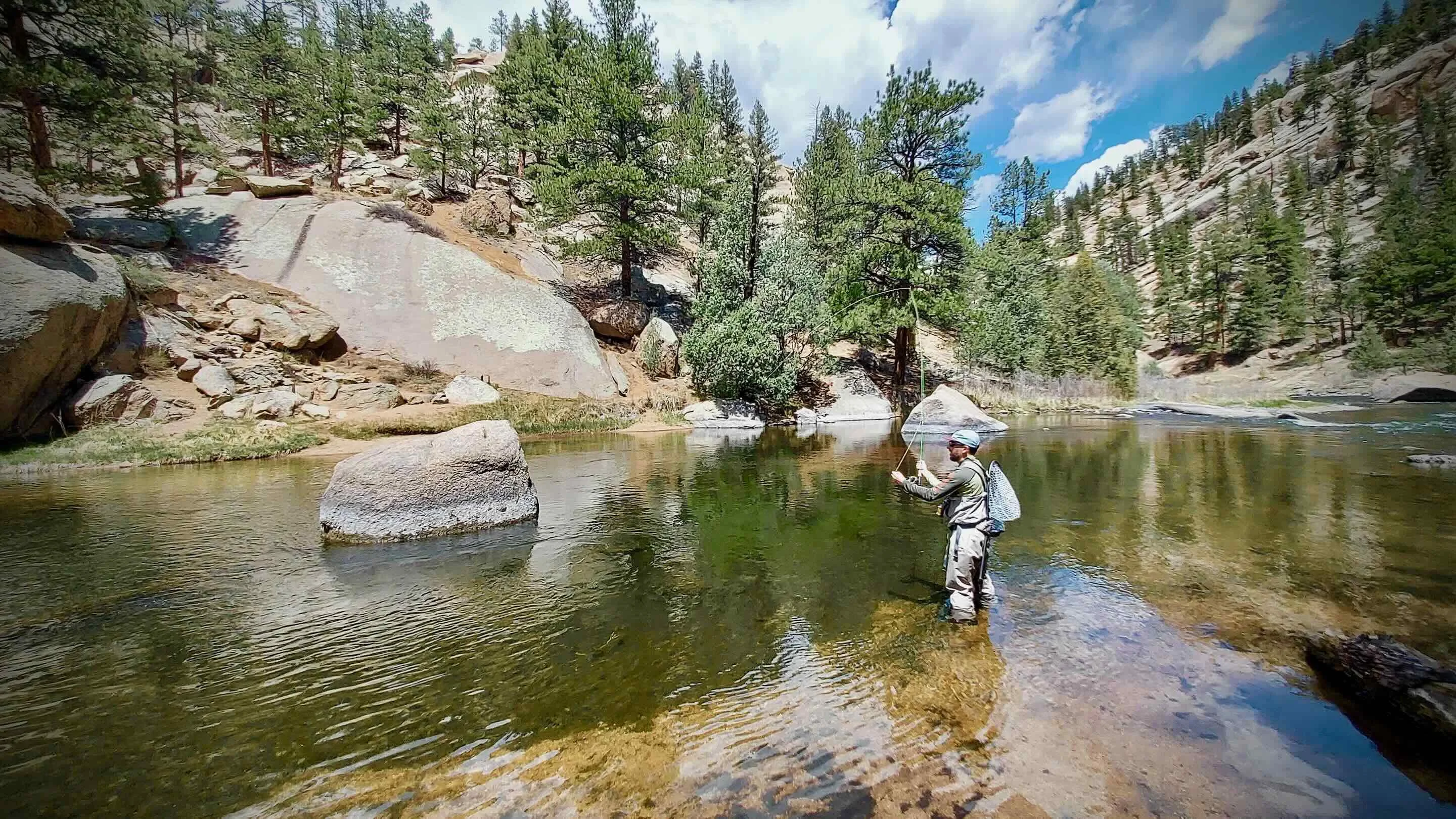
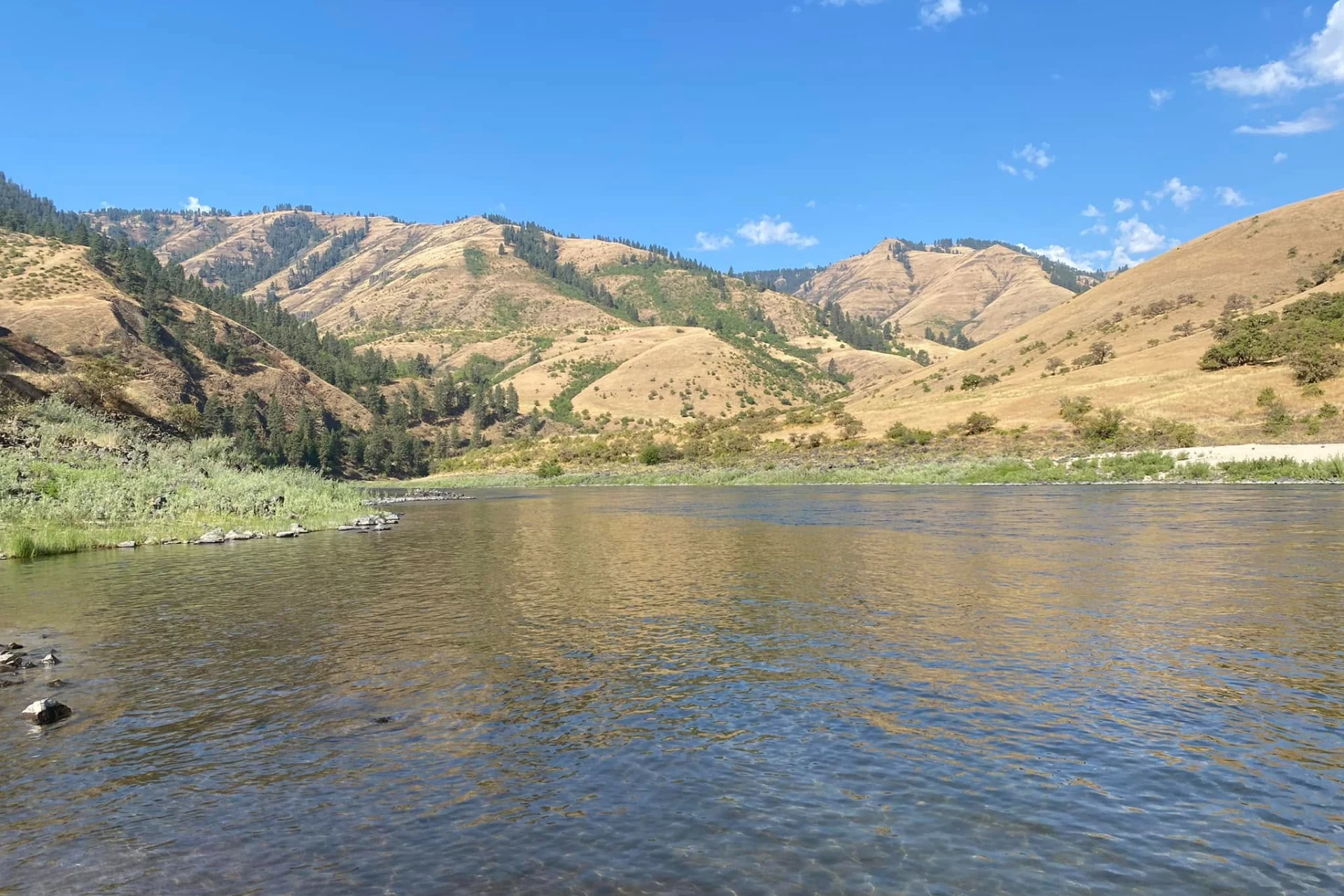
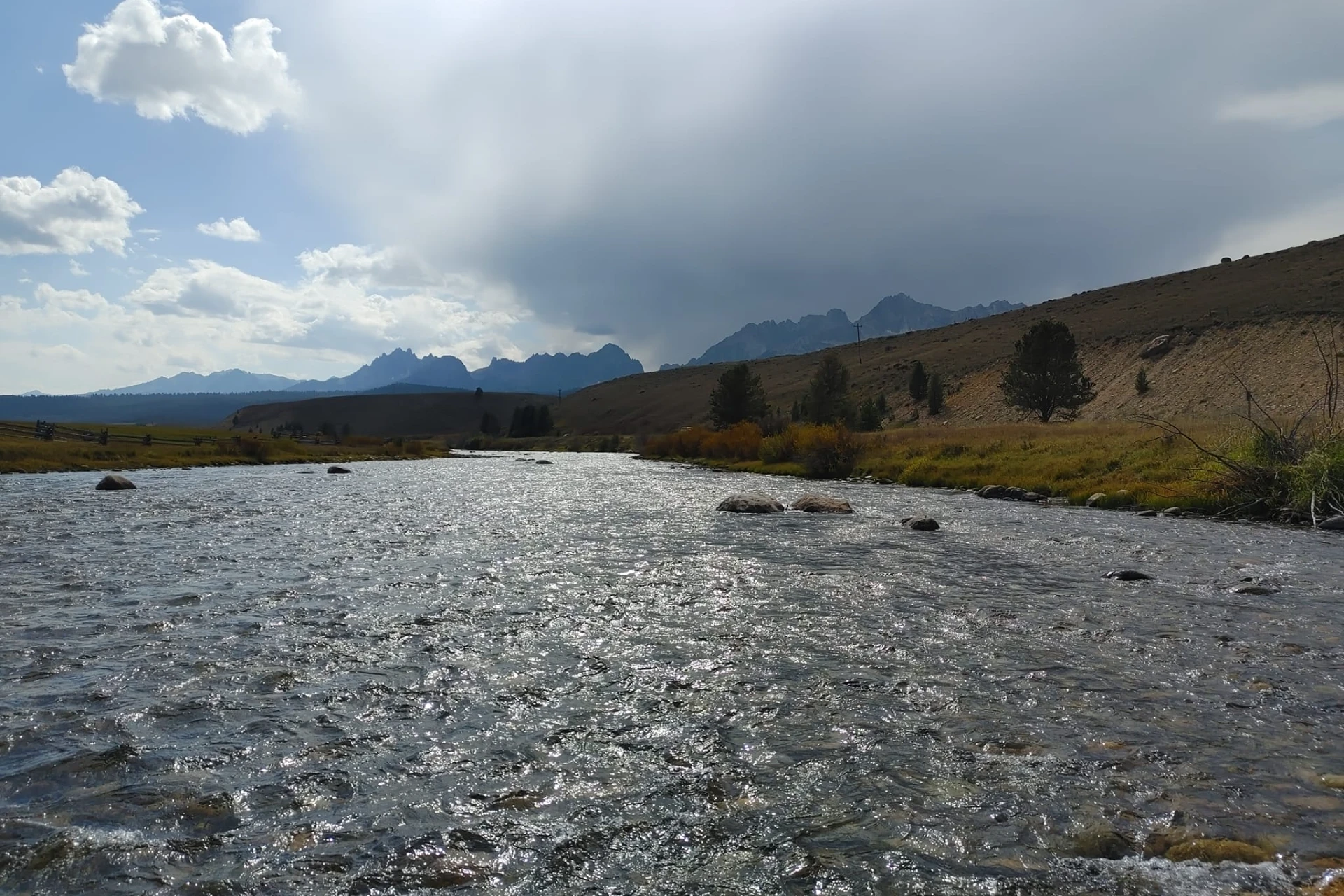
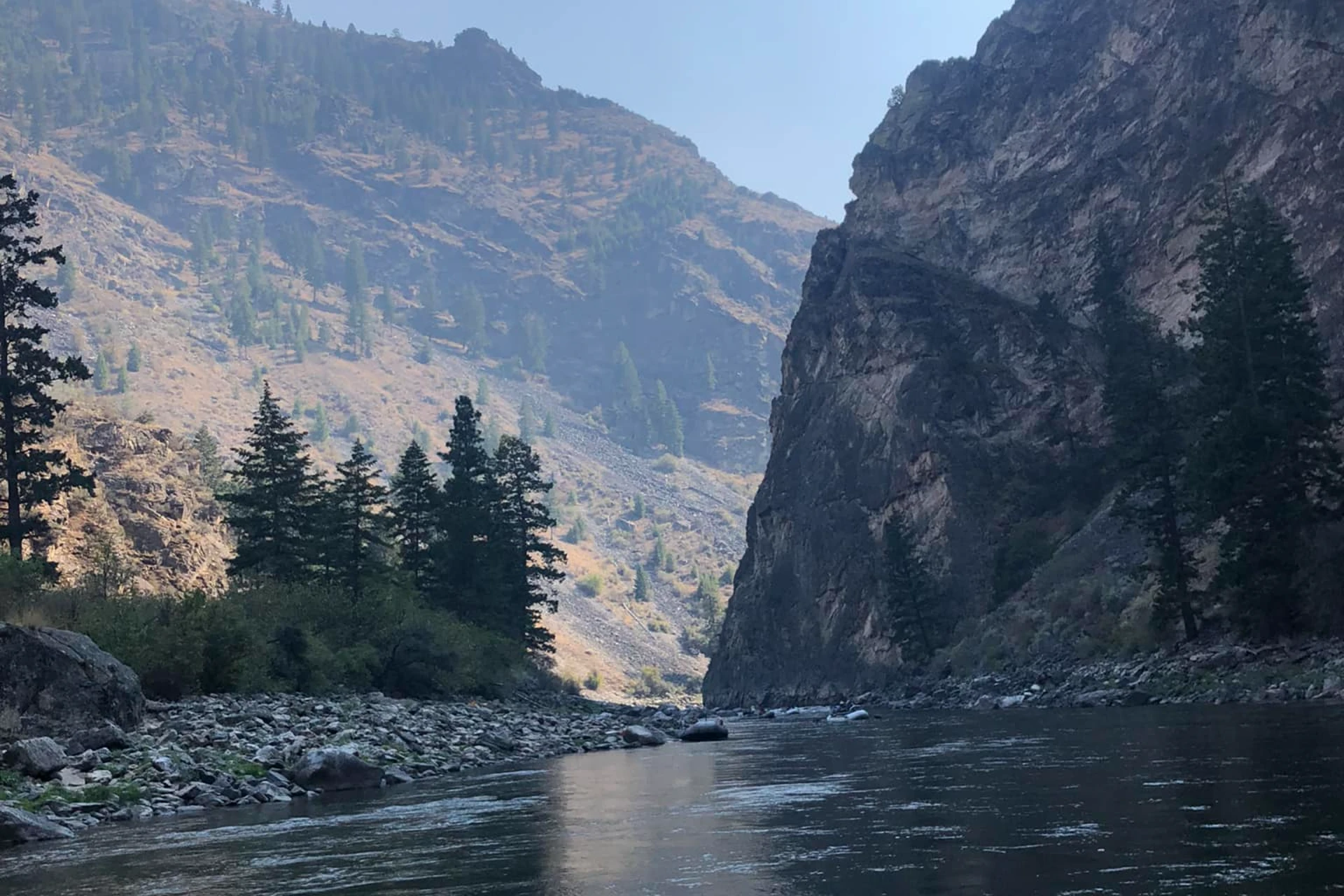
The Main Salmon River starts high in the Sawtooth Mountains, a clear, fast-moving freestone that gathers volume as it flows toward the town of Salmon, Idaho. From there, it carves west, picking up the substantial flow of the Middle Fork and entering the vast Frank Church - River of No Return Wilderness. This section, the true "Main Salmon," is a powerful river, often characterized by deep channels, large gravel bars, and steep, timbered canyon walls. Access is primarily by jet boat, drift boat, or raft, with limited shore access in some areas. The river's character shifts from pocket water and riffles in the upper reaches to broader, more powerful runs and pools as it progresses through the wilderness. This river fishes visually for anglers who understand its currents. Look for seams where faster water meets slower pools, the heads of riffles, and the tailouts of deeper runs. Large boulders and submerged structure create prime holding water for the river's inhabitants. Inlets from smaller tributaries can concentrate food and fish, especially during periods of lower mainstem flow. The sheer scale of the Salmon River means covering water efficiently is key. The Main Salmon is known for its robust population of steelhead and chinook salmon, though these are seasonal runs. Beyond the anadromous species, resident rainbow trout and cutthroat trout are plentiful throughout the river system. You'll find good insect activity here, with stoneflies and caddis being significant food sources. Terrestrial patterns can also be highly effective, especially during the warmer months. When fishing the Main Salmon, consider a variety of tactics. For trout, drifting large stonefly nymphs like a Pat’s Rubber Legs or a Kaufmann’s Stone in the deeper runs can produce. Swinging streamers, such as a Clouser Minnow or a Sex Dungeon, can entice aggressive trout and steelhead. In the faster water, try indicator nymphing with a two-fly rig, incorporating a larger attractor nymph followed by a smaller, more imitative pattern. For steelhead, focus on the deeper pools and runs, using techniques like side-drifting or swinging larger egg patterns and streamers. Keep an eye on the water for rising trout, and don't hesitate to match the hatch with dry flies like Elk Hair Caddis or Stimulators when the opportunity arises. Be aware of other craft on the water, especially drift boats and jet boats, and yield as necessary.
Salmon River Hatch Chart
Quick Actions
Trip Planning
Best fishing typically occurs during spring and summer. Check water conditions before heading out.
See what insects are emerging on Salmon River's hatch forecast — including active hatches, water temperatures, and which patterns to have in your box this month.
Get IdentaFly on your phone
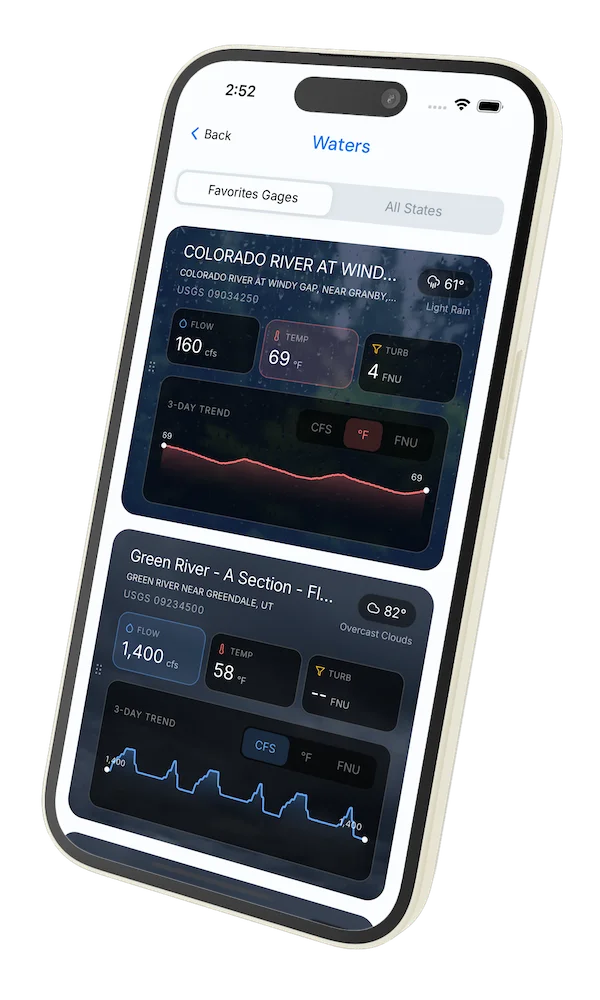
Hatch forecasts, river gages, fly scanning, and your journal — built for on-stream use. Be prepared before you get to the water. Free on the App Store and Google Play.


Conditions Report
Read tips and insights about recent conditions for Salmon River — gathered from on line sources.
Read the Conditions ReportAccess
Seasons
Water
Fish Species
Chinook salmon
Steelhead
Fishing Styles
Methods
•
Drift Boat Only
Land Ownership
Public Blm
Public Forest Service