Blue River
CO
•
Tailwater
•
Main stemAbout Blue River
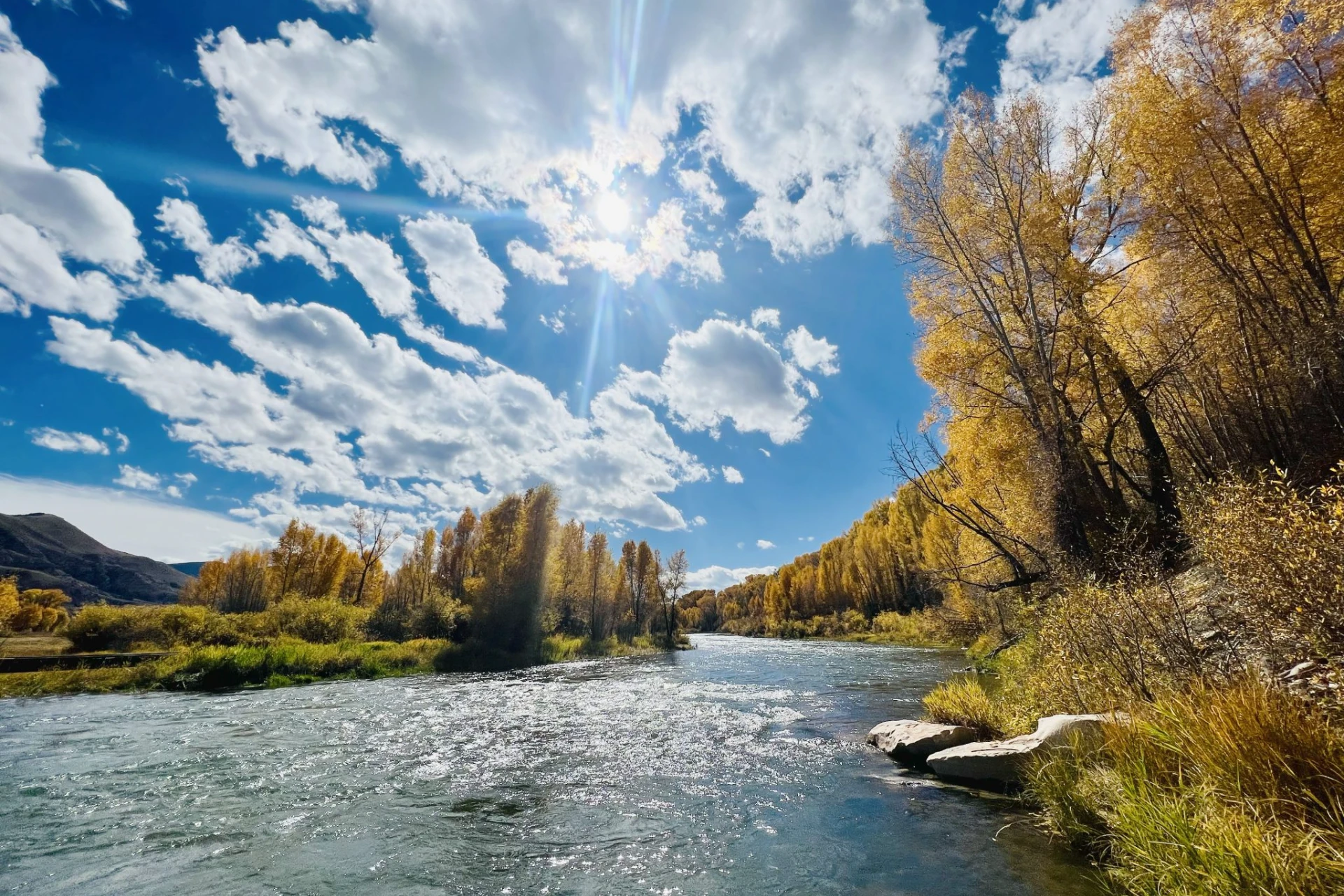
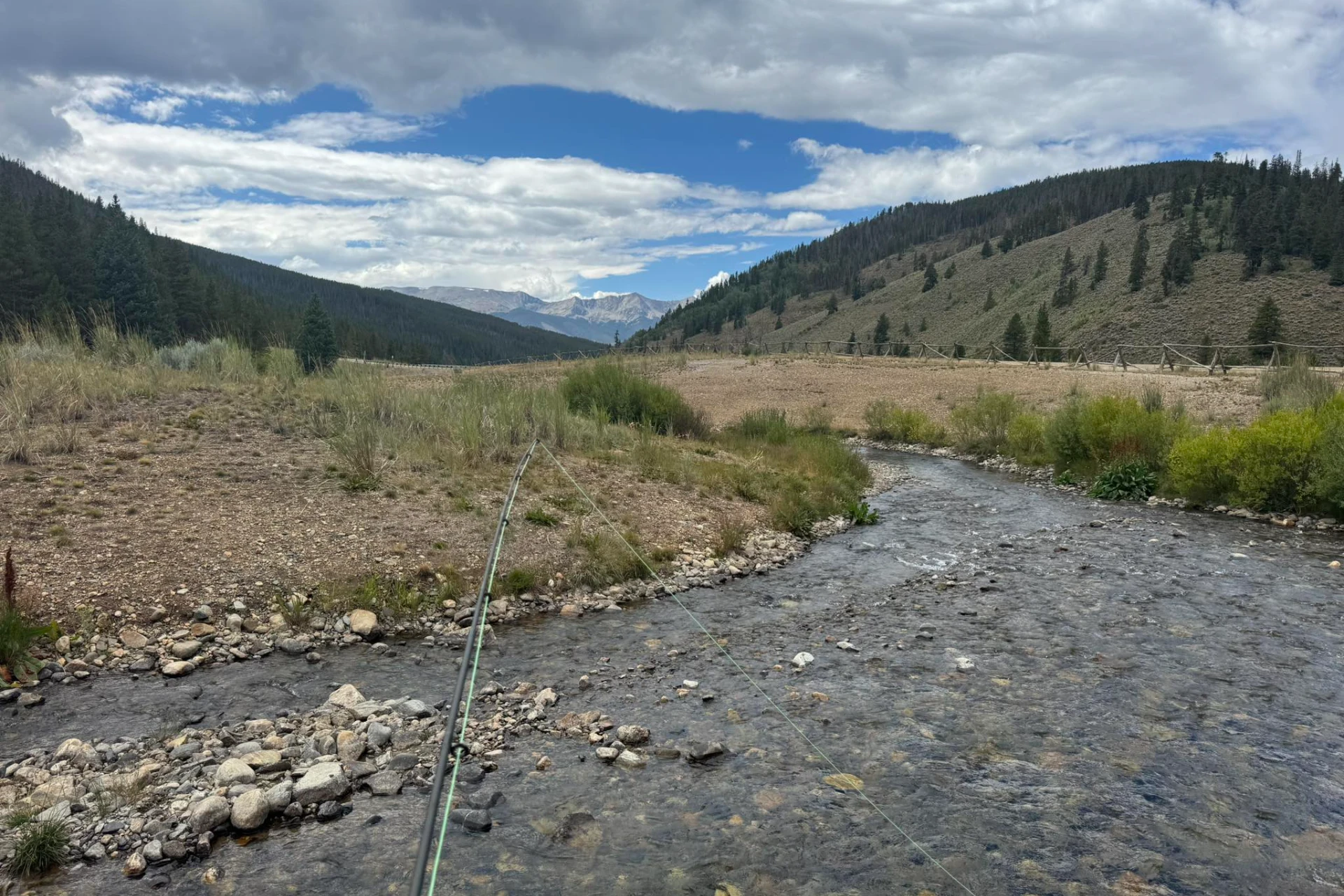
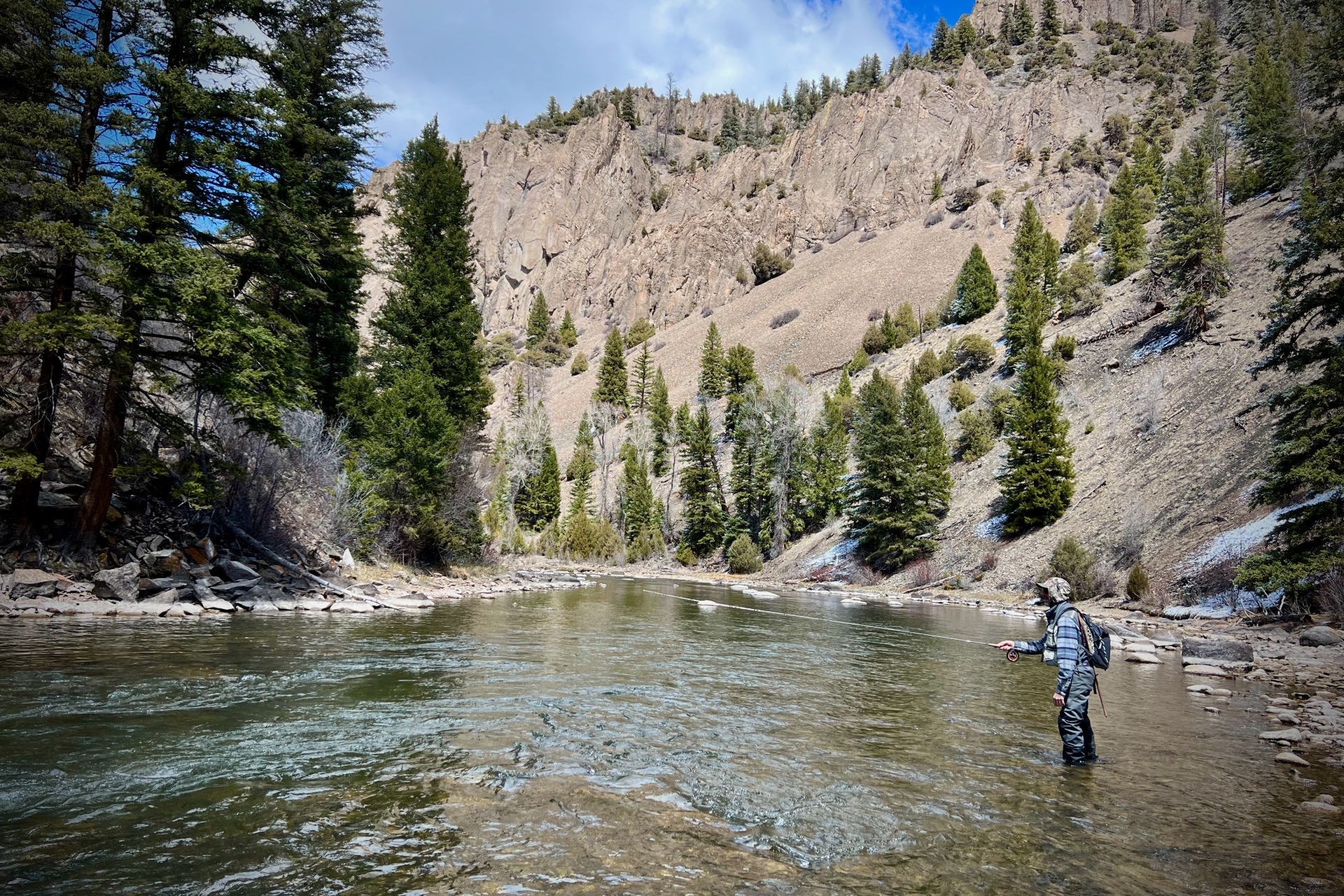
The Blue River, a 65-mile tributary of the Colorado River, flows from its headwaters in the Ten Mile Range near Quandary Peak, through Summit County, and eventually joins the Colorado at Kremmling. This river offers varied fishing experiences across its distinct sections. The headwaters, a small freestone river, feature a mix of plunge pools, runs, riffles, and beaver ponds, with simple roadside access. Below Lake Dillon, the tailwater section is known for its larger fish. Further downstream, the Green Mountain Tailwater opens up and widens, characterized by pine trees lining its banks, rocks, riffles, and runs. Access to this lower tailwater section involves a steep 150-foot descent from the parking lot, potentially requiring a rope, though a trail eases movement along the river once you're down. Numerous public access points are available between Silverthorne and Green Mountain Reservoir, including the "Steps" section by Colorado Mountain College. Below Green Mountain Reservoir, the river is largely private, but some public access exists directly below the dam. The Blue River holds Rainbow Trout, Brown Trout, Brook Trout, and Cutbow Trout. Small fish are common in the headwaters, while the Green Mountain Tailwater holds medium-sized trout. The tailwater below Lake Dillon is where anglers find larger fish. Midges are active year-round, with colors spanning black, white, gray, cream, olive, red, brown, blue, and purple, in sizes #16 to #24. Mayflies are present from spring through late summer, including Blue Wing Olives (BWOs) in green/olive, sizes #16-24, and Pale Morning Duns (PMDs) in white/yellow, sizes #14-20. Caddis hatches begin in spring, and drakes emerge in mid-summer. Mysis shrimp are a key food source in the Lake Dillon tailwater during reservoir turnover. In the Green Mountain Tailwater, stoneflies and mayflies are abundant. For the Green Mountain Tailwater, delicate nymphing presentations are effective, especially behind rocks and in riffles, along with dead-drifts through runs. This section is a technical tailwater, and wading is recommended for proper casting and presentation. In the headwaters, both dry flies and nymphs are productive techniques. Fishing peaks in mid-summer across the system. Excellent spring and fall fishing target spawning Rainbow and Brown Trout near Lake Dillon. The Lake Dillon tailwater and Green Mountain Tailwater remain fishable throughout the year, while the headwaters are best fished from spring through fall. When approaching the Green Mountain Tailwater, be prepared for the steep hike down to the river. Once on the water, focus on reading seams and current breaks to present your flies effectively. A sturdy wading staff can be invaluable in the Green Mountain Tailwater's varied bottom structure and currents. Always carry appropriate layers, as mountain weather can change quickly, regardless of the season.
Blue River Hatch Chart
Loading active hatches…
Quick Actions
Regulations
•
Catch & Release: All fish must be immediately released. Handle with care using barbless hooks.
Trip Planning
Best fishing typically occurs during year round. Check water conditions before heading out.
See what insects are emerging on Blue River's hatch forecast — including active hatches, water temperatures, and which patterns to have in your box this month.
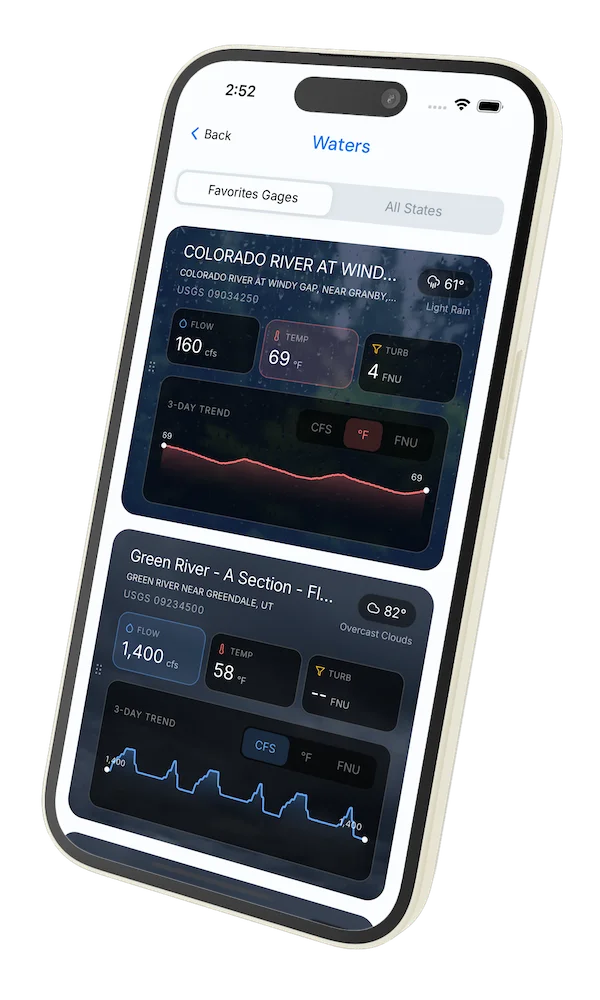
Get IdentaFly on your phone
Hatch forecasts, river gages, fly scanning, and your journal — built for on-stream use. Be prepared before you get to the water. Free on the App Store and Google Play.


Conditions Report
Read tips and insights about recent conditions for Blue River — gathered from on line sources.
Read the Conditions ReportWater conditions
Water conditions for the last 7 days. You can gain insights to fishing activity based on these conditions, like water temperature and flow.
Data sourced from USGS National Water Information System
Access
Seasons
Terrain
Water
Fish Species
Rainbow Trout
Brown Trout
Brook Trout
Regulations
•
Catch & Release: All fish must be immediately released. Handle with care using barbless hooks.
Fishing Styles
Methods
•
Wade Friendly
Land Ownership
Public Blm
Private With Easement