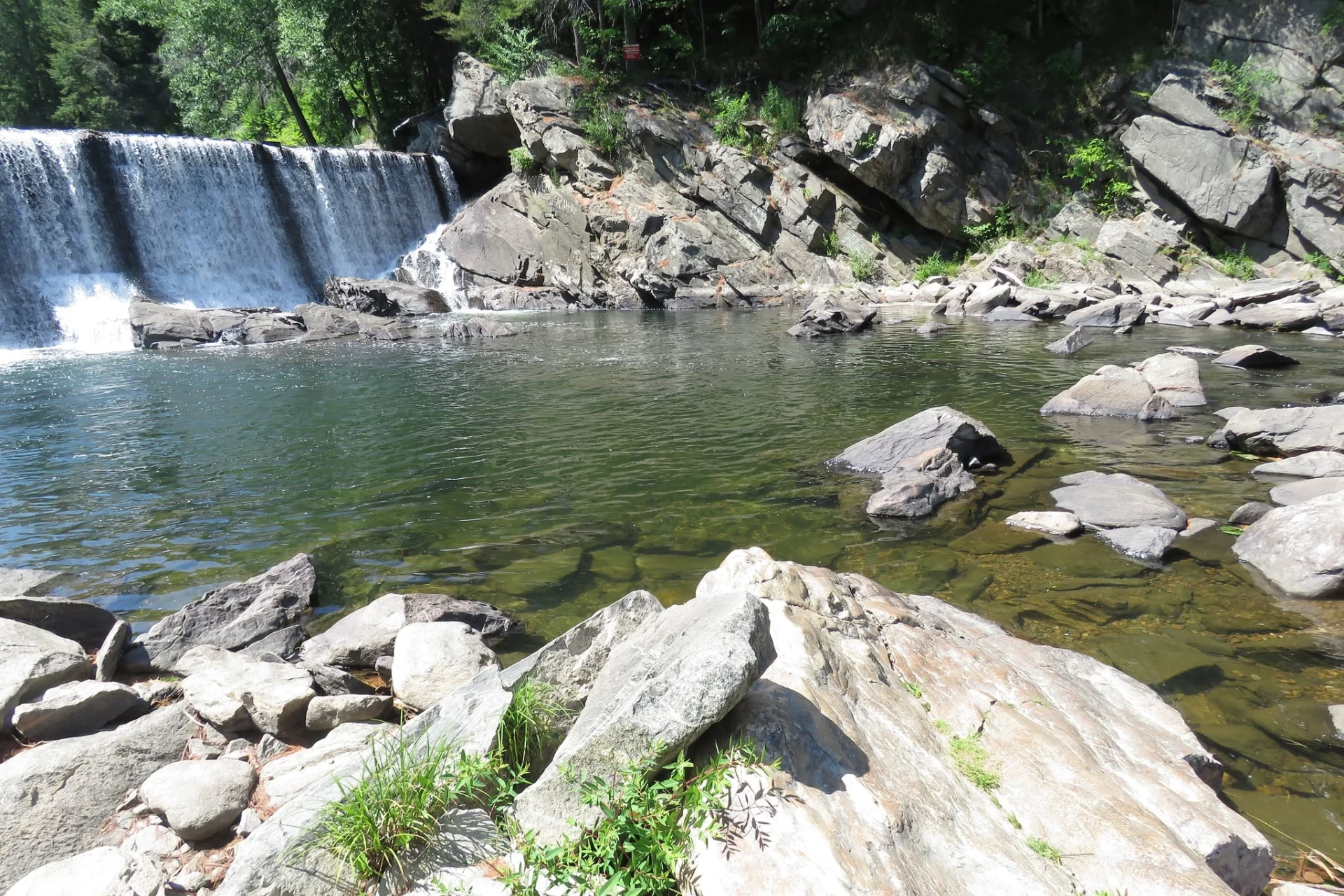
Black River
AZ
•
River
About Black River
The Black River begins its run near Alpine in the high-altitude White Mountains, where peaks rise above 11,000 feet. The upper headwaters and small tributary streams flow cold and clear through old-growth pine forests before cutting into a deep bedrock canyon accented by steep red rock cliffs. Wading this system requires negotiating rugged canyon bottoms, slick bedrock benches, and pocket water created by bedrock structures. The main channel shifts from high-gradient mountain runs to deep, slow-moving pools bordered by heavy rock formations. You will want to watch your footing on the slick rocks and focus your efforts on the seams where fast water meets these deep canyon pools. Managing your access on the Black River requires knowing whose land you are standing on. The river flows through a patchwork of jurisdictions, including the Apache-Sitgreaves National Forests, the San Carlos reservation, and the Fort Apache reservation. If you plan to target the lower stretches of the river, you must secure special permits ahead of time from the San Carlos Wildlife and Recreation Headquarters. Keep in mind that high-elevation forest roads shut down during the colder months, which completely cuts off vehicle access to the upper river sections until the snow clears. Plan your travel route carefully, check reservation boundaries, and obtain all necessary tribal permits before rigging up your rods. In the upper reaches of the drainage and within small, willow-bordered tributaries like the West Fork, native Apache trout are the primary target. These fish typically run under 12 inches and are highly opportunistic feeders, making dedicated dry fly tactics the most effective way to search the water. Rig up with a light, short fly rod—a 2-weight to 4-weight is ideal—paired with a short leader tapering to a 4x or 5x tippet to handle the tight casting quarters and overhanging willow branches. Drag-free drifts with high-floating patterns like Caddis, Humpies, size 12 Stimulators, and Parachute Adams will pull these native fish out from under the cutbanks. Beetle patterns also work exceptionally well when drifted tight to the grassy edges, especially when wind blows terrestrial insects off the banks. As you move into the middle and lower sections of the mainstem, the river widens, and abundant populations of rainbow and brown trout occupy the deeper runs, tailouts, and pocket water behind large boulders. Caddis flies are common throughout these middle stretches, and dead-drifted pupa or adult profiles work well in the seam lines. Further downriver, the water warms and smallmouth bass become the predominant species in the canyon pools. This lower river environment transitions into deep bedrock runs and slower pools where bass wait near the shade of red rock cliffs, rocky ledges, and submerged structure. Throwing poppers into the slack water and eddy lines and working them with a rhythmic twitch-and-pause retrieve will draw these fish to the surface. Focus your casts along the deep shadow lines cast by the canyon walls and always keep a tight line to set the hook when a bass rises.
Black River Hatch Chart
Quick Actions
Regulations
•
Catch & Release: All fish must be immediately released. Handle with care using barbless hooks.
•
Seasonal Closures: This water has seasonal closures. Check local regulations for specific dates.
Trip Planning
Best fishing typically occurs during spring and summer. Check water conditions before heading out.
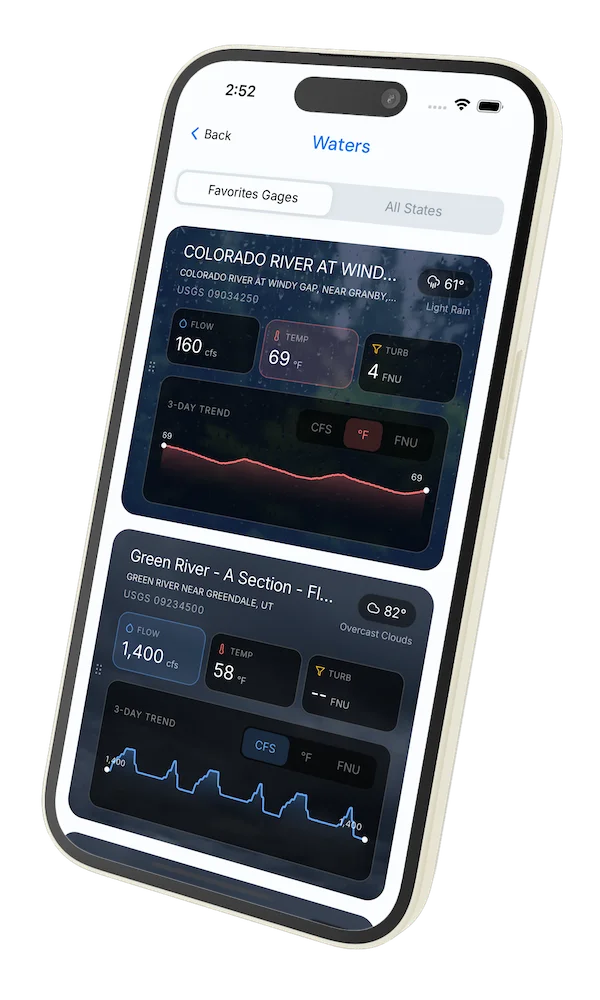
See what insects are emerging on Black River's hatch forecast — including active hatches, water temperatures, and which patterns to have in your box this month.
Get IdentaFly on your phone
Hatch forecasts, river gages, fly scanning, and your journal — built for on-stream use. Be prepared before you get to the water. Free on the App Store and Google Play.


Access
Seasons
Terrain
Water
Fish Species
Apache Trout
Brown Trout
Rainbow Trout
Smallmouth Bass
Regulations
•
Catch & Release: All fish must be immediately released. Handle with care using barbless hooks.
•
Seasonal Closures: This water has seasonal closures. Check local regulations for specific dates.
Fishing Styles
Methods
•
Wade Friendly
Land Ownership
Public Forest Service