White River
AR
•
Tailwater
About White River
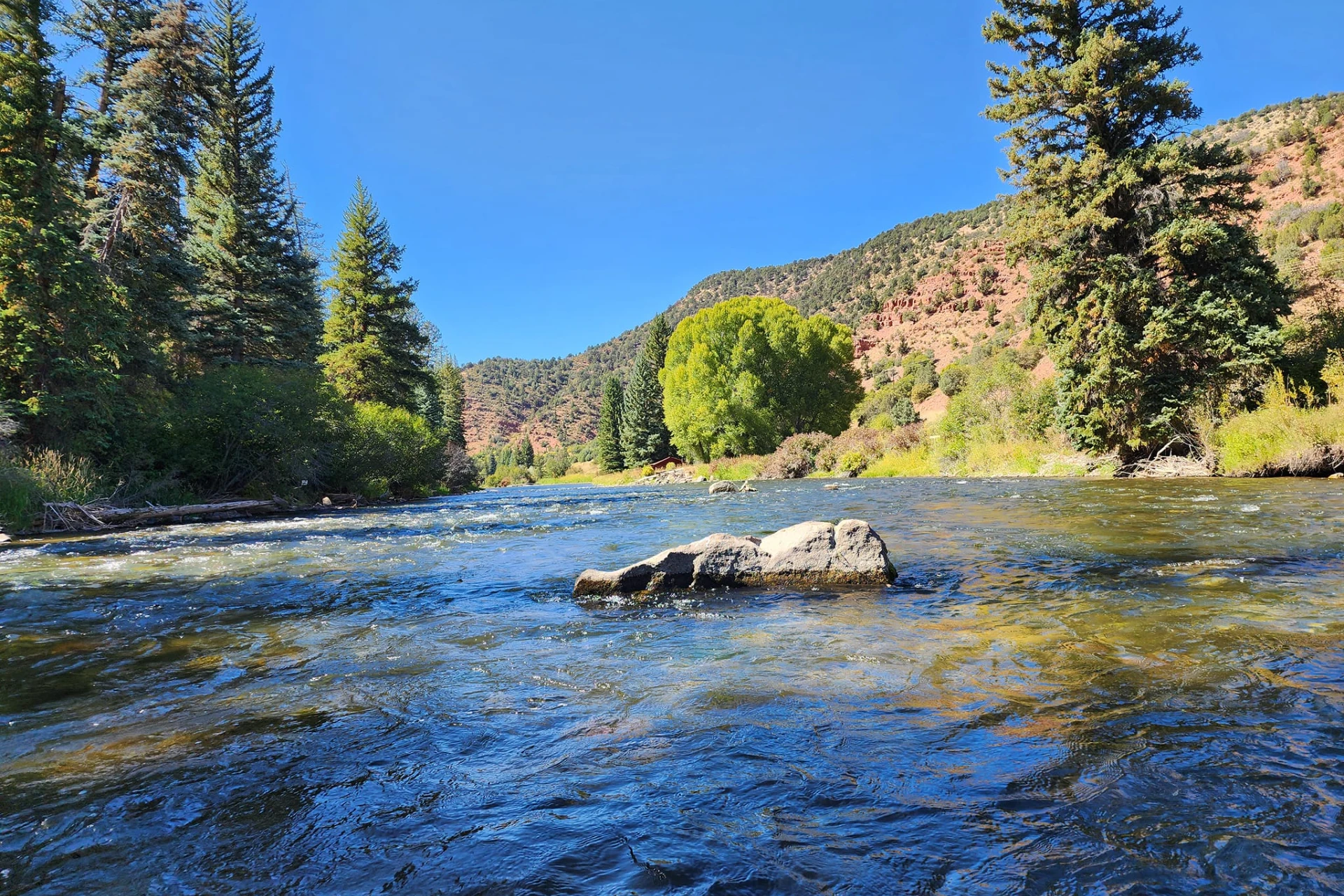
The White River tailwater originates directly below the massive concrete structure of Bull Shoals Dam, creating a cold-water fishery that extends for roughly 100 miles. Because the river is fed by regular releases from the bottom of the dam, the water temperature remains a consistent 52 degrees Fahrenheit throughout the entire year. Downstream, the main stem is further fed by the cold, oxygenated flows of the four-mile North Fork River, reinforcing this thermal stability over a massive distance. Anglers navigating this system will find that the river's physical character changes rapidly depending on the volume of water being released from the dam. When flows are low, wide gravel bars and shallow channels become highly visible and accessible, whereas high-generation periods turn the river into a deep, powerful current. The riverbed contains a diverse mix of structures, ranging from fast, choppy riffles to long, deep pools and shallow runs. The highly oxygenated riffles churn the water and provide distinct holding spots for fish looking for an easy meal. Below these riffles, the current transitions into flatter, shallower runs before dropping off into massive pools where the water slows down and deepens significantly. These deep pools often feature sharp drop-offs and undercut areas near the banks where the river has carved into the shoreline over time. Access along these 100 miles varies, offering expansive gravel bars where you can wade from the bank when flows are low, as well as deeper sections best suited for floating over the deep structural holes during high water. This cold-water environment is home to five distinct species of trout: brown, rainbow, cutthroat, brook, and tiger trout. The river is globally recognized for its world-record-class brown trout, with fish reaching over 30 pounds hiding in the deeper, darker runs. These massive, predatory browns feed heavily on the abundant populations of sculpins, minnows, and crawfish that inhabit the rocks and gravel along the riverbed. Alongside these baitfish, the river sustains an immense population of smaller invertebrates, including year-round active midges, sowbugs, and scuds. When conditions are right, prolific caddis and mayfly hatches occur, bringing trout of all sizes up from the bottom to feed on the surface. Tailwater flows dictate daily tactics on this river, making water management the primary factor in your approach. When the dam is not generating and flows are low, nymphing is highly productive using small, dark midge larvae or pink and gray sowbug and scud imitations rigged with enough weight to tick the riverbed. Drift these through the seams below the riffles on a drag-free presentation, or switch to dry flies on long leaders to target rising fish in the shallow runs during active caddis and mayfly hatches. When the generators kick on and higher flows fill the channel, switch to heavy fly rods and sinking lines to present large streamers that mimic sculpins and minnows, stripping them fast through the deep pools and near bank structures. Always keep a close eye on the water level when wading, as a sudden increase in flow from the dam can quickly submerge gravel bars and make wading dangerous.
White River Hatch Chart
Loading active hatches…
Quick Actions
Regulations
•
Catch & Release: All fish must be immediately released. Handle with care using barbless hooks.
Trip Planning
Best fishing typically occurs during year round. Check water conditions before heading out.
See what insects are emerging on White River's hatch forecast — including active hatches, water temperatures, and which patterns to have in your box this month.
Get IdentaFly on your phone
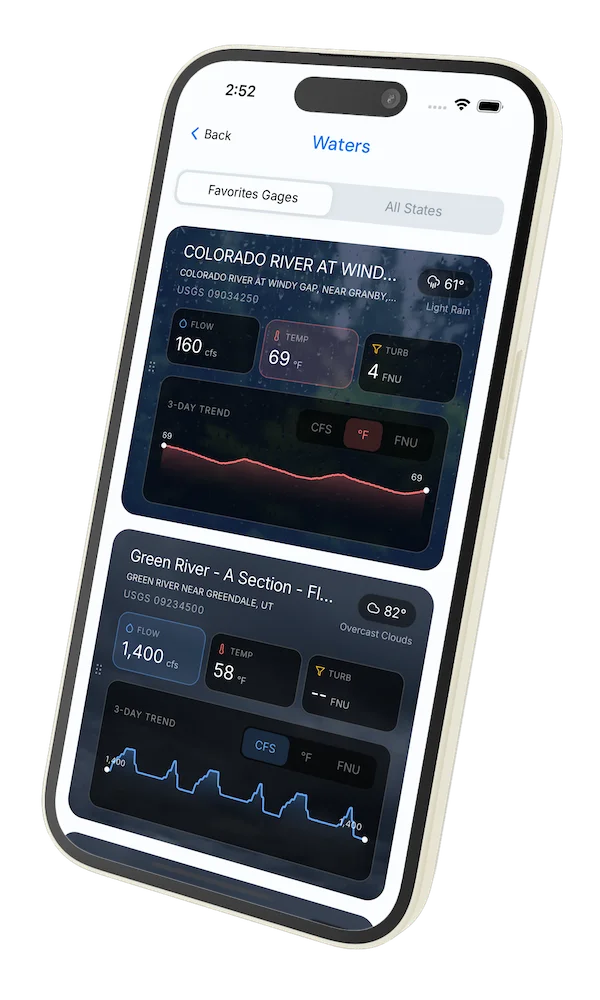
Hatch forecasts, river gages, fly scanning, and your journal — built for on-stream use. Be prepared before you get to the water. Free on the App Store and Google Play.


Conditions Report
Read tips and insights about recent conditions for White River — gathered from on line sources.
Read the Conditions ReportWater conditions (USGS)
Water conditions for the last 7 days. You can gain insights to fishing activity based on these conditions, like water temperature and flow.
Data sourced from USGS National Water Information System
Access
Seasons
Terrain
Water
Fish Species
Brown Trout
Rainbow Trout
Cutthroat
Brook Trout
Regulations
•
Catch & Release: All fish must be immediately released. Handle with care using barbless hooks.
Fishing Styles
Methods
•
Float Friendly