Tongue River
WY
•
River
•
Main stemAbout Tongue River
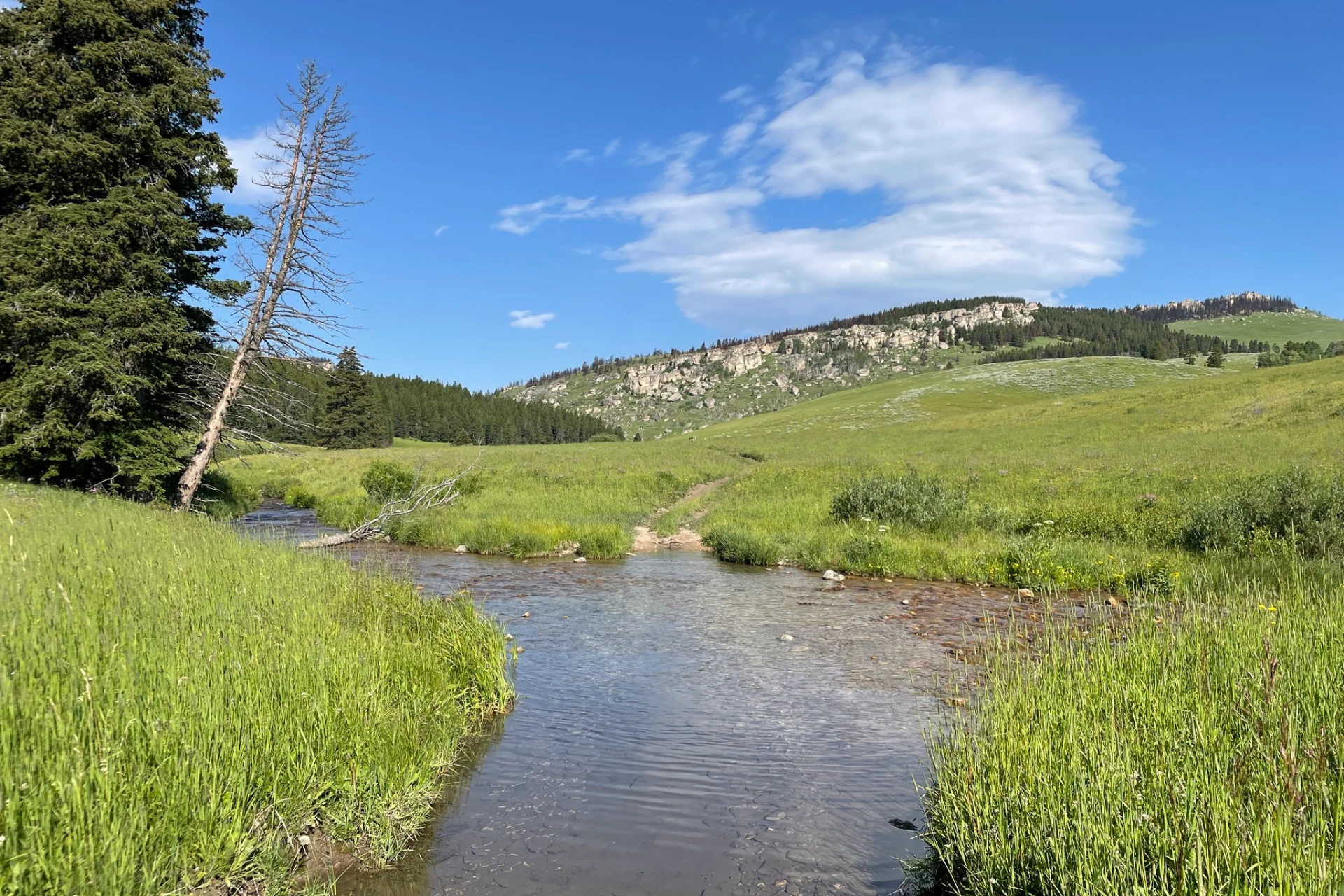
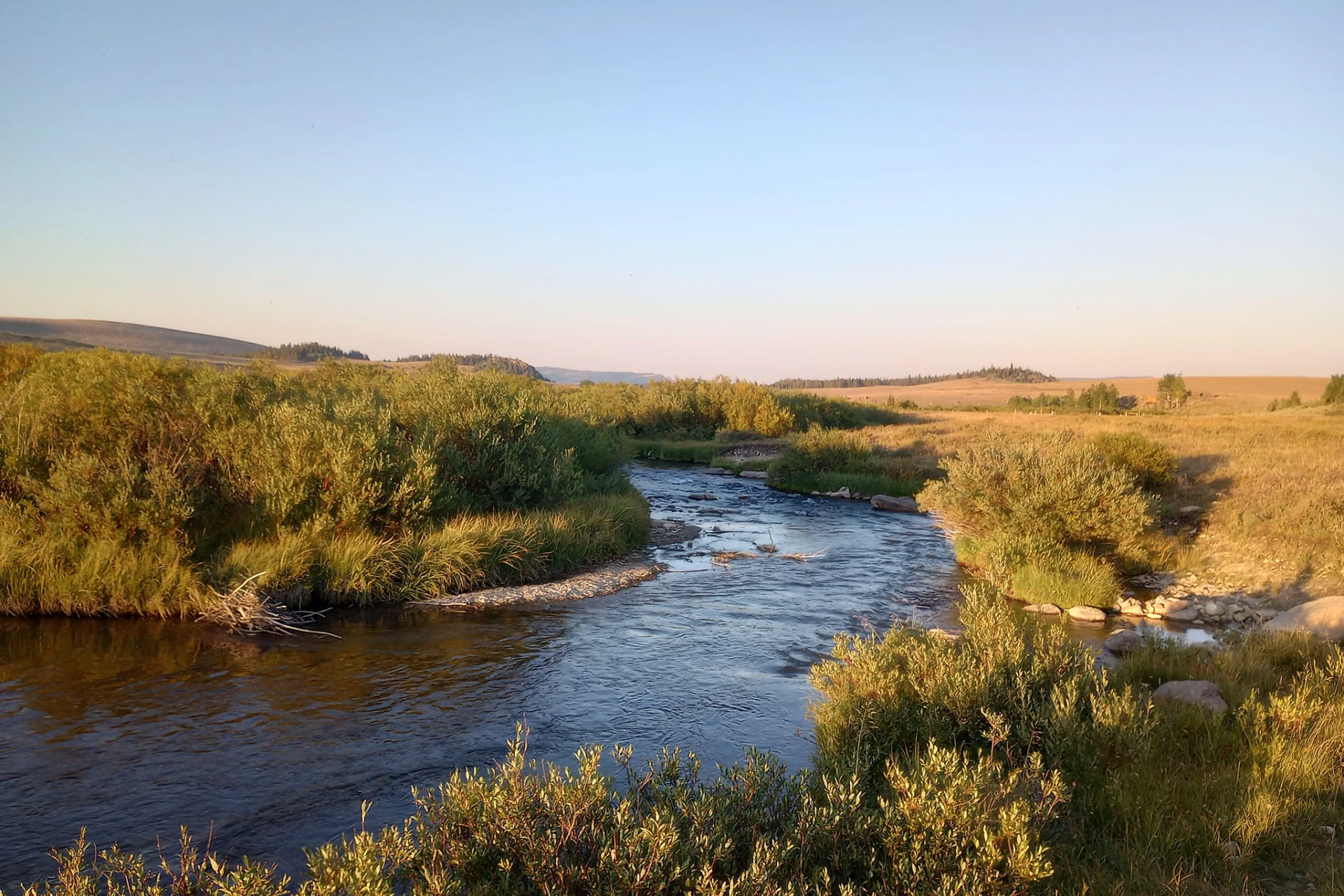
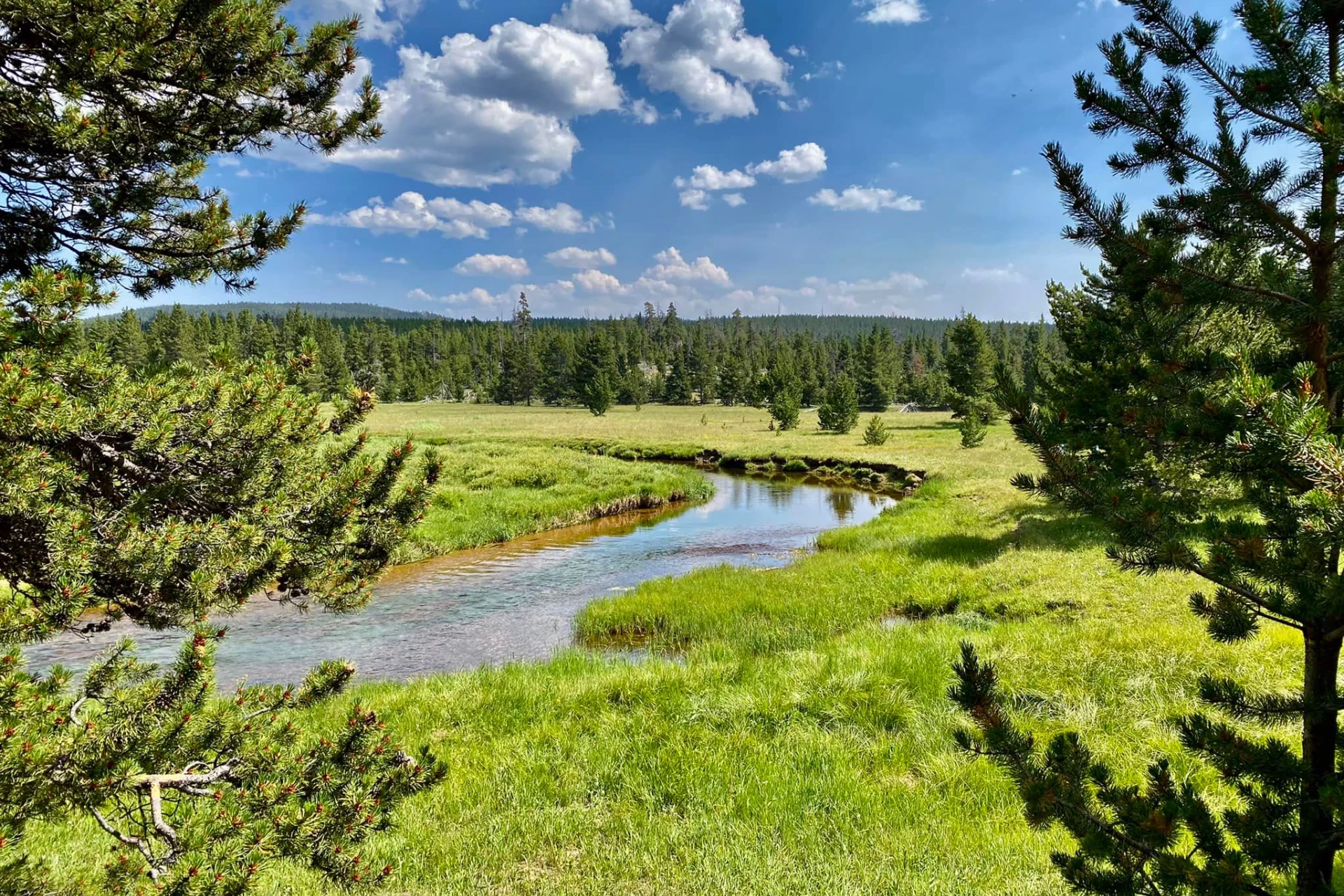
The Tongue River, a gem nestled in Northern Wyoming, offers a compelling fly fishing experience, often considered one of the state's best-kept secrets. This river system, which splits into two distinct forks, provides a diverse range of aquatic environments. The North Tongue River carves through a dramatic canyon before transitioning into gentler meadow stretches, with Highway 14A offering convenient roadside access for much of its course. In contrast, the South Tongue River presents a more remote and rugged experience, characterized by pocket water and tighter confines, requiring a more adventurous approach to access. The South Fork, in particular, is renowned for its robust wild trout fishery, boasting an impressive density of fish per mile. This Wyoming river is home to four species of trout, each offering a unique challenge and fight. Anglers will encounter abundant Rainbow Trout, typically ranging from 10 to 22 inches, and wary Brown Trout, usually found between 8 and 18 inches, which are most active during dawn and dusk. The North Fork is annually stocked with Snake River Cutthroat Trout, identifiable by their distinctive jaw slashes, and these fish are protected under catch-and-release regulations. Additionally, the river supports feisty Brook Trout, averaging 6 to 14 inches, known for their aggressive strikes. Success on the Tongue River often hinges on understanding the local insect activity, with Golden Stoneflies and Caddis hatches being particularly significant for effective dry fly fishing. Anglers should be prepared for the possibility of encountering these hatches, which can trigger aggressive feeding behavior in the trout. The North Fork operates under special regulations, mandating catch-and-release for all trout except brook trout, and restricting anglers to artificial flies and lures only. The South Fork, on the other hand, follows standard state regulations and is celebrated for its wild trout population. The river's clear water can demand precise presentations, and understanding the nuances of nymphing and dry fly presentations will greatly enhance your success. Wading is a primary method of access and fishing on the Tongue River, with the North Fork generally offering easier wading conditions, while the South Fork may require more careful navigation.
Tongue River Hatch Chart
Loading active hatches…
Quick Actions
Regulations
•
Catch & Release: All fish must be immediately released. Handle with care using barbless hooks.
•
Artificial Lures Only: No natural bait permitted. Flies, lures, and artificial attractants only.
Trip Planning
Best fishing typically occurs during spring and summer. Check water conditions before heading out.
See what insects are emerging on Tongue River's hatch forecast — including active hatches, water temperatures, and which patterns to have in your box this month.
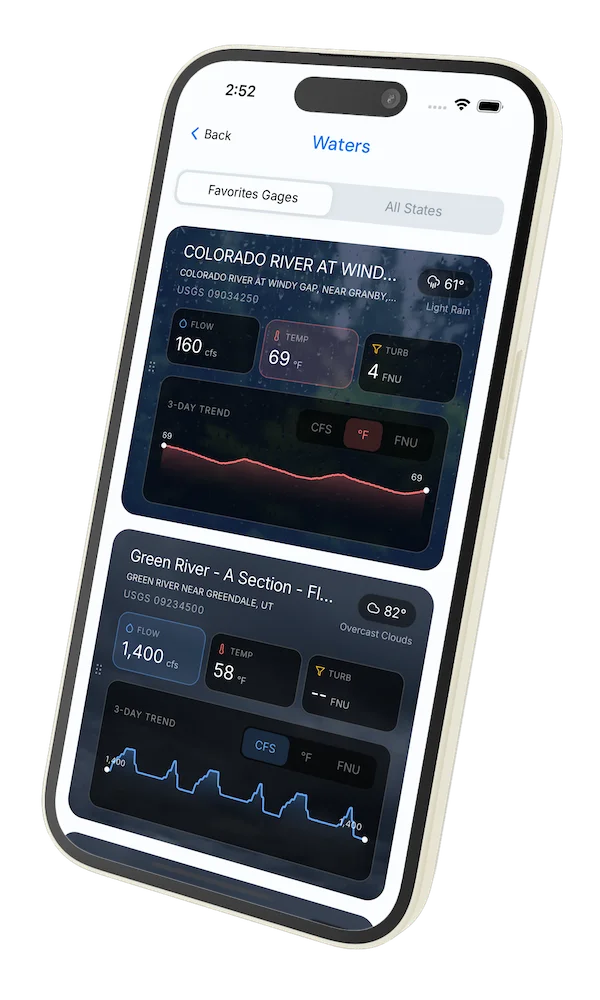
Get IdentaFly on your phone
Hatch forecasts, river gages, fly scanning, and your journal — built for on-stream use. Be prepared before you get to the water. Free on the App Store and Google Play.


Related Waters
Water conditions (USGS)
Water conditions for the last 7 days. You can gain insights to fishing activity based on these conditions, like water temperature and flow.
Data sourced from USGS National Water Information System
Access
Seasons
Terrain
Water
Fish Species
Brown Trout
Cutthroat
Regulations
•
Catch & Release: All fish must be immediately released. Handle with care using barbless hooks.
•
Artificial Lures Only: No natural bait permitted. Flies, lures, and artificial attractants only.
Fishing Styles
Methods
•
Wade Friendly
Land Ownership
Public Forest Service
State Wildlife Area