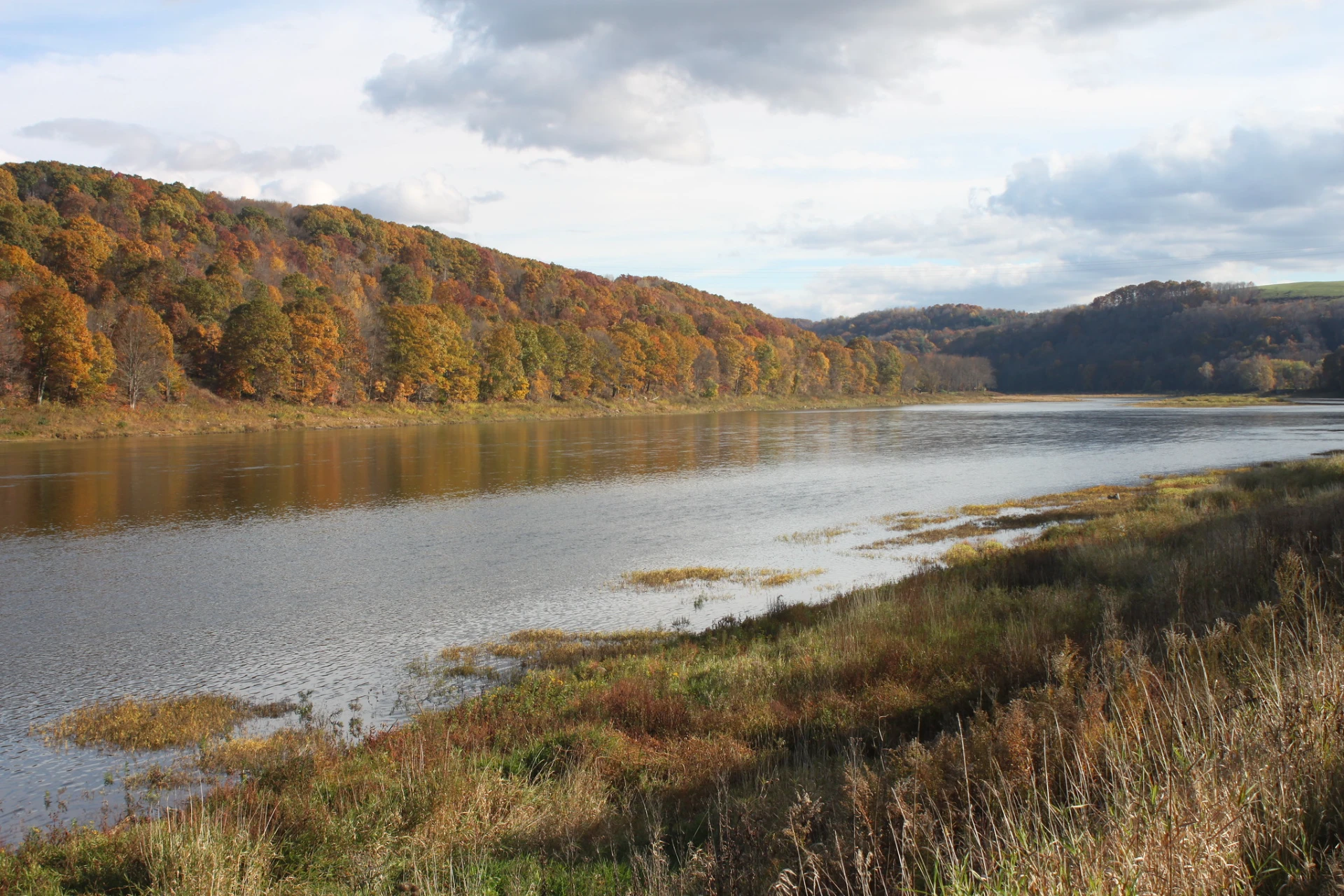
Allegheny River
PA
•
River
About Allegheny River
The Allegheny River in Pennsylvania is a substantial waterway, stretching over 325 miles from its headwaters in Potter County northwest into New York, then looping back into western Pennsylvania before joining the Monongahela in Pittsburgh. For fly anglers, two primary sections demand attention: the upper Allegheny near Coudersport and the tailwater below Kinzua Dam. The upper section features a 2.7-mile Delayed Harvest – Artificial Lures Only (DHALO) zone downstream from Pond Road, offering a controlled environment for targeting trout. The tailwater, managed under special regulations, extends for about nine miles. This section is characterized by cold, oxygen-rich water released from Kinzua Dam, creating ideal conditions for trout. While not stocked directly with brown trout, numerous tributaries like Hemlock Run and Browns Run feed into this stretch, supporting a robust population of wild brown trout, many exceeding eighteen inches, along with stocked rainbow trout. Holdover trout from these tributaries also contribute to the fishery, adapting to the tailwater environment and exhibiting the characteristics of wild fish. Anglers should be mindful of fluctuating water levels; high water can make wading impossible, while excessively low levels can make trout fishing challenging. Patience and timing are key to finding the right conditions for success on the Allegheny. The Allegheny River tailwater below Kinzua Dam is renowned for its brown trout, with specimens reaching up to thirty inches. This section also holds stocked rainbow trout. The river's food sources are diverse, including various aquatic insects. When conditions are right, expect hatches that will bring trout to the surface. For targeting these fish, consider a 4, 5, or 6-weight fly rod. For dry fly presentations, a 9 to 12-foot leader tapered to 5X or 6X is effective, while nymphing calls for a 7.5-foot leader tapered to 3X or 4X. Streamer fishing might require a heavier leader, tapered to 0X or 2X. When nymphing, flies like Prince Nymphs or Pheasant Tails can imitate various aquatic insects. For streamers, patterns such as Clouser Minnows or Woolly Buggers in olive, black, or white are productive, especially when swung through deeper pools or along structure. During periods of insect activity, dry flies like Adams, Elk Hair Caddis, or BWO patterns can be deadly. Work the water systematically, paying attention to deeper pools, riffles, and any submerged structure like rock piles or fallen timber, especially during lower light conditions in the morning and evening. Anglers sharing the water should maintain a respectful distance and practice catch-and-release principles, particularly in the special regulation sections.
Allegheny River Hatch Chart
Loading active hatches…
Quick Actions
Regulations
•
Artificial Lures Only: No natural bait permitted. Flies, lures, and artificial attractants only.
Trip Planning
Best fishing typically occurs during fall and spring. Check water conditions before heading out.
See what insects are emerging on Allegheny River's hatch forecast — including active hatches, water temperatures, and which patterns to have in your box this month.
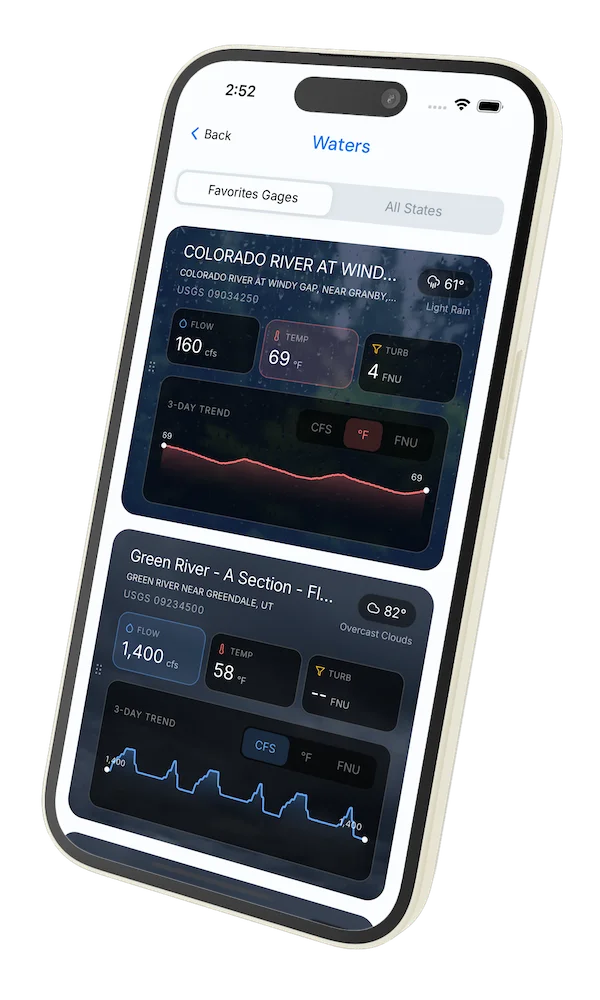
Get IdentaFly on your phone
Hatch forecasts, river gages, fly scanning, and your journal — built for on-stream use. Be prepared before you get to the water. Free on the App Store and Google Play.


Conditions Report
Read tips and insights about recent conditions for Allegheny River — gathered from on line sources.
Read the Conditions ReportWater conditions
Water conditions for the last 7 days. You can gain insights to fishing activity based on these conditions, like water temperature and flow.
Data sourced from USGS National Water Information System
Access
Seasons
Water
Fish Species
Brown Trout
Rainbow Trout
Regulations
•
Artificial Lures Only: No natural bait permitted. Flies, lures, and artificial attractants only.
Fishing Styles
Methods
•
Wade Friendly
•
Float Friendly
Land Ownership
Public Forest Service