Strawberry Creek
NV
•
Creek
About Strawberry Creek
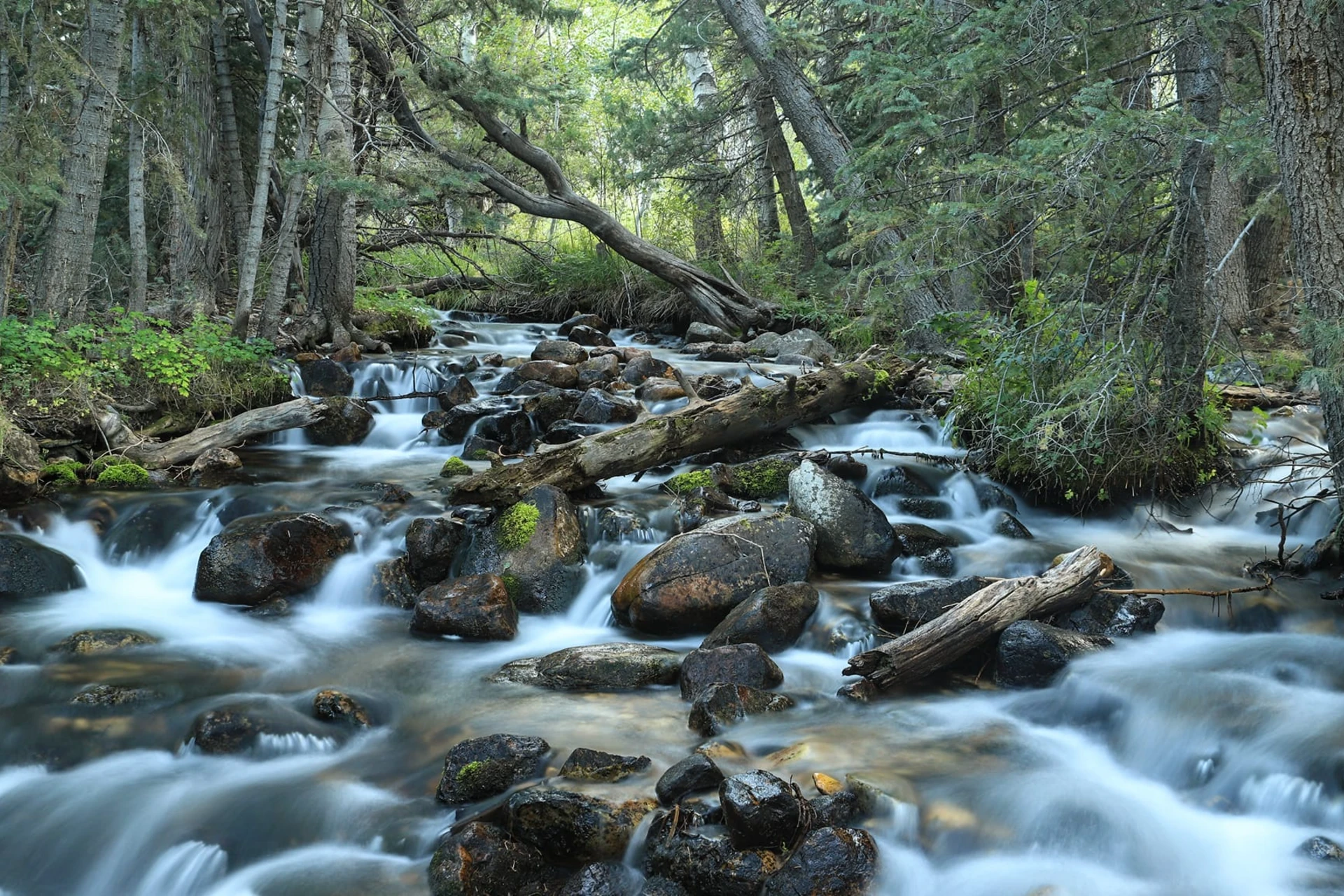
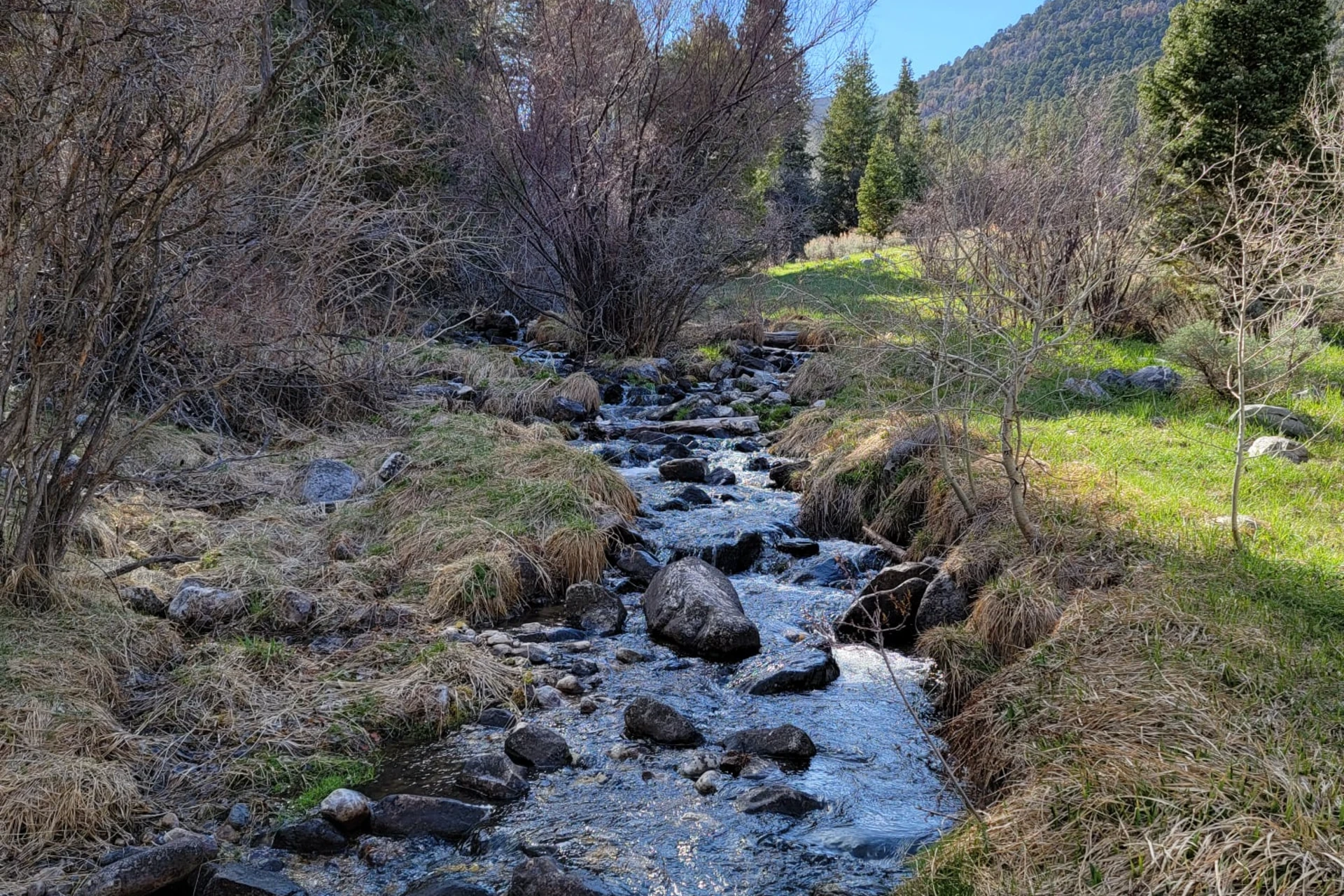
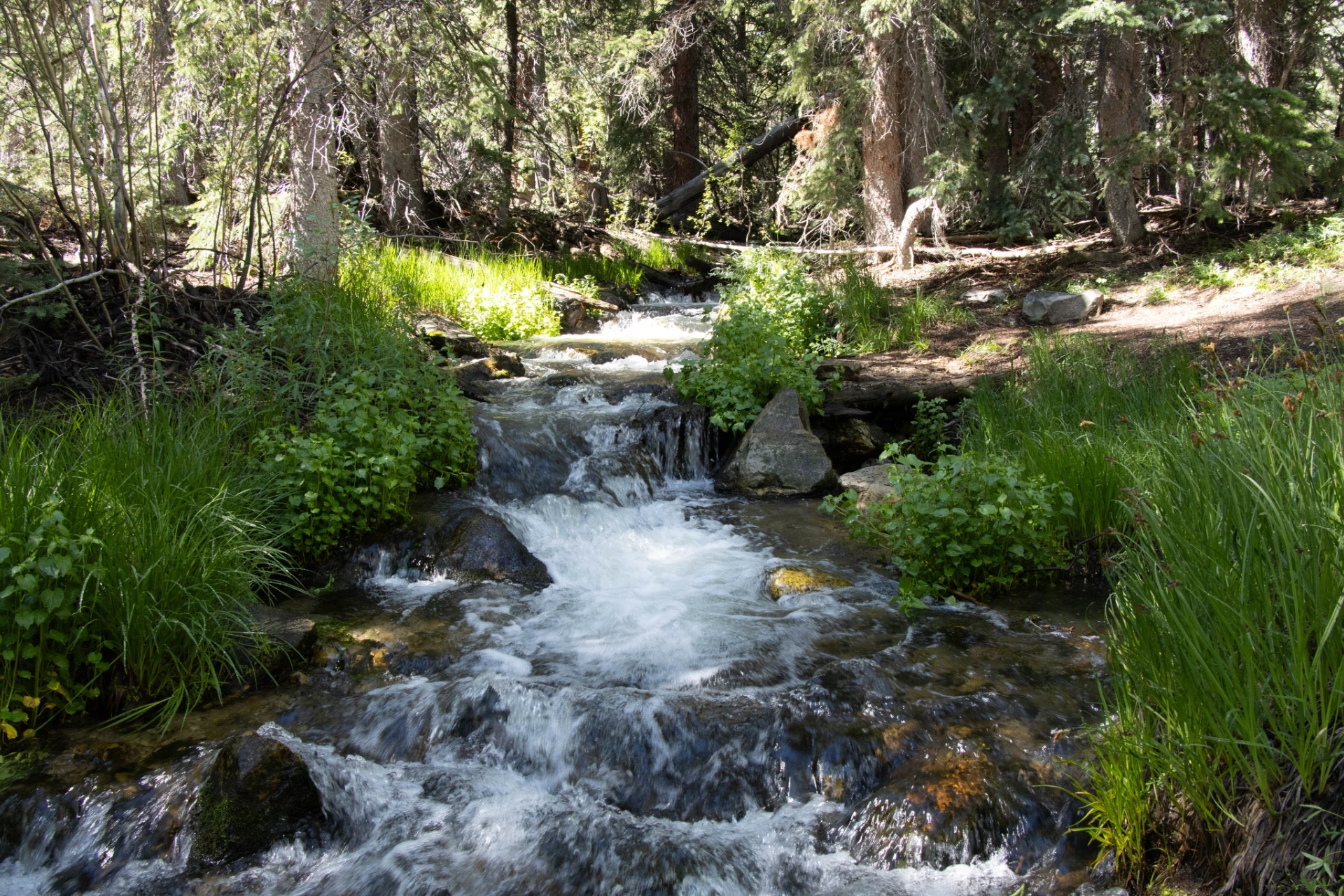
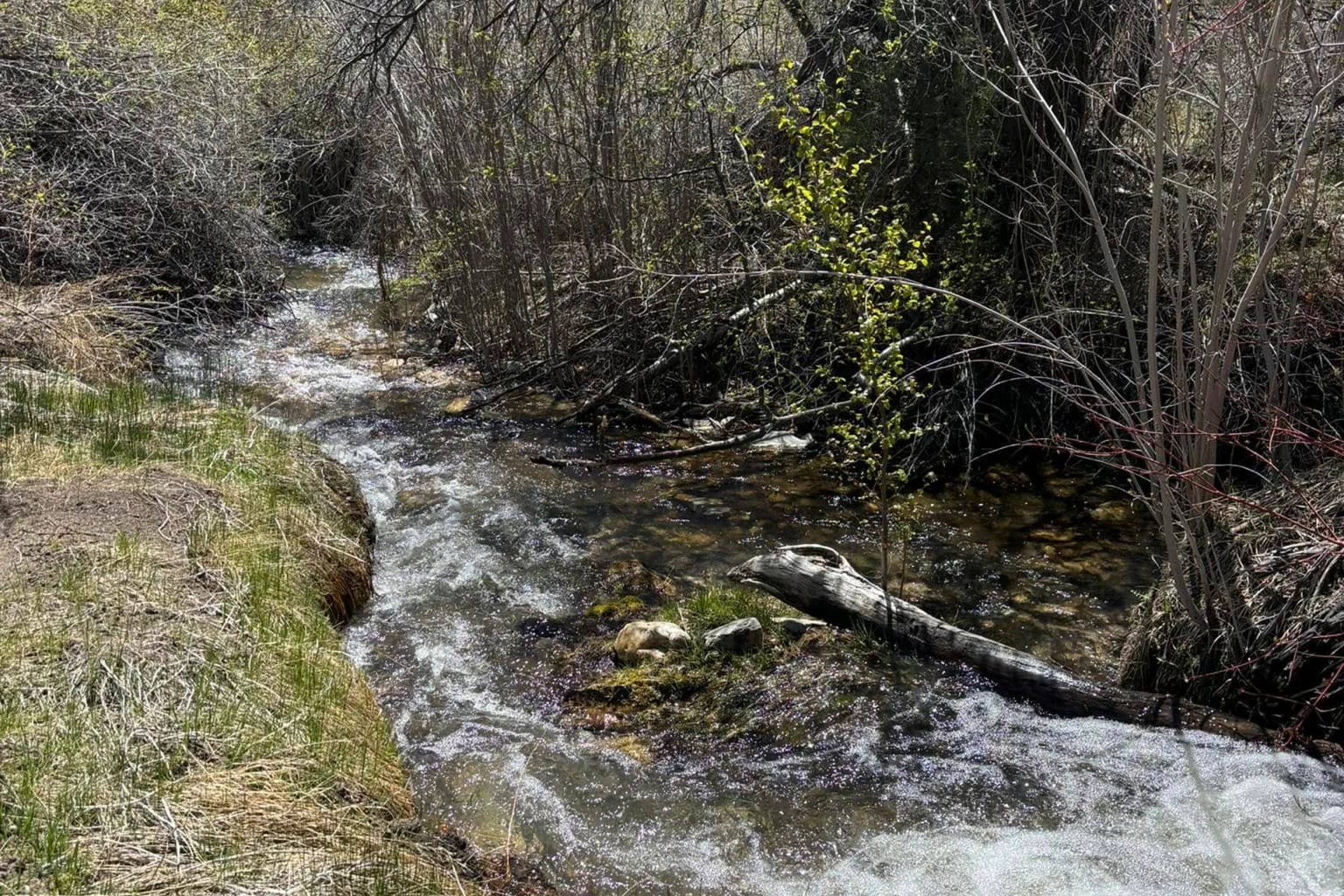
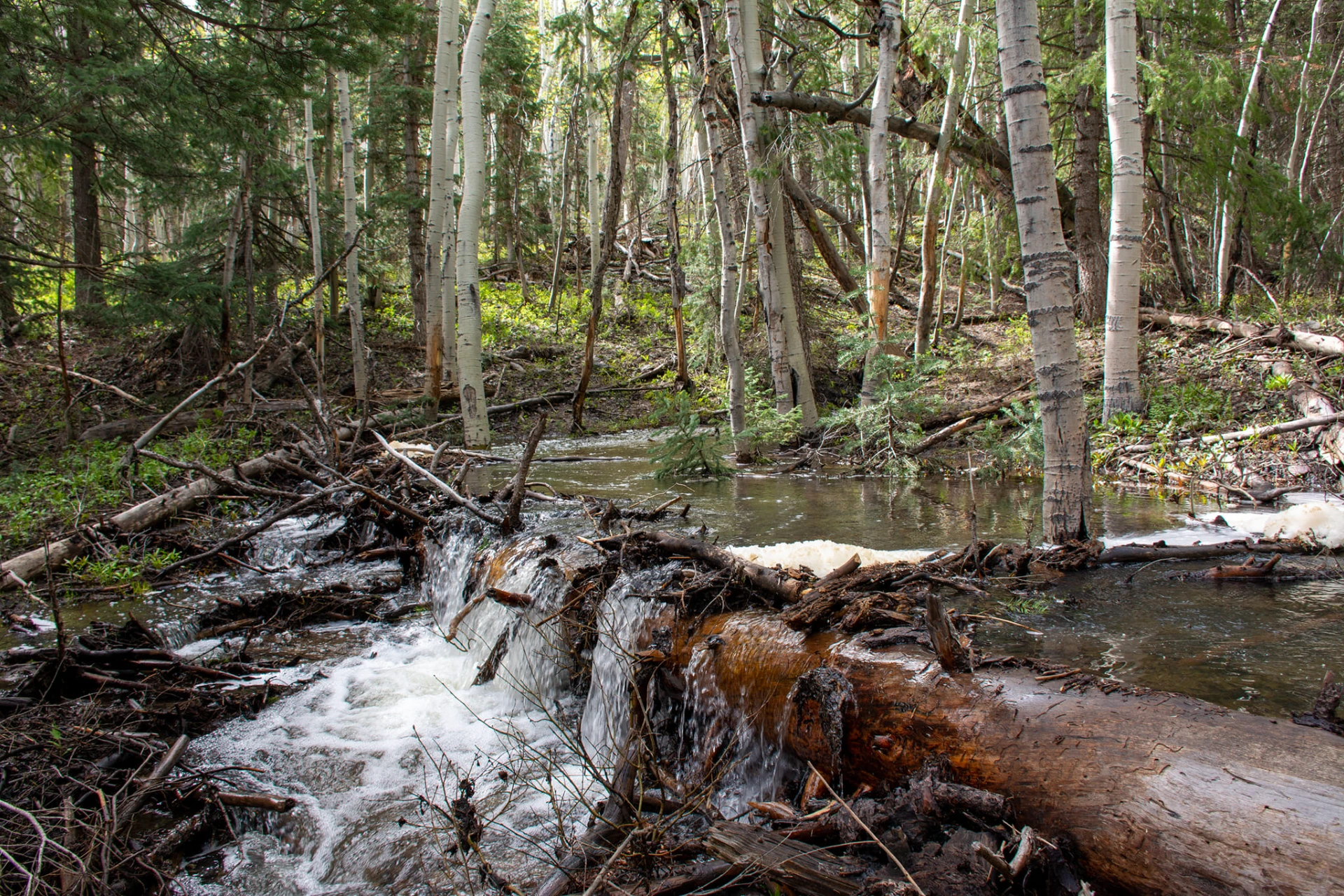
Strawberry Creek in Great Basin National Park offers a distinct high-altitude fly fishing experience. This cold, clear stream is characterized by abundant pocket water, providing a dynamic environment for anglers. Accessing Strawberry Creek is straightforward: drive to the Strawberry Creek Campground from the visitor center, then take a short hike to reach the prime fishing areas. The stream's elevation contributes to its cold temperatures and crisp, clean flows, which are ideal for the resident trout. Understanding the specific nature of this pocket water—its varied currents, seams, and small holding lies—is key to successful fishing here. The stream's structure, defined by its numerous pockets, demands a thoughtful approach. These pockets, formed by boulders, fallen timber, and changes in gradient, create natural feeding lanes and shelter for fish. Anglers should focus on reading these micro-currents and identifying where trout might be holding, often in the calmer water directly behind obstructions or in the deeper seams. The clarity of the water also means that a stealthy approach is paramount; any sudden movements or shadows can easily spook fish. Navigating the banks and wading carefully will improve your chances of getting close enough for a precise cast without alerting your target. Strawberry Creek is home primarily to Bonneville Cutthroat Trout, a native species only to this basin inside the park. Anglers will find that smaller flies are consistently recommended for these trout. Peak mayfly hatches, specifically Blue-Winged Olives, provide excellent dry fly opportunities from late spring through mid-summer. As summer progresses into fall, terrestrials like ants, beetles, and grasshoppers become highly effective patterns, mimicking insects that fall into the water from streamside vegetation. Even in the colder months, midges are present and can be a reliable food source for the trout. When fishing Strawberry Creek, always approach from downstream to avoid spooking fish, as the clear water and smaller stream size make trout particularly wary. Sight fishing is a highly effective tactic, especially in the numerous pockets and riffles where Bonneville Cutthroat Trout often hold. Look for subtle movements or flashes in the water that indicate a feeding fish, then make a precise cast upstream of its position. A quick, accurate presentation is often more important than the specific fly pattern. Once hooked, handle Bonneville Cutthroat Trout with care and release them promptly to ensure their survival. Carry a small net and forceps to minimize handling time and reduce stress on the fish.
Strawberry Creek Hatch Chart
Quick Actions
Regulations
•
Catch & Release: All fish must be immediately released. Handle with care using barbless hooks.
Trip Planning
Best fishing typically occurs during spring and summer. Check water conditions before heading out.
See what insects are emerging on Strawberry Creek's hatch forecast — including active hatches, water temperatures, and which patterns to have in your box this month.
Get IdentaFly on your phone
Hatch forecasts, river gages, fly scanning, and your journal — built for on-stream use. Be prepared before you get to the water. Free on the App Store and Google Play.


Access
Seasons
Terrain
Water
Fish Species
Bonneville Cutthroat Trout
Regulations
•
Catch & Release: All fish must be immediately released. Handle with care using barbless hooks.
Fishing Styles
Methods
•
Wade Friendly
Land Ownership
National Park