Bitterroot River
MT
•
River
About Bitterroot River
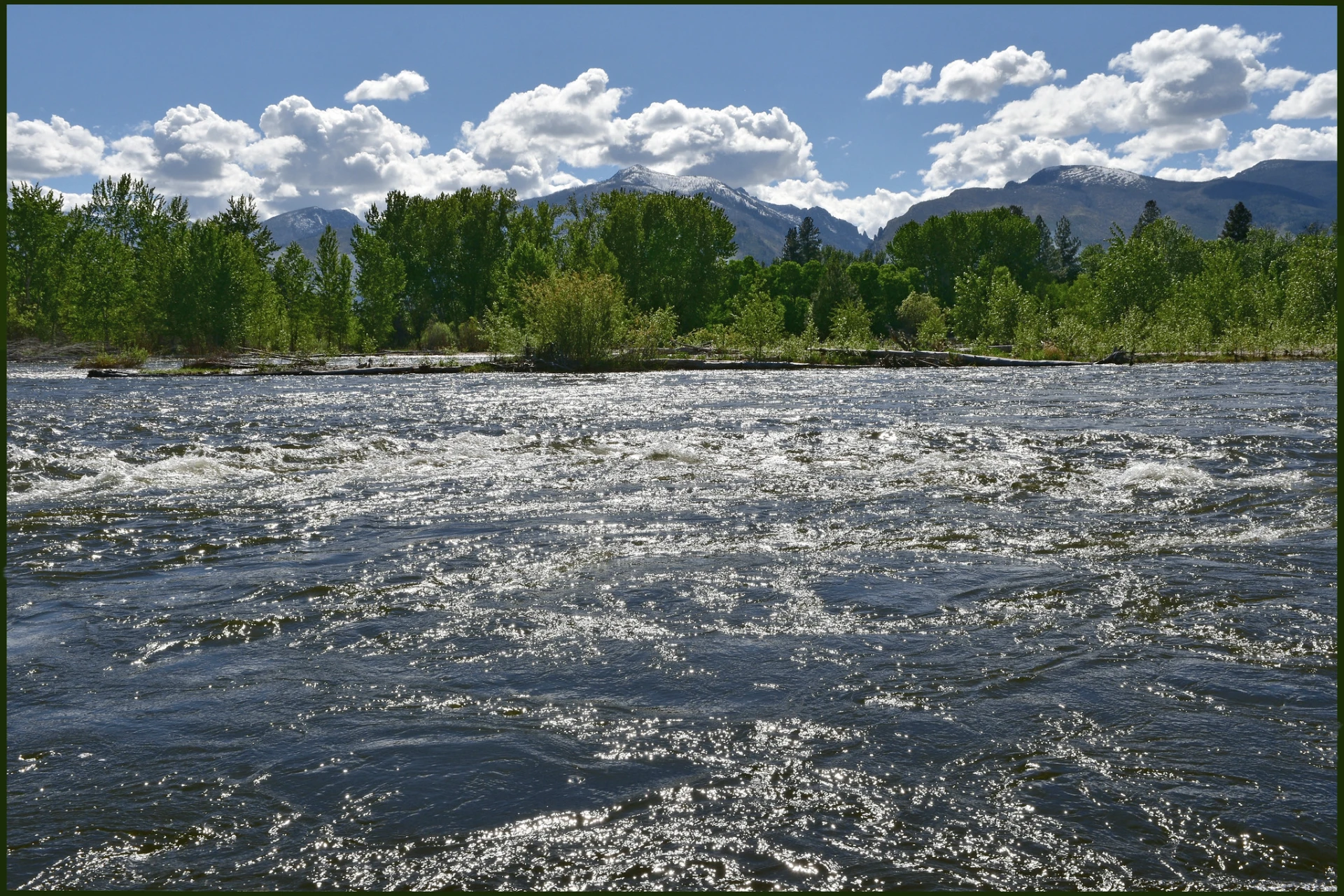
The Bitterroot River is an 84-mile freestone river in Montana's Bitterroot Valley, averaging approximately 700 trout per mile, with frequent catches of trophy trout over 23 inches. This dynamic river supports abundant populations of cutthroat, rainbow, and brown trout, making it a premier destination for anglers seeking exceptional dry fly fishing. The Bitterroot is renowned for its prolific hatches, including Skwala stoneflies, Caddis, Blue Winged Olives, and Western March Browns. With an average depth of about three feet, the river offers comfortable wading conditions similar to smaller streams, while also featuring diverse aquatic environments like log jams, undercut banks, and deep pools. Over 13 access sites ensure convenient access for both wading and floating, with rafts often preferred for navigating the varied water conditions. The Bitterroot River, a premier Montana fly fishing destination, boasts an impressive average of 700 trout per mile, including frequent trophy catches over 23 inches. Anglers will find abundant populations of cutthroat, rainbow, and brown trout, with hatches of Skwala stoneflies, Caddis, Blue Winged Olives, and Western March Browns providing excellent dry fly opportunities. This 84-mile freestone river offers comfortable wading conditions akin to smaller streams, with depths averaging around three feet, alongside diverse aquatic features like log jams, undercut banks, and deep pools. With over 13 access sites, both wading and floating are convenient, though rafts are often recommended for navigating the varied water.
Bitterroot River Hatch Chart
Loading active hatches…
Quick Actions
Regulations
•
Catch & Release: All fish must be immediately released. Handle with care using barbless hooks.
Trip Planning
Best fishing typically occurs during spring and summer. Check water conditions before heading out.
See what insects are emerging on Bitterroot River's hatch forecast — including active hatches, water temperatures, and which patterns to have in your box this month.
Get IdentaFly on your phone
Hatch forecasts, river gages, fly scanning, and your journal — built for on-stream use. Be prepared before you get to the water. Free on the App Store and Google Play.


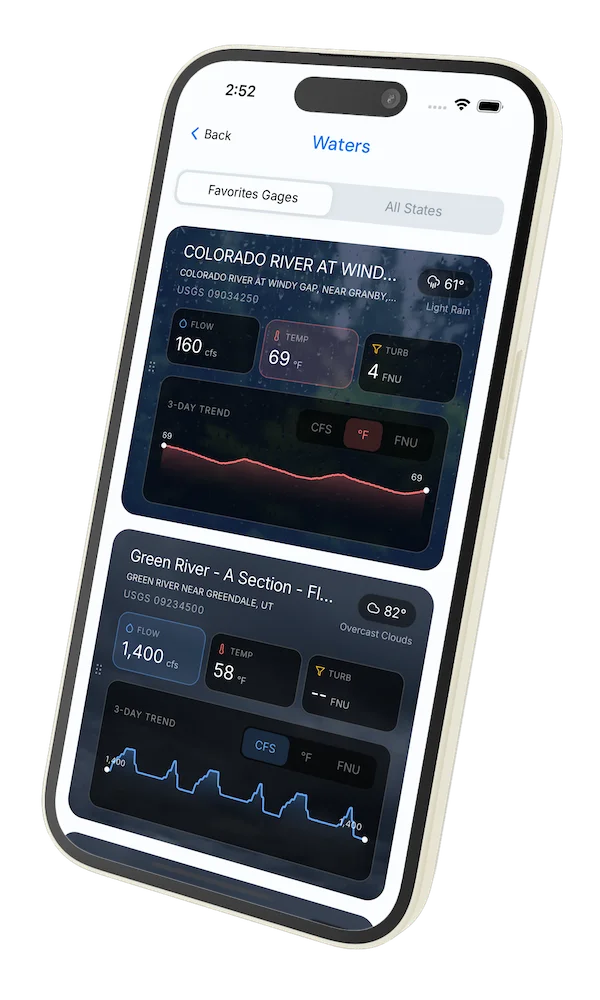
Conditions Report
Read tips and insights about recent conditions for Bitterroot River — gathered from on line sources.
Read the Conditions ReportWater conditions (USGS)
Water conditions for the last 7 days. You can gain insights to fishing activity based on these conditions, like water temperature and flow.
Data sourced from USGS National Water Information System
Access
Seasons
Terrain
Water
Fish Species
Cutthroat
Rainbow Trout
Brown Trout
Brook Trout
Bull Trout
Regulations
•
Catch & Release: All fish must be immediately released. Handle with care using barbless hooks.
Fishing Styles
Methods
•
Wade Friendly
•
Float Friendly
Land Ownership
Public Forest Service