Teton River
ID
•
River
About Teton River
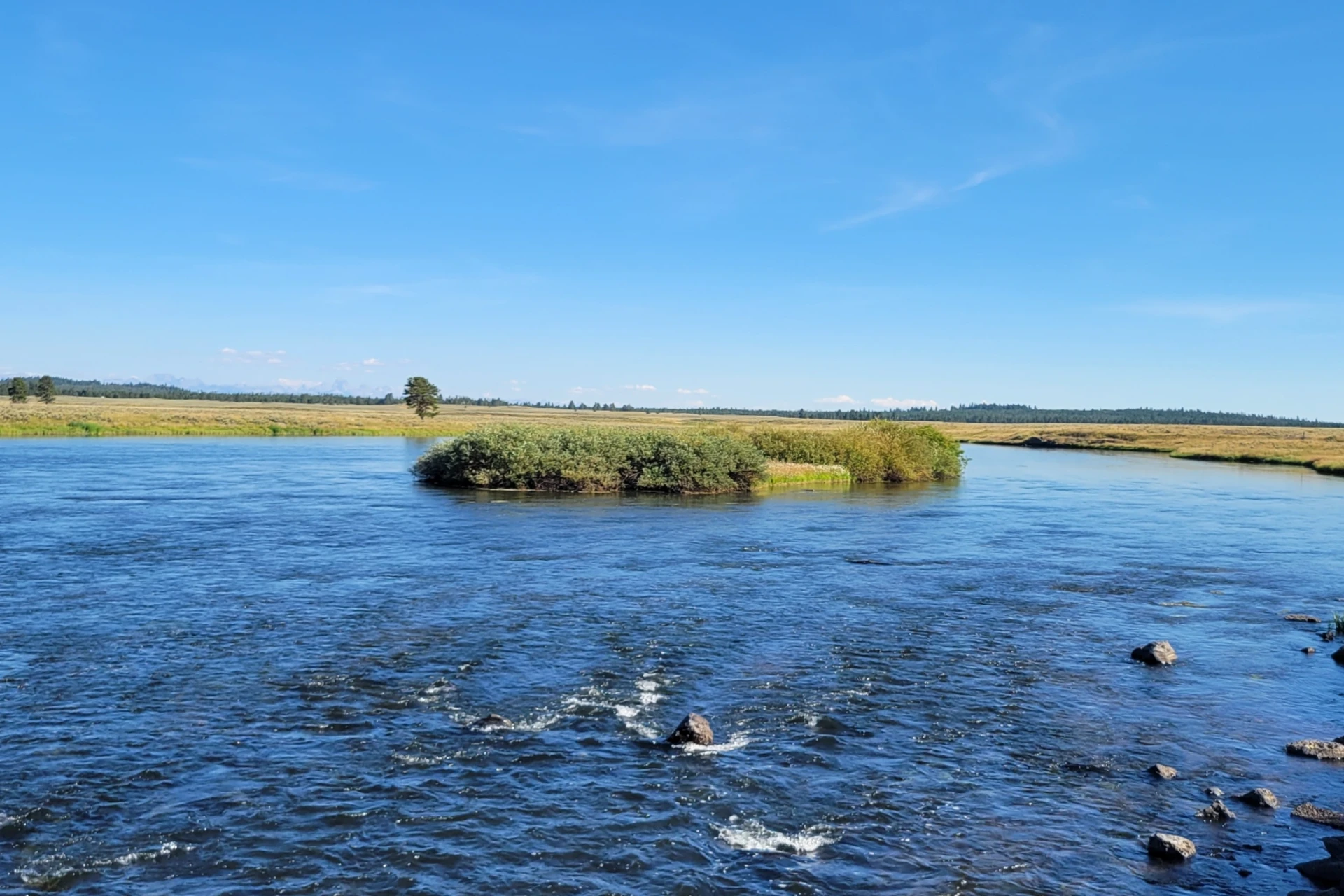
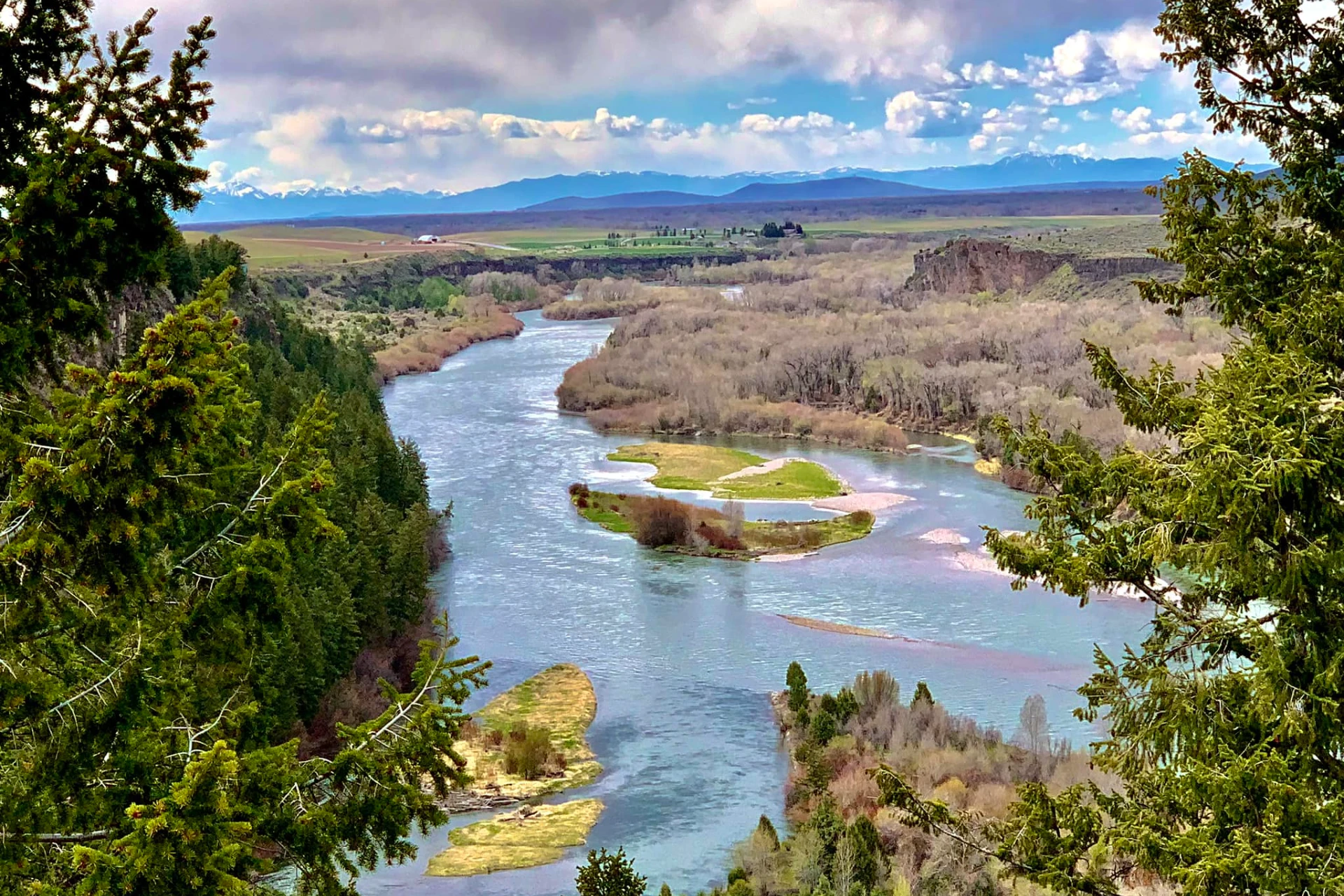
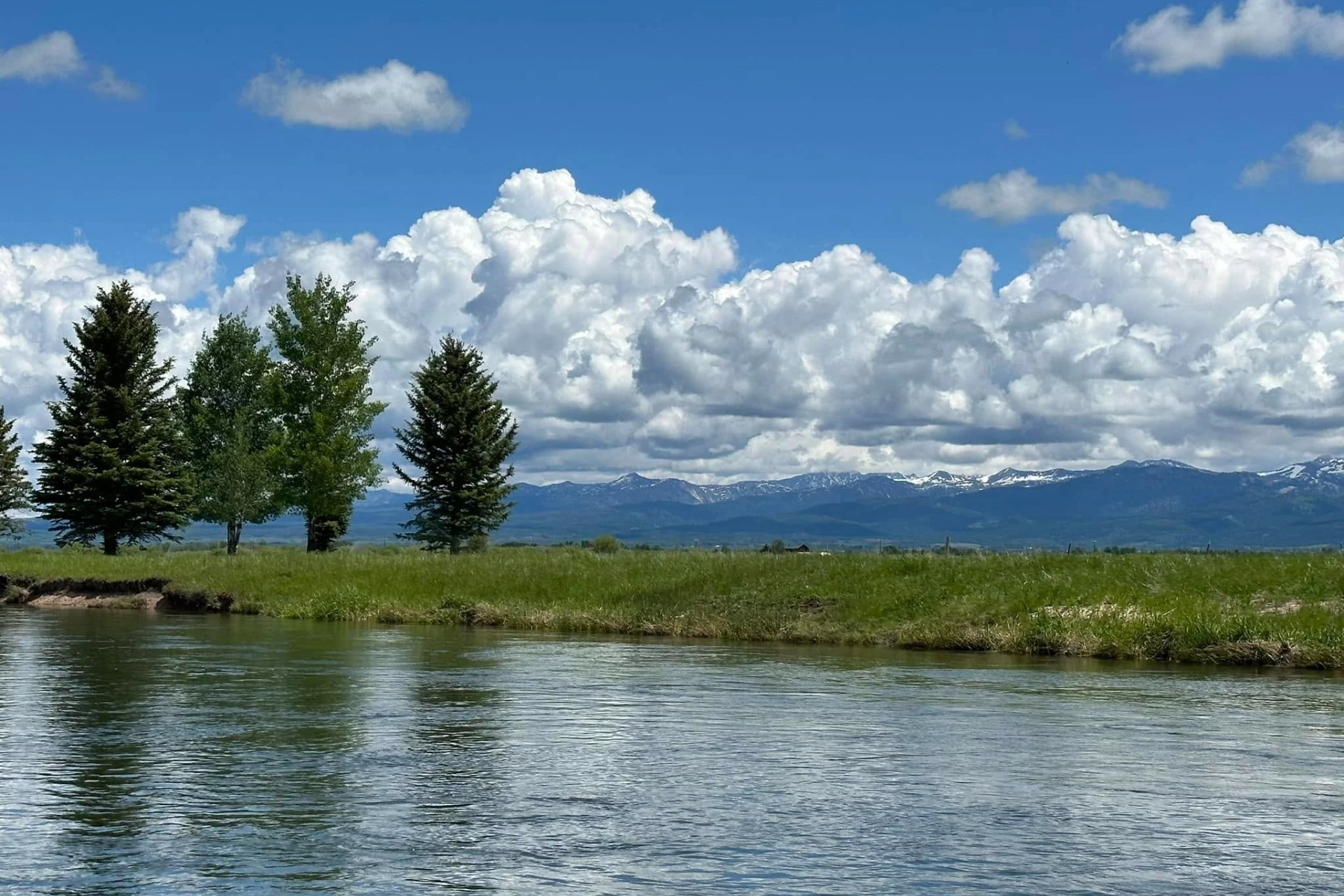
The Teton River drains the west slope of the Teton Range and runs 81.5 miles before joining the Henrys Fork of the Snake. Its upper stretch is fed by numerous springs that hold water temperatures stable through the season, sustaining continuous aquatic insect production that fattens trout well beyond the average for eastern Idaho rivers. The river moves through three distinct sections: a spring-fed meadow stretch with consistent current and depth suited to selective dry-fly fishing, a rugged whitewater canyon that limits access and sees lighter pressure, and a lower valley reach that winds through farmland — wider, slower, and ditch-like in character in places — holding fewer but larger individual fish. Below the Old Teton Dam site the river settles into its most productive wading water. Float fishing is a fixture on the Teton, but summer brings heavy recreational floating traffic that pushes trout off the main channel into tighter, sheltered lies. Working secluded pockets between flotillas — or visiting outside peak float season — finds noticeably less pressured fish. Access to the upper whitewater canyon means dragging gear down a rough, rocky trail and a steep climb back out, which keeps casual crowds away. Below Harrop Bridge the gradient eases, wading opens up, and the stonefly water begins. Rainbow Trout, Cutthroat, Cutt-bows, Brook Trout, and Mountain Whitefish make up the fishery and they run large for the region. Near-constant spring-fed temperatures in the upper stretch let mayflies, caddis, and stoneflies reproduce continuously throughout the season, building heavy, well-fed fish. Early season below Harrop Bridge brings big stoneflies — some approaching three inches — and a size-matched dry or stonefly nymph under an attractor handles most situations. As the season progresses, Pale Morning Dun mayflies and caddis come on and stay effective well into summer. Baetis, Mahogany Duns, and Rusty Spinners extend the dry-fly window further. Grasshoppers become a factor as summer heats the banks and hold fish tight to grassy edges through early fall. The Grey Drake hatch arrives last — a large mayfly running an inch to an inch-and-a-half — and it coincides with the lightest fishing pressure of the year on the Teton. For most of the season a single attractor dry brings fish up consistently; a nymph dropper off that fly handles the days when trout are inspecting without committing. Streamers see limited use here. In the meadow stretch the fish are bigger and more selective — work the slower tailouts and pool seams with deliberate wading and a drag-free drift; a sloppy approach or skating fly puts them down fast. The valley water holds fewer trout per mile, so covering ground matters more than working individual lies.
Teton River Hatch Chart
Loading active hatches…
Quick Actions
Trip Planning
Best fishing typically occurs during spring and summer. Check water conditions before heading out.
See what insects are emerging on Teton River's hatch forecast — including active hatches, water temperatures, and which patterns to have in your box this month.
Get IdentaFly on your phone
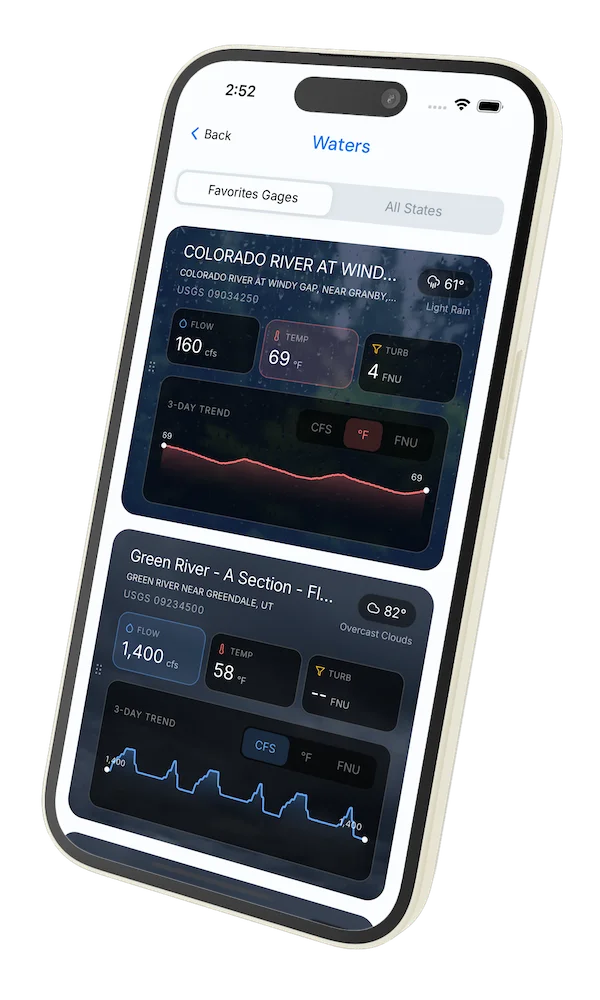
Hatch forecasts, river gages, fly scanning, and your journal — built for on-stream use. Be prepared before you get to the water. Free on the App Store and Google Play.


Conditions Report
Read tips and insights about recent conditions for Teton River — gathered from on line sources.
Read the Conditions ReportWater conditions (USGS)
Water conditions for the last 7 days. You can gain insights to fishing activity based on these conditions, like water temperature and flow.
Data sourced from USGS National Water Information System
Access
Seasons
Terrain
Water
Fish Species
Cutthroat
Rainbow Trout
Brook Trout
Brown Trout
Whitefish
Fishing Styles
Methods
•
Float Friendly
•
Raftable