Payette River - North Fork
ID
•
River
About Payette River - North Fork
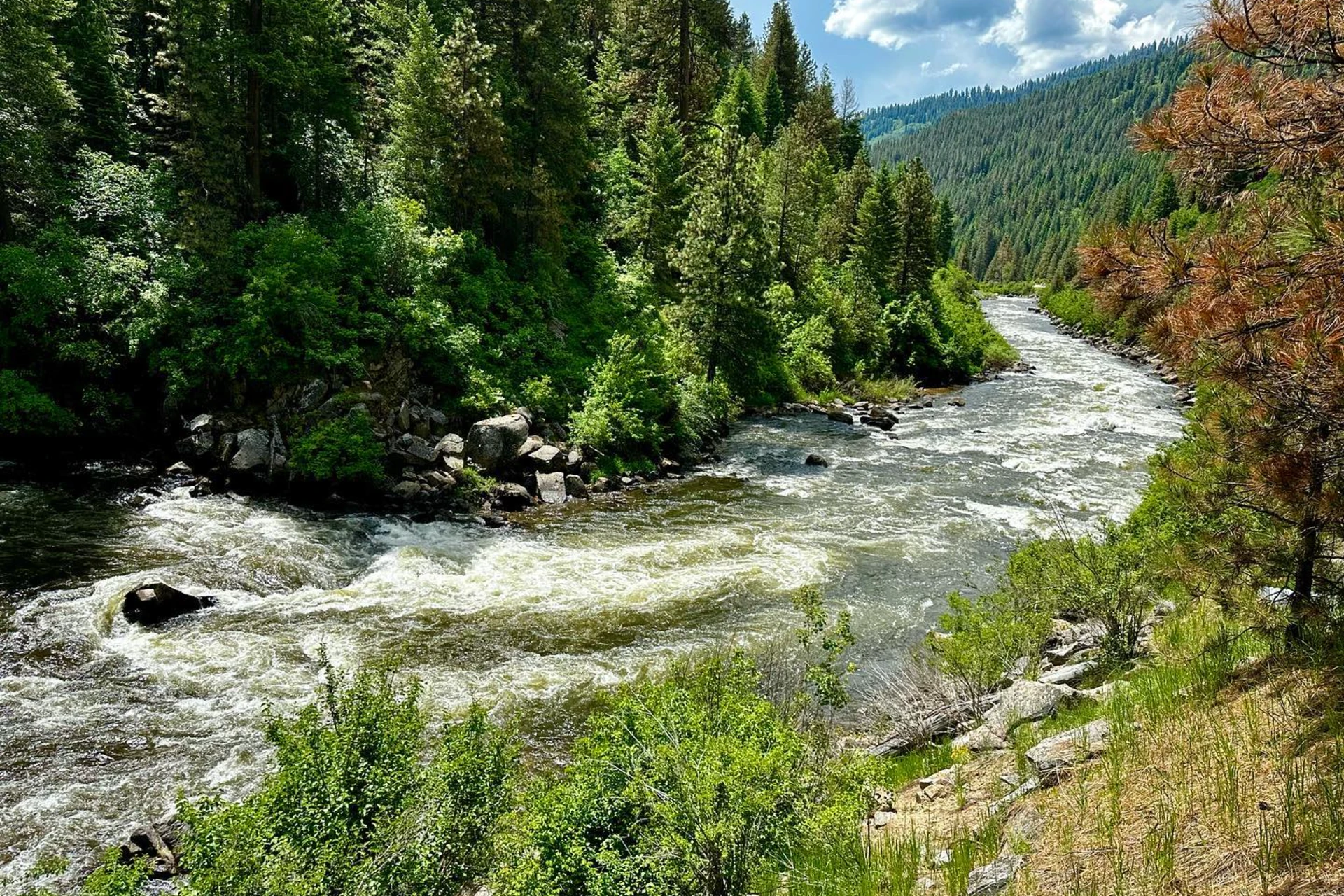
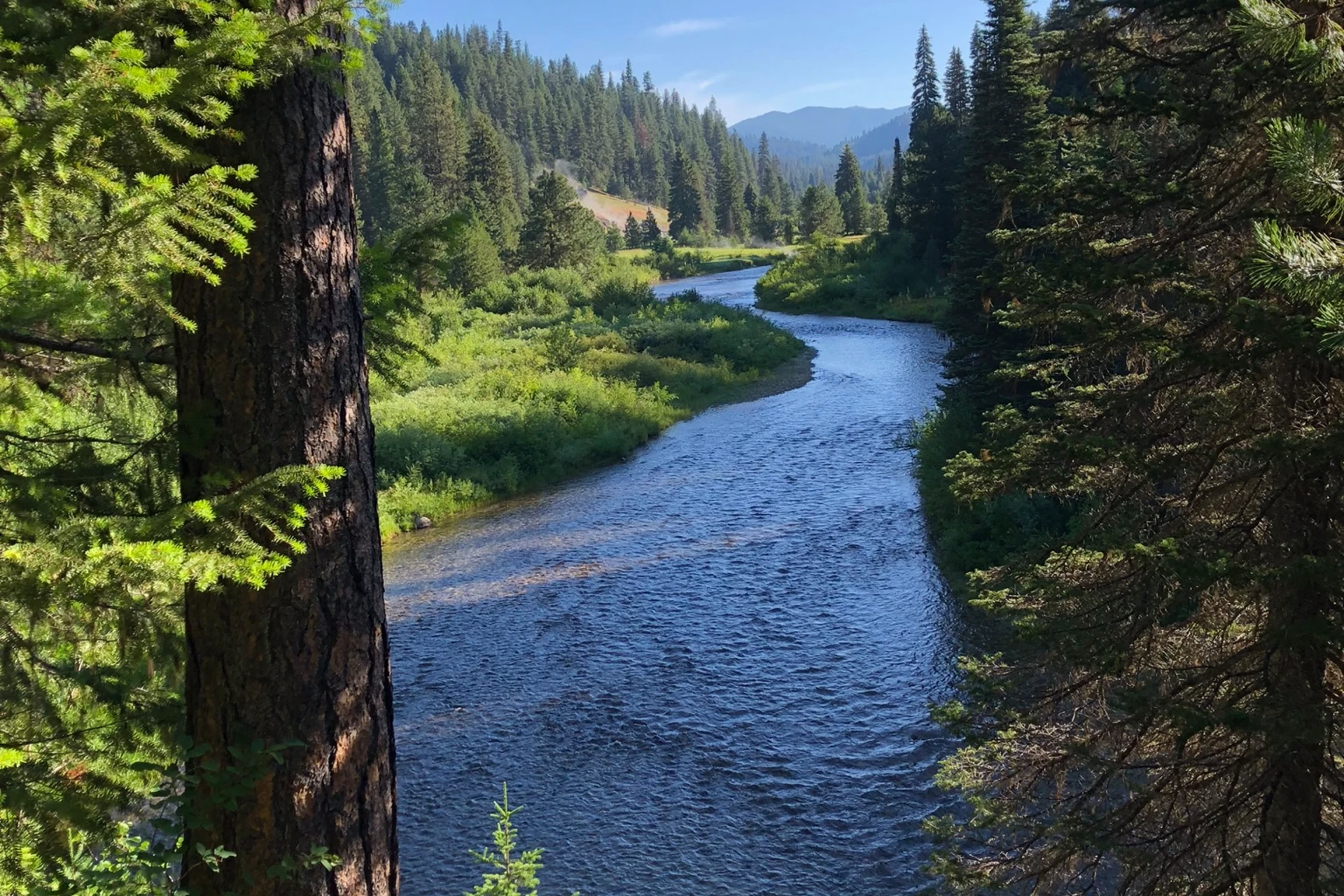
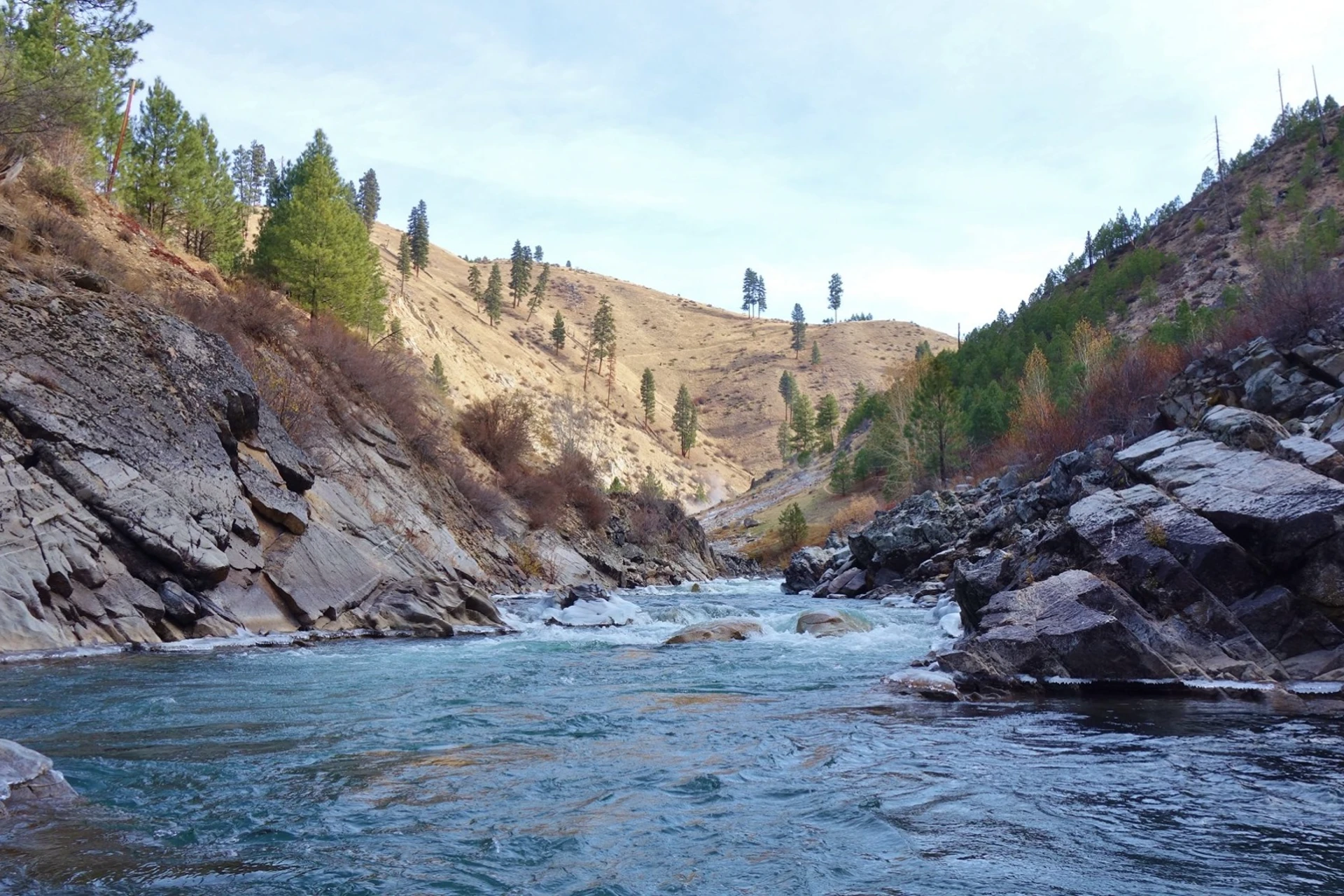
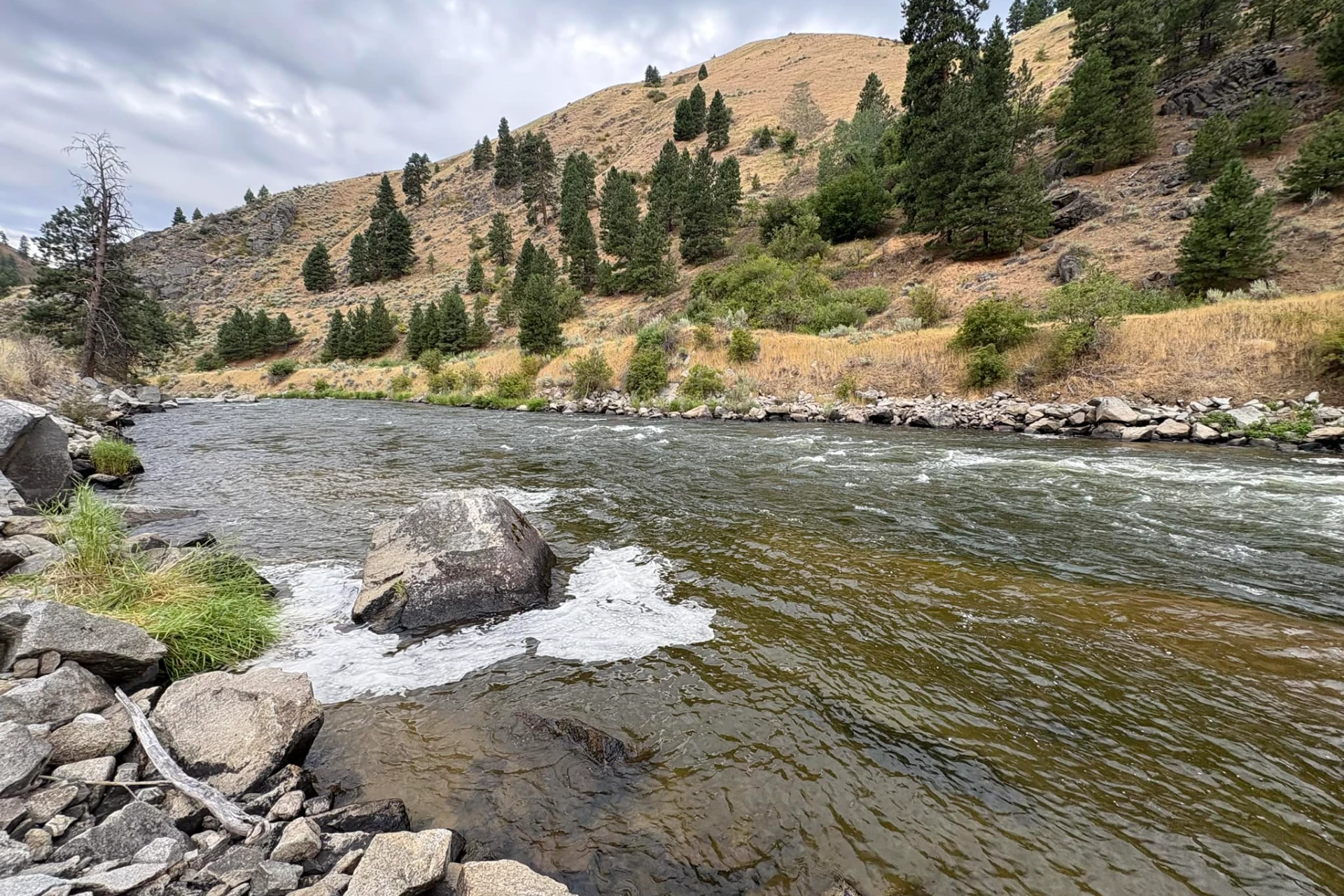
The North Fork of the Payette River runs 113 miles south from the Salmon River Mountains to Banks, Idaho, where it joins the main Payette. This is a big, powerful river, averaging over 1,200 cubic feet per second. It carves through a watershed of mountains and forests, with valleys that hold large lakes and wetlands. The river itself is characterized by its high gradient and significant flows, especially through sections like the Cabarton run above Smiths Ferry. Access is primarily from pullouts and turnouts along the highway, with some areas featuring campgrounds and established trails. Expect a dynamic fishery with plenty of structure, including inlets, changes in gradient, and varied shoreline types. This river is known for its robust population of rainbow trout, including redband trout, which benefit from extended periods of low angler pressure outside of a specific, short window each year. Mountain whitefish are also present. While specific hatches aren't detailed here, expect food sources common to Western rivers. When flows are manageable, streamers like Clousers and Sculpin patterns can be effective for larger trout. Smaller nymphs, such as Prince Nymphs and Hare's Ears, will also produce. Consider working the deeper pools and runs, particularly during lower light conditions. Anglers should be aware that much of the river is characterized by high water and can be challenging to fish effectively for extended periods. The North Fork Payette River is stocked regularly with catchable-sized rainbow trout, often in the 12-14 inch range, with additional stockings of fry and fingerlings for future growth. Coho and Kokanee salmon are also stocked as fry and fingerlings. Smallmouth bass are present, and brook trout are observed. For the stocked rainbows, try attractor nymphs like Pheasant Tails and Prince Nymphs, fished deep in the current. Streamer fishing can also be productive, especially for larger, resident trout and smallmouth bass. When the river's flow drops to a more manageable level, typically for a few weeks each year, the fishing pressure is significantly reduced, allowing trout to grow and feed actively. Focus your efforts on the seams of the current, behind larger rocks, and in any slack water pockets you can find. Always be mindful of the river's power and swift currents.
Payette River - North Fork Hatch Chart
Loading active hatches…
Quick Actions
Trip Planning
Best fishing typically occurs during spring and fall. Check water conditions before heading out.
See what insects are emerging on Payette River - North Fork's hatch forecast — including active hatches, water temperatures, and which patterns to have in your box this month.
Get IdentaFly on your phone
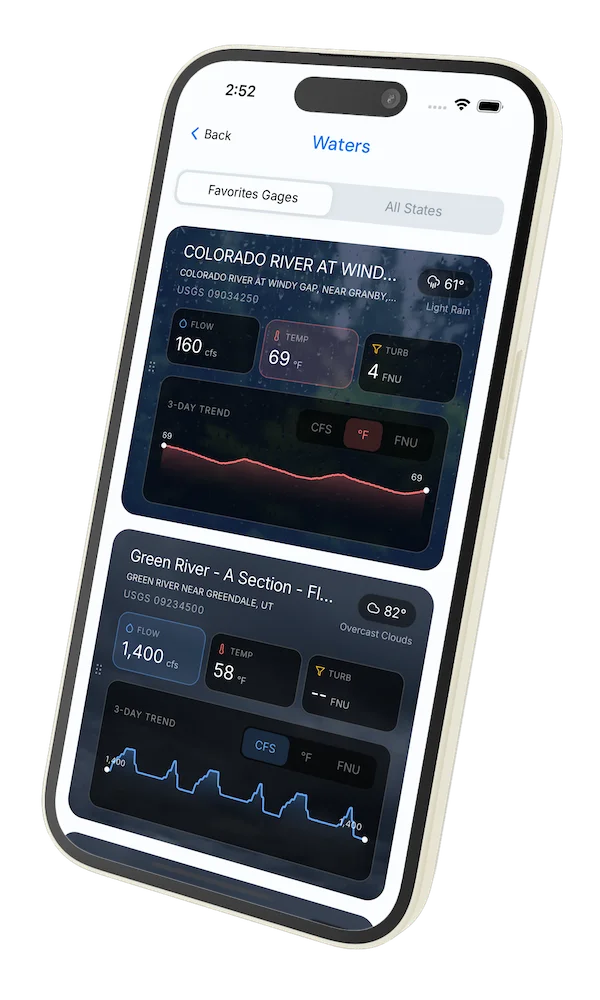
Hatch forecasts, river gages, fly scanning, and your journal — built for on-stream use. Be prepared before you get to the water. Free on the App Store and Google Play.


Water conditions (USGS)
Water conditions for the last 7 days. You can gain insights to fishing activity based on these conditions, like water temperature and flow.
Data sourced from USGS National Water Information System
Access
Seasons
Water
Fish Species
Rainbow Trout
Brook Trout
Fishing Styles
Methods
•
Wade Friendly
Land Ownership
Public Forest Service